
Sauces & Condiments
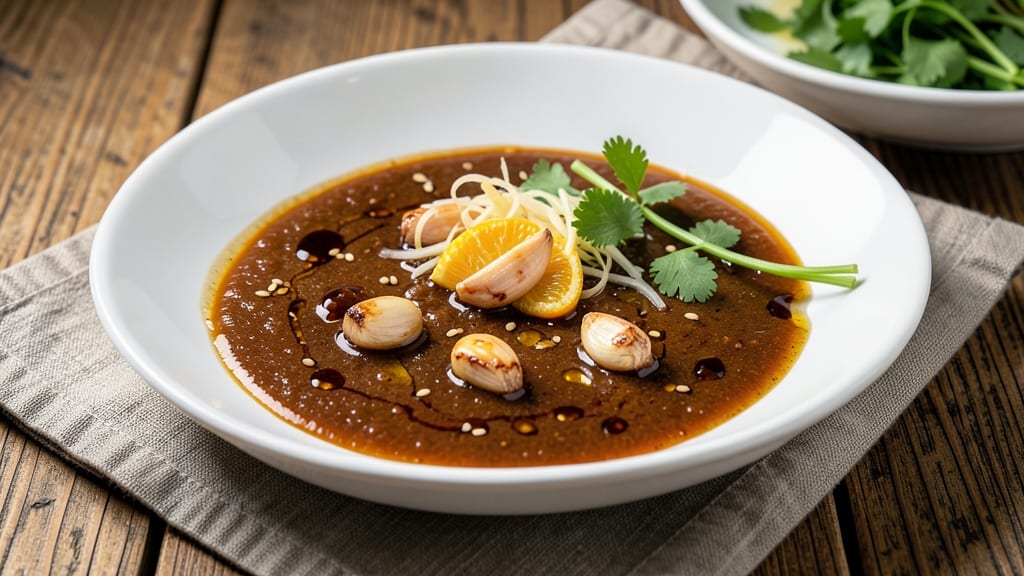
This awesome stir fry sauce recipe transforms bland stir-fries into bold, restaurant-quality meals with just a few simple ingredients. The secret lies in balancing sweet, salty, and umami flavors—no complicated techniques required.
I developed this sauce after years of testing, and it delivers that perfect sticky-sweet glaze with a deep, savory punch every time.
What sets this sauce apart is the umami crunch from toasted sesame oil and garlic, which adds texture without extra effort. The ingredients are pantry staples: soy sauce, honey, rice vinegar, and a touch of ginger for brightness.
It comes together in 10 minutes and keeps for weeks in the fridge, making it ideal for meal prep.
The sauce works with everything—chicken, tofu, shrimp, or crisp vegetables—adding depth to any stir-fry. The caramelized edges from the garlic and ginger create a bold, aromatic finish that elevates simple ingredients into something extraordinary. No more bland takeout flavors; this is the sauce that brings the wok home.
Store it in an airtight container for up to 3 weeks, or freeze for longer shelf life. Double the batch if you’re prepping for the week—it’s that good. Here’s how to make it perfectly every time.
Ingredients for awesome stir fry sauce
Pantry staples transformed into restaurant-quality stir-fry sauce with bold umami depth.
| Ingredient | Amount | Notes |
|---|---|---|
| Toasted Sesame Oil 🫒 | ¼ cup | High-quality, nutty aroma preferred |
| Low-Sodium Soy Sauce 🥢 | ½ cup | Kikkoman preferred for balance |
| Honey 🍯 | ¼ cup | Wildflower for floral depth |
| Rice Vinegar 🍶 | ¼ cup | Seasoned variety for complexity |
| Fresh Ginger 🌿 | 2 tbsp | Finely grated, not minced |
| Garlic Cloves 🧄 | 6 cloves | Smashed, not minced for texture |
| Sesame Seeds 🥜 | 1 tbsp | Toasted for nutty crunch |
| Brown Sugar 🍚 | 1 tbsp | Light or dark preferred |
| Red Pepper Flakes 🌶️ | ½ tsp | Adjust for heat preference |
| Ground Black Pepper 🌶️ | ¼ tsp | Freshly cracked for aroma |
The sesame oil and garlic form the sauce's aromatic foundation. Kikkoman soy sauce provides the salty backbone, while wildflower honey adds floral sweetness—avoid clover honey, which can taste overly one-dimensional. For the ginger, organic from the produce section delivers the most zing, but jarred works in a pinch. The toasted sesame seeds should be purchased pre-toasted from the bulk section at Whole Foods or Trader Joe's for maximum crunch. If you can't find toasted, lightly toast your own in a dry pan for 30 seconds.
No sesame oil? Peanut oil at half the amount mimics the nutty profile, though texture will differ. Substitute maple syrup for honey if avoiding refined sugar, but reduce to 2 tablespoons to prevent over-sweetness. Fresh ginger unavailable? Ground ginger at one-third the amount works, though it lacks the bright zing. The garlic can be minced if preferred, but smashed cloves create those coveted caramelized edges during cooking. For extra depth, add 1 teaspoon of fish sauce—though this makes it non-vegetarian—it amplifies the umami exponentially.
Store in a glass jar with an airtight lid in the fridge for up to 3 weeks, or freeze for 6 months. The sauce thickens as it cools, so stir before each use. Double the batch and freeze in ice cube trays for perfect single-use portions—ideal for quick stir-fries. For best flavor, let the sauce sit at room temperature for 10 minutes before using, allowing the aromatics to fully develop.
Why You'll Love This Recipe
- Here’s what sold me: this sauce uses pantry staples you already own, and the leftovers? They last for days. A splash in oatmeal, a drizzle over eggs, or a quick glaze for tofu—it’s the kind of recipe that saves money and keeps your fridge from going to waste. (My wallet thanks me.)
- Five-Ingredient Magic: I swear, this sauce comes together while you’re still debating what to eat. Just toss in the toasted sesame oil, soy sauce, honey, rice vinegar, and grated ginger—no measuring cups, no stress. The ginger hits the heat, the honey rounds it out, and that sesame oil? Instant aroma therapy.
- Umami Bomb: Between us, this is the kind of sauce that makes you pause mid-bite. The low-sodium soy sauce delivers that deep, savory punch, while the rice vinegar keeps it bright and tangy. Add a drizzle of sesame oil at the end, and suddenly your stir-fry tastes like it belongs in a dim-sum joint.
- Weeknight to Potluck: Honestly, I make this for everything. Toss it with leftover chicken, noodles, or even grilled veggies for a quick weeknight meal. Double the batch, store it in the fridge, and bring it to a BBQ—it’s the one dish that always gets seconds. (Yes, even on a Tuesday night.)
Step-by-step instructions for bold umami stir fry sauce
This sauce builds layer upon layer of flavor—start with fresh aromatics, then balance with sweet and tangy elements.
Toast the Aromatics for Deep Flavor
Heat the 0.25 cup toasted sesame oil in a small saucepan over medium-low heat. Add the 6 smashed garlic cloves and 2 tablespoons finely grated fresh ginger, stirring constantly for 1-2 minutes until the garlic turns golden and fragrant—this prevents bitterness. Remove immediately from heat to preserve their delicate flavors.
The key here is patience. If you let the garlic brown too much, it becomes bitter. You want it just fragrant enough to infuse the oil without burning. Let the mixture cool for 5 minutes before proceeding—this stops the cooking process and makes blending easier later.
Combine Wet Ingredients for Balance
In a blender, combine the cooled garlic-ginger oil with the 0.5 cup low-sodium soy sauce, 0.25 cup honey, and 0.25 cup rice vinegar. Blend on high speed for 15-20 seconds until completely smooth. Taste the mixture—it should be sweet, tangy, and salty with a clean umami base.
This is where the sauce's foundation takes shape. The soy sauce provides saltiness, the honey adds sweetness, and the rice vinegar brings acidity. If it tastes too sweet, add a splash of vinegar. If it's too sharp, stir in a teaspoon of honey. Adjust now rather than later—once you add the spices, it's harder to correct.
Infuse with Spices and Toasted Seeds
Return the blended sauce to the saucepan and add the 1 tablespoon brown sugar, 0.5 teaspoon red pepper flakes, and 0.25 teaspoon ground black pepper. Bring to a gentle simmer over medium heat, stirring constantly for 3-4 minutes until the sugar dissolves and the sauce thickens slightly. Remove from heat and stir in the 1 tablespoon toasted sesame seeds just before serving.
Simmering helps meld all the flavors together while the sugar caramelizes just enough to add depth. The sesame seeds should be added last—their nutty crunch contrasts beautifully with the smooth sauce. For extra texture, you can lightly toast them in a dry pan for 30 seconds before adding.
Rest and Adjust for Perfect Texture
Let the sauce sit at room temperature for 10 minutes before using. This resting period allows the flavors to fully integrate. If the sauce is too thick, thin it with 1-2 teaspoons of warm water or additional rice vinegar. For a glossier finish, whisk in 1 teaspoon of toasted sesame oil just before serving.
The sauce should coat the back of a spoon with a silky yet slightly viscous consistency—thick enough to cling to stir-fried vegetables and proteins but still pourable. If it's too thin, simmer uncovered for 2-3 minutes to reduce. This sauce works best when used fresh, so make it just before serving for maximum impact.
Pro Tips For Making Awesome Stir Fry Sauce
- Whisk in Stages: Start by mixing the low-sodium soy sauce and honey first—this helps the honey dissolve smoothly without clumping. Then add the rice vinegar and ginger juice last, so the acidity doesn’t curdle the honey right away. (Yes, even if you’re impatient like me.)
- Grate Ginger Fine: Use a microplane or the smallest holes on a box grater—you want a paste, not chunks. Fresh ginger’s punch is what makes this sauce sing, but big pieces just sit there like stubborn guests at a party.
- Heat the Oil Last: Add the toasted sesame oil after everything else is combined and off the heat. A splash of hot oil at the end releases its nutty aroma instantly—like opening a present on Christmas morning. Dump it in cold, and you’re just wasting its magic.
- Taste Before Sweetening: The ginger and vinegar can trick you into thinking the sauce needs more honey. Wait 10 minutes after mixing—let the flavors settle—and taste again. You’ll often find it’s perfectly balanced the first time. (I learned this the hard way after making a sticky disaster.)
Best sauces and condiments for awesome stir fry sauce
Sweet & Tangy Balance
This sauce thrives on the perfect harmony between sweet honey and bright rice vinegar. The wildflower honey adds floral notes that complement the umami from soy sauce, while the seasoned rice vinegar cuts through richness with its tang.
For extra depth, I like to add 1 teaspoon of fish sauce (optional) to amplify the savory profile—just be mindful it makes the sauce non-vegetarian. 🍯
Umami Boosters
For a deeper umami punch, stir in 1 tablespoon of oyster sauce or 1 teaspoon of miso paste during the simmering step. Both ingredients add complexity without overpowering the garlic and ginger base.
If you're vegetarian, 1 teaspoon of soy sauce substitute (like coconut aminos) works well. The key is balance—start with small amounts and adjust to taste. 🥢
Spice Variations
Adjust heat to your preference: swap red pepper flakes for Sichuan peppercorns (½ teaspoon, toasted) for a numbing, citrusy kick, or use gochujang (1 teaspoon) for a fermented, slightly sweet spice.
For smoky depth, add ½ teaspoon of smoked paprika during the simmer. Each variation transforms the sauce into a completely different flavor profile while keeping the sticky-sweet foundation intact. 🌶️
Texture Tricks
Want extra crunch? Stir in 1 teaspoon of crushed peanuts or toasted coconut flakes just before serving. For a smoother texture, blend the sauce again briefly after simmering.
If you prefer a glossier finish, whisk in 1 teaspoon of cornstarch mixed with 1 tablespoon water during the final simmer—this adds a silky sheen perfect for drizzling over stir-fries. 🥜
Storage Hacks
Store leftovers in a glass jar (not plastic) in the fridge for up to 3 weeks, or freeze in ice cube trays for single-use portions. To reheat, gently warm in a saucepan over low heat—never microwave, as it can break down the delicate aromatics.
For a quick fix, thin with 1 teaspoon of hot water to loosen the sauce before using. 🧊
Serving Suggestions
Drizzle over seared chicken thighs, crispy tofu, or stir-fried bok choy for instant restaurant-quality flavor. Pair with jasmine rice and steamed edamame for a balanced meal. For extra richness, serve with sautéed mushrooms or charred broccoli—the sauce clings beautifully to their textures. 🍚
Nutrition facts
Frequently asked questions
Can I make this sauce without sesame oil?
Yes! Swap the 0.25 cup toasted sesame oil for 0.125 cup neutral oil (like vegetable or peanut oil) plus 0.125 cup peanut butter for nutty depth. Toast the peanut butter in a dry pan for 2 minutes first to enhance flavor. The texture will be slightly different but still delicious.
How do I adjust the heat level?
Start with 0.25 teaspoon red pepper flakes for mild heat. For medium, use 0.5 teaspoon. Want it spicy? Add 1 teaspoon of gochujang or 0.5 teaspoon of cayenne during the simmer. Always taste as you go—you can't remove heat once added!
Can I use this sauce for other dishes besides stir-fry?
Drizzle over grilled chicken skewers, bowl noodles, or roasted vegetables. It also makes an amazing dipping sauce for spring rolls or marinade for tofu. The balanced sweet-savory profile works in many Asian-inspired dishes.
Why does my sauce taste too sweet?
This happens when the honey or brown sugar overpowers the other flavors. Balance it by adding 1 extra tablespoon of rice vinegar or 1 teaspoon of soy sauce. The acidity from vinegar will cut through the sweetness while the soy adds needed saltiness.
How can I make this sauce vegetarian?
Skip the optional fish sauce and use 1 teaspoon of soy sauce substitute (like coconut aminos) instead. For extra umami, add 1 teaspoon of miso paste during the simmer. The sauce will still have that rich, savory depth without animal products.