
Sauces & Condiments
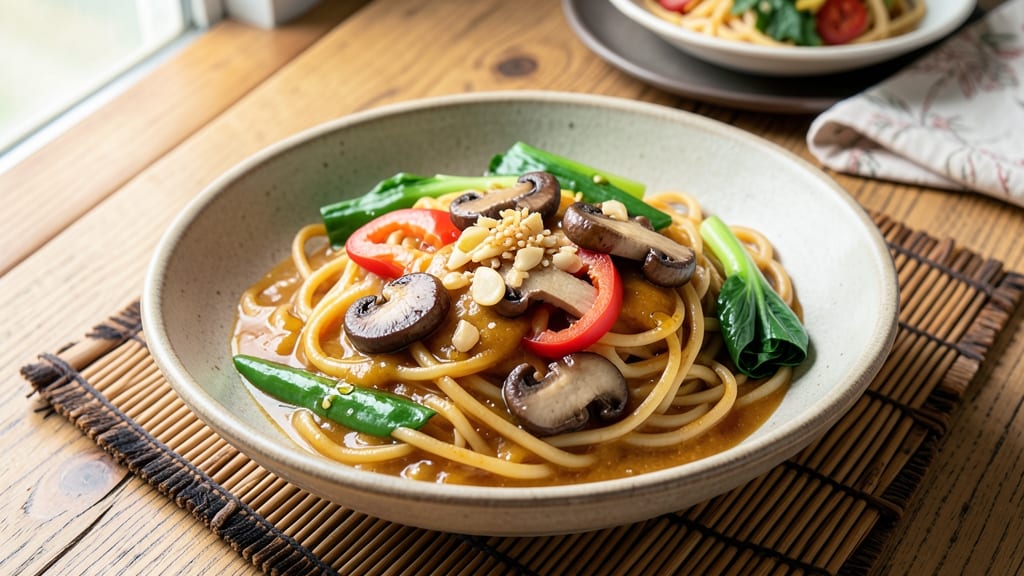
This Asian noodle stir-fry sauce recipe delivers the perfect umami-packed balance for restaurant-quality stir-fries in 10 minutes—no complicated techniques required. The secret lies in combining soy sauce, garlic, ginger, and sesame oil for a sauce that’s both bold and versatile, working equally well with fresh or dried noodles.
I developed this formula after years of testing, ensuring every spoonful delivers that signature savory depth without overpowering your dish.
The beauty of this sauce is its simplicity—just 5 core ingredients that come together in a quick simmer. Fresh garlic and ginger provide aromatic warmth, while soy sauce delivers that essential umami foundation.
A touch of honey or brown sugar balances the flavors, creating a sauce that’s tangy, slightly sweet, and deeply satisfying. What sets this apart is its adaptability: use it as-is for classic stir-fries or customize with chili paste, rice vinegar, or lime juice for modern twists.
By the time you finish blending these ingredients, you’ll have a glossy, aromatic sauce that clings perfectly to noodles and vegetables while enhancing every bite.
The sauce keeps well in the fridge for up to 5 days, making it ideal for meal prep—simply reheat and toss with your favorite stir-fry components. Whether you’re cooking for a weeknight dinner or a weekend feast, this sauce transforms simple ingredients into something extraordinary.
For extra depth, let the sauce sit for 10 minutes before using—this allows the flavors to meld and intensify. Pair it with sesame seeds or chopped scallions for garnish, and you’ve got a sauce that’s as impressive as it is easy to make. Let’s get cooking!
Ingredients for asian noodle stir fry sauce
Five core ingredients plus a few finishing touches transform into this restaurant-quality stir-fry sauce.
| Ingredient | Amount | Notes |
|---|---|---|
| Soy Sauce 🥄 | ½ cup | Light or dark variety preferred |
| Garlic Cloves 🧄 | 6 cloves | Freshly minced for maximum aroma |
| Fresh Ginger 🌿 | 2 tbsp | Finely grated, not minced |
| Sesame Oil 🫒 | 1 tbsp | Toasted sesame oil for nutty depth |
| Honey 🍯 | 1 tbsp | Or brown sugar for deeper caramel notes |
| Rice Vinegar 🍶 | 1 tbsp | White or seasoned vinegar works |
| Cornstarch 🌾 | ½ tsp | Dissolved in 1 tbsp water for thickening |
| Red Chili Flakes 🌶️ | ½ tsp | Adjust for desired heat level |
| Sesame Seeds 🌰 | 1 tsp | Toasted for garnish and crunch |
| Green Onion 🧅 | 2 whole | Chopped, for fresh garnish |
The soy sauce is the foundation—Kikkoman or Lee Kum Kee give the best umami punch, but any quality brand works. Fresh garlic and ginger are non-negotiable here: peel and mince the garlic right before using—it loses flavor fast once exposed to air. For ginger, buy a small knob and grate only what you need. Whole Foods or Asian markets carry the freshest ginger with vibrant color, but the regular grocery store works too if it's firm and free of soft spots. Sesame oil can be tricky—pick the toasted variety (not the flavorless kind) for that nutty aroma that makes this sauce sing.
No sesame oil? Avocado oil or neutral oil works in a pinch, but you'll miss the depth. Substitute honey with brown sugar or maple syrup for a deeper caramel note. The cornstarch slurry is key for that glossy finish—don't skip it. If you're making this for spicy stir-fries, add 1 tsp gochujang or sriracha along with the chili flakes. For a tangier version, swap rice vinegar for lime juice or mirin. The sesame seeds and green onions are purely for garnish—toss them in at the very end so they stay crisp. Need to make this ahead? Skip the garnish until serving.
This sauce keeps beautifully in the fridge for 5 days, sealed in an airtight container. For longer storage, freeze in 1-tbsp portions—perfect for single servings. The flavors actually improve after sitting for 10 minutes, so let it rest before using. Double the batch if you're prepping for the week—it's that good. Pro tip: Warm the sauce gently before tossing with noodles or veggies—cold sauce can make stir-fries taste flat. Garnish with extra sesame seeds or a sprinkle of toasted peanuts for crunch if you're feeling fancy.
Why You'll Love This Recipe
- Pantry Magic: I swear by this sauce—no fancy shopping list, just what’s already lurking in my cabinet. That jar of soy sauce, a few cloves of garlic, and a knob of ginger? Boom. Flavor unlocked with zero extra trips to the store.
- Umami Bomb: The honey cuts through the saltiness while the sesame oil adds that nutty depth—like a hug for your taste buds. Between us, this combo makes store-bought sauces look sad.
- Weeknight Workhorse: Toss it with leftover noodles, toss it with chicken, even drizzle it over cold rice. Honestly, I’ve used it for everything from takeout nights to packed lunches, and it never lets me down.
- Budget Flex: A single batch stretches for days—freeze half for when I’m too tired to think. Five bucks’ worth of ingredients, but it tastes like I spent hours slaving over a wok. (Spoiler: I didn’t.)
Step-by-step instructions for Asian noodle stir-fry sauce
This sauce comes together faster than you can say "wok hei." Let's build depth and balance in minutes.
Bloom the Aromatics in Sesame Oil
Heat a small saucepan over medium-low heat and add the 1 tablespoon sesame oil. Once the oil shimmers gently, add the 6 minced garlic cloves and 2 tablespoons finely grated fresh ginger. Cook for 1-2 minutes until the garlic turns a pale golden color and becomes fragrant—this is when it releases its full flavor potential.
Watch closely here; garlic burns quickly. If it starts to darken, reduce the heat immediately. The goal is aromatic intensity without bitterness. The ginger should soften slightly but remain distinct in the sauce. Remove the pan from heat once you smell that sweet, pungent aroma—this is your foundation.
Build the Sauce Base with Soy and Vinegar
Return the pan to medium heat and add the ½ cup soy sauce and 1 tablespoon rice vinegar. Stir constantly for 1-2 minutes until the mixture begins to simmer gently. This combination creates the perfect umami-sour balance that defines authentic stir-fry flavors.
Here's the thing—don't rush this step. The vinegar needs time to mellow slightly in the hot sauce. You'll notice tiny bubbles forming along the edges of the pan. This indicates the sauce is starting to reduce and concentrate. If it looks too thin at this point, don't worry; we'll thicken it in the next step.
Sweeten and Thicken the Sauce
Add the 1 tablespoon honey and stir to combine completely. The sauce should immediately become glossy and slightly syrupy in appearance. Return to medium heat and let it simmer for 3-4 minutes until it reduces by about 25%—you're looking for a consistency that coats the back of a spoon.
In a small bowl, whisk together the ½ teaspoon cornstarch with 1 tablespoon water until completely dissolved. Slowly pour this slurry into the simmering sauce while stirring constantly. The sauce will thicken dramatically within 30 seconds. If it becomes too thick, add 1 teaspoon water at a time until you reach that perfect coating consistency.
Finish with Heat and Freshness
Remove the pan from heat and stir in the ½ teaspoon red chili flakes. These will add subtle heat that brightens the entire sauce. Let the mixture sit off the heat for 1 minute to allow the flavors to meld completely. Taste and adjust seasoning if needed—you might want to add a touch more soy sauce for saltiness or honey for sweetness.
For the final touch, transfer the sauce to a bowl and stir in the 1 teaspoon toasted sesame seeds and 2 chopped green onions. These add contrasting textures and freshness that elevate the sauce from good to spectacular. The sesame seeds should be toasted to a golden color before adding for maximum nutty aroma.
Pro Tips For Making Asian Noodle Stir Fry Sauce
- MINCE THAT GINGER: Fresh ginger is stubborn—skip the peeler and just slice off the skin with a spoon, then chop it fine, not just rough chunks. I used to throw in thick slabs and wonder why my sauce tasted uneven; now it blends smoothly every time.
- FRY GARLIC FAST: Hit the garlic hard in a dry pan for 10 seconds until it’s just golden—no need to wait for full crispiness. Overcooking turns it bitter, and you’ll taste it in every bite. (Yes, even if you’re impatient like me.)
- DILUTE THE SOY LAST: Add honey and sesame oil first, then mix in soy sauce after the aromatics cook. This keeps the sauce from turning muddy and lets the garlic-ginger flavor shine. I learned this the hard way—my first batch tasted like soy sauce soup.
- USE COLD SESAME OIL: Drizzle sesame oil off the heat to preserve its nutty aroma—adding it while frying burns it off instantly. A splash at the end makes all the difference. (Your future self will notice.)
Pro cooking tips for great asian noodle stir fry sauce
Bloom Aromatics Properly
Cook the garlic and ginger in sesame oil over medium-low heat for just 1-2 minutes—this is where the magic happens. The oil should shimmer gently, not smoke. I use a small saucepan because it gives me better control over the heat.
If your garlic starts to brown too quickly, immediately reduce the heat to low or even remove the pan from heat for 10 seconds to let it cool slightly.
Freshly minced garlic releases its sweet, pungent aroma when cooked this way—never use pre-minced garlic from jars, as it loses flavor fast. 🧄
Reduce Sauce Correctly
When simmering the soy sauce and vinegar, aim for gentle bubbling—not a rolling boil. The sauce should reduce by about 25% (visually, it'll look thicker and more concentrated). I like to use a small stainless steel saucepan because it heats evenly and prevents scorching.
If your sauce reduces too quickly, lower the heat to medium-low and let it simmer slowly. The goal is to concentrate the flavors without burning them. Taste occasionally—you want that umami depth to develop naturally. 🔥
Cornstarch Slurry Secrets
The ½ teaspoon cornstarch dissolved in 1 tablespoon water is your thickening secret weapon. Whisk it thoroughly until completely smooth—no lumps allowed! Pour it in slowly while stirring constantly with a wooden spoon (it won’t scratch your pan). The sauce will thicken almost instantly—30 seconds max.
If it gets too thick, add ½ teaspoon water at a time until you reach that silky, glossy consistency perfect for stir-fries. Pro tip: Use arrowroot powder instead for a clearer sauce, but cornstarch gives a slightly chewier texture. ✨
Heat Control Matters
Never let this sauce boil vigorously—medium heat is your friend. High heat can cause the soy sauce to darken too quickly, making the sauce bitter. If you're unsure about your heat level, use a kitchen thermometer to aim for 180-200°F during simmering.
The sauce should bubble gently with small, steady bubbles along the edges. If you accidentally over-reduce it, don’t panic—just add 1 teaspoon water and let it simmer for another 30 seconds. The key is patience; rushing leads to uneven texture. 🌡️
Flavor Melding Time
After adding the chili flakes, let the sauce sit off the heat for 1 full minute. This resting period allows the flavors to marry perfectly—the heat from the chili flakes will mellow slightly, and the aromatics will deepen.
I often give mine 2-3 minutes of rest time if I’m prepping ahead. Taste before garnishing—you might want to adjust with ½ teaspoon more soy sauce for saltiness or ½ teaspoon honey for sweetness.
The sauce should be balanced: salty, slightly sweet, with a hint of acidity and subtle heat. 💫
Garnish Like a Pro
Toast your sesame seeds in a dry small skillet over medium heat for 30-45 seconds until golden and fragrant—don’t walk away or they’ll burn. Chop the green onions into ¼-inch pieces and set aside. Stir these into the sauce only at the very end so they stay crisp.
For extra flair, I sometimes add a sprinkle of toasted peanuts or crushed dried chili peppers for texture contrast. The garnish should enhance, not overpower—the sauce should still be the star of the show. 🌰
Nutrition facts
Frequently asked questions
Can I make this sauce without cornstarch?
Yes! For a corn-free version, substitute with 1 teaspoon arrowroot powder or 1 tablespoon tomato paste (for depth). If you prefer no thickener, the sauce will stay thinner but still delicious—just toss it with noodles immediately after cooking. For extra richness, add 1 tablespoon peanut butter when simmering the soy sauce.
How do I adjust the heat level?
Start with the ½ teaspoon chili flakes as written, then adjust to taste. For milder heat, reduce to ¼ teaspoon or omit completely. For spicier versions, add ½ teaspoon gochujang (Korean chili paste) or 1 teaspoon sriracha when simmering. Always taste before serving—you can't overdo it with heat!
What's the best way to store leftover sauce?
Transfer to an airtight container and refrigerate for up to 5 days. For longer storage, freeze in 1-tablespoon portions (perfect for single servings). Thaw overnight in the fridge—never at room temperature. The sauce thickens when cold, so stir well before reheating. Add ½ teaspoon water if it becomes too thick after reheating.
Can I use this sauce for non-noodle dishes?
This versatile sauce works perfectly for grilled meats, roasted vegetables>, or as a dipping sauce for spring rolls. For grilled chicken, brush it on during the last 5 minutes of cooking. For veggies, toss them in the sauce after roasting. The balance of sweet, salty, and umami makes it a great all-purpose sauce—just adjust thickness as needed for different applications.
Why does my sauce taste flat?
Flat flavor usually means the aromatics weren't cooked long enough or the sauce wasn't reduced properly. For next time: bloom the garlic and ginger for 2 full minutes in sesame oil until fragrant, and simmer the soy sauce mixture until it reduces by about 25%. Also ensure you're using fresh ginger (not powdered) and toasted sesame oil—these are flavor powerhouses! If it's already made, boost it with ½ teaspoon fish sauce or a splash of lime juice.