
Sauces & Condiments
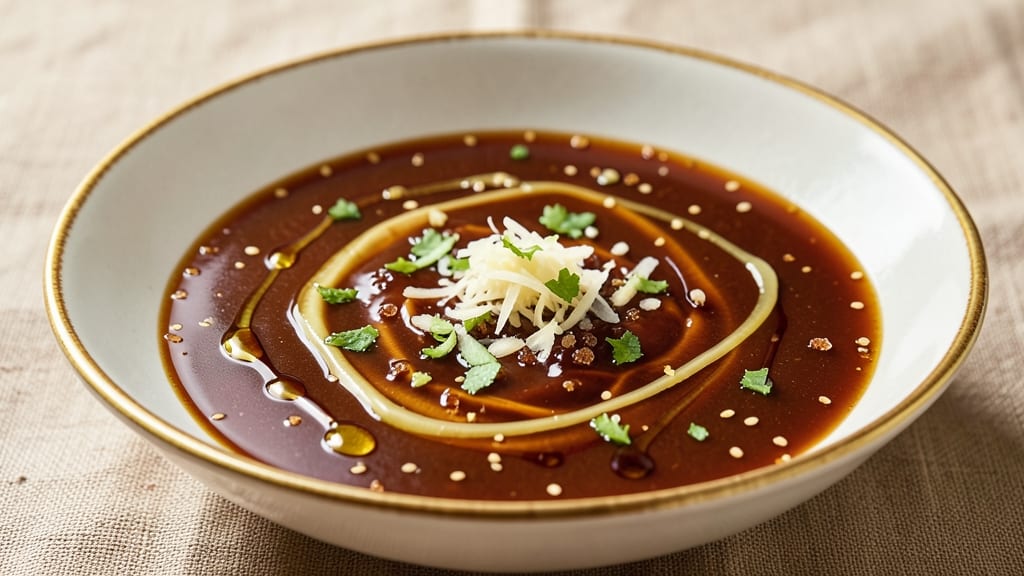
This Asian lo mein sauce recipe transforms ordinary noodles into restaurant-quality dishes with its velvety texture and balanced sweet-savory depth. The secret lies in simmering soy sauce, ginger, and garlic until the flavors meld, then brightening with a touch of rice vinegar for that signature zing.
I developed this after years of testing—it’s the one sauce that sticks to noodles perfectly without overpowering them.
The beauty of this sauce is its versatility—it works equally well for traditional lo mein, stir-fries, or even as a dipping sauce for dumplings. The hidden vinegar zing cuts through the richness while brown sugar adds subtle caramel notes that deepen over time.
What makes it stand out is the balance: salty, sweet, tangy, and umami all in one silky glaze.
With just 10 minutes of active prep, you’ll have a sauce that elevates any dish. The ingredients are simple—soy sauce, sesame oil, garlic, ginger, and a pinch of sugar—but the technique ensures restaurant-quality results. Let it simmer until thickened, then drizzle over hot noodles for that signature glossy finish.
Store leftovers in the fridge for up to a week, or freeze for longer shelf life. This sauce is your secret weapon for weeknight dinners, takeout nights, or impressing guests with homemade Asian flavors. Ready to make your noodles shine?
Ingredients for asian lo mein sauce
Nine simple ingredients create this restaurant-quality sauce that clings perfectly to noodles.
| Ingredient | Amount | Notes |
|---|---|---|
| Light Soy Sauce 🍶 | ½ cup | Kikkoman preferred for balance |
| Dark Soy Sauce 🍶 | ¼ cup | For deeper umami richness |
| Rice Vinegar 🍶 | 2 tbsp | Seasoned preferred for zing |
| Brown Sugar 🍬 | 2 tbsp | Lightly packed for caramel depth |
| Sesame Oil 🫒 | 1 ½ tbsp | Toasted, not flavored |
| Fresh Ginger 🧄 | 1 tbsp | Finely grated, aromatic |
| Garlic Cloves 🧄 | 3 cloves | Minced, not powdered |
| Cornstarch 🌾 | 1 tsp | For silky thickening |
| Water 💧 | ¼ cup | Room temperature preferred |
| Sesame Seeds 🌰 | 1 tsp | Toasted for garnish |
The soy sauces are non-negotiable—Kikkoman light and Lee Kum Kee dark give that perfect balance of saltiness and depth. I grab mine from Asian markets where they keep the bottles fresh, but any reputable grocery store carries them. For ginger, fresh is a must—the dried stuff just can't compete. Look for plump, firm rhizomes with no soft spots. Garlic should be freshly minced (not pre-minced from jars) for that bright, pungent kick. Sesame oil? Toasted, not flavored—the nutty aroma is what you want here.
No light soy sauce? Substitute with double the dark soy, but you'll lose that clean saltiness. Rice vinegar out of stock? Apple cider vinegar works in a pinch, though it's slightly less refined. Brown sugar too clumpy? Lightly pack it in the measuring spoon—don't tap it down. For the thickening, arrowroot powder at half the amount works too, but cornstarch gives that classic lo mein texture. Want extra umami? Add 1 tsp fish sauce (if not vegan) or 1 tsp soy sauce reduction—simmer 2 tbsp soy sauce until syrupy.
This sauce keeps beautifully—1 week in the fridge in an airtight jar, or 3 months frozen in ice cube trays for single servings. I always make a double batch because it disappears fast. The flavor actually improves after 24 hours as the ingredients meld, so don't hesitate to make it ahead. For leftovers, just reheat gently—no need to thin it out. A quick drizzle of toasted sesame oil before serving brings back that restaurant-fresh aroma every time.
Why You'll Love This Recipe
- Pantry Magic: I swear by this sauce because it’s made from things I already have—no special trips to the store. Just open the soy sauces, grab the vinegar, and stir. That’s it. The brown sugar cuts the saltiness perfectly, and the sesame oil? Tiny splash, massive flavor.
- Umami Bomb: The combo of light and dark soy sauce gives this a depth that’s hard to beat. It’s salty but not overpowering, with that little tang from rice vinegar that makes you want to lick the bowl. Honestly, I’ve made store-bought sauce before—this is better.
- Weeknight Workhorse: This sauce works for stir-fries, noodles, or even as a dipping sauce for dumplings. I keep a jar in the fridge because it’s my go-to when I’m too tired to think. Double the batch? It lasts for days, and the flavor only gets richer.
- Budget-Friendly Luxury: For under $5, you get a sauce that tastes like a restaurant takeout. No fancy ingredients, just smart swaps that deliver big time. Leftovers? Freeze half for next month—it’s that good. (Yes, even on a Tuesday night.)
Step-by-step instructions for Asian lo mein sauce
This sauce comes together in minutes but delivers restaurant-quality depth every time.
Bloom the Aromatics
Heat a small saucepan over medium-low heat and add the 1.5 tablespoons sesame oil. Let it warm for 30 seconds until shimmering—this activates the nutty flavors. Add the 3 minced garlic cloves and 1 tablespoon finely grated fresh ginger, cooking for 30-45 seconds until fragrant but not browned.
Watch closely here—ginger burns faster than garlic. If it starts to darken, reduce heat immediately. These aromatics form the flavor foundation, so don't rush this step. The oil should coat them evenly, creating a fragrant paste that will infuse the entire sauce.
Combine Wet Ingredients
Pour in the 0.5 cup light soy sauce and 0.25 cup dark soy sauce, stirring constantly to dissolve any sugar crystals. Add the 2 tablespoons brown sugar and 2 tablespoons rice vinegar, bringing everything to a gentle simmer over medium heat. Let it bubble for 2-3 minutes until slightly reduced and the sugars begin to caramelize.
Here's where the magic happens—the vinegar's acidity brightens the soy's umami while the brown sugar adds subtle sweetness. You'll see tiny bubbles form along the edges as the liquid thickens. If it looks too thin after 2 minutes, simmer another 30 seconds to concentrate the flavors.
Thicken the Sauce
In a small bowl, whisk together the 1 teaspoon cornstarch with the 0.25 cup water until completely dissolved. Slowly pour this slurry into the simmering sauce while stirring vigorously with a wooden spoon. Keep heat at medium and cook for 1-2 minutes until the sauce thickens to a glossy, velvety consistency.
This is your quality checkpoint—the sauce should coat the back of a spoon without being gluey. If it thickens too quickly, add 1-2 tablespoons water to adjust. The cornstarch creates that signature lo mein sheen while maintaining perfect balance between sweet, salty, and tangy notes.
Finish and Garnish
Remove the sauce from heat and stir in the 1.5 tablespoons sesame oil to enrich the flavor. Taste and adjust seasoning—you might need a pinch more salt or sugar depending on your soy sauce brands. Let it cool for 5 minutes before serving to allow flavors to meld.
For garnish, toast the 1 teaspoon sesame seeds in a dry skillet over low heat for 1-2 minutes until golden and fragrant. Sprinkle over the sauce just before serving to add texture and aroma. This sauce keeps well in the fridge for 5 days—perfect for batch cooking ahead of time.
Pro Tips For Making Asian Lo Mein Sauce
- STIR CONSTANTLY OVER LOW HEAT: I learned this the hard way—boiling the sauce too fast makes the brown sugar crystallize into a grainy mess. Keep the heat at a simmer, not a boil, and stir every 30 seconds until it thickens slightly. That way, the sugar dissolves smoothly and the flavors blend without burning.
- USE AGED SESAME OIL LAST: Cheap sesame oil burns fast and tastes bitter if added early. Save it for the final 30 seconds of cooking—just swirl it in at the end. That way, it adds aroma without turning the sauce acrid. (Yes, even if you're impatient like me.)
- DILUTE THE SOY SAUCES FIRST: Mixing light and dark soy sauces directly into hot oil can make the sauce clump or separate. Instead, whisk them together with the rice vinegar and brown sugar in a small bowl first, then pour in. This ensures a silky texture instead of a lumpy one.
- SWEETEN THE SAUCE GRADUALLY: Brown sugar can turn bitter if left too long in heat. Start with half the amount, let the sauce cook for 2 minutes, then taste and add the rest if needed. This keeps the sweetness balanced without burning. (Your future self will thank you.)
Pro cooking tips for this dish
Bloom Aromatics Properly
Don’t rush the 30-45 second bloom of garlic and ginger in sesame oil—this step builds flavor depth. Use medium-low heat to prevent burning, and stir constantly. I like to crush the garlic cloves slightly with the side of my knife before mincing to release more oils.
For extra aroma, add a pinch of red pepper flakes here if you want subtle heat. 🌶️
Simmer for Caramelization
The 2-3 minute simmer with soy sauces and vinegar is where the sauce transforms. Watch for tiny bubbles forming along the edges—they signal caramelization. If your sauce reduces too quickly, add 1 tablespoon water to prevent scorching.
I’ve found that using Kikkoman light soy sauce gives the cleanest base, while Lee Kum Kee dark soy adds that rich umami depth.
Cornstarch Slurry Secrets
Whisk the 1 tsp cornstarch with ¼ cup water until completely smooth—no lumps! Pour it in slowly while stirring vigorously to prevent clumping. For a glossier finish, add ½ tsp xanthan gum to the slurry instead.
The sauce should coat the back of a spoon but still drizzle smoothly—this is the perfect lo mein consistency. 💫
Adjusting Thickness
If your sauce thickens too fast, add 1 tbsp water at a time until you reach that silky texture. For extra body, simmer uncovered for 1 extra minute to evaporate excess moisture.
I’ve had this happen when using very fresh ginger—just reduce heat slightly and let it cook longer. The key is patience; don’t rush the thickening process.
Finishing Touches
Always finish with 1.5 tbsp sesame oil to enrich the flavor—this is what gives authentic lo mein its luxurious mouthfeel. Taste and adjust seasoning with a pinch of salt or sugar as needed.
For a restaurant-style touch, add ½ tsp fish sauce (if using) or a splash of oyster sauce for extra umami. Let it rest 5 minutes before serving to let flavors meld.
Storage Hacks
Store in an airtight jar in the fridge for up to 5 days, or freeze in ice cube trays for single servings. When reheating, add 1 tbsp water to prevent thickening. The sauce actually improves after 24 hours as flavors deepen—this is why I always make extra.
For leftovers, a quick drizzle of toasted sesame oil before serving brings back that fresh-from-the-wok aroma. ✨
Nutrition facts
Frequently asked questions
Can I make this sauce without cornstarch?
Yes, but the texture will be thinner. For a similar effect, use 1 teaspoon arrowroot powder instead—it creates a glossier finish. If you prefer no thickener, simmer the sauce uncovered for 5-7 minutes to reduce it naturally, but you'll lose some of that signature lo mein sheen.
How do I adjust this sauce for spicy lo mein?
Add ½ teaspoon red pepper flakes during the aromatic bloom step, or stir in 1 teaspoon sriracha at the end. For deeper heat, simmer 1 teaspoon gochujang (Korean chili paste) with the wet ingredients. Balance with extra brown sugar if needed—spice can make the sauce taste sharper.
Will this sauce work for cold noodle dishes?
The sauce's balanced flavors shine in cold dishes like zha cai ming (Chinese chilled noodles). Let it cool completely, then store in the fridge for 24 hours to let flavors meld. Add 1 extra tablespoon sesame oil before serving to enhance aroma. The vinegar's tang cuts through rich ingredients beautifully in cold preparations.
Can I use this sauce as a marinade?
Not directly—it's too thin and acidic for marinating proteins. However, you can use ½ cup of the sauce reduced by half (simmer until thick) as a marinade for 2-4 hours for chicken or tofu. The soy and vinegar will tenderize while adding flavor, but add 1 extra tablespoon oil to prevent drying.
Why did my sauce turn dark brown?
This likely happened from overcooking the aromatics or reducing too long. For next time, keep heat at medium-low during simmering and watch closely for 2-3 minutes max. If it's too dark, thin with 1 tablespoon water and add ½ teaspoon honey to balance. The dark soy sauce contributes some color, but fresh ginger can also darken quickly—use ½ teaspoon instead if needed.