
Sauces & Condiments
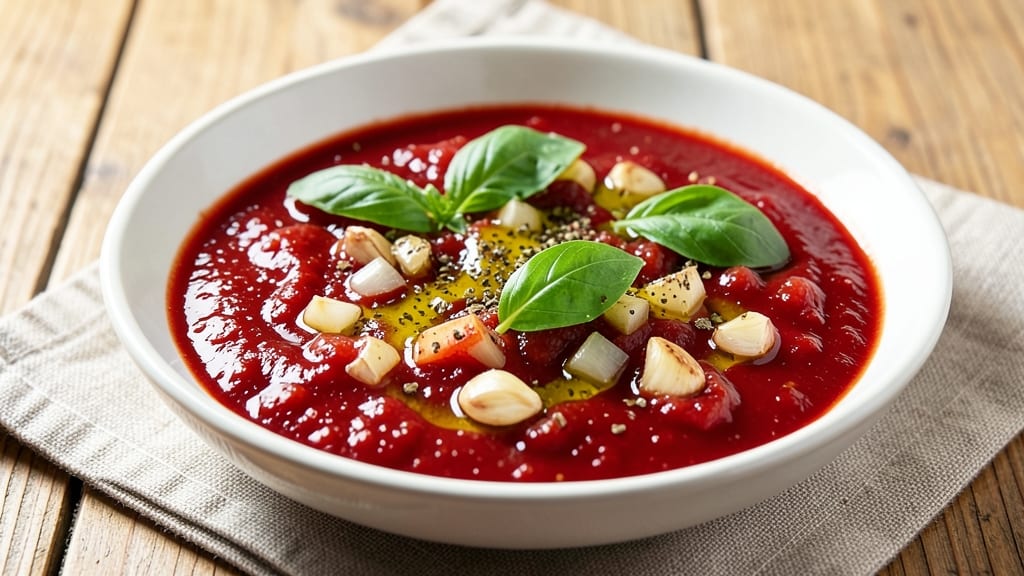
This all-day marinara sauce recipe transforms simple ingredients into a rich, slow-simmered sauce that elevates everything from pasta to pizza. The secret lies in low-and-slow cooking, which deepens flavors and creates a velvety texture that store-bought versions can’t match.
With just a few pantry staples and patience, you’ll have a versatile sauce that keeps its quality for days—ideal for meal prep or feeding a crowd.
The magic happens over hours of gentle simmering, allowing the tomatoes to break down into a smooth, concentrated base while garlic and herbs infuse their essence. No fancy techniques are needed—just time and attention to balance sweetness, acidity, and umami.
This sauce isn’t just for dipping; it’s the backbone of restaurant-quality dishes, ready to be customized with meat, seafood, or fresh herbs.
By the end, you’ll have a sauce so rich and flavorful it’ll make you question why you ever bought jarred marinara. The slow cooking process caramelizes the tomatoes naturally, creating a depth that’s impossible to replicate quickly.
Store it in the fridge for up to a week or freeze for months—because once you taste homemade, you’ll never go back.
Perfect for weeknight dinners, holiday gatherings, or even as a base for soups and stews, this marinara is a game-changer. Let’s get started—your taste buds will thank you.
Ingredients for all day marinara sauce
Ten simple ingredients that transform into restaurant-quality marinara through patience and love.
| Ingredient | Amount | Notes |
|---|---|---|
| San Marzano Crushed Tomatoes 🍅 | 28 oz | High-quality, canned, no salt added |
| Extra-Virgin Olive Oil 🫒 | ½ cup | Fruity, cold-pressed, for richness |
| Garlic Cloves 🧄 | 6 cloves | Peeled, roughly chopped for depth |
| Yellow Onion 🧅 | 1 whole | Medium size, diced finely |
| Fresh Basil Leaves 🌿 | ½ cup | Packed, stems removed, for aroma |
| Dried Oregano 🍃 | 1 tbsp | Mediterranean blend preferred |
| Sea Salt 🧂 | 1 ½ tsp | Diamond Crystal preferred |
| Freshly Ground Black Pepper 🌶️ | ½ tsp | For subtle heat |
| Red Wine Vinegar 🍷 | 1 tbsp | For bright acidity |
| Granulated Sugar 🍚 | 1 tsp | Balances acidity |
The tomatoes are non-negotiable—San Marzano is the gold standard because their sweetness and low acidity create a velvety texture. Trader Joe's and Whole Foods carry them year-round, and they keep for months in your pantry. Fresh basil is ideal, but dried oregano at one-third the amount works in a pinch. The olive oil matters too—skip the cheap stuff; California Olive Ranch or Colavita are reliable brands that won’t overpower the sauce. Garlic should be fresh, not that sad jarred stuff—it makes all the difference in flavor depth.
No red wine vinegar? White wine vinegar or lemon juice works, but the color will be lighter. Short on basil? Fresh parsley or thyme adds a nice twist, though basil’s floral notes are unmatched. The sugar balances the acidity—don’t skip it, or the sauce will taste sharp. For extra richness, add a tablespoon of tomato paste (the kind in squeeze tubes lasts forever). If you’re making this ahead, freeze half immediately—it’s even better after thawing because the flavors meld longer.
This sauce keeps for 1 week in the fridge, but it’s even better after 2-3 days when the flavors fully develop. For long-term storage, freeze in glass jars or silicone molds—it’s less likely to absorb odors. Label with the date; frozen marinara stays good for up to 6 months. I always double the batch—one for immediate use, one to freeze. The sauce thickens as it cools, so add a splash of water if it’s too stiff when reheating. Trust the process; slow cooking is the secret to that velvety, restaurant-quality texture.
Why You'll Love This Recipe
- This sauce works for everything: toss it with pasta for a quick dinner, slather it on garlic bread, or bring it to a picnic in a jar. I’ll be real—it’s my go-to for game day, too, because it’s reliable and always a crowd-pleaser.
- Simmer-and-Walk Away: I swear by this sauce because it’s the kind of dish you can start in the morning and forget about until dinner—just let those San Marzano tomatoes and garlic melt into something rich and deep. No hovering, no stirring every five minutes, just pure, hands-off magic.
- Garlic-Basil Magic: That first bite? The crushed tomatoes caramelize into something sweet and tangy, while the garlic and fresh basil hit like a bright, herby punch. Honestly, I’ve tried fancy store-bought sauces, but this one tastes like it was simmered in a Nonna’s kitchen—not a factory.
- Weeknight to Potluck Star: This sauce works for everything: toss it with pasta for a quick dinner, slather it on garlic bread, or bring it to a picnic in a jar. I’ll be real—it’s my go-to for game day, too, because it’s reliable and always a crowd-pleaser.
Step-by-step instructions for all-day marinara sauce
Transform simple ingredients into a rich, slow-simmered sauce that builds depth over time.
Sauté Aromatics Until Fragrant
Heat the 0.5 cup extra-virgin olive oil in a large, heavy-bottomed pot over medium heat. Add the 1 whole yellow onion, diced finely, and cook for 5 minutes until translucent and just beginning to soften. This foundational step develops sweetness that carries through the entire sauce.
Add the 6 cloves garlic cloves, roughly chopped, and cook for another 1-2 minutes until fragrant but not browned. Watch carefully—garlic burns quickly, and you want to preserve its sweet, mellow flavor rather than bitter notes. I stir constantly during this phase to prevent any scorching. The aromatics should be soft but still vibrant, forming the flavor base for everything that follows.
Build the Sauce with Tomatoes and Seasonings
Pour in the 28 oz San Marzano crushed tomatoes, stirring to combine with the aromatics. Add the 1 tbsp dried oregano, 1.5 tsp sea salt, 0.5 tsp freshly ground black pepper, 1 tbsp red wine vinegar, and 1 tsp granulated sugar. The vinegar brightens the acidity while the sugar gently balances the tomatoes' natural tartness—this is where the sauce starts to develop its signature complexity.
Bring the mixture to a gentle boil, then immediately reduce heat to low. Let it simmer uncovered for 45-60 minutes, stirring occasionally. This slow cook transforms the raw ingredients into a velvety texture. You'll notice the sauce thickens gradually as moisture evaporates, and the flavors meld into a cohesive whole. The key here is patience—rushing this step results in a thin, one-dimensional sauce.
Finish with Fresh Basil and Adjust Seasoning
After the initial simmer, add the 0.5 cup fresh basil leaves, packed and stems removed. Stir gently to incorporate the basil's bright aroma. Simmer for another 10-15 minutes until the basil softens slightly but doesn't turn to mush. The leaves should infuse the sauce with their signature freshness without overpowering the other flavors.
Taste and adjust seasoning if needed. I usually find the sauce needs a touch more salt or a splash of water to reach my preferred consistency—this is where you fine-tune the balance. The final sauce should coat the back of a spoon with a glossy sheen and have a rich, layered depth that makes it perfect for pasta or pizza. Let it cool slightly before serving, as the flavors continue to develop even after cooking.
Pro Tips For Making All Day Marinara Sauce
- Simmer Slow and Steady: I used to rush the cooking, thinking more heat meant faster flavor—but that just burns the garlic and makes the sauce taste bitter. Instead, keep it at a gentle bubble (a tiny simmer, not a rolling boil) for at least 2 hours. The longer it cooks, the deeper the sweetness from the tomatoes and the richer the garlic flavor gets.
- Sweat the Onion First: Skip the sizzle—this isn’t a stir-fry. Cook the diced onion in olive oil over low heat for 8–10 minutes until it’s translucent and just starting to caramelize. That soft, sweet base is what makes the sauce taste like it simmered all day, not 30 minutes.
- Crush Garlic, Don’t Mince: I learned this the hard way—minced garlic burns in minutes, turning the sauce bitter. Instead, smash 3–4 cloves with the flat side of your knife (leave the skin on) and cook them whole in the oil for 2–3 minutes until fragrant but not browned. Then remove them before adding tomatoes—your sauce will thank you.
- Add Basil Late: Fresh basil wilts and turns bitter if cooked too long. Tear a handful of leaves (not chopped—they’ll turn to mush) and stir them in only in the last 10 minutes. If you’re serving it immediately, add them right before plating—this keeps the flavor bright and the color vibrant.
Best sauces and condiments for these flavors
Classic Marinara Pairings
This sauce shines with al dente spaghetti—toss it with 8 oz pasta and a splash of pasta water to create the perfect sauce-to-noodle ratio. For pizza, spread it thinly on a pre-baked crust, then top with mozzarella and fresh basil before baking.
The slow-simmered depth makes it ideal for lasagna layers too—just mix with ricotta for a restaurant-worthy filling. 🍝
Meat and Seafood Upgrades
Brown 8 oz Italian sausage or ground beef in olive oil first, then deglaze with a splash of red wine before adding the sauce. For seafood lovers, stir in cooked shrimp or mussels in the final 5 minutes of simmering to keep them tender.
The sauce’s acidity cuts through rich proteins beautifully, balancing flavors perfectly.
Dipping Sauce Potential
Thin the sauce with ¼ cup warm water or chicken broth to create a dippable consistency for garlic bread, mozzarella sticks, or veggie crudités. Add a pinch of red pepper flakes for heat or a drizzle of balsamic glaze for sweetness.
Serve warm with crusty ciabatta for an easy appetizer that disappears quickly.
Global Twist Variations
For a Mexican-inspired twist, stir in 1 tsp ground cumin and ½ tsp smoked paprika during the simmer. For a Thai-inspired version, add 1 tbsp fish sauce and 1 tsp lime zest at the end.
Both adaptations keep the sauce’s velvety texture while adding exciting new dimensions. The slow-cooked base makes it surprisingly adaptable!
Sauce Storage Hacks
Freeze half the batch in silicone ice cube trays for single-serving portions—just pop out what you need and reheat. For longer storage, freeze in glass jars with 1-inch headspace to prevent cracking.
Label with the date; thaw overnight in the fridge and stir to restore consistency. The flavors actually improve after freezing, making this sauce a meal-prep superstar. ❄️
Nutrition facts
Frequently asked questions about all-day marinara sauce
Why does this marinara sauce need to simmer for so long?
The extended simmering time (over 1 hour) is what creates that restaurant-quality depth. Slow cooking breaks down the tomatoes into a velvety texture while allowing flavors to meld naturally. This transforms simple ingredients into a complex sauce with layers of sweetness, acidity, and umami that you won't find in quick recipes. Think of it as flavor development on steroids!
Can I make this sauce in a slow cooker instead of on the stove?
Follow the same steps for sautéing aromatics, then transfer everything to your slow cooker. Cook on low for 6-8 hours or high for 3-4 hours with the lid slightly ajar for the last 30 minutes to thicken. The slow cooker method actually enhances the sauce's tenderness even more. Just stir occasionally and add fresh basil in the last 15 minutes of cooking.
What if my sauce turns out too thick or too thin?
For a thicker sauce, simmer uncovered for 10-15 extra minutes to reduce. If it's too thick after cooling, stir in 1-2 tablespoons of water or broth at a time until you reach your desired consistency. For a thinner sauce, add ¼ cup water or broth during cooking and stir well. Remember, the sauce will thicken further as it cools, so adjust while it's still warm.
How can I make this sauce spicier?
Add ½ teaspoon red pepper flakes during the initial simmer for mild heat, or 1 teaspoon cayenne pepper for serious kick. For a smoky dimension, stir in ½ teaspoon smoked paprika with the other spices. You can also add fresh chili peppers like jalapeños or serranos (seeds removed) during the final 10 minutes of cooking. Taste as you go and adjust to your preferred heat level!
Can I use this sauce for dishes other than pasta?
This versatile sauce works beautifully for pizza bases, lasagna layers, stuffed peppers, meatball subs, and even as a dipping sauce for breadsticks or mozzarella sticks. For dipping, thin it slightly with water or broth. The slow-cooked depth makes it perfect for braising proteins too—try using it as a sauce for chicken or pork chops. The possibilities are endless!