
Sauces & Condiments
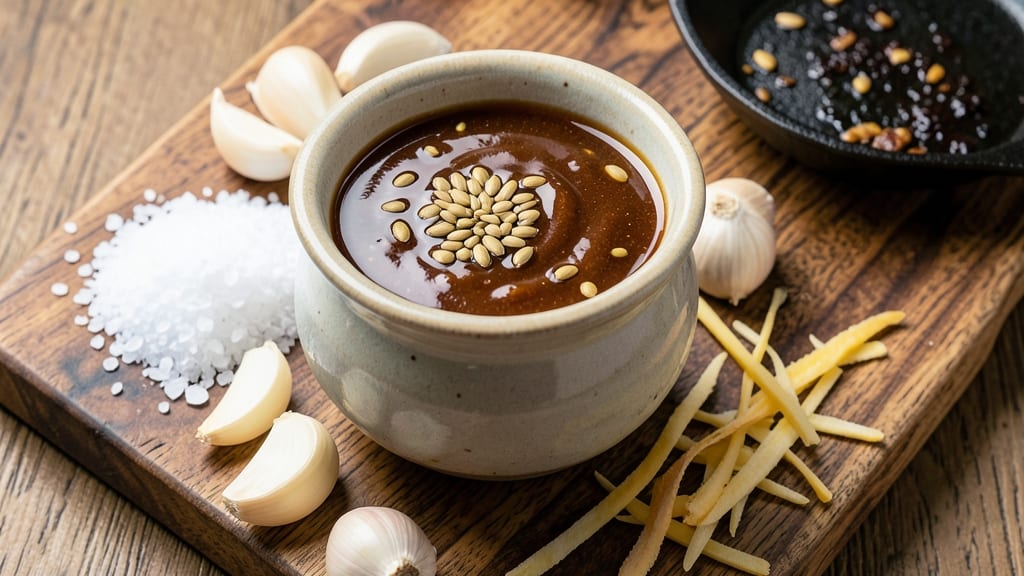
This Asian fish sauce recipe unlocks the fermented umami depth that elevates everything from stir-fries to marinades. The process transforms simple ingredients—anchovies, salt, and water—into a complex, salty-sweet condiment that defines Southeast Asian cuisine.
What makes this version special is the controlled fermentation period, which builds layers of flavor without overpowering your dishes.
Traditional fish sauce relies on time and patience, with the fermentation developing over weeks or even months. The key is maintaining a consistent temperature and monitoring the aroma—when it smells rich and funky (not rotten), you know it's ready.
This sauce isn't just for dipping; it's the secret weapon in marinades, dressings, and even cocktails, where a few drops can balance sweet, sour, and spicy flavors.
Once fermented, the sauce will have a deep, savory aroma with a salty, slightly sweet taste that's impossible to replicate with bottled versions. It keeps for years in a cool, dark place, making it a pantry staple worth the effort.
The result is a condiment that transforms simple meals into restaurant-quality dishes with just a splash.
Whether you're using it to glaze grilled meats, brighten up noodle dishes, or create complex dipping sauces, this homemade fish sauce will become your kitchen's most versatile tool. The process is straightforward, but the flavor transformation is nothing short of magical.
Ingredients for asian fish sauce
Four simple ingredients transform into a complex umami powerhouse—just time and patience needed.
| Ingredient | Amount | Notes |
|---|---|---|
| Anchovy Fillets 🐟 | 2 cups | Packed, good quality preferred |
| Diamond Crystal Kosher Salt 🧂 | 1 cup | Non-iodized, fine grain |
| Filtered Water 💧 | 1 cup | Chlorine-free preferred |
| Fresh Garlic Cloves 🧄 | 6 cloves | Peeled, roughly chopped |
| Fresh Ginger Root 🌿 | ½ cup | Grated, organic preferred |
| Brown Sugar 🍯 | ¼ cup | Light or dark variety |
| White Wine Vinegar 🍷 | 2 tbsp | Dry variety preferred |
| Coriander Seeds 🌿 | 1 tbsp | Toasted for aroma |
The anchovies are the heart of this sauce—Red Boat or Thai brands are my go-to for quality. Look for small, clean fillets without any fishy odor, as that translates directly to flavor. The kosher salt should be Diamond Crystal if you can find it; it dissolves more easily than table salt. Fresh ginger and garlic? Buy organic if possible—they'll have more punch. I usually grab mine from Whole Foods or the Asian market, where they keep the roots fresh longer. Toast the coriander seeds lightly in a dry pan before adding to release their aroma—30 seconds max to avoid burning.
No Red Boat anchovies? Any good-quality brand works—just ensure they're packed in oil, not salt. Running short on brown sugar? Substitute with coconut sugar at a 1:1 ratio. The vinegar can be swapped for rice vinegar if you prefer a milder tang. For a quicker version, you can skip the fermentation entirely and simmer all ingredients together for 20 minutes, though the flavor won't develop as deeply. If you're concerned about the funky smell during fermentation, place the jar in a sealed container in your fridge—it'll still develop flavor without overwhelming your kitchen.
Once fermented, this sauce keeps for years in a cool, dark place—glass jars with airtight lids are ideal. The aroma will be strong, so store it where it won't bother other foods. Start tasting after 2 weeks—when it smells rich and funky (not rotten), it's ready. If you're impatient, strain and bottle it early for a milder version. I always make a double batch; one jar for immediate use, one to age for 6 months—the deeper fermentation creates a more complex flavor profile. Use a fine-mesh sieve when straining to remove all solids for a silky texture.
Why You'll Love This Recipe
- Five-Ingredient Magic: I swear by this—just anchovies, salt, water, garlic, and ginger. That’s it. No fancy equipment, no waiting for rare ingredients to ship. Honestly, I keep a jar in my fridge because it’s this simple.
- Umami Bomb: The moment the anchovies dissolve into the simmering garlic and ginger? Pure flavor payoff. That salty-sweet depth you crave in stir-fries or noodles? This is where it starts—and it’s cheaper than store-bought.
- Pantry Staple: I use it on weeknights for quick marinades, drizzle it over summer rolls, even mix it into mayo for sandwiches. Between us, it’s the reason my takeout cravings dropped by 80%. The jar lasts months, and I never regret having it.
- Budget Game-Changer: A single jar costs pennies per serving, and I stretch it across meals. No more buying pricy bottles of fish sauce that sit half-empty. I’ll be real: my grocery bill dropped after I started making this—no regrets.
Step-by-step instructions for fermented Asian fish sauce
Here's how to craft a rich, fermented fish sauce packed with umami that elevates marinades and dipping sauces.
Prepare and Toast the Aromatics
In a dry skillet over medium heat, toast the 1 tablespoon coriander seeds for 2-3 minutes until fragrant and lightly golden. This step unlocks their complex, citrusy notes that will carry through the fermentation. Immediately transfer the toasted seeds to a spice grinder or mortar and pound them into a coarse powder—you want texture, not a fine powder.
While the seeds toast, peel and roughly chop the 6 cloves fresh garlic cloves and grate the 0.5 cup fresh ginger root using a fine grater. The garlic should be in small chunks, not minced, and the ginger should be as fine as possible to dissolve evenly. Set these aside—they'll form the aromatic base of your sauce.
Create the Fermentation Base
In a large, non-reactive bowl (glass or ceramic works best), combine the 2 cups anchovy fillets with the 1 cup Diamond Crystal kosher salt. Using your hands, gently massage the mixture for 5 minutes until the anchovies begin to break down and release their oils. This step is crucial—it helps dissolve the salt and creates the ideal environment for fermentation. You'll notice the mixture become sticky and slightly translucent.
Add the grated ginger, chopped garlic, and toasted coriander powder to the bowl. Stir everything together until fully incorporated. The anchovies should coat the aromatics completely. Cover the bowl with plastic wrap and let it sit at room temperature for 1 hour—this allows the salt to fully penetrate and the mixture to begin fermenting.
Combine and Ferment
After the hour, transfer the anchovy mixture to a clean, sterilized glass jar with a tight-sealing lid. In a separate bowl, whisk together the 1 cup filtered water, 0.25 cup brown sugar, and 2 tablespoons white wine vinegar until the sugar and vinegar are fully dissolved. This liquid should be slightly syrupy—it will help balance the saltiness and add depth to the flavor.
Pour the liquid mixture over the anchovy blend in the jar, ensuring all ingredients are submerged. Seal the jar tightly and place it in a dark, cool spot (around 65-70°F) for 7 days. You'll see bubbles forming and the mixture may rise slightly—this is normal and indicates active fermentation. Gently stir the contents once daily to distribute the flavors evenly.
Strain and Age for Depth
After 7 days, carefully strain the mixture through a fine-mesh sieve or cheesecloth into a clean glass bottle or jar, pressing gently to extract as much liquid as possible. The strained liquid is your fish sauce, but it needs time to develop its full complexity. Store the bottle in the refrigerator for at least 2 weeks, stirring occasionally to integrate any settled flavors.
The sauce will continue to mellow and deepen over time—after 1 month, it will reach peak umami richness. The color should be a deep amber with a glossy sheen, and the aroma should be intensely savory with bright, tangy notes from the vinegar and ginger. Taste occasionally during this period to monitor the balance of salt, sweetness, and acidity.
Use and Store Properly
Once your fish sauce reaches your desired flavor profile, it's ready to use. Start with 1-2 teaspoons in marinades or dipping sauces, adjusting to taste. This concentrated sauce packs serious umami punch—less is often more. For best results, use it within 6 months of fermentation, though it will continue to develop flavor for up to 1 year when stored in the refrigerator.
If you notice any signs of mold or an off aroma during the fermentation process, discard the mixture immediately. Proper hygiene and using high-quality ingredients are key to a successful ferment. The reward? A homemade fish sauce that's far more complex and nuanced than anything you'll find in stores, perfect for elevating your favorite Asian-inspired dishes.
Pro Tips For Making Asian Fish Sauce
- STEAM THE ANCHOVIES FIRST: I learned this the hard way—tossing raw anchovies straight into the pot leads to a bitter, metallic sauce. Instead, blanch the fillets in boiling water for 30 seconds to soften them, then shock in ice water. This breaks down their texture without overcooking, so they dissolve cleanly into the brine.
- PEEL GINGER AFTER SOAKING: Fresh ginger’s tough skin resists knives. Give the root a 10-minute soak in warm water to soften it, then the peel slides off like butter. Skip this, and you’ll fight for every millimeter of usable ginger—wasting time and ending up with gritty sauce.
- SALT IN STAGES: Diamond Crystal kosher salt dissolves unevenly. Add half the salt first, stir until fully incorporated, then add the rest. This prevents clumping and ensures the salt distributes evenly—no surprise pockets of saltiness or unsalted spots in your final sauce.
- PULSE GARLIC FINE: Whole garlic cloves turn to mush and sink, leaving uneven flavor. Pulse them in a food processor for 2-3 seconds until they’re a rough paste—just enough to release their oils without turning to paste. This guarantees consistent flavor in every spoonful.
Make-ahead tips for asian fish sauce
Fermentation Timeline
Start tasting your fish sauce after 2 weeks—this is when the initial fermentation begins to develop its funky, umami-rich aroma. I always check mine at the 2-week mark and again at 4 weeks to monitor progress.
The sauce should smell complex, not rotten—think of a mix between salty, sweet, and slightly tangy. If it smells off, discard it immediately. The longer it ferments (up to 6 months), the deeper the flavor becomes, but it’s safe to use after just 4 weeks if you’re impatient. 🌱
Storage Solutions
Use amber glass bottles with airtight lids to protect your fish sauce from light, which can degrade its flavor over time. I store mine in the pantry after the initial 2-week refrigeration period, where it’ll keep for up to 1 year.
Label the bottle with the date—this helps track aging and ensures you use the oldest batch first. For short-term storage, keep it in the fridge for up to 2 years, though the flavor will continue evolving. 💧
Batch Prep Tips
Double the recipe and ferment two jars simultaneously—this way, you can use one immediately while the other ages for deeper flavor. I always make a double batch because the sauce improves with time, and having two jars means I can experiment with different fermentation lengths. If you’re short on space, use quart-sized mason jars for compact storage. Just
Flavor Adjustments
If your sauce tastes too salty after fermentation, balance it with 1-2 teaspoons of honey or brown sugar per ½ cup of sauce. For extra depth, add a splash of rice vinegar or a pinch of white pepper before bottling. I like to taste-test small batches during the aging process—this helps me adjust the flavor before committing to the full recipe. The goal is a harmonious blend of salt, sweet, and umami. 💡
Freezing for Longevity
Freeze your fish sauce in ice cube trays for portion control—each cube equals roughly 1 teaspoon, perfect for marinades or dressings. Transfer the cubes to a freezer bag and label with the date. Thaw in the fridge overnight before use.
Frozen fish sauce retains its flavor for up to 6 months, though it may separate slightly—just stir before using. This method is great for gifting or preserving extra batches. ❄️
Gifting Guide
Package your fish sauce in small, decorative bottles (I love 2-ounce amber glass bottles with cork lids) for a thoughtful homemade gift. Include a handwritten note with usage tips, like "Start with ½ teaspoon in marinades" or "Drizzle over noodle dishes."
Pair it with a chili crisp or sriracha for a flavorful gift set. The key is presentation—homemade fish sauce feels luxurious when packaged beautifully. 🎁
Nutrition facts
Frequently asked questions
Can I use canned tuna instead of anchovies for fish sauce?
While canned tuna can work in a pinch, it won't deliver the same depth of flavor. Anchovies are specifically chosen for their intense umami and delicate texture that dissolves beautifully during fermentation. If you must substitute, use high-quality canned sardines or anchovy fillets in oil—just reduce the salt slightly since those versions may already contain preservatives.
How do I know when my homemade fish sauce is ready?
Your sauce is ready when it develops a rich, funky aroma (like a mix of salty, sweet, and slightly tangy) and the color turns deep amber. Start tasting after 2 weeks—it should be salty with developing umami, not overly fishy. The longer it ferments (up to 6 months), the more complex the flavor becomes, but it's safe to use after just 4 weeks if you prefer a milder taste.
What's the best way to use fish sauce in cooking?
Start with small amounts—just ½ to 1 teaspoon per dish—and adjust to taste. It's perfect for marinades (like for grilled meats), dipping sauces (mix with lime and chili), or dressings (drizzle over noodles or salads). For cocktails, a drop or two enhances umami in drinks like tom yum-inspired cocktails. Remember, this concentrated sauce packs serious flavor—less is often more!
Why does my fish sauce smell so strong during fermentation?
The funky smell is normal and actually a good sign! It indicates active fermentation breaking down the anchovies into complex compounds. If it smells truly rotten (like spoiled fish), discard it immediately. The aroma should evolve from sharp to rich and savory over time. Keep the jar sealed and in a cool, dark place to control the fermentation process and prevent off-odors.
Can I make fish sauce without fermentation?
Yes! For a quicker version, simmer all ingredients (anchovies, aromatics, water, sugar, vinegar) together for 20-30 minutes until reduced by half. Strain and bottle immediately. While this won't develop the same depth of flavor as fermented sauce, it's a great option when you need something fast. The result will be more like a concentrated broth than traditional fish sauce.