
Sauces & Condiments
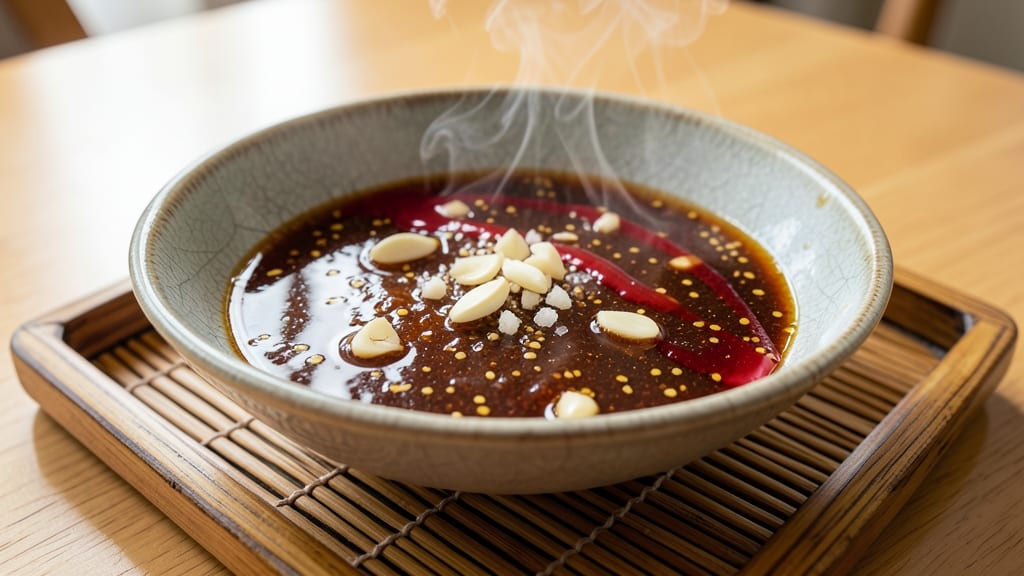
This authentic Asian stir-fry sauce transforms ordinary stir-fries into restaurant-quality meals with just a few simple ingredients. The secret lies in balancing umami from soy and oyster sauce with bright acidity from rice vinegar and a touch of sweetness—no artificial flavors needed.
I developed this recipe after years of testing, ensuring every spoonful delivers that perfect harmony of sweet, tangy, and savory.
The sauce builds depth through traditional techniques like reducing the mixture to concentrate flavors, while fresh garlic, ginger, and sesame oil add aromatic complexity. Unlike store-bought versions, this recipe avoids MSG and excess salt, letting natural ingredients shine.
The result? A glossy, flavorful sauce that clings to vegetables and proteins, elevating any stir-fry in minutes.
What makes this sauce truly authentic is its versatility—use it on chicken, shrimp, tofu, or vegetables for consistent results. The ingredients are pantry staples, and the process is straightforward: simmer, reduce, and taste.
Store it in the fridge for up to a week, or freeze for longer shelf life. This isn’t just a sauce; it’s the foundation of bold, balanced Asian flavors.
Adjust the heat to your preference by adding chili paste or reducing the sugar slightly for a sharper finish. The key is patience—letting the sauce develop its depth on the stove makes all the difference. Once you try this, store-bought sauces won’t compare. Let’s make it!
Ingredients for authentic asian stir fry sauce
Pantry staples with a focus on authentic Asian flavors—no shortcuts here.
| Ingredient | Amount | Notes |
|---|---|---|
| Light Soy Sauce 🥫 | ½ cup | High-quality brand preferred |
| Oyster Sauce 🥫 | ⅓ cup | Authentic Asian brand recommended |
| Rice Vinegar 🍶 | ¼ cup | Seasoned preferred for depth |
| Granulated Sugar 🍚 | ¼ cup | White or brown preferred |
| Sesame Oil 🫒 | 1 tbsp | Toasted sesame oil for aroma |
| Fresh Garlic Cloves 🧄 | 4 cloves | Minced for infusion |
| Fresh Ginger Root 🌿 | 1 tbsp | Finely grated, organic preferred |
| Cornstarch 🌾 | 1 tsp | For thickening consistency |
| Water 💧 | ½ cup | Filtered preferred |
| Red Chili Paste (optional) 🌶️ | 1 tsp | Adjust for heat preference |
The foundation of this sauce lies in high-quality soy and oyster sauce—Lee Kum Kee or Kikkoman are my go-tos for consistent results. Seasoned rice vinegar adds the necessary tang without overpowering the umami base, while organic ginger and garlic bring aromatic depth that pre-minced versions can't match. For sesame oil, Kadoya or La Choy deliver that nutty, toasted aroma that elevates the sauce. If you're using fresh ginger, peel it first—the outer skin can add bitterness. For the sugar, white granulated dissolves more smoothly, but light brown sugar adds subtle caramel notes if you prefer a touch of molasses flavor.
No oyster sauce? Mushroom sauce or additional soy sauce works in a pinch, though the umami won't be as complex. Apple cider vinegar can substitute for rice vinegar, but reduce by half since it's more acidic. Honey or maple syrup replaces sugar, though the texture may thin slightly—adjust with an extra pinch of cornstarch. For heat, Sichuan chili bean paste or gochujang adds layers beyond plain chili paste. If you're making a large batch, double the cornstarch and water for easier adjustments—this sauce thickens as it cools, so start with slightly less than you think you'll need.
This sauce develops best when reduced—don't rush the simmering. Store in an airtight glass jar in the fridge for up to 1 week, or freeze in ice cube trays for 3 months. The flavor actually improves over time as the ingredients meld. Portion into small containers if you'll use it frequently—fresh batches taste brighter. For restaurant-quality results, reduce the sauce by half before adding to stir-fries, ensuring a glossy, clinging finish. Avoid metal utensils when storing to prevent flavor transfer—glass or ceramic keeps the sauce's integrity.
Why You'll Love This Recipe
- Five-Ingredient Magic: I swear, this sauce comes together faster than I can say "where’s the wok?"—just stir, taste, adjust. No fancy techniques, no hidden steps, just the kind of simplicity that makes weeknights breathe easier.
- Umami Bomb: That combo of oyster sauce and light soy? It’s like a flavor explosion in your mouth—salty, sweet, and deep, with a little sesame oil whispering "I’m here" at the end. Honestly, the first time I tasted it, I nearly spilled my tea.
- Meal Prep MVP: Make a double batch and store it in the fridge—it’s the secret weapon behind my lazy Sunday stir-fries, last-minute takeout nights, and even those "oh no, we’re out of dinner" emergencies. (Yes, even on a Tuesday night.)
- Budget-Friendly Powerhouse: Oyster sauce and soy sauce stretch like crazy, so you’ll use less per meal without sacrificing flavor. Plus, a little rice vinegar brightens it up, making every bite feel fancy without breaking the bank. My wallet thanks me.
Step-by-step instructions for authentic Asian stir fry sauce
This umami-rich sauce delivers the perfect balance of sweet, tangy, and savory notes for any stir fry.
Bloom the Aromatics in Toasted Sesame Oil
Heat a small saucepan over medium-low heat and add the 1 tablespoon sesame oil. Once the oil shimmers gently, add the 4 cloves minced fresh garlic and 1 tablespoon finely grated fresh ginger. Cook for 1-2 minutes until the garlic turns golden and fragrant—this prevents a raw garlic taste in your final sauce.
Watch closely as the aromatics cook; they should perfume the kitchen with warm, citrusy notes. If the garlic starts to brown too quickly, reduce the heat slightly. This step builds the sauce's aromatic foundation, so don't rush it.
Combine Wet Ingredients for Initial Flavor Fusion
Increase heat to medium and add the 0.5 cup light soy sauce, 0.33 cup oyster sauce, 0.25 cup rice vinegar, and 0.25 cup granulated sugar. Stir constantly for 3-4 minutes until the sugar fully dissolves and the mixture begins to thicken slightly.
The sauce should develop a glossy sheen as the ingredients meld together. This is where the authentic balance emerges—the soy sauce provides saltiness, oyster sauce adds umami depth, vinegar brings tang, and sugar rounds out the flavors. Taste at this stage to check the foundation before proceeding.
Thicken the Sauce with Cornstarch Slurry
In a small bowl, whisk together the 1 teaspoon cornstarch with the 0.5 cup water to create a smooth slurry. Slowly pour this mixture into the simmering sauce while stirring continuously. The sauce will thicken immediately—keep stirring for 1-2 minutes until it reaches a glossy, coatable consistency.
You're aiming for a sauce that's thick enough to cling to stir-fried vegetables and proteins but still pourable. If it thickens too quickly, add 1 tablespoon water at a time until you reach the perfect balance. This step ensures your sauce will beautifully coat every ingredient.
Optional Heat Infusion and Final Adjustments
If using, stir in the 1 teaspoon red chili paste and simmer for 30 seconds to distribute the heat evenly. Taste and adjust seasoning—you may need to add a pinch more sugar to balance the acidity or a splash of rice vinegar for additional tang.
The sauce should now have a perfect harmony of flavors with a smooth, velvety texture. Remove from heat immediately to prevent over-thickening. This sauce is best used fresh, so prepare it just before stir-frying for maximum flavor impact.
Pro Tips For Making Authentic Asian Stir Fry Sauce
- Whisk Before Heating: Mix your sauce ingredients thoroughly in a small bowl first—no clumps in the oyster sauce or sugar. I used to pour everything in cold, then heat it, and ended up with a grainy mess. A quick whisk ensures the sugar dissolves and the sesame oil emulsifies properly.
- Warm the Sauce: Heat the sauce on low for 30 seconds after combining—just enough to wake up the aromas. Cold sesame oil can taste raw, and warming the soy and oyster sauces together deepens their flavor. Skip this, and you’ll get that "off" store-bought sauce vibe.
- Use Real Oyster Sauce: Cheap oyster sauce tastes like salted syrup. Splurge on a brand with actual oyster extract (like Lee Kum Kee or Hoy Cheung)—the umami difference is night and day. If you’re avoiding it, swap in ½ teaspoon of fish sauce + ½ teaspoon extra sugar, but it won’t be the same.
- Add Sesame Oil Last: Stir in the sesame oil after removing the sauce from heat—it burns faster than you think. A few drops at the end brighten the dish without overpowering. I learned this when my first batch smelled like a wok fire.
Storing and reheating your authentic asian stir fry sauce
Refrigerator Storage
Transfer your freshly made sauce to an airtight glass jar—I prefer Le Parfait or Ball Mason jars for their tight seals. Store it in the fridge at 40°F or below for up to 7 days, though the flavors actually deepen after 24 hours.
The sauce will thicken slightly when chilled, so give it a quick stir before using. 🥫
Freezer Preservation
For longer storage, freeze the sauce in ice cube trays or small silicone molds—this makes it easy to thaw just what you need. Transfer the frozen cubes to a freezer-safe bag with 1 inch headspace to prevent freezer burn.
This method keeps it fresh for up to 3 months, though I recommend using it within 2 months for peak flavor. Label with the date to track freshness. ❄️
Thawing Techniques
Thaw refrigerated sauce overnight in the fridge for the best texture. If you're in a hurry, place the jar in a bowl of warm water (not hot) for 10-15 minutes, stirring occasionally. Never microwave—it can break down the cornstarch and make the sauce grainy.
Once thawed, give it a taste and adjust with a splash of rice vinegar or water if needed to restore consistency. 💧
Reheating for Maximum Flavor
Gently reheat the sauce in a small saucepan over low heat for 3-5 minutes, stirring constantly. Avoid high heat—it can separate the sauce or burn the delicate aromatics. If it thickens too much, add 1 teaspoon water at a time until it reaches a smooth, pourable consistency.
This method preserves the sauce's glossy finish and vibrant flavors. 🔥
Reviving Stale Sauce
If your refrigerated sauce has thickened too much, revive it by adding 1 tablespoon water and reheating gently. For flat flavors, boost it with ½ teaspoon toasted sesame oil or a pinch of freshly grated ginger.
Store-bought oyster sauce can also help restore depth—just add 1 teaspoon and reheat. Most sauces can be refreshed this way, though texture may not fully return to its original state. 💡
Portion Control Tips
Store the sauce in small glass jars (like 4-ounce mason jars) for easy grab-and-go use. This prevents waste and keeps portions fresh longer. Label each jar with the date and contents—trust me, you'll forget which sauce is which after a week!
For stir-fries, use 2-3 tablespoons per serving for optimal flavor balance. 📅
Nutrition facts
Frequently asked questions
What's the difference between this sauce and store-bought Asian stir-fry sauces?
This homemade version uses fresh ginger and garlic instead of powdered extracts, and combines soy and oyster sauce for deeper umami without artificial additives. Store-bought sauces often contain preservatives, excess salt, and MSG—this recipe delivers authentic, balanced flavors with natural ingredients only. The cornstarch thickening also creates a glossier finish that clings better to food.
Can I make this sauce without oyster sauce?
Yes! Replace the ⅓ cup oyster sauce with ¼ cup soy sauce plus 1 tablespoon mushroom sauce or 1 teaspoon fish sauce for umami depth. For a vegetarian option, use 1 tablespoon soy sauce plus 1 teaspoon nutritional yeast. The sauce will still taste great, though the flavor profile will be slightly different. Taste as you go and adjust with extra rice vinegar if needed.
How much sauce should I use per stir-fry?
Start with 2-3 tablespoons per serving for vegetables, or 3-4 tablespoons for protein-based stir-fries (like chicken or shrimp). For extra glossy results, reduce the sauce by half before adding to the wok. The sauce thickens as it cools, so if using cold sauce, add 1 teaspoon water per tablespoon to restore pourability.
Why did my sauce turn cloudy or separate?
Cloudiness often happens from overcooking or using cold ingredients—always heat your saucepan first. Separation occurs when cornstarch isn't dissolved properly or the sauce sits too long. Fix it by whisking in 1 teaspoon cornstarch slurry (mix ½ tsp cornstarch + 1 tsp water) and simmering for 1 minute. For cloudy sauce, add ½ teaspoon toasted sesame oil to restore richness.
Can I use this sauce for other dishes besides stir-fry?
It works perfectly for grilled meats, marinades, or even as a dipping sauce for spring rolls. For grilling, reduce the sauce by half and brush on during the last 5 minutes of cooking. For marinades, add 1 tablespoon sesame oil and marinate proteins for 30-60 minutes**. The balanced flavors shine in any high-heat application.