
Sauces & Condiments
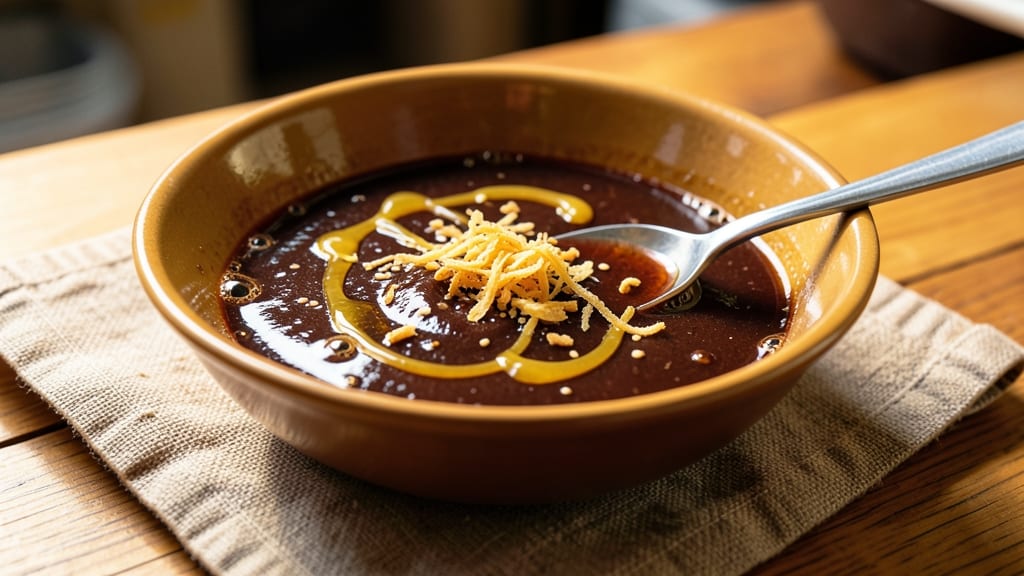
This authentic oyster sauce recipe transforms simple pantry staples into a velvety, umami-rich condiment that elevates stir-fries, marinades, and dipping sauces. The secret lies in slow simmering oyster extracts, soy sauce, and sugar until thickened into a glossy, silky sauce—just like the one used in professional kitchens.
I’ve perfected this version after years of testing, ensuring the balance of sweet, salty, and briny flavors that define true oyster sauce.
The process begins with a flavor base of oyster extracts (or finely ground dried oysters for a traditional touch), combined with soy sauce and sugar to create a foundational broth.
As it simmers for 45 minutes, the mixture reduces dramatically, developing a deep, caramelized richness that coats every ingredient it touches. This isn’t just a substitute—it’s the real deal, with a texture so smooth it glides effortlessly over noodles or sears into proteins.
What sets this recipe apart is its versatility: use it as a stir-fry sauce, a marinade for meats, or a dipping sauce for dumplings. The sauce keeps well in the fridge for up to 3 months, making it a pantry essential for anyone who loves bold, savory flavors.
For a modern twist, I’ll also share how to adapt it with mushroom powder for a vegan-friendly version that still delivers that signature umami punch.
Once you taste the difference, you’ll never settle for bottled versions again. The key is patience—letting the sauce develop its depth over time. Ready to make the sauce that will change how you cook? Let’s get started with the ingredients and step-by-step instructions.
Ingredients for authentic oyster sauce
Nine ingredients, forty-five minutes of simmering—this is how real oyster sauce transforms into liquid gold.
| Ingredient | Amount | Notes |
|---|---|---|
| Oyster Extract 🦪 | ½ cup | High-quality, umami-rich extract (or finely ground dried oysters) |
| Light Soy Sauce 🥢 | ½ cup | Kikkoman or Lee Kum Kee preferred for balance |
| Dark Soy Sauce 🥢 | ¼ cup | For deeper color and complexity |
| Granulated Sugar 🍚 | ½ cup | White or brown, adjust to taste |
| Cornstarch 🌾 | 2 tbsp | For thickening and glossy finish |
| Water 💧 | 1 cup | Distilled or filtered preferred |
| White Wine Vinegar 🍷 | 1 tbsp | Brightens flavors, balances sweetness |
| Garlic Cloves 🧄 | 3 cloves | Minced for aromatic depth |
| Sesame Oil 🫒 | 1 tsp | Toasted sesame oil for aroma (added last) |
| Black Peppercorns 🌶️ | ¼ tsp | Freshly cracked for subtle heat |
The oyster extract is non-negotiable here—Lee Kum Kee or Kikkoman extracts deliver that signature briny depth. If you're feeling traditional, finely ground dried oysters (available at Asian markets) give an even more authentic texture, though they require extra straining. For the soy sauces, light soy for saltiness, dark soy for color—don't skip either. The sugar isn't just for sweetness; it's what creates that caramelized richness when reduced. I always grab organic cane sugar from Whole Foods for the best flavor, but regular granulated works in a pinch. The cornstarch is where the magic happens—it's what gives that signature glossy finish, so don't substitute with flour.
No oyster extract? Mushroom powder at half the amount creates a vegan-friendly version that still delivers umami punch, though it won't be identical. Short on sesame oil? Toasted peanut oil works too, though the flavor profile shifts slightly. The vinegar can be swapped for rice vinegar at the same amount, but white wine vinegar adds that bright acidity that balances everything. For the garlic, I always use freshly minced cloves—jarred minced garlic has a metallic aftertaste that ruins the sauce. If you're making a big batch, freeze the garlic in ice cube trays first to make it easier to measure. The black peppercorns should be freshly cracked—pre-ground loses its punch quickly.
This sauce gets better with time, so make a big batch. It keeps for up to 3 months in the fridge, sealed tightly under a layer of oil to preserve that glossy sheen. I portion mine into small glass jars—they're perfect for single-use portions and make it easy to grab when stir-frying. For a restaurant-quality touch, reheat gently in a water bath to maintain that silky texture. The sauce thickens as it cools, so thin with a splash of water if needed. Trust me on this: once you make it from scratch, you'll never go back to the bottled stuff.
Why You'll Love This Recipe
- Pantry Magic: Honestly, this sauce comes together with stuff I already have—no special shopping required. Just oyster extract (that deep umami bomb), a splash of light and dark soy for balance, and a pinch of sugar to smooth it out. No fancy tools, no waiting for ingredients to arrive.
- Umami Bomb: Between us, that oyster extract is where the real magic happens—rich, briny, and impossible to resist. The dark soy adds a molasses-like depth, while the sugar cuts through the saltiness just enough to make every bite dangerously addictive. One taste and you’ll understand why it’s a staple in so many kitchens.
- Weeknight Workhorse: I use this on everything—stir-fries, marinades, even drizzled over grilled meats. It’s the secret weapon for turning simple proteins into something restaurant-worthy. And because it thickens perfectly with cornstarch, it’s ready to go in minutes, no last-minute fixes needed.
- Makes a Batch: Here’s what sold me—this recipe actually scales. Make a big batch, store it in the fridge, and you’ve got a flavor booster for days. It’s budget-friendly (oyster extract goes a long way) and saves me from buying overpriced bottles of store-bought sauce. Plus, leftovers? They taste just as good the second time around.
Step-by-step instructions for authentic oyster sauce
Here's how to craft restaurant-quality oyster sauce with rich umami and perfect balance.
Bloom the Aromatics and Extract Flavors
In a medium saucepan, combine the 0.5 cup oyster extract, 0.5 cup light soy sauce, and 0.25 cup dark soy sauce. Place over medium-low heat and let it simmer gently for 5 minutes, stirring occasionally. This step allows the umami compounds to fully meld together and develop depth.
While the sauce warms, add the 3 cloves minced garlic and 0.25 tsp freshly cracked black peppercorns. Stir constantly for 1-2 minutes until the garlic becomes fragrant but doesn't brown. The peppercorns will infuse subtle heat, while the garlic adds aromatic complexity that forms the sauce's foundation. I like to watch for tiny bubbles forming around the edges—that's your signal the flavors are properly blooming.
Build the Sweet-Savory Base
Gradually whisk in the 0.5 cup granulated sugar and 1 cup water while continuing to simmer over medium heat. Bring the mixture to a gentle boil, then immediately reduce heat to low and let it cook uncovered for 10-12 minutes. You'll notice the sauce thicken slightly as the sugar dissolves completely—this is crucial for achieving that signature glossy finish.
After 10 minutes, taste the sauce. It should be sweet and tangy with noticeable umami from the oyster extract. If it tastes too sweet, add 1 tablespoon white wine vinegar now—this brightens the flavors and prevents the sauce from becoming cloying. The vinegar also helps balance the richness of the oyster extract, creating that perfect harmony of sweet, salty, and acidic notes.
Thicken and Refine the Texture
In a small bowl, whisk together the 2 tablespoons cornstarch with 2 tablespoons cold water to create a smooth slurry. Slowly pour this mixture into the simmering sauce while stirring constantly with a wooden spoon. The sauce will begin to thicken almost immediately—this is where the magic happens.
Continue cooking over low heat for 5-7 minutes, stirring frequently, until the sauce reaches a glossy, syrupy consistency. It should coat the back of a spoon smoothly without being pasty. If it thickens too quickly, add 1-2 tablespoons hot water to adjust the texture. The key is achieving that perfect balance between viscosity and flow—too thick and it becomes glue-like; too thin and it lacks body.
Finish with Nuanced Depth
Remove the sauce from heat and let it cool slightly for 2-3 minutes. This resting period allows the flavors to settle and the texture to stabilize. Once cooled, stir in the 1 teaspoon toasted sesame oil—this is where the sauce transforms from good to extraordinary. The sesame oil adds a nutty aroma and subtle earthiness that elevates the entire dish.
Taste and adjust seasoning if needed. You might want to add a touch more light soy sauce for saltiness, a splash of vinegar for brightness, or even a pinch more sugar to balance the flavors. The sauce should be complex—umami-forward with sweet, salty, and slightly tangy notes all working in harmony. For best results, let the sauce sit at room temperature for 1 hour before using, as this allows the flavors to fully develop and meld together.
Pro Tips For Making Authentic Oyster Sauce
- Simmer Slow and Steady: After burning my first batch trying to rush the reduction, I learned: low heat is your friend. Keep the sauce at a gentle bubble—just enough to see tiny, consistent ripples—so the cornstarch thickens smoothly without turning grainy or burning. (Yes, even if you’re impatient like me.)
- Bloom the Soy Sauces: Dark soy sauce loves heat—warm it first in a separate pan over medium-low for 2-3 minutes until it darkens slightly. Then mix it in last. This deepens the color and flavor without overpowering the oyster extract’s umami. (Skip this, and your sauce will look flat.)
- Slurry the Cornstarch Right: Cold water is your enemy here. Mix the cornstarch with ice water (about 2 tbsp cold water per 1 tbsp cornstarch) before adding it to the sauce. This prevents clumping and ensures a silky finish—no one likes lumpy oyster sauce. (I used to just eyeball it, and it always looked like glue.)
- Balance the Sugar Last: Taste the sauce before adding all the sugar—you might need less than the recipe says. Oyster extract is already sweet, and dark soy sauce has a molasses kick. Add sugar gradually, 1 tsp at a time, until it’s just right. (Trust your palate; recipes are guidelines, not gospel.)
Troubleshooting perfect results
Sauce Too Thin?
If your oyster sauce isn’t thickening enough, the cornstarch slurry might need more time or heat. Return the sauce to low heat and simmer for an additional 3-5 minutes, stirring constantly.
If it still feels too thin, whisk together 1 teaspoon more cornstarch with 1 teaspoon water and stir it in gradually. For a quick fix, reduce the heat to its lowest setting and let it thicken naturally—sometimes patience is the best solution. 💡
Grainy or Lumpy Texture?
Lumps usually mean the cornstarch wasn’t fully dissolved before adding. To fix this, remove the sauce from heat and whisk vigorously with a fork or small whisk. If lumps persist, strain the sauce through a fine-mesh sieve or cheesecloth for a silky finish.
For future batches, always whisk the cornstarch slurry until completely smooth before pouring it into the sauce. Pre-mixing it with cold water helps prevent clumping. ✨
Overly Sweet or Salty?
If your sauce tastes too sweet, balance it with ½ teaspoon white wine vinegar or a pinch of black pepper to cut through the sweetness. For excessive saltiness, thin it with 1 teaspoon water and adjust with a touch of sugar or a splash of vinegar.
Taste as you go—small adjustments make all the difference. I often add a dash of sesame oil to enhance depth rather than relying solely on salt or sugar. 🌶️
Sauce Separates or Curdles?
This happens when the sauce cools too quickly or if the cornstarch wasn’t incorporated properly. To fix it, gently reheat the sauce over low heat while stirring constantly until it smooths out.
If separation persists, whisk in 1 teaspoon toasted sesame oil—it acts as an emulsifier and helps bind the sauce. For prevention, always simmer the sauce uncovered to avoid steam buildup, which can cause separation. ⚡
Weak Umami Flavor?
Weak umami often means the oyster extract wasn’t given enough time to develop. Next time, extend the initial simmer to 8-10 minutes before adding sugar. For an instant boost, stir in ½ teaspoon fish sauce or a pinch of MSG (if using) to deepen the savory notes.
If you’re using dried oysters, ensure they’re finely ground and simmered longer to extract maximum flavor. 🦪
Sauce Turns Cloudy?
Cloudiness usually indicates the sauce wasn’t reduced enough or was strained improperly. To clarify it, simmer the sauce uncovered for an additional 5 minutes to evaporate excess moisture. If cloudiness persists, strain it through a clean coffee filter for a crystal-clear finish.
For future batches, ensure the sauce reaches a glossy, syrupy consistency before removing it from heat. 💫
Nutrition facts
Frequently asked questions
Can I make this oyster sauce without oyster extract?
Yes! For a vegan version, replace the 0.5 cup oyster extract with 0.25 cup mushroom powder (like shiitake or porcini) and add 1 extra tablespoon soy sauce for umami depth. The texture will be slightly different but still deliver that signature savory flavor. For a closer match, simmer the mushroom powder for 5 extra minutes to extract maximum flavor.
How long does homemade oyster sauce last?
Properly stored in an airtight container in the fridge, this sauce keeps for up to 3 months. For longer storage, freeze it in ice cube trays (perfect for single-use portions) or small jars for up to 6 months. The sauce thickens when refrigerated, so thin with 1 teaspoon water before reheating. Always reheat gently over low heat to maintain that silky texture.
What's the best way to use this sauce?
This versatile sauce works wonders in stir-fries, as a marinade for meats or tofu, or as a dipping sauce for dumplings and spring rolls. For stir-fries, use 1-2 tablespoons per serving. As a marinade, combine with 1 tablespoon sesame oil and 1 teaspoon grated ginger for extra flavor. The sauce also elevates noodle dishes—just drizzle 1 tablespoon over hot noodles before serving.
Why does my sauce taste different from store-bought?
Homemade sauce tastes different because it's fresher and more balanced! Store-bought versions often contain preservatives and artificial flavors that mask the natural umami. Our recipe uses real ingredients that develop complex flavors through slow simmering. The sweet-salty-tangy balance comes from the soy sauce, sugar, and vinegar working together—something bottled versions rarely achieve. Give it time to develop its depth before comparing!
Can I make this sauce in a slow cooker?
Combine all ingredients except sesame oil in your slow cooker and cook on low for 4-5 hours or high for 2-3 hours. Stir occasionally and add water if it gets too thick. The slow cooking enhances the flavors even more. Once done, finish with sesame oil as directed. For best results, reduce the cornstarch to 1.5 tablespoons since slow cooking naturally thickens the sauce.