
Sauces & Condiments
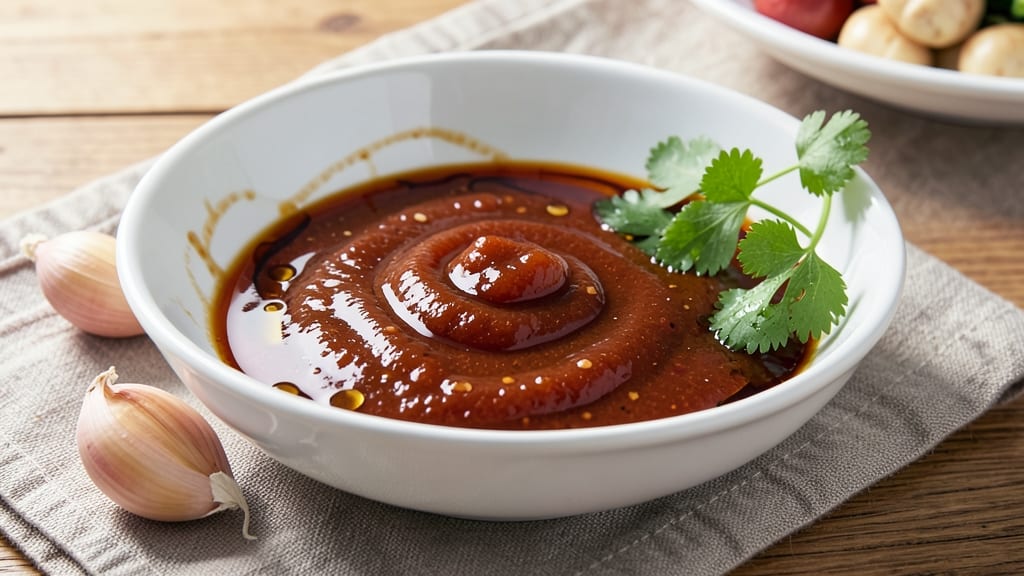
This Korean gochujang sauce recipe transforms simple pantry staples into a fermented spice bomb that adds umami depth to everything from stir-fries to marinades. The key lies in balancing gochujang’s natural sweetness and heat with tangy vinegar and aromatic garlic, creating a sauce that’s complex yet foolproof.
What sets this apart is the slow simmer that develops layers of flavor without overpowering the dish.
The sauce begins with a base of gochujang, rice vinegar, and sugar—each ingredient playing a critical role in texture and taste. Garlic and sesame oil add depth, while a splash of soy sauce ties everything together.
The result is a glossy, slightly sticky sauce with a savory-spicy-sweet profile that clings beautifully to noodles, meats, or vegetables. Unlike store-bought versions, this one delivers authentic flavor with no artificial additives.
Perfect for marinating proteins, drizzling over rice bowls, or tossing with fresh vegetables, this gochujang sauce keeps well in the fridge for up to 2 weeks. The slow-cooked method ensures the flavors meld seamlessly, making it a versatile pantry staple.
Whether you’re cooking Korean-inspired dishes or elevating everyday meals, this sauce is a game-changer.
Ready in just 30 minutes, it requires minimal effort but maximum impact. The secret? Patience—letting the sauce reduce and develop its signature depth. Once you taste the difference, you’ll never go back to bottled versions. Let’s make it.
Ingredients for korean gochujang sauce
Eight simple ingredients transform into a fermented spice bomb with restaurant-quality depth.
| Ingredient | Amount | Notes |
|---|---|---|
| Gochujang Paste 🌶️ | ½ cup | Korean fermented chili paste |
| Rice Vinegar 🍶 | ¼ cup | White or seasoned variety |
| Granulated Sugar 🍚 | ¼ cup | Light brown sugar works too |
| Garlic Cloves 🧄 | 4 cloves | Minced for aromatic depth |
| Sesame Oil 🫒 | 1 tbsp | Toasted sesame oil preferred |
| Light Soy Sauce 🍶 | 1 tbsp | Kikkoman or similar |
| Water 💧 | ½ cup | Room temperature preferred |
| Toasted Sesame Seeds 🌰 | 1 tbsp | For garnish and texture |
The gochujang is non-negotiable—Maesil Gochujang or Dae Yang from the Asian aisle deliver that authentic fermented kick. Grab the red fermented variety, not the sweet, mild kind. For garlic, freshly minced makes all the difference—pre-minced gets bitter. Sesame oil? Toasted adds nutty depth, while regular sesame oil works in a pinch. Pro tip: Korean grocery stores often have better quality and fresher stock than regular supermarkets, especially for gochujang.
No gochujang? Sriracha plus a dash of miso paste gets you close, but it won’t have that same umami punch. Short on sesame oil? Avocado oil at half the amount won’t overpower the flavor. The rice vinegar can be swapped for apple cider vinegar, but it’ll taste slightly less authentic. Sugar substitutes? Maple syrup or coconut sugar work in equal amounts, though they’ll add subtle flavor variations. Make sure your soy sauce is light—not dark or tamari—unless you want a deeper, saltier profile.
This sauce thickens as it cools, so stir in a splash of water if it gets too stiff. Keeps for 2 weeks in the fridge, or 3 months frozen in ice cube trays for single-use portions. For extra richness, whisk in 1 tbsp of tahini before serving. The longer it sits, the more complex the flavors become—trust the process.
Why You'll Love This Recipe
- Five-Ingredient Magic: I swear by this combo—gochujang’s deep umami, the bright cut of rice vinegar, and a whisper of garlic. No fancy prep, just stir and savor. That sesame oil finish? Pure satisfaction in a jar.
- Sauce That Works Anywhere: Drizzle it over grilled chicken, toss it with noodles, or slather it on toast. Honestly, I’ve used it as a marinade, a dipping sauce, and even a glaze for roasted veggies. It’s the ultimate flavor multiplier.
- Leftovers That Last: This sauce keeps for weeks in the fridge, and the flavor only gets better. I make a big batch on Sundays—enough to dress up lunches, spice up stir-fries, and still have some left for takeout nights.
- Budget-Friendly Boldness: Gochujang and rice vinegar stretch like crazy, turning cheap proteins into something special. Between us, this is how I feed my family well without breaking the bank. One jar of gochujang goes a long time.
Step-by-step instructions for fermented gochujang sauce
This vibrant sauce comes together in minutes but packs layers of fermented heat and umami you won't find anywhere else.
Bloom the Gochujang in Warm Oil
Heat the 1 tablespoon sesame oil in a small saucepan over medium-low heat until just shimmering—you're not looking for smoke, just enough warmth to gently activate the gochujang's flavors. Add the 0.5 cup gochujang paste and stir continuously for 2-3 minutes until it transforms from thick paste to a glossy, slightly runny consistency.
Here's the thing—gochujang contains fermented chili and soybean paste, so it needs this gentle warming to release its full depth of flavor without burning. You'll notice the aroma shift from raw spices to something more complex, almost like a cross between miso and chili. If you smell anything acrid or harsh, reduce the heat immediately—this sauce should smell rich and inviting, not bitter.
Build the Sauce Base with Vinegar and Sugar
Pour in the 0.25 cup rice vinegar and 0.25 cup granulated sugar, stirring vigorously to dissolve the sugar completely. The mixture will bubble gently from the heat and the acidity of the vinegar. Let it simmer for 3-4 minutes until the sugar fully incorporates and the sauce begins to thicken slightly—it should coat the back of a spoon but still be pourable.
This is where the magic happens: the vinegar brightens the gochujang's deep umami while the sugar balances its natural heat. You'll see the color deepen to a stunning ruby red. If you taste it now, you'll get a preview of the final product—sweet, tangy, and just a hint of spicy warmth. Don't walk away during this step; constant stirring prevents scorching and ensures even flavor distribution.
Incorporate Aromatics and Soy Sauce
Add the 4 cloves minced garlic cloves and 1 tablespoon light soy sauce, stirring for 1-2 minutes until the garlic becomes fragrant but doesn't brown. The garlic should infuse the sauce with its pungent sweetness without adding bitterness. Then pour in the 0.5 cup water and bring to a gentle simmer.
Let the sauce reduce for 5-6 minutes until it reaches your desired consistency—it should coat a spoon but still be spreadable. The water helps balance the intensity while allowing all flavors to meld. Taste as you go: you might want to adjust the sweetness or acidity here. If it's too sharp, add a pinch more sugar. If it's too sweet, a splash more vinegar will bring it back into balance. This is your chance to fine-tune the flavor profile.
Finish and Rest for Maximum Flavor
Remove the sauce from heat and let it cool slightly, then stir in the 1 tablespoon toasted sesame seeds for texture and nutty depth. The seeds should be evenly distributed throughout—this adds both visual contrast and a satisfying crunch. For best results, let the sauce rest at room temperature for 15-20 minutes before using.
This resting period allows the flavors to fully integrate and the sauce to thicken slightly. The gochujang continues to develop its complexity off the heat, and the sesame oil releases its full aroma. You'll notice the sauce becomes even more vibrant in color and richer in flavor. Store any leftovers in an airtight container in the refrigerator for up to 2 weeks, though I promise you'll use it all up quickly—it's perfect for drizzling over noodles, marinating proteins, or even mixing into dressings.
Pro Tips For Making Korean Gochujang Sauce
- Bloom the Garlic: Toss minced garlic in a splash of cold water for 5 minutes before cooking—it mellows the sharpness and keeps it from burning into bitter sludge. I learned this the hard way after one batch tasted like a spicy charred nightmare.
- Sweat the Gochujang: Warm the gochujang paste slowly over low heat with sugar first—no oil yet. Let it bubble gently for 2-3 minutes to deepen its flavor before adding vinegar or garlic. Skipping this step leaves it tasting raw and one-note.
- Balance the Vinegar: Add rice vinegar gradually, tasting as you go—it’s easy to overdo it and turn the sauce sour. Start with half the recipe’s amount, then adjust. My first batch ended up like a pickled chili disaster.
- Finish with Oil: Stir in sesame oil off the heat at the very end—it cools the sauce slightly and prevents the oil from cooking off into a bitter residue. A quick swirl with a fork emulsifies it without breaking the sauce’s texture.
Best sauces and condiments for these flavors
Marinade Magic
This sauce doubles as an incredible marinade for grilled meats like chicken, pork, or shrimp. Toss 1 cup of sauce with 1 lb of protein and let it sit for 2-4 hours (or overnight for deeper flavor).
The gochujang tenderizes while adding a caramelized crust when grilled. I love using it on boneless pork chops—just grill over medium-high heat for 4-5 minutes per side until caramelized. 🔥
Noodle Elevator
Drizzle 2-3 tablespoons over steaming hot noodles—ramen, udon, or even spaghetti—to create instant flavor. The sauce clings beautifully to the strands, adding sweet-spicy depth without overpowering. For extra richness, stir in 1 tbsp of sesame oil after drizzling.
I often serve it with soft-boiled eggs and quick-pickled cucumbers for a Korean-inspired noodle bowl.
Dipping Sauce
Thin with 1-2 tablespoons of water to create a perfect dipping sauce for dumplings, spring rolls, or fried chicken. The balanced sweet-spicy profile cuts through crispy textures beautifully.
For a creamy twist, stir in 1 tbsp of Greek yogurt or soft tofu for a vegan option. Serve with warm mandu (Korean dumplings) for a restaurant-quality experience.
Stir-Fry Booster
Add 2-3 tablespoons to stir-fries in the last 2 minutes of cooking to let the flavors meld. It works wonders with tofu, mushrooms, or beef strips.
For a quick weeknight meal, toss 1 lb of stir-fry veggies with 1 cup of sauce and 1 tbsp of cornstarch slurry to thicken. Serve over steamed rice for a complete meal in 20 minutes. ✨
Glaze for Roasted Veggies
Brush 1-2 tablespoons over roasted vegetables like carrots, Brussels sprouts, or sweet potatoes before roasting. The sugar in the sauce caramelizes beautifully, creating a glossy finish. Roast at 400°F for 20-25 minutes until tender and sticky. Garnish with toasted sesame seeds for extra crunch.
Sauce Variations
For a sweeter version, add 1 tbsp of honey or maple syrup and reduce the sugar to 0.125 cup. For extra heat, stir in 1 tsp of gochugaru (Korean chili flakes).
A creamy version works great with 2 tbsp of tahini or soybean paste for richness. Each variation keeps the same base technique—just adjust the add-ins to taste!
Nutrition facts
Frequently asked questions
Can I make this gochujang sauce without sesame oil?
Yes, but you'll lose some nutty depth. Substitute with 1 tbsp neutral oil (like avocado or vegetable) and add ½ tsp toasted sesame seeds to the finished sauce for flavor. For a closer match, use ½ tbsp sesame oil—it'll be less intense but still aromatic.
How do I adjust the heat level?
Start with ½ cup gochujang for mild heat, or use ⅔ cup for medium spice. For extra kick, add ½ tsp gochugaru (Korean chili flakes) at the end. If it's too spicy, balance with 1 extra tbsp sugar or ½ tbsp rice vinegar to mellow the burn.
Can I make this vegan?
This recipe is already vegan-friendly. Just ensure your gochujang doesn't contain fish sauce (check labels) and use vegan soy sauce. The sesame oil and seeds are naturally plant-based, so no substitutions are needed for plant-based diets.
Why does my sauce look too thick/thin?
Sauce thickens as it cools—stir in 1 tsp water if too thick, or simmer 2-3 extra minutes if too thin. For a glossy finish, whisk in 1 tsp cornstarch mixed with 1 tsp water and simmer for 1 minute. Store leftovers in a sealed container to prevent drying.
How long can I store this sauce?
Fridge: 2 weeks in an airtight container. Freezer: 3 months in ice cube trays (thaw in fridge). For single-use portions, freeze in 1-tbsp portions**—perfect for marinades or stir-fry boosters! Label with dates to track freshness.