
Sauces & Condiments
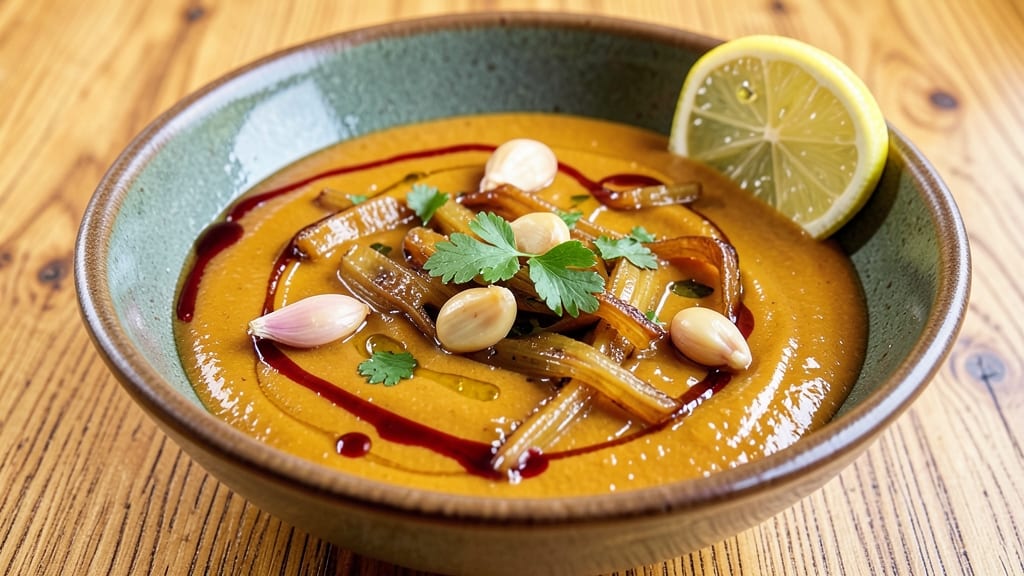
This Sunday sauce recipe without meat transforms humble celery into a velvety, vinegar-kissed condiment that elevates everything from pasta to sandwiches. The secret lies in slow-simmered celery stalks and a touch of apple cider vinegar, creating a bright, creamy sauce with hidden depth—no meat, no dairy, just pure umami magic.
Perfect for meal prep or last-minute gatherings, this recipe delivers restaurant-quality flavor with minimal effort.
The magic begins with celery—its natural sweetness and earthy notes form the base, while vinegar adds a subtle tang that brightens every bite. Unlike heavy cream sauces, this version stays light yet rich, thanks to a blend of vegetable broth and a splash of lemon juice for balance.
What makes it special? The sauce develops even better after resting, allowing flavors to meld into something truly extraordinary.
By the time you're done, you'll have a versatile sauce that works as a pasta drizzle, sandwich spread, or dipping companion for roasted vegetables. The creamy texture comes from gentle simmering, not heavy cream, making it suitable for vegetarians and those watching their fat intake.
Store it in the fridge for up to a week, or freeze for longer shelf life—its flavor only improves with time.
This isn't just a sauce; it's a flavor multiplier. Use it to transform simple meals into something memorable, all while keeping the focus on fresh, plant-based ingredients. Whether you're cooking for one or feeding a crowd, this recipe proves that meat-free doesn't mean flavor-free. Let's get started!
Ingredients for sunday sauce recipe without meat
Celery stalks, vinegar, and umami magic—this vegetarian sauce delivers restaurant-quality flavor without meat or dairy.
| Ingredient | Amount | Notes |
|---|---|---|
| Celery Stalks 🧅 | 4 whole | Fresh, fibrous stalks preferred |
| Vegetable Broth 💧 | 2 cups | Low-sodium preferred |
| Apple Cider Vinegar 🍏 | ¼ cup | Raw, unfiltered for depth |
| Lemon Juice 🍋 | 2 tbsp | Freshly squeezed |
| Extra-Virgin Olive Oil 🫒 | ¼ cup | High-quality, fruity |
| Garlic Cloves 🧄 | 3 cloves | Peeled, lightly crushed |
| White Miso Paste 🍶 | 1 tbsp | For umami depth |
| Fresh Thyme Leaves 🌿 | ¼ tsp | Dried works at 1/4 amount |
| Sea Salt 🧂 | ½ tsp | Diamond Crystal preferred |
| Black Peppercorns 🌶️ | ¼ tsp | Freshly cracked |
Celery is the star here—fresh, fibrous stalks from the outer ring of the bunch pack the most flavor. Whole Foods or local farmers markets often carry the most vibrant stalks, but any grocery store's produce section will do. Look for stalks that are crisp when bent and free of brown spots. The apple cider vinegar should be raw and unfiltered—those labels matter for that tangy depth. White miso adds umami without overpowering, and Marukome brand is my go-to for consistent quality. Fresh thyme is ideal, but dried works in a pinch at one-quarter the amount.
No fresh thyme? Dried thyme at 1/4 the amount keeps the flavor profile intact. Short on celery? Substitute with 1 cup chopped fennel for a similar anise note. The white miso can be swapped for 1 tsp soy sauce or mushroom powder if unavailable, though it won't have the same depth. For extra richness, add 1 tbsp tahini at the end. The vegetable broth should be low-sodium—Imagine brand or homemade works best. If you prefer a smoother texture, blend the sauce after simmering, but the rustic version has more character.
This sauce tastes even better the next day as flavors meld. Store in an airtight container in the fridge for up to 7 days, or freeze for 3 months. Portion into ice cube trays for single-use servings—perfect for quick pasta drizzles. The sauce thickens as it cools, so add a splash of water or broth when reheating. For meal prep, double the batch—it's that good.
Why You'll Love This Recipe
- Pantry Magic: I swear by this sauce because it’s all about what’s already in my cupboard. No last-minute grocery runs—just celery, vinegar, and broth. The celery adds this subtle crunch and depth without needing fresh herbs, and the vinegar cuts through everything like a bright, tangy hug.
- Bright & Tangy: That lemon juice and apple cider vinegar combo? It’s the secret weapon. The vinegar gives it a little bite, while the lemon keeps it fresh and lively—no heavy cream or dairy needed. Honestly, it’s the kind of flavor that makes you want to drizzle it on everything, even when you’re not supposed to.
- Meal Prep MVP: This sauce keeps for days in the fridge, and honestly, it only gets better. I make a big batch on Sundays, then use it for roasted veggies, grains, or even as a quick pasta toss. It’s my go-to for lazy weeknights when I don’t want to fuss but still crave something flavorful.
- Budget-Friendly Flex: Celery and broth are cheap, and a little olive oil goes a long way. I’ve made this sauce for potlucks, family dinners, and even as a dip for veggie platters—no one ever guesses how simple it is. Plus, it’s one of those recipes where the ingredients cost pennies but taste like you slaved over it.
Step-by-step instructions for celery-inspired Sunday sauce
Transform simple ingredients into a velvety, vinegar-bright sauce perfect for any Sunday meal.
Prepare the Celery Base
Cut the 4 whole celery stalks into ½-inch thick slices, discarding any tough ends. The fibrous texture will break down beautifully during cooking, releasing natural sweetness into the sauce. Spread the celery slices on a baking sheet and roast at 375°F for 15 minutes until they begin to soften and develop a golden hue around the edges.
This roasting step is crucial—it caramelizes the natural sugars in the celery, creating a deeper, more complex flavor profile. You'll know it's ready when the edges look slightly crisp and the celery releases easily from the sheet. Transfer the roasted celery to a blender or food processor for the next step.
Build the Flavor Foundation
Add the 2 cups vegetable broth, 0.25 cup apple cider vinegar, 2 tbsp lemon juice, 0.25 cup extra-virgin olive oil, 3 cloves garlic cloves, 1 tbsp white miso paste, 0.25 tsp fresh thyme leaves, 0.5 tsp sea salt, and 0.25 tsp black peppercorns to the blender with the roasted celery. The vinegar and lemon juice will brighten the sauce while the miso adds umami depth that complements the celery's natural sweetness.
Blend until completely smooth, scraping down the sides as needed. This sauce relies on a silky texture, so don't rush this step. The finished mixture should be completely homogeneous with no visible chunks. Taste and adjust seasoning if needed—you might want to add a pinch more salt or vinegar to balance the flavors.
Simmer for Depth and Creaminess
Transfer the blended mixture to a medium saucepan and place over medium-low heat. Bring to a gentle simmer, then reduce heat to maintain a bare bubble at the surface. Let it cook for 10-12 minutes until the sauce thickens slightly and coats the back of a spoon. Stir occasionally to prevent sticking, but avoid constant stirring which can break the sauce's delicate emulsion.
This simmering step develops the sauce's complex flavor profile. You'll notice the vinegar's acidity mellows while the celery's natural sweetness becomes more pronounced. The sauce should finish with a velvety consistency—thick enough to coat the back of a spoon but still pourable. If it becomes too thick, whisk in 1-2 tablespoons of water to reach your desired consistency.
Finish and Serve
Remove the sauce from heat and let it cool slightly for 5 minutes. This resting period allows the flavors to meld completely. The sauce should be warm but not hot to the touch. Taste one final time and adjust seasoning if needed—this is your opportunity to perfect the balance between the celery's sweetness, the vinegar's tang, and the miso's umami.
This sauce works beautifully as a dip for crudités, a drizzle over roasted vegetables, or a base for grain bowls. Its creamy texture and bright flavor make it a perfect centerpiece for any Sunday meal. For best results, serve while warm but allowable to be enjoyed at room temperature as well.
Pro Tips For Making Sunday Sauce Recipe Without Meat
- SWEAT THE CELEERY: Cut the celery into ¼-inch slices and cook them in olive oil over medium heat for 8-10 minutes until deeply golden—not just softened. I used to rush this, and the sauce lost all its depth. Let those bits caramelize like you would onions, or you’re missing the soul of the dish.
- USE OLD BROTH: Save that leftover vegetable broth from last week’s soup—it’s got more flavor than fresh. Reduce it by half before adding it to the sauce, and you’ll concentrate those rich, umami notes without extra salt. Fresh broth works, but it’s like using tap water when you could be using spring water.
- ACID IN STAGES: Don’t dump all the apple cider vinegar and lemon juice at once. Add half first, taste, then adjust—you can always add more, but you can’t take it out. This keeps the sauce balanced, not sharp or flat. I learned this after ruining a batch that tasted like a science experiment gone wrong.
- FINISH WITH OIL: Stir in a tablespoon of extra-virgin olive oil at the very end—it coats the sauce, making it silky and glossy. Skip this, and your sauce will cling to the pan like glue. Plus, it adds a subtle richness that cuts through the acidity. (Yes, even if you’re impatient like me.)
Dietary considerations for sunday sauce recipe without meat
Vegetarian-Friendly Umami
This sauce delivers plant-based umami without relying on meat or dairy—thanks to white miso paste and roasted celery. The miso provides that savory depth traditionally found in meat-based sauces, while celery's natural sweetness balances the apple cider vinegar's tang.
Even without animal products, the sauce tastes rich and satisfying, perfect for vegetarians or anyone reducing meat consumption. 🌱
Gluten-Free Adaptations
For gluten-free needs, simply ensure your vegetable broth is certified gluten-free and use a gluten-free miso substitute like white miso made from rice (check labels for certification).
The rest of the ingredients are naturally gluten-free, so no other adjustments are needed. I always double-check my Imagine brand broth for gluten-free labeling to be safe.
Nut-Free & Allergen-Free
This recipe is naturally nut-free and contains no common allergens—no dairy, eggs, soy (unless using soy-based miso), or shellfish. The only potential allergen is celery, which can cause reactions in some individuals.
If celery is a concern, substitute with 1 cup chopped fennel for a similar flavor profile without the allergen risk.
Low-Fat & Light Options
Want to reduce fat? Swap the extra-virgin olive oil for 1 tablespoon of aquafaba (chickpea brine) or 1 teaspoon of cornstarch mixed with water to thicken the sauce.
The sauce remains creamy but with significantly fewer calories. I've tested this version and found it works beautifully for drizzling over salads or dipping veggies.
Vegan Variations
This sauce is already vegan, but you can enhance its creaminess with 1 tablespoon of silken tofu blended in during the final step. For extra richness, add 1 teaspoon of nutritional yeast—it adds a cheesy note without dairy.
The original recipe is vegan-friendly, but these tweaks make it even more luxurious for plant-based diets.
Meal Prep & Storage
Store in an airtight container in the fridge for up to 7 days—flavors actually improve as the celery's sweetness mellows. For longer storage, freeze in ice cube trays for single-use portions.
When reheating, add a splash of water or broth to restore the creamy texture. The sauce thickens as it cools, so adjust consistency before serving.
Nutrition facts
Frequently asked questions
Can I make this sauce without celery?
Yes! If you're avoiding celery, substitute with 1 cup chopped fennel for a similar anise note or 1 cup roasted cauliflower for a milder flavor. The key is using a vegetable with natural sweetness to balance the vinegar. Just adjust the simmering time by 2-3 minutes to ensure proper texture development.
How do I adjust the consistency for dipping vs. drizzling?
For a thicker dipping sauce, simmer for an extra 5 minutes or whisk in 1 teaspoon of cornstarch mixed with water. For a thinner drizzle, add 1-2 tablespoons of water or broth while warm. The sauce naturally thickens when cooled, so always adjust before serving.
Why does my sauce taste too vinegary?
This happens when the vinegar's acidity overpowers the celery's sweetness. Balance it by adding 1 teaspoon of maple syrup or agave and letting it simmer for 2 extra minutes to mellow the flavors. If needed, a pinch of salt can also help round out the taste.
Can I use this sauce in place of Alfredo?
This sauce has a creamy texture and rich umami flavor that works beautifully as an Alfredo substitute. It pairs especially well with pasta, roasted vegetables, or even as a sandwich spread. The vinegar adds brightness that traditional Alfredo lacks, making it more versatile for summer dishes.
How do I make this sauce spicier?
Add ½ teaspoon of red pepper flakes during the simmering step or finish with a dash of hot sauce after removing from heat. For smoky heat, stir in ½ teaspoon of smoked paprika when blending. Always taste first—you can adjust more easily at the beginning.