
Sauces & Condiments
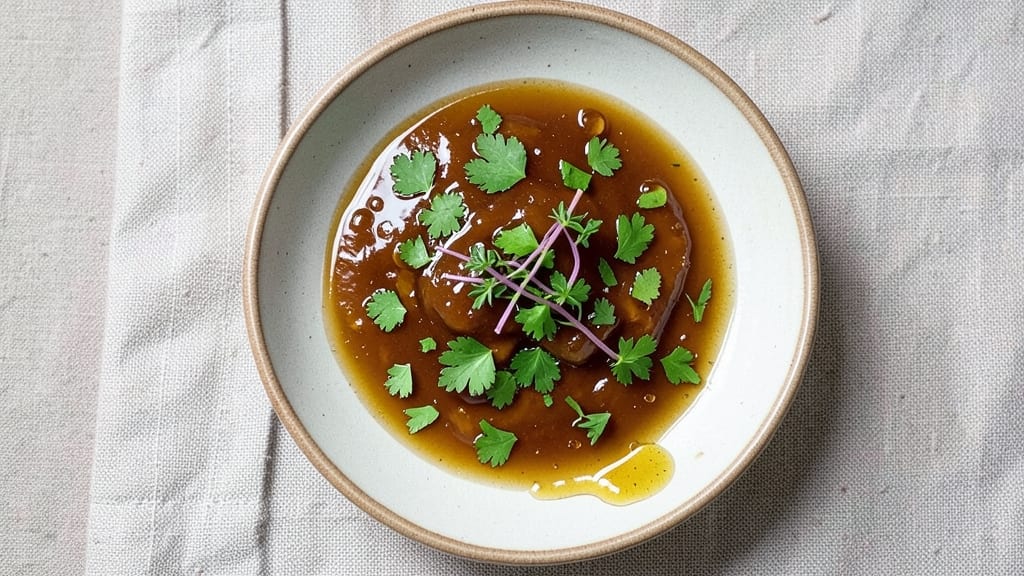
Apple cider vinegar sauce transforms simple meals into vibrant, tangy masterpieces with just five ingredients and 10 minutes of prep time. This bright, versatile sauce cuts through rich dishes while adding a sweet-tart balance that elevates everything from salads to grilled meats. What makes it special is how effortlessly it adapts—drizzle it over roasted vegetables, use it as a marinade, or serve it as a dip alongside fresh bread.
The secret lies in balancing the sharpness of apple cider vinegar with just the right amount of honey or maple syrup to soften the acidity.
A pinch of mustard or Dijon adds depth, while fresh herbs like parsley or thyme introduce an aromatic freshness that keeps the sauce from feeling one-dimensional. Unlike store-bought dressings, this version stays fresh and flavorful for up to a week in the refrigerator, making it a pantry staple.
What you’ll end up with is a sauce that’s bold yet refined—tangy enough to cut through creamy avocado or fried chicken, but sweet enough to satisfy a sweet tooth. The texture is silky and clingy, ensuring every bite is infused with that bright, zesty flavor.
It’s the kind of sauce that makes even the simplest dish feel like a gourmet creation.
Perfect for meal prep, this sauce scales easily for large batches and pairs beautifully with everything from hearty roasted meats to crisp, fresh salads. Let’s get started—your taste buds will thank you.
Ingredients for apple cider vinegar sauce
Five simple ingredients create this tangy, versatile sauce that brightens any dish in minutes.
| Ingredient | Amount | Notes |
|---|---|---|
| Apple Cider Vinegar 🍏 | ½ cup | Raw, unfiltered preferred |
| Extra-Virgin Olive Oil 🫒 | ½ cup | High-quality, fruity variety |
| Pure Maple Syrup 🍁 | ¼ cup | Grade A or B preferred |
| Dijon Mustard 🌶️ | 1 tbsp | For depth and texture |
| Fresh Parsley Leaves 🌿 | ¼ cup | Finely chopped, stems removed |
| Fresh Thyme Leaves 🌿 | 1 tbsp | Or 1 tsp dried thyme |
| Kosher Salt 🧂 | ½ tsp | Diamond Crystal preferred |
| Freshly Ground Black Pepper 🌶️ | ¼ tsp | For subtle heat |
The apple cider vinegar is the heart of this sauce—look for raw, unfiltered at stores like Whole Foods or Trader Joe's for extra depth. If you can't find it, white vinegar works in a pinch, but you'll lose some complexity. The maple syrup should be Grade A or B—cheaper pancake syrup will taste off. I always grab mine from Costco in bulk since it keeps forever. Fresh herbs? Farmers markets have the best parsley and thyme, but grocery store bunches work too if you use them fast.
No maple syrup? Honey works too, but it adds a different floral note. Short on Dijon? Yellow mustard at half the amount gives similar tang. The olive oil matters—skip the cheap stuff. California Olive Ranch or Bertolli are solid grocery store options. Want more zing? Add a pinch of red pepper flakes. For a smoother texture, blend everything until silky—no straining needed unless you're picky about herby bits. This sauce keeps its brightness for 1 week in the fridge, so make extra.
Store in a clean glass jar with a tight lid—keeps for 1 week in the fridge. For longer storage, freeze in ice cube trays and transfer to a bag. Thickens when chilled? Just whisk in a splash of water. This sauce is magic on roasted Brussels sprouts, fried chicken, or even as a marinade for grilled salmon. I double the batch every time—half goes on meals, half gets poured over popcorn for a sweet-savory snack.
Why You'll Love This Recipe
- Five-Ingredient Magic: I swear by this—just stir, taste, adjust. No chopping, no fuss, and honestly? The ratio of effort to reward is chef’s kiss.
- Tangy-Sweet Balance: That first bite of apple cider vinegar cutting through the maple syrup’s richness? It’s the kind of harmony that makes you pause mid-bite. The Dijon mustard adds depth without overpowering—trust me, it’s ridiculously good.
- Dresses Up Anything: Drizzle it over roasted Brussels sprouts, toss it with grilled chicken, or use it as a dip for fries. Honestly, I’ve used it on everything from salads to sandwiches, and it never lets me down.
- Lasts All Week: Make a big batch—it keeps in the fridge for days without losing its punch. Between us, I’ve had this sauce linger for nearly a week, and it’s still my go-to for lazy weeknights. Budget-friendly? Absolutely.
Step-by-step instructions for apple cider vinegar sauce
Here's how to blend these simple ingredients into a vibrant, versatile sauce that elevates everything from salads to roasted vegetables.
Whisk Together the Liquid Base
In a medium bowl, combine the 0.5 cup apple cider vinegar and 0.25 cup pure maple syrup. I like to use a whisk for this step to ensure everything blends smoothly from the start. The vinegar will look cloudy at first, but as you whisk, you'll notice it starts to clear slightly—this is normal and indicates the acid is beginning to activate.
Next, add the 0.5 cup extra-virgin olive oil in a slow, steady stream while continuing to whisk. You'll want to incorporate the oil gradually to create an emulsified texture rather than a separated dressing. If you add it all at once, you might end up with a split sauce. Keep whisking until the mixture looks creamy and cohesive, with no visible oil separation.
Incorporate the Mustard and Seasonings
Add the 1 tablespoon Dijon mustard to the bowl and whisk vigorously for about 30 seconds until fully combined. The mustard acts as an emulsifier, helping to bind the oil and vinegar together for a stable sauce. You'll notice the mixture thicken slightly as it comes together—this is exactly what you want.
Now stir in the 0.5 teaspoon kosher salt and 0.25 teaspoon freshly ground black pepper. The salt will enhance all the flavors, while the pepper adds a subtle warmth that balances the tang. Taste the mixture at this point—it should be pleasantly sharp with a hint of sweetness from the maple syrup. If it needs more salt or acid, adjust now before adding the herbs.
Fold in the Fresh Herbs
Chop the 0.25 cup fresh parsley leaves and 1 tablespoon fresh thyme leaves very finely. I use a sharp chef's knife for this, giving each herb a few quick chops to break them down without pulverizing them into a paste. The herbs should be small enough to disperse evenly but still visible for texture.
Gently fold the chopped herbs into the sauce using a silicone spatula. Be careful not to overmix—just enough to distribute them evenly. The parsley adds a bright, fresh note, while the thyme brings an earthy depth. The sauce should now have a vibrant green hue from the herbs, with a thick, creamy consistency that clings beautifully to greens or proteins.
Let It Rest and Adjust
Cover the bowl with plastic wrap and let the sauce rest at room temperature for at least 15 minutes. This resting period allows all the flavors to meld together and the emulsification to stabilize. After resting, give it one final taste—sometimes the flavors need a little more time to come together fully.
If the sauce is too thick, thin it with a splash of warm water or additional apple cider vinegar, 1 teaspoon at a time, until it reaches your desired consistency. For a lighter version, you can even add a tablespoon of water. The sauce should be smooth, glossy, and ready to transform your dishes with its bright, tangy zing.
Pro Tips For Making Apple Cider Vinegar Sauce
- Whisk in stages: Start with the vinegar and oil, then slowly add the maple syrup while whisking constantly—this prevents the sauce from curdling or separating. I learned this the hard way when I dumped everything in at once and ended up with a lumpy mess.
- Use aged vinegar: Skip the cheap stuff—aged apple cider vinegar (at least 6 months) has deeper flavor and less harshness. The extra few bucks make a noticeable difference, especially when paired with the sweetness of maple syrup.
- Warm the mustard first: Gently heat the Dijon mustard with a splash of warm water (or even a few seconds in the microwave) before mixing it in. This softens its bite and makes it blend smoother into the sauce—no grainy surprises here.
- Pulse parsley finely: Chop the parsley into tiny pieces—almost like confetti—so it distributes evenly and adds brightness without clumps. A food processor gives the best texture, but a sharp knife works if you’re patient.
Wine and beer pairings for this dish
White Wine Pairings
For this bright, tangy sauce, I reach for a crisp Sauvignon Blanc from New Zealand or Loire Valley—its zesty citrus notes mirror the apple cider vinegar’s acidity while the mineral finish cleanses your palate.
A dry Riesling from Germany also works beautifully, especially if you prefer a touch of sweetness to balance the sauce’s sharpness. Avoid heavy whites like Chardonnay—they’ll overpower the delicate herbs. 🍷
Light Beer Options
A Belgian witbier like Hoegaarden is my go-to beer pairing—its coriander and orange peel flavors complement the sauce’s sweet-tart profile perfectly. For something lighter, try a German Helles lager or an American wheat beer (like Blue Moon).
The effervescence helps cut through the richness of fried foods when this sauce is used as a dip. 🍺
Red Wine Alternatives
If you’re serving this sauce with heartier dishes like roasted meats, a Pinot Noir from Oregon or Burgundy stands up surprisingly well. Its bright acidity and red fruit notes don’t clash with the vinegar’s tang.
Skip bold reds like Cabernet—the tannins will compete with the sauce’s brightness. A light Rosé from Provence is another fantastic choice for a pink-hued twist. 🍷
Non-Alcoholic Pairings
For a refreshing non-alcoholic match, try sparkling apple cider—the bubbles and apple notes create a harmonious pairing. A ginger beer with a squeeze of lime also works wonders, especially when drizzling the sauce over spicy dishes.
For something herbal, hibiscus iced tea enhances the parsley and thyme flavors beautifully. 🌿
Sauce as a Cocktail Ingredient
Get creative by adding a spoonful of this sauce to gin-based cocktails like a Tom Collins or French 75—the apple cider vinegar’s tang cuts through the gin’s bite. For a non-alcoholic twist, mix it into sparkling water with a splash of lime juice for a zesty, refreshing drink.
The herbs add an aromatic depth that elevates any beverage. 🍹
Nutrition facts
Frequently asked questions
Can I substitute apple cider vinegar with white vinegar?
You can use white vinegar in a pinch, but the flavor will be sharper and less complex. Apple cider vinegar adds subtle sweetness and depth from its fermentation process. For a closer substitute, try rice vinegar—it’s milder and still pairs well with the other ingredients. If using white vinegar, reduce the maple syrup slightly to balance the acidity.
How do I adjust the sweetness or tanginess?
Start by tasting the base mixture (vinegar + maple syrup) before adding oil. For more sweetness, add 1 extra tablespoon of maple syrup at a time. For extra tang, add 1 teaspoon more vinegar and let it sit for 5 minutes to mellow slightly. The herbs and mustard will naturally balance the flavors, so adjust gradually!
Can I make this sauce thicker or thinner?
If it’s too thick, whisk in 1 teaspoon of warm water or extra vinegar until smooth. For a thicker consistency, let it sit uncovered in the fridge for 30 minutes—the oil will separate slightly, and you can re-emulsify by whisking vigorously. Pro tip: A splash of lemon juice also helps stabilize the texture while adding brightness.
What are the best dishes to use this sauce with?
This versatile sauce shines on roasted Brussels sprouts, grilled chicken, and fried fish. Use it as a marinade for salmon or pork chops (let it sit for 15-20 minutes before cooking), or drizzle over creamy pasta dishes to cut through the richness. It’s also fantastic as a dip for veggie sticks or fresh bread!
How long does this sauce keep, and can I freeze it?
Store in an airtight glass jar in the fridge for up to 1 week. For longer storage, freeze in ice cube trays—thaw overnight in the fridge and whisk to restore texture. The flavors actually improve slightly after 2-3 days as the ingredients meld, but avoid freezing if you plan to use it within the week.