
Sauces & Condiments
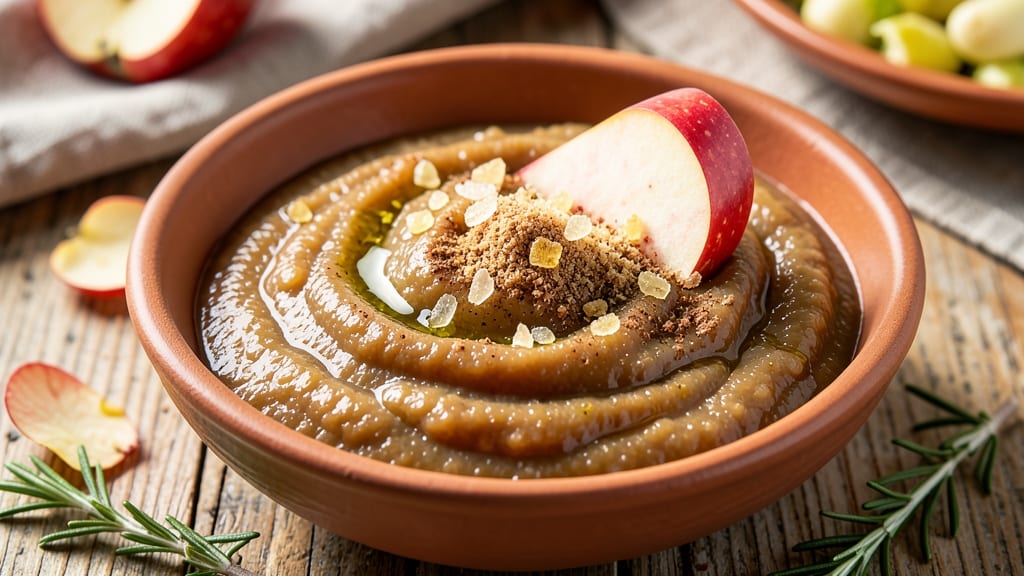
This applesauce recipe with apple cider vinegar transforms ordinary apples into a vibrant, tangy condiment that doubles as a natural preservative. The vinegar's bright acidity cuts through sweetness while extending shelf life, making it perfect for both culinary use and pantry storage.
I developed this version after discovering how apple cider vinegar enhances flavor while preventing browning—no added sugar required for balance.
The process is straightforward: peeled apples are simmered until tender, then blended with just enough vinegar to create that signature tang. A touch of cinnamon or vanilla adds depth, but the real magic happens when the vinegar works its preservation power.
This isn't your grandma's applesauce—it's a versatile condiment that shines on roasted meats, in dressings, or even as a glaze for baked goods.
What makes this recipe special is its dual purpose: it's both a flavor enhancer and a shelf-stable pantry staple. The vinegar's acidity creates a natural preservative effect, allowing you to store it for months without refrigeration.
Plus, the texture remains smooth and velvety, never grainy or watery—ideal for everything from sandwich spreads to baking ingredients.
Whether you're looking to elevate a simple meal or create a homemade condiment for gifting, this recipe delivers professional results with minimal effort. The balance of sweetness and tang is precise, and the preservation benefits make it a kitchen essential. Ready to transform your apples into something extraordinary?
Ingredients for applesauce recipe with apple cider vinegar
Eight ingredients, one game-changing condiment—tangy, velvety, and shelf-stable.
| Ingredient | Amount | Notes |
|---|---|---|
| Organic Honeycrisp Apples 🍎 | 4 lb | Peeled and cored, skin-on preferred |
| Raw Apple Cider Vinegar 🍏 | ½ cup | Unfiltered, organic preferred |
| Granulated Cane Sugar 🍯 | ¼ cup | Light brown sugar for depth |
| Ground Cinnamon 🌿 | 1 tsp | Ceylon cinnamon for delicate flavor |
| Pure Vanilla Extract 🌸 | ½ tsp | Alcohol-free preferred |
| Extra-Virgin Olive Oil 🫒 | 1 tbsp | For glossy finish and preservation |
| Filtered Water 💧 | ½ cup | Only if needed for blending |
| Lemon Juice 🍋 | 1 tbsp | Freshly squeezed for brightness |
| Sea Salt 🧂 | ½ tsp | Diamond Crystal preferred |
The apples are non-negotiable. Honeycrisp or Fuji hold up best to simmering without turning mushy—Trader Joe's or Whole Foods usually carry them pre-washed. Organic matters here because conventional apples can taste bitter when peeled. The vinegar? Bragg or Eden are my go-tos—the raw, unfiltered kind with the 'mother' still intact. That cloudy sediment is packed with probiotics and extra flavor. Skip the pasteurized stuff; it's basically apple juice in disguise. For the cinnamon, Penzeys Ceylon is worth the splurge if you're a spice lover, but regular grocery store ground works fine too.
No apple cider vinegar? White vinegar plus 1 tsp apple juice concentrate gets you close, but you'll miss that complex tang. Short on sugar? Date syrup or maple syrup work 1:1, though the color will be darker. The olive oil isn't just for flavor—it creates a protective barrier that keeps the applesauce from oxidizing. Need to stretch it further? Add 1 tbsp chia seeds for extra thickness and omega-3s. The lemon juice is optional but cuts through any residual bitterness from the vinegar. Pro tip: if your applesauce turns out too thick after blending, warm it gently with 1 tbsp water before adjusting consistency.
This isn't your average applesauce—it's a pantry MVP. Store in sterilized glass jars with airtight lids in a cool, dark place for up to 6 months. The vinegar does all the preservation work, so no refrigeration needed. For gifting, use amber glass jars to block light. If you make a big batch, freeze portions in ice cube trays for easy single-serving use. The flavor actually improves after a few weeks as the vinegar mellows out. Trust me, your roasted pork will thank you.
Why You'll Love This Recipe
- Five-Ingredient Magic: I swear by this recipe because it’s that simple—just peel, core, and simmer. No fancy gadgets, no stress, just Honeycrisp apples and a handful of pantry staples doing all the heavy lifting.
- Tangy-Sweet Balance: That splash of apple cider vinegar? It’s the secret weapon—brightens the sweetness without overpowering it, and the cinnamon-vanilla finish makes it taste like fall in a jar. Honestly, it’s the kind of flavor that sticks with you.
- Lunchbox Hero: Between us, this applesauce is my go-to for school lunches or office snacks. Pack it in small jars, and it stays fresh for days—no soggy fruit, just perfect texture. My kids actually ask for it now.
- Budget-Friendly Luxury: Granulated cane sugar and vanilla might sound fancy, but they stretch this recipe far. A big batch costs pennies per serving, and the leftovers? They disappear faster than I can say “seconds.” (Yes, even on a Tuesday night.)
Step-by-step instructions for applesauce with apple cider vinegar
This method transforms sweet Honeycrisp apples into vibrant, tangy applesauce with perfect texture.
Prep and Cook the Apples
Core and peel the 4 lb Organic Honeycrisp Apples, then cut them into even ½-inch chunks. The skin can stay on for color if preferred, but peeling ensures smoother texture. Place the apple pieces in a large, heavy-bottomed pot and add the 0.5 cup Filtered Water. This helps prevent burning while cooking.
Cook over medium heat for about 15 minutes, stirring occasionally, until the apples begin to soften. You'll notice the water evaporates and the apples release their natural juices. The goal here is to break down the apples' structure without cooking them completely—this makes blending easier later. If the apples stick to the pot, add a splash more water as needed.
Add Sweetness and Acidity
Once the apples are tender but not mushy, stir in the 0.25 cup Granulated Cane Sugar and 0.5 cup Raw Apple Cider Vinegar. The vinegar adds that signature tang while balancing the sweetness. Let the mixture simmer gently for another 10 minutes, stirring occasionally, until the sugar dissolves completely and the flavors meld together.
Here's where the magic happens: the vinegar's acidity helps preserve the applesauce naturally while enhancing the fruit's natural brightness. You'll smell the warm cinnamon and vanilla developing—this is when the sauce starts taking on its signature depth. Taste a spoonful to check the balance between sweet, tart, and aromatic notes.
Finish and Blend to Perfection
Remove the pot from heat and stir in the 1 tbsp Extra-Virgin Olive Oil, 1 tbsp Lemon Juice, and 0.5 tsp Sea Salt. The olive oil adds richness and helps preserve the sauce, while the lemon juice brightens the flavor profile. Let the mixture cool slightly for 5 minutes—this prevents scorching when you blend.
Using an immersion blender, blend until smooth and creamy. For chunkier texture, use a potato masher instead. The sauce should be thick but still pourable. If it's too thick, stir in a bit more filtered water, 1 tablespoon at a time, until you reach your desired consistency. The final sauce should coat the back of a spoon with a glossy sheen.
Season and Store
Return the blended sauce to the pot and stir in the 1 tsp Ground Cinnamon and 0.5 tsp Pure Vanilla Extract. Taste and adjust seasoning—you might need a touch more sugar or vinegar depending on the apples' natural sweetness. For best flavor, let the sauce cool completely before tasting.
Transfer to clean jars, leaving ½-inch headspace. Seal while warm and store in the refrigerator for up to 2 weeks, or process in a water bath for long-term storage. The vinegar's acidity makes this sauce perfect for preserving while maintaining that bright, tangy flavor profile that sets it apart from traditional applesauce.
Pro Tips For Making Applesauce Recipe With Apple Cider Vinegar
- PEEL THE CORES FIRST: I learned this the hard way—peeling the apple cores before slicing saves you from digging out stubborn bits later. Honeycrisp skins are tough, but the cores hide in those tiny crevices like sneaky little pests.
- ADD VINEGAR LAST: The acid in apple cider vinegar breaks down pectin, so toss it in only after the apples have softened and released their juices. Dump it in early, and you’ll end up with a weird, watery mush instead of rich, tangy applesauce.
- SIMMER UNTIL STICKY: The real test isn’t just soft apples—it’s when the sauce clings to the back of a spoon like syrup. Keep it at a low boil until it thickens enough to coat a spoon fully; that’s when the cinnamon and vanilla will sing instead of just float around.
- USE A SPLASH OF WATER: If the sauce looks too thick midway, add 2-3 tablespoons of water. The vinegar’s acidity makes it evaporate faster, so don’t let it dry out—you want smooth, not gluey. (Yes, even if you’re impatient like me.)
Common mistakes when making this recipe
Overcooking the Apples
I’ve seen this happen more than once—apples turn mushy and lose their structure when simmered too long. The key is to cook them just until tender, about 15 minutes over medium heat. If you let them boil or simmer beyond that, the texture becomes unappealingly grainy.
Keep an eye on the pot and stir occasionally to prevent sticking, which can also lead to uneven cooking. 🍎
Skipping the Vinegar
Some recipes call for applesauce without vinegar, but that’s a missed opportunity for flavor and preservation. The apple cider vinegar isn’t just for tang—it balances sweetness and acts as a natural preservative. If you skip it, your sauce will lack depth and spoil faster.
Start with the full ½ cup and adjust to taste, but don’t omit it entirely. The vinegar’s acidity also helps prevent browning, keeping your sauce vibrant.
Using the Wrong Apples
Not all apples are created equal for this recipe. Honeycrisp or Fuji are ideal because they hold their shape during cooking and have a naturally sweet-tart balance. Avoid mealy varieties like Red Delicious or overly tart ones like Granny Smith, which can make your sauce taste unpleasantly sharp.
If you’re working with what’s available, peeling helps ensure a smoother texture, but skin-on adds color and nutrients.
Ignoring the Blending Step
Some people rush this step by mashing the apples with a fork, but that leads to a lumpy, uneven texture. Use an immersion blender for silky smoothness or a potato masher for slight texture.
If your sauce is too thick after blending, add filtered water a tablespoon at a time until it reaches the perfect pourable consistency. The goal is a velvety finish—don’t skip the blending!
Not Adjusting Seasoning
The natural sweetness of apples can vary, so always taste your sauce before storing. If it tastes flat, add a pinch more sugar or a splash of vinegar to brighten it. The cinnamon and vanilla should enhance the flavor, not overpower it.
I’ve seen people forget to taste-test and end up with sauce that’s either cloyingly sweet or bland. Trust your palate—adjust as needed!
Poor Storage Practices
This applesauce is designed to last, but only if stored properly. Always use sterilized glass jars with airtight lids to prevent contamination. For short-term storage, keep it refrigerated for up to 2 weeks, but for long-term preservation, process in a water bath for up to 6 months.
The vinegar’s acidity helps, but proper sealing is key to avoiding spoilage. Label your jars with the date to track freshness. ❄️
Nutrition facts
Frequently asked questions
Why does this applesauce recipe use apple cider vinegar?
The apple cider vinegar serves three key purposes: it adds a bright, tangy flavor that balances sweetness, acts as a natural preservative to extend shelf life, and prevents browning for a vibrant appearance. The acidity also helps create that signature depth in flavor that regular applesauce lacks.
Can I make this recipe without added sugar?
Yes! If your apples are particularly sweet, you can reduce the sugar to 1/4 cup or even omit it entirely. The apple cider vinegar and cinnamon will still provide enough depth of flavor. Just taste as you go and adjust to your preference—some varieties like Honeycrisp are naturally sweet enough to work without added sugar.
How long will this applesauce last without refrigeration?
When stored properly in sterilized glass jars with airtight lids, this applesauce will last for up to 6 months at room temperature thanks to the vinegar's natural preservation properties. For best quality, store in a cool, dark place away from direct sunlight. The vinegar's acidity creates a safe environment for long-term storage.
What are the best ways to use this tangy applesauce?
This versatile condiment works beautifully as a glaze for roasted meats, a topping for yogurt or oatmeal, or mixed into dressings. It also makes an excellent spread for sandwiches, a sweet-tart dip for fresh fruit, or even a baking ingredient in muffins and quick breads. The vinegar's tang pairs perfectly with savory dishes too!
Can I substitute white vinegar for apple cider vinegar?
While you can use white vinegar in a pinch, it won't provide the same complex flavor or preservation benefits. For every 1/2 cup of apple cider vinegar, use 1/2 cup white vinegar plus 1 teaspoon apple juice concentrate to mimic some of the fruitiness. However, the finished product will taste more sharply acidic without the depth of real apple cider vinegar.