
Sauces & Condiments
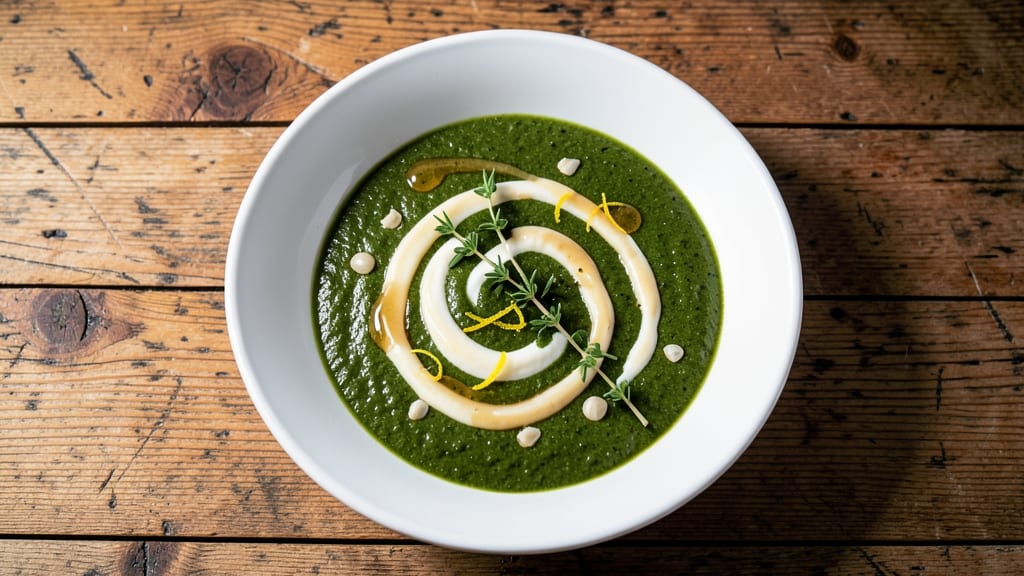
This sorrel sauce recipe transforms simple ingredients into a vibrant, tangy condiment that elevates roasted meats and delicate fish. The bright acidity of sorrel—paired with cream, garlic, and thyme—creates a sauce that’s both elegant and approachable, perfect for weeknight dinners or special occasions.
What sets this version apart is the balance: enough tartness to cut through rich proteins, but a velvety texture that feels luxurious.
The process is straightforward: simmer fresh sorrel leaves in broth until tender, then blend with cream, garlic, and lemon juice for a silky consistency. Straining ensures a smooth finish, while a final touch of thyme adds depth.
Unlike store-bought versions, this sauce develops layers of flavor as it rests, making it even more rewarding the next day. The result? A sauce that’s restaurant-worthy but simple enough for home cooks to master.
Use it as a drizzle over roasted chicken, a dip for steamed potatoes, or a glaze for grilled fish—its versatility makes it a pantry staple. The key lies in the sorrel: harvest young leaves for the brightest flavor, and don’t skip the straining step for that velvety perfection.
With just a handful of ingredients and 20 minutes of active time, you’ll have a sauce that turns ordinary dishes into something extraordinary.
For extra richness, stir in a splash of white wine during simmering, or swap cream for coconut milk for a vegan twist. The possibilities are endless, but the foundation remains the same: a harmonious blend of tart, creamy, and herbal notes that’s impossible to resist.
Let’s make this sauce—your taste buds will thank you.
Ingredients for sorrel sauce
Nine ingredients. One sauce. Restaurant-quality tartness at home.
| Ingredient | Amount | Notes |
|---|---|---|
| Fresh Sorrel Leaves 🌿 | 2 cups | Young leaves preferred for brightness |
| Heavy Cream 🥛 | 1 cup | Full-fat for richest texture |
| Garlic Cloves 🧄 | 3 cloves | Peeled and lightly crushed |
| Fresh Thyme Leaves 🌿 | ¼ cup | Or 1 tbsp dried thyme |
| Lemon Juice 🍋 | ¼ cup | Freshly squeezed, strained |
| Chicken Broth 💧 | 1 cup | Low-sodium preferred |
| Extra-Virgin Olive Oil 🫒 | ¼ cup | For finishing drizzle |
| Salt 🧂 | ½ tsp | Diamond Crystal preferred |
| White Wine 🍷 | ¼ cup | Dry variety, optional |
Sorrel is the star—young leaves pack the brightest punch. Local farmers markets often have the freshest cuts, but grocery store produce sections usually carry it too. Look for vibrant green leaves without yellowing or wilted spots. The thyme should be fragrant and not dried out; Trader Joe's carries excellent fresh thyme year-round. For the cream, full-fat works best—it creates that velvety texture the sauce is known for. If you're using white wine, a crisp Sauvignon Blanc or Pinot Grigio adds subtle herbal notes that complement the sorrel beautifully.
No fresh sorrel? Spinach or Swiss chard can substitute in a pinch, though the flavor will be milder. Running low on heavy cream? Coconut milk works for a vegan version, though the texture will be slightly lighter. No thyme? Fresh parsley at half the amount adds brightness without the same depth. The chicken broth can be swapped for vegetable broth for a vegetarian version. For extra richness, add 1 tbsp of crème fraîche at the end—it balances the tartness perfectly. The garlic should be lightly crushed to release flavor without turning bitter.
This sauce keeps beautifully—3-4 days in the fridge once made, though it tastes even better the next day as flavors meld. For longer storage, freeze in ice cube trays and thaw as needed. The sorrel leaves can be prepped ahead and stored in a sealed container with a damp paper towel for up to 3 days. When reheating, add a splash of water or broth to prevent curdling. The sauce pairs perfectly with roasted meats, grilled fish, or even as a dip for crusty bread or steamed asparagus
Why You'll Love This Recipe
- Here’s what sold me: this sauce keeps for days in the fridge, and it only gets better as the flavors meld. I’ve had it last a week, reheating small portions for quick lunches or tossing it into omelets. Plus, the ingredients are cheap—fresh sorrel grows wild in some places, and the rest? Pantry staples.
- No Chopping Chaos: I swear by this recipe because the sorrel leaves just need a rough tear—no fussy dicing or measuring. The garlic gets a quick smash with the flat side of a knife, and the thyme? Just a pinch straight from the stem. Honestly, I’ve made this while chatting on the phone.
- Tangy Creamy Magic: That first spoonful of sorrel sauce—bright, garlicky, with a whisper of lemon—is like a hug for your taste buds. The heavy cream softens the sorrel’s sharpness into something velvety, while the thyme adds this earthy warmth that makes it ridiculously good on everything from grilled fish to buttered toast.
- Pot Luck Hero: Between us, this sauce is my go-to for last-minute dinner parties. Drizzle it over roasted chicken, toss it with pasta, or serve it alongside shrimp—it works every time. And if you’re feeding a crowd? Double the batch and thank me later.
Step-by-step instructions for sorrel sauce
Here's the method for a bright, herbaceous sauce that balances tartness with richness perfectly.
Blanch and Prepare the Sorrel
Bring a small pot of water to a gentle simmer and add the 2 cups fresh sorrel leaves. Blanch for 30 seconds until just wilted—this softens the leaves slightly while preserving their vibrant color. Immediately drain and transfer to a bowl of ice water to stop the cooking process and maintain crispness.
Drain again thoroughly, then chop the sorrel into small pieces—about ¼-inch thick. I like to use young leaves for their brightness, but older leaves work too if you're gentle with the blanching time. The key here is preventing bitterness while keeping that signature tang. Set the chopped sorrel aside for the next step.
Build the Flavor Base
In a medium saucepan, heat the 0.25 cup extra-virgin olive oil over medium heat. Add the 3 peeled and lightly crushed garlic cloves and 0.25 cup fresh thyme leaves, cooking for 1-2 minutes until the garlic is fragrant but not browned. This gentle cooking releases the aromatic oils without burning them.
Stir in the 0.25 cup lemon juice and 0.25 cup white wine, letting the mixture simmer for 2 minutes to reduce slightly and deepen the flavors. The wine adds complexity while cutting through the sorrel's tartness. Keep the heat at medium-low—you want to develop the flavors without letting the alcohol cook off completely.
Simmer the Sorrel Mixture
Add the blanched and chopped sorrel to the pan along with the 1 cup chicken broth and 0.5 teaspoon salt. Stir well to combine, then reduce the heat to low and let the mixture simmer gently for 10-12 minutes. You'll see the sorrel soften further and the sauce begin to take on a vibrant green hue.
Taste occasionally during this time—you're looking for a balance between tartness and smoothness. If the sauce becomes too thick, add 1-2 tablespoons of water to maintain a pourable consistency. The goal is a sauce that clings beautifully to proteins while still having a light, velvety texture.
Finish with Cream and Emulsify
Remove the pan from heat and let it cool slightly for 2 minutes. Then, slowly whisk in the 1 cup heavy cream in a thin stream while continuing to stir. This gradual addition prevents curdling and creates a silky emulsion. Return the pan to low heat and simmer for another 3-4 minutes, stirring constantly until the sauce thickens slightly.
For the final touch, strain the sauce through a fine-mesh sieve to remove any herb stems or garlic pieces, pressing gently on the solids to extract maximum flavor. The result should be a luscious, green-hued sauce with a perfect balance of tangy sorrel, herbal thyme, and creamy richness. Taste and adjust seasoning with additional salt if needed.
Pro Tips For Making Sorrel Sauce
- WILT SORREL FIRST: Toss fresh sorrel leaves in boiling water for 30 seconds before draining—this softens the tough edges and prevents that bitter bite creeping into your sauce. I learned this the hard way after serving a sauce that tasted like someone chewed on a leather glove.
- USE COLD CREAM: Chill the heavy cream before adding it to the sorrel mixture—this keeps the sauce from curdling when the hot sorrel hits it. I was skeptical until I tried it; now, my sauce stays silky instead of grainy.
- STRAIN WELL: After cooking, press the sorrel through a fine-mesh sieve or cheesecloth to remove every last fiber—no one wants to taste a leaf while enjoying their sauce. This isn’t the prettiest method, but it’s the tastiest.
- SALT THE CREAM: Season the heavy cream with a pinch of salt before blending it in—this balances the acidity of the lemon and sorrel upfront, so you’re not scrambling to fix flavor at the end. Trust me, your future self will notice the difference.
Regional styles of sorrel sauce
French Sorrel Sauce
In France, sorrel sauce—called sauce à l'oseille—is a classic accompaniment for roasted meats and fish. The French version often includes a splash of dry white wine (like Sauvignon Blanc) and a touch of Dijon mustard for depth.
I’ve made this sauce countless times at Parisian bistros, where it’s served with sole meunière or roast chicken. The key difference? French chefs often finish it with a drizzle of crème fraîche for extra tang and texture. 🍷
British Sorrel Soup Base
Across the pond, sorrel sauce takes center stage in sorrel soup, a British staple. While the soup itself is a hearty dish, the sauce is used as a garnish or drizzled over roast lamb or boiled potatoes.
Traditional recipes call for butter instead of cream and often include a splash of apple cider vinegar to enhance the tartness. I remember my grandmother’s version—she’d simmer the sorrel with onion and leek for a sweeter, more complex flavor profile.
Southern U.S. Sorrel Sauce
In the American South, sorrel sauce is a beloved condiment for fried chicken and collard greens. The Southern twist? A pinch of smoked paprika or hot sauce adds a subtle kick. I’ve seen it served as a dip for cornbread or drizzled over black-eyed peas.
The heat and creaminess balance perfectly, making it a standout at potlucks. For a true Southern touch, swap the thyme for fresh rosemary.
Scandinavian Sorrel Sauce
Nordic countries like Sweden and Norway use sorrel sauce—surmelé—as a bright contrast to rich smoked fish or roasted root vegetables. The Scandinavian approach often includes dill and a splash of sour cream for a tangier profile.
I love how the sorrel’s acidity cuts through the richness of smoked salmon or pickled herring. The sauce is also a staple in Swedish meatballs, where it’s served on the side for dipping. 🌿
Modern Fusion Twist
For a contemporary take, I’ve experimented with adding goat cheese or avocado purée to the sauce for a creamy, velvety texture. This works beautifully with grilled shrimp or seared scallops. Another fun variation?
A miso-sorrel sauce—just add 1 teaspoon white miso paste during the simmer for an umami depth that pairs perfectly with seared tuna. The possibilities are endless, but the foundation remains the same: bright, tangy, and irresistibly creamy. ✨
Nutrition facts
Frequently asked questions
Can I use dried sorrel instead of fresh?
Fresh sorrel is ideal for this sauce, but you can substitute dried sorrel at a 1:3 ratio—so ⅓ cup dried for 1 cup fresh. First, rehydrate the dried leaves in warm water for 5 minutes before using. The flavor will be concentrated, so reduce the lemon juice slightly to avoid overpowering tartness. Dried sorrel loses some brightness, but it works in a pinch!
How do I fix a sauce that's too thick or too thin?
For a thick sauce, whisk in 1-2 tablespoons of warm broth or water while stirring constantly over low heat. For a thin sauce, simmer uncovered for 2-3 minutes to reduce. If it curdles, whisk in 1 teaspoon of cornstarch mixed with 1 tablespoon cold water to stabilize it. The goal is a velvety consistency that coats a spoon but still flows easily.
What are the best proteins to pair with this sauce?
This sauce shines with delicate, rich proteins—try it with pan-seared trout, roast chicken, or grilled lamb chops. It also works beautifully with steamed asparagus or roasted potatoes for a vegetarian option. The key is balancing the sauce's tartness with proteins that won't overpower its bright herbal notes.
Can I make this sauce ahead of time?
This sauce tastes even better the next day as flavors meld. Store it in an airtight container in the fridge for up to 4 days. Before serving, gently reheat over low heat with a splash of broth or water to restore its silky texture. For longer storage, freeze in ice cube trays—thaw overnight in the fridge and whisk to smooth out.
Why did my sauce turn bitter?
Overcooking the sorrel is the most common cause—simmer it for no longer than 12 minutes. Using older leaves or wilted sorrel can also add bitterness. To fix it, whisk in 1 teaspoon of honey or sugar to balance the tartness, or add a splash of lemon juice to brighten the flavor. Always use fresh, young sorrel leaves for the best results!