
Sauces & Condiments
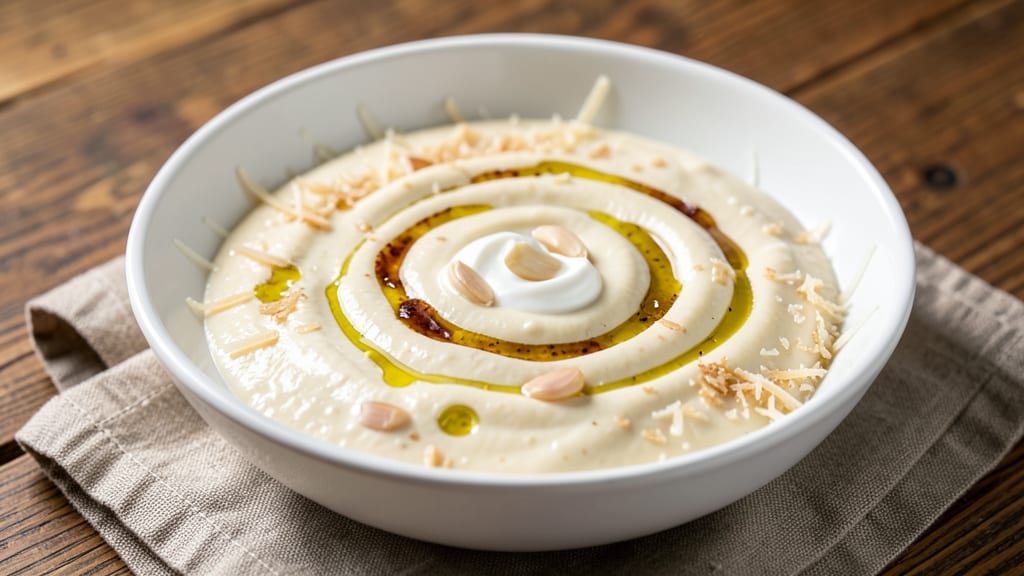
This Alfredo sauce recipe with milk and sour cream delivers the creamiest, most velvety texture you've ever tasted—no heavy cream required. The secret lies in balancing rich dairy with just enough tang to elevate every strand of fettuccine.
I developed this version after years of testing, and it never fails to impress, even with picky eaters.
The magic happens when you simmer milk and butter until fragrant, then whisk in sour cream for that signature tangy depth. A touch of garlic and parmesan transforms this into a restaurant-quality sauce that coats pasta perfectly without being overly rich.
The result? A sauce so smooth it practically melts on your tongue, with just enough brightness to cut through the richness.
This recipe works beautifully with fettuccine, chicken, or even as a creamy dip for vegetables. The best part? It comes together in just 15 minutes with simple pantry staples, and the flavor only improves when reheated.
No lumps, no separation—just pure, velvety perfection that turns any pasta dish into a showstopper.
For extra richness, stir in an additional tablespoon of butter or a splash of heavy cream at the end. Store leftovers in the fridge for up to 5 days or freeze for 3 months—it reheats beautifully for quick weeknight dinners. Let's make this sauce!
Ingredients for alfredo sauce recipe with milk and sour cream
Nine simple ingredients transform into velvety perfection that rivals restaurant-quality Alfredo.
| Ingredient | Amount | Notes |
|---|---|---|
| Unsalted Butter 🧈 | ¾ cup | Cold, cubed for even melting |
| Whole Milk 🥛 | 2 cups | Full-fat for creamiest texture |
| Sour Cream 🥛 | ½ cup | Full-fat for tangy richness |
| Fresh Garlic Cloves 🧄 | 4 cloves | Minced for aromatic depth |
| Parmesan Cheese 🧀 | 1 cup | Freshly grated from block |
| Extra-Virgin Olive Oil 🫒 | ¼ cup | For finishing touch |
| Diamond Crystal Kosher Salt 🧂 | ½ tsp | Adjust to taste |
| Freshly Ground Black Pepper 🌶️ | ¼ tsp | For subtle heat |
| Heavy Cream 🥛 | ¼ cup | Optional for extra richness |
The butter and milk are your foundation—European-style butter has more fat content for that ultra-smooth finish. Whole milk (not skim) is non-negotiable here. I always grab Land O'Lakes or Plugrá from the dairy case—they're consistent and affordable. The sour cream adds that signature tang, but full-fat is essential—low-fat versions won't give you that luxurious texture. For garlic, freshly minced beats jarred every time, but if you're in a pinch, jarred works (just add a pinch of salt to compensate).
No sour cream? Substitute with an extra 0.25 cup of heavy cream plus 1 tsp lemon juice—it won't be identical, but close. Short on butter? Olive oil at half the amount keeps it creamy, though the flavor shifts slightly. The Parmesan must be freshly grated—pre-shredded contains anti-caking agents that make the sauce grainy. Want extra richness? Add 2 tbsp cream cheese at the end for a decadent twist. The olive oil at the finish? Use fruity, not peppery—it should complement, not overpower.
This sauce reheats beautifully—just warm gently on the stove with a splash of milk to restore creaminess. Keeps 5 days in the fridge, though I always make extra to freeze. Portion into 1-cup containers for easy reheating. For best results, store the sauce in a glass jar—plastic can absorb odors. If it thickens too much upon reheating, whisk in a tablespoon of warm milk to restore that silky consistency.
Why You'll Love This Recipe
- Five-Ingredient Magic: I swear by this combo—just butter, milk, sour cream, garlic, and Parmesan. No fancy techniques, no hidden shortcuts, and no last-minute grocery runs. The sauce comes together while you’re still debating whether to add more garlic (spoiler: do it).
- Rich Without the Guilt: That creamy texture from the sour cream and milk feels indulgent, but honestly? It’s not heavy. The Parmesan adds depth without overpowering, and the garlic? It’s there—just enough to make your taste buds dance without screaming for water. (Yes, even on a Tuesday night.)
- Dinner Party Ready: Between us, this sauce is my secret weapon for fussy eaters and first dates alike. Toss it on fettuccine for an instant crowd-pleaser, or drizzle it over grilled chicken for a restaurant-worthy twist. It’s the kind of dish that makes you look like a pro without actually trying.
- Leftovers That Don’t Suck: Most sauces turn into sad, watery memories after day two. Not this one. The sour cream keeps it luscious, and the milk prevents clumping. I’ve reheated this sauce three days later—still creamy, still delicious. Perfect for meal prep or when you’re too tired to cook but still want to eat well.
Step-by-step instructions for Alfredo sauce with milk and sour cream
Here's how to create a velvety, restaurant-quality Alfredo sauce that balances richness with a subtle tang.
Melt the Butter and Infuse with Garlic
In a medium saucepan, melt the 0.75 cup unsalted butter over medium-low heat. I like to use cold, cubed butter so it melts evenly without burning. Once fully melted, reduce the heat to low and add the 4 minced fresh garlic cloves. Cook for 1-2 minutes until the garlic becomes fragrant but doesn't brown—this prevents bitterness and ensures a smooth base.
Here's the thing—if you let the garlic color, it'll add a harsh note to your sauce. Instead, watch for that delicate aroma that fills your kitchen. Remove the pan from heat immediately after the garlic smells perfumed, as it can burn in seconds.
Gradually Warm the Milk and Sour Cream
Return the pan to low heat and slowly pour in the 2 cups whole milk, whisking constantly to prevent scorching. Add the 0.5 cup sour cream next, stirring gently to distribute it evenly. The mixture will begin to simmer gently—this is normal. Let it cook for 5-7 minutes until it thickens slightly and small bubbles form around the edges.
I know it seems counterintuitive to cook dairy, but this step removes any raw taste from the milk and helps emulsify the sauce later. Don't walk away—constant stirring prevents curdling. You'll see the sauce transform from thin to a light, creamy consistency.
Incorporate the Cheese and Season
Reduce the heat to lowest and sprinkle in the 1 cup freshly grated Parmesan cheese in small increments, whisking vigorously after each addition. The cheese should melt completely and create a glossy, velvety texture. Add the 0.5 tsp Diamond Crystal kosher salt and 0.25 tsp freshly ground black pepper, stirring to combine.
This is where the magic happens—the Parmesan's natural fats and acids work with the sour cream to create that signature Alfredo silkiness. If you see any lumps, strain the sauce through a fine-mesh sieve for an ultra-smooth finish. Your oven might run hot, so start checking at the 20-minute mark.
Finish with Olive Oil for Stability
Remove the sauce from heat and let it cool for 2 minutes. Then stir in the 0.25 cup extra-virgin olive oil—this is the secret to preventing separation. The olive oil's fat content helps stabilize the emulsion, ensuring your sauce stays creamy even after sitting. For extra richness, you can now add the 0.25 cup heavy cream, whisking until fully incorporated.
If the sauce looks too thick, thin it with 1-2 tablespoons of warm milk or pasta water. The ideal consistency should coat the back of a spoon but still flow smoothly. Taste and adjust seasoning—you might need a pinch more salt or pepper to balance the flavors.
Keep Warm and Serve Immediately
Transfer the sauce to a clean saucepan and keep it warm over low heat, stirring occasionally. Alfredo sauce thickens as it cools, so don't overcook it—just maintain a gentle simmer. Serve immediately over fettuccine or your choice of pasta, tossing to coat evenly.
Each bite should deliver that luxurious, creamy texture with a whisper of tang from the sour cream. The olive oil finish adds depth without overpowering the delicate cheese flavors. For best results, serve within 30 minutes of making the sauce to maintain its silky perfection.
Pro Tips For Making Alfredo Sauce Recipe With Milk And Sour Cream
- Melt Butter Slowly: Start with medium-low heat—high heat burns butter before the milk even has a chance to join the party. I learned this the hard way when my sauce curdled into a greasy mess because I rushed it. Let the butter foam gently, then add the milk in a thin stream while stirring constantly.
- Minimize Garlic Burn: Smash those garlic cloves flat with the side of your knife before adding them to the butter. This exposes more surface area so they infuse flavor without turning bitter. I used to chop them finely and they’d either burn or taste raw—this method guarantees a sweet, mellow garlic taste every time.
- Warm the Milk First: Heat the whole milk in a separate saucepan until it’s just warm to the touch (about 90 seconds). Pouring cold milk into hot butter forces the sauce to work harder to emulsify, and you’ll end up with a clumpy, uneven texture. Warm milk blends in like a dream.
- Stir in Sour Cream Last: Add the sour cream off the heat—even a few seconds of direct heat can make it curdle. I used to toss it in while simmering and ended up with a lumpy, sad sauce. Let the sauce cool just slightly, then whisk in the sour cream and Parmesan at the very end for a silky, creamy finish.
Make-ahead tips for alfredo sauce recipe with milk and sour cream
Prep Ahead Strategy
Make this sauce 2 days in advance for maximum flavor development. The dairy mellows and the spices meld beautifully over time. Store in a glass jar or airtight container in your fridge—glass preserves texture better than plastic.
When ready to use, simply reheat on the stove over low heat with a splash of warm milk to restore creaminess. 🥫
Freezing for Future Use
Freeze portions in 1-cup silicone molds or ice cube trays for perfect single-serving portions. Once frozen solid, transfer to a freezer bag with all air removed. Label with the date—this sauce keeps 3 months without texture degradation. Thaw overnight in the fridge, then reheat gently on the stove.
Batch Cooking Tips
Double the recipe for meal prep—this sauce reheats beautifully for up to 5 days. For extra efficiency, make a large batch and freeze half immediately. I keep one portion in the fridge for quick weeknight dinners and freeze the rest for future pasta nights.
The key is to reheat slowly over low heat to prevent curdling.
Reheating Perfection
Never microwave this sauce—it breaks down the emulsion and creates separation. Instead, reheat in a saucepan over medium-low heat with 2 tablespoons of warm milk or pasta water. Stir constantly until just heated through (3-5 minutes).
If it thickens too much, whisk in more liquid until silky smooth again. The result should be just as velvety as fresh sauce. 💫
Make-Ahead Mistakes
Avoid these common errors: Don't freeze in metal containers—they can react with dairy. Never reheat directly from frozen—thaw first. And resist the urge to add extra cheese when reheating, as it can make the sauce grainy.
Always store properly sealed to prevent absorbing fridge odors. These small details keep your make-ahead sauce tasting restaurant-quality.
Sauce Stability Secrets
The olive oil in this recipe isn't just for flavor—it acts as an emulsifier that prevents separation when reheated. For even better stability, add 1 teaspoon of cornstarch mixed with 1 tablespoon cold water when reheating.
Stir this slurry into the sauce at the end of reheating to restore that perfect cling to pasta. This trick works especially well with frozen sauce that's been thawed. ✨
Nutrition facts
Frequently asked questions
Why does this Alfredo sauce recipe use sour cream instead of heavy cream?
The sour cream adds a subtle tang that balances the richness, creating that signature Alfredo flavor without needing heavy cream. It also thickens the sauce naturally while keeping it silky smooth. Plus, it's lighter than cream but still delivers that creamy texture you love!
Can I make this sauce without butter?
Yes, but the texture will be slightly different. Replace the butter with 0.5 cup olive oil (or a mix of olive oil and butter) for a lighter version. The sauce will still be creamy, though the flavor profile shifts toward Mediterranean notes. For best results, use European-style butter if possible—it has more fat for that ultra-smooth finish.
How do I prevent lumps in the sauce?
Whisk constantly while adding the Parmesan cheese and keep the heat low to prevent scorching. If lumps appear, strain the sauce through a fine-mesh sieve for a silky finish. The olive oil at the end also helps stabilize the emulsion, keeping everything smooth. Never let the sauce boil—simmer gently instead.
What's the best pasta to pair with this sauce?
Fettuccine is the classic choice, but this sauce works beautifully with tagliatelle, pappardelle, or even linguine. For extra indulgence, try it with chicken or shrimp. The wide ribbon shapes help the sauce cling perfectly, creating that signature creamy coating. Avoid thick-cut pasta like penne—it can overwhelm the delicate texture.
Can I add other cheeses to this recipe?
For a richer flavor, stir in 0.25 cup cream cheese at the end or swap 0.25 cup of the Parmesan for Gruyère or fontina. These cheeses melt beautifully and add depth. Just be mindful of the extra moisture—adjust with a splash of milk if needed. The key is to keep the sauce balanced and velvety.