
Sauces & Condiments
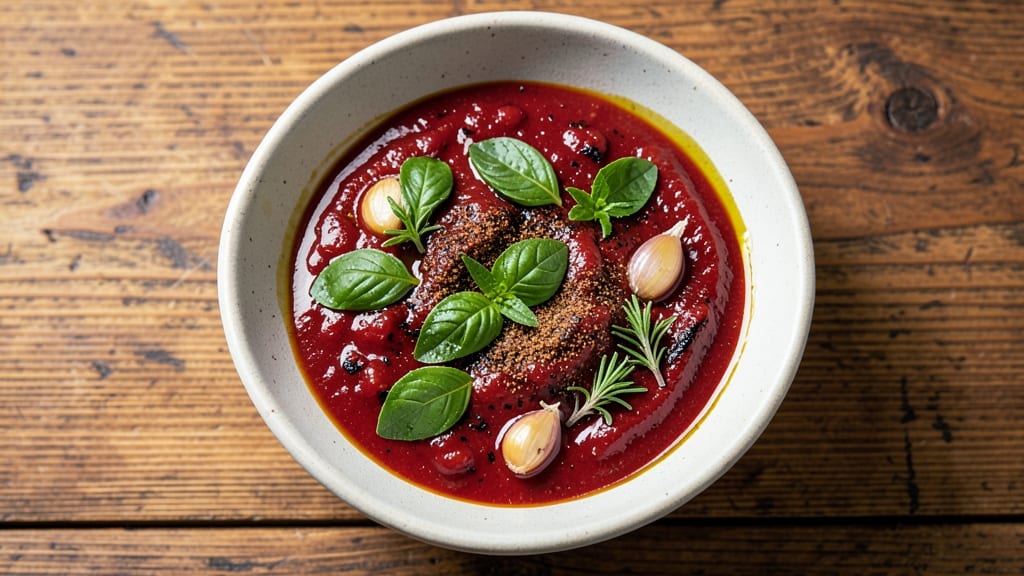
Jamie Oliver's pizza sauce recipe transforms simple ingredients into a smoky, vibrant base that elevates every homemade pizza. I've refined this version over countless batches—balancing sweetness, acidity, and fresh herbs to create a sauce that's restaurant-quality without the fuss.
The secret lies in simmering fresh tomatoes with garlic and herbs until the flavors meld into a velvety, aromatic paste.
This sauce starts with fresh tomatoes (or high-quality canned) that develop deep, caramelized notes when simmered low and slow. A touch of smoked paprika adds that signature depth Jamie Oliver is known for, while fresh basil and oregano bring bright, herby freshness that cuts through the richness.
The texture should be smooth yet slightly chunky—never mushy, always vibrant.
What makes this sauce special is its versatility. Use it as a base for classic Margherita, meat lovers, or even as a marinade for grilled vegetables. The flavor intensifies when stored, so making a batch ahead of time ensures you're always ready for spontaneous pizza nights.
Just store it in the fridge for up to a week or freeze for months.
Ready in just 30 minutes, this sauce delivers restaurant-quality results with minimal effort. The key is patience—letting the flavors develop slowly creates a sauce that's far more complex than anything from a jar. Once you try this, store-bought options will never measure up again.
Ingredients for pizza sauce recipe jamie oliver
Fresh tomatoes, smoky spices, and bright herbs make this pizza sauce shine.
| Ingredient | Amount | Notes |
|---|---|---|
| Fresh Roma Tomatoes 🍅 | 2 lbs | Ripe, firm, and vibrant red |
| Smoked Paprika 🌶️ | 2 tsp | For signature smoky depth |
| Fresh Garlic Cloves 🧄 | 4 cloves | Peeled and roughly chopped |
| Fresh Basil Leaves 🌿 | ½ cup | Packed, stems removed |
| Fresh Oregano Leaves 🌿 | ¼ cup | Or 1 tbsp dried oregano |
| Extra-Virgin Olive Oil 🫒 | ¼ cup | High-quality, fruity variety |
| Balsamic Vinegar 🍷 | 1 tbsp | For subtle sweetness balance |
| Sea Salt 🧂 | 1 tsp | Diamond Crystal preferred |
| Black Pepper 🌶️ | ½ tsp | Freshly cracked for warmth |
| Granulated Sugar 🍚 | 1 tsp | Balances acidity gently |
Fresh Roma tomatoes are the star here—look for ones that smell sweet and feel heavy for their size at the grocery store. Trader Joe's and local farmers markets usually have the best selection. If you can't find fresh, San Marzano canned tomatoes are the next best thing—they're sweeter and less acidic. The smoked paprika is non-negotiable for that signature Jamie Oliver depth; Penzeys or McCormick brands work perfectly. For the herbs, fresh basil and oregano make all the difference—torn by hand releases more flavor than chopped. If you're using dried, use one-third the amount, but fresh is worth the extra minute.
No fresh tomatoes? Roasted cherry tomatoes work in a pinch—just blend them first. Short on basil? Fresh parsley or thyme can stretch it, but reduce to half the amount. The balsamic vinegar can be swapped for red wine vinegar, though it'll be slightly less sweet. For a smokier profile, add 1/4 tsp liquid smoke (like Colman's); it's a game-changer. The sugar is key—brown sugar adds a caramel note, but white works fine. If you're making this ahead, simmer the sauce longer to intensify the flavors.
This sauce tastes even better the next day—make a double batch and store it in the fridge for up to 1 week. For longer storage, freeze in ice cube trays, then transfer to a bag for up to 6 months. The texture thickens when chilled, so stir in a splash of water or olive oil if it seems too stiff. I always keep a jar in the fridge for spontaneous pizza nights—just reheat gently and spread it on. The herbs will wilt slightly, but the flavor stays vibrant.
Why You'll Love This Recipe
- No Chopping Hassle: I swear by this sauce because it’s literally three ingredients after the tomatoes hit the pot—just crush the garlic cloves with your knife, tear the basil, and let the heat do the work. That smoked paprika? It adds depth without a single extra step.
- Deep Umami Magic: Between the charred tomatoes, slow-simmered garlic, and that smoky paprika, this sauce has a richness that store-bought can’t touch. The oregano and basil finish it with a brightness that makes every bite feel like a little vacation.
- Weeknight Superhero: I make a double batch on Sundays, and it lasts me all week for pizzas, pasta, or even as a marinade. No fancy tools, no stress—just a pot, a spoon, and 20 minutes of hands-off simmering while I do whatever else needs doing.
- Budget-Friendly Pantry Hero: Roma tomatoes are cheap, garlic grows like weeds, and herbs last forever if you freeze them. This sauce costs pennies per serving but tastes like I spent hours slaving over it. Honestly, it’s my go-to when I’m broke but still want to feel fancy.
Step-by-step instructions for Jamie Oliver's pizza sauce
Here's how to make a vibrant, smoky pizza sauce that's packed with fresh herb brightness.
Roast the Tomatoes for Deep Flavor
Preheat your oven to 425°F and line a baking sheet with parchment paper. Cut the 2 lbs fresh Roma tomatoes in half lengthwise and place them cut-side down on the prepared sheet. Drizzle with 2 tablespoons of the extra-virgin olive oil and sprinkle with 1 teaspoon sea salt.
Roast for 20-25 minutes until the tomatoes are blistered and beginning to caramelize at the edges. You'll know they're ready when they release easily from the paper and smell intensely sweet and smoky. Let them cool slightly before handling—they'll be hot!
Build the Sauce Base with Aromatics
Transfer the roasted tomatoes to a food processor along with the 4 cloves fresh garlic cloves, 2 teaspoons smoked paprika, 1 teaspoon granulated sugar, and 1 tablespoon balsamic vinegar. Pulse until the tomatoes are coarsely chopped but still have some texture—you want a rustic, chunky sauce, not a smooth purée.
With the processor running, slowly drizzle in the remaining ¼ cup extra-virgin olive oil until fully incorporated. The sauce should look thick and vibrant, with visible tomato pieces and a glossy sheen from the oil. Taste and adjust seasoning—you might need a pinch more salt or sugar depending on your tomatoes' acidity.
Finish with Fresh Herbs for Brightness
In a small bowl, finely chop the ½ cup fresh basil leaves and ¼ cup fresh oregano leaves (discard any tough stems). Fold these herbs into the tomato mixture by hand using a wooden spoon. The herbs should be evenly distributed but still visible—this gives that classic Jamie Oliver fresh herb finish.
Let the sauce sit at room temperature for 10 minutes before using. This resting period allows all the flavors to meld together beautifully. The sauce should be thick enough to cling to pizza dough but still spreadable. If it's too thick, thin with a splash of water or tomato juice to reach your desired consistency.
Simmer for Maximum Flavor Development (Optional)
For an even more developed sauce, transfer the mixture to a small saucepan and simmer gently over low heat for 10-15 minutes, stirring occasionally. This step deepens the smoky flavors and mellows the acidity. Keep an eye on it—you don't want it to reduce too much or burn.
Taste again before using. The perfect sauce should balance sweetness from the roasted tomatoes, smokiness from the paprika, acidity from the balsamic, and fresh herb brightness. This sauce keeps well in the refrigerator for up to 5 days, making it perfect for your next pizza night.
Pro Tips For Making Pizza Sauce Recipe Jamie Oliver
- CRUSH THE GARLIC: Cook the minced garlic in olive oil for no more than 30 seconds—any longer and it turns bitter. I learned this the hard way after burning a batch and tasting that awful, acrid flavor. Keep the heat medium-low and stir constantly.
- SALT THE TOMATOES: Toss halved Roma tomatoes with ½ teaspoon salt and let them sit for 10 minutes before cooking. This draws out excess water, making the sauce thicker and more flavorful. Yes, it’s an extra step, but it’s worth it—your sauce won’t be watery.
- SIMMER LOW AND SLOW: Once the tomatoes break down, reduce heat to lowest possible and let it bubble gently for at least 20 minutes. Rushing this step means a thin, one-dimensional sauce. Patience here makes all the difference—trust me, I’ve made the rushed version.
- STIR IN HERBS LATE: Add fresh basil and oregano only in the last 5 minutes of cooking. Heat kills their bright, fresh flavors, turning them dull. Tear the leaves instead of chopping—it releases more aroma and looks better on top of your pizza.
Make-ahead tips for this dish
Prep Ahead for Pizza Nights
This sauce tastes even better the next day, so I always make a double batch on Sundays. Store it in an airtight glass jar in the fridge for up to 1 week—the flavors deepen as the herbs infuse.
For longer storage, freeze in ice cube trays, then transfer to a freezer bag for up to 6 months. Thaw overnight in the fridge before using. 📅
Herb Prep Shortcut
Save time by prepping your herbs ahead. Store fresh basil and oregano in separate damp paper towels wrapped in plastic wrap. Keep them in the fridge for up to 5 days—they’ll stay fresher longer than in water.
When ready to use, just tear the leaves by hand for maximum flavor. I keep a small container of prepped herbs in my fridge for quick sauce assembly. 🌿
Roast Tomatoes in Advance
Roasting tomatoes takes the most time, so do this step first. Roast them a day ahead and store in the fridge until ready to use. The flavors concentrate overnight, giving your sauce an extra-deep character.
Just reheat gently before processing—10 minutes at 350°F is enough to warm them through. This is my favorite time-saving trick for busy weeknights. ⏰
Sauce Consistency Hacks
If your sauce thickens too much after refrigeration, stir in 1 tablespoon water or olive oil per ½ cup sauce to loosen it. For a smoother texture, blend briefly in a food processor.
Need it chunkier? Leave it as-is—the rustic texture clings beautifully to pizza dough. I always test consistency before using by spreading a small amount on toast. 🍞
Freezer-Friendly Storage
Portion sauce into small jars or silicone molds for easy grab-and-go use. Label with dates—sauce freezes best for 3 months. When ready to use, thaw overnight in the fridge.
For quick use, microwave for 30 seconds (stirring halfway) to warm through. The texture may separate slightly, but a quick stir restores it. 🧊
Weeknight Assembly
Keep all sauce ingredients prepped and stored separately in your fridge. When ready to make sauce, simply roast tomatoes (if not prepped), blend with aromatics, and fold in fresh herbs.
This 10-minute assembly makes it perfect for spontaneous pizza nights. I keep a jar of prepped sauce in my freezer as a backup for those "I'm craving pizza" moments. 🍕
Nutrition facts
Frequently asked questions
Can I use canned tomatoes instead of fresh?
For the best results, use San Marzano canned tomatoes—they're sweeter and less acidic. Drain them well before roasting or processing. If using regular canned tomatoes, add an extra ½ teaspoon sugar to balance the acidity. For a smoky depth, stir in ¼ teaspoon liquid smoke if you're skipping the smoked paprika roast.
How do I adjust the sauce for a meaty pizza?
For a richer, meatier flavor profile, add 1 teaspoon soy sauce or ½ teaspoon Worcestershire sauce to the sauce base. For umami depth, stir in 1 tablespoon tomato paste when simmering. If using ground meat like Italian sausage, cook it separately and mix in just before serving to keep the sauce vibrant.
Why does my sauce taste bitter?
Bitter flavor usually comes from overcooked tomatoes or too much acidity. To fix it, stir in ½ teaspoon sugar or 1 tablespoon balsamic vinegar to balance. If the sauce reduced too much, thin it with a splash of water or a pinch of salt to mellow the intensity. Always taste as you go—this sauce should be bright and balanced, not sharp.
Can I make this sauce in a slow cooker?
Yes! After roasting the tomatoes and blending with aromatics, transfer everything to a slow cooker. Cook on low for 2 hours, stirring occasionally. The slow cooker enhances the smoky flavors while keeping the herbs vibrant. For extra richness, add 1 tablespoon olive oil at the end. Just avoid overcooking—it can make the sauce too thick.
What herbs can I substitute if I don't have basil or oregano?
For basil, try parsley or thyme (use half the amount). For oregano, marjoram or rosemary work well (reduce to ¼ teaspoon dried). If you're missing both, add ½ teaspoon dried mixed Italian seasoning. The key is balancing freshness—if using dried herbs, always use less than the fresh amount.