
Sauces & Condiments
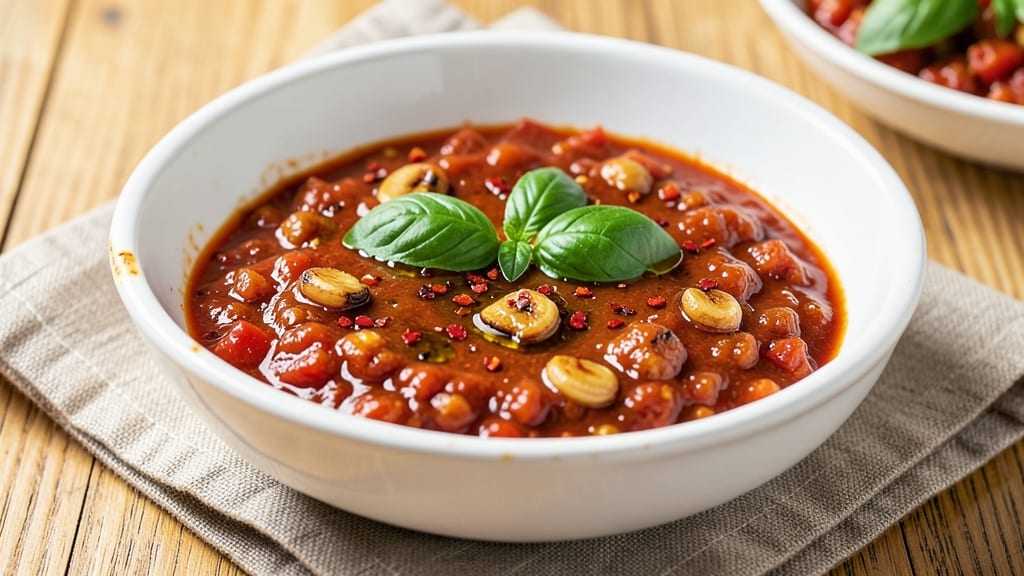
This Jamie Oliver-inspired arrabbiata sauce delivers the perfect balance of fiery heat and bright tomato flavor in under 30 minutes. The secret lies in slow-simmered canned tomatoes, fresh garlic, and a touch of red wine vinegar that brightens the acidity.
This versatile sauce transforms simple pasta into a restaurant-worthy dish while keeping prep straightforward—no fancy techniques required.
The sauce builds depth through a two-step simmer: first caramelizing garlic and chili flakes in olive oil, then letting the tomatoes reduce until thick and glossy. Jamie Oliver’s approach focuses on letting the natural sweetness of the tomatoes shine while the chili flakes add controlled heat.
The result is a sauce that’s bold enough for pizza but refined enough for a weeknight dinner.
What makes this arrabbiata sauce stand out is its versatility—toss it with spaghetti, drizzle over grilled chicken, or use as a marinade for vegetables. The texture is rich yet light, with a slight tang that cuts through the richness.
It’s the kind of sauce that elevates any dish without overpowering it, making it a pantry staple for home cooks.
Once you taste the bright, spicy-sweet finish, you’ll want to make this again and again. The recipe scales easily, so double the batch for leftovers or gifting. Here’s how to create it step by step—no experience needed, just patience for the simmering.
Ingredients for arrabiata sauce jamie oliver
Nine simple ingredients transform into Jamie Oliver's signature bold, tangy arrabbiata sauce—perfect over pasta or grilled meats.
| Ingredient | Amount | Notes |
|---|---|---|
| Extra-Virgin Olive Oil 🫒 | ½ cup | High-quality, fruity variety |
| Garlic Cloves 🧄 | 6 cloves | Freshly peeled, thinly sliced |
| Dried Chili Flakes 🌶️ | 2 tsp | Adjust for desired heat level |
| San Marzano Crushed Tomatoes 🍅 | 2 cups | High-quality, no salt added |
| Red Wine Vinegar 🍷 | 2 tbsp | Brightens the acidity beautifully |
| Fresh Basil Leaves 🌿 | ¼ cup | Packed, stems removed |
| Salt 🧂 | 1 tsp | Diamond Crystal preferred |
| Black Pepper 🌶️ | ½ tsp | Freshly cracked |
| Dried Oregano 🍃 | ½ tsp | Italian variety preferred |
The tomatoes are non-negotiable here. San Marzano is the gold standard—sweet, meaty, and free from added salt. You'll find them at Whole Foods or Trader Joe's in the canned goods aisle, or order online if your local store doesn't carry them. Fresh basil matters too: grab the biggest bunch you can (half will go in the sauce, half on top). The red wine vinegar? Don't skimp—it's what gives that signature bright tang. Bartles & Jaymes makes a solid one if you're not near a wine shop. For the chili flakes, Penzeys
No San Marzano tomatoes? Whole peeled tomatoes in a can work in a pinch, but drain them well and add a pinch of sugar to balance the acidity. Fresh garlic is ideal, but garlic powder at half the amount gets you close if you're short on time. The basil can be swapped for dried oregano at one-third the amount, though fresh basil's bright flavor is worth the effort. Running low on red wine vinegar? Balsamic vinegar works too, but cut the amount to 1 tbsp—it's sweeter. For the olive oil, any extra-virgin will do, but avoid the cheap stuff that tastes like soap. This sauce tastes even better the next day as the flavors meld. Store it in a glass jar in the fridge for up to 5 days, or freeze portions for 3 months. I like to freeze it in ice cube trays for easy single-serving use later. The basil wilts fast, so add it fresh just before serving. If you make a big batch, freeze half right away—it's perfect for quick weeknight meals. The sauce thickens as it cools, so add a splash of water or broth if it's too stiff when reheating.
Why You'll Love This Recipe
- Five-Ingredient Magic: I swear by this recipe because it’s that simple—just olive oil, garlic, chili flakes, San Marzano tomatoes, and a splash of vinegar. No chopping, no peeling, no fancy techniques—just heat, stir, and let the flavors meld. Honestly, it’s the kind of sauce that makes me feel like a proper cook, even when I’m just throwing dinner together after work.
- Heat with Depth: That first sizzle of garlic in olive oil? Pure gold. The dried chili flakes bring the fire, but the San Marzano tomatoes soften it into something balanced—tangy, sweet, and just spicy enough to linger. Between us, the red wine vinegar at the end is the secret weapon; it cuts through the richness and leaves you wanting more.
- Pasta Party Starter: This sauce isn’t just for spaghetti—it’s my go-to for quick weeknight dinners, lazy brunches, or even a last-minute potluck dish. Slather it on toast with a sprinkle of pecorino, toss it with roasted veggies, or use it as a marinade for chicken. I’ve even frozen leftovers for those nights when I just can’t be bothered to cook.
- Budget-Friendly Pantry Hero: A jar of San Marzano tomatoes and a bottle of olive oil last me ages, and the other ingredients? You’re probably already using them. It’s the kind of recipe that stretches a few bucks into a full meal without sacrificing flavor. Plus, it’s one of those dishes that tastes even better the next day—so you’re basically getting double the satisfaction for half the effort.
Step-by-step instructions for Jamie Oliver's arrabiata sauce
This vibrant sauce delivers bold heat and bright tomato flavor—here's how to nail it every time.
Bloom the Chili Flakes in Olive Oil
Heat the 0.5 cup extra-virgin olive oil in a large saucepan over medium-low heat. Add the 2 teaspoons dried chili flakes and stir constantly for 30 seconds until they begin to sizzle and release their aroma. This step draws out the chili's natural oils, which intensifies the heat without burning the delicate garlic that's coming next.
Watch the oil carefully—it should shimmer but not smoke. If it starts to darken, reduce the heat immediately. The chili flakes will infuse the oil with their fiery character, creating the sauce's signature kick. This is the foundation of the flavor profile, so don't rush this step.
Sauté the Garlic Until Fragrant
Add the 6 cloves thinly sliced garlic to the chili-infused oil and cook for 1-2 minutes over medium heat, stirring frequently. The garlic should turn golden around the edges but not brown—this ensures sweetness rather than bitterness. If the garlic starts to darken too quickly, reduce the heat to medium-low.
Here's the thing—garlic burns faster than you think. You'll know it's ready when the kitchen fills with that irresistible aroma. Remove the pan from heat for just a moment if needed to prevent burning, but don't let it cool completely. The residual heat will help incorporate the tomatoes smoothly in the next step.
Build the Tomato Base
Return the pan to medium heat and add the 2 cups San Marzano crushed tomatoes. Stir to combine with the garlic and chili oil, then bring to a gentle simmer. Let the sauce cook uncovered for 10-12 minutes, stirring occasionally, until it thickens slightly and the raw tomato flavor mellows into something rich and complex.
This simmering process allows the tomatoes to break down and develop depth. You'll notice the sauce reduce by about a third—this concentration is crucial for that authentic arrabiata texture. The acidity will start to emerge, but don't worry, we'll balance it next.
Balance with Vinegar and Seasonings
Add the 2 tablespoons red wine vinegar, 1 teaspoon salt, 0.5 teaspoon black pepper, and 0.5 teaspoon dried oregano to the simmering sauce. Stir well and let it cook for another 5 minutes until the flavors meld together. The vinegar brightens the tomatoes while cutting through the richness, creating that perfect balance of sweet, tangy, and spicy.
Taste the sauce now—it should be vibrant with chili heat, bright tomato acidity, and underlying sweetness. If it needs more salt, add it gradually. Remember, you can always adjust seasoning at the end, but you can't take it out. The oregano adds that earthy Mediterranean note that makes this sauce truly special.
Finish with Fresh Basil and Rest
Remove the sauce from heat and stir in the 0.25 cup packed fresh basil leaves. Let the sauce sit off the heat for 5-10 minutes—this resting period allows all the flavors to truly marry together. The basil will infuse the sauce with its fresh, sweet aroma, adding a bright finish that cuts through the heat.
For best results, serve the sauce immediately over your choice of pasta. The heat will be most intense right after cooking, so if you're sensitive to spice, you might want to serve it with some grated Parmesan on the side to cool things down. This sauce is all about balance—hot, sweet, tangy, and fresh all in one perfect bite.
Pro Tips For Making Arrabiata Sauce Jamie Oliver
- Cook Garlic Low: Jamie’s recipe calls for soft garlic, but I learned the hard way—don’t let it brown. Once the oil shimmers, drop in the minced garlic and immediately reduce heat to lowest possible. Stir constantly, and if it starts to sizzle too hard, pull the pan off the heat for 10 seconds. You want golden, not crispy.
- Toast Chili Flakes: Those dried chili flakes aren’t just for flavor—they’re for depth. Before adding them to the oil, toss them in a dry pan over medium heat for 10–15 seconds until they smell intensely aromatic. This releases their oils and cuts through the acidity of the vinegar later. (Yes, even if you’re impatient like me.)
- Simmer Tomatoes Gently: The crushed San Marzanos will break down, but if you boil them hard, they turn mushy and lose their bright acidity. After adding the tomatoes, keep the heat at a barely simmer—tiny bubbles, occasional stirs. If it’s too aggressive, the sauce will taste flat. Think "gentle kiss," not "pressure cooker."
- Finish with Vinegar Last: The red wine vinegar is the star, but add it after the sauce has thickened and reduced. If you toss it in too early, the acid will fight the garlic and tomatoes, making the flavors scatter instead of meld. Wait until the very end—just a splash—and let it brighten the sauce in the last 30 seconds of cooking.
Regional styles of this recipe
Classic Roman Arrabbiata
In Rome, arrabbiata sauce ("angry sauce") is all about bold, unapologetic heat with a touch of sweetness. The Roman version uses San Marzano tomatoes and relies on red pepper flakes (not dried chili) for a more complex heat profile.
I like to add 1 tablespoon tomato paste at the start to deepen the color and richness. The secret? A splash of white wine instead of vinegar—just 2 tablespoons—to brighten without overpowering the tomatoes. 🌶️
For an authentic Roman touch, finish with 1 teaspoon sugar to balance the acidity and a pinch of cinnamon (yes, really!). This might sound unusual, but it adds warmth and complexity that pairs beautifully with spaghetti.
The Romans also love to serve it with pecorino cheese instead of Parmesan—its sharp, tangy flavor cuts through the heat perfectly.
Sicilian Spicy Twist
Sicily takes arrabbiata to another level with its fiery 'nduja paste—a spreadable spicy salami that adds depth and smokiness. Stir in 1 tablespoon 'nduja with the chili flakes at the beginning for a slow, smoky heat that lingers.
The Sicilians also use fresh chili peppers (like 'nduja's cousin, 'nduja peppers) for a fresh, fruity heat instead of dried flakes. 🔥
For extra authenticity, add 1 teaspoon capers and 2 anchovy fillets (finely chopped) when you add the tomatoes. These ingredients might seem unusual, but they add a briny, umami depth that makes the sauce unforgettable.
The Sicilian version is richer and more complex, perfect for hearty pasta dishes like rigatoni or even as a marinade for grilled vegetables.
Neapolitan Simplicity
The Neapolitan approach to arrabbiata is all about simplicity and letting the ingredients shine. They skip the vinegar entirely and instead use 1 tablespoon lemon juice to brighten the sauce. The Neapolitans also prefer fresh basil added at the very end—just before serving—to preserve its vibrant flavor.
I like to blend half the basil directly into the sauce and reserve the rest for garnishing. 🌿
For a true Neapolitan touch, finish with 1 teaspoon honey to balance the heat and acidity. This might seem counterintuitive, but it creates a beautiful contrast that makes the sauce sing. The Neapolitans also love to serve arrabbiata with burrata cheese, whose creamy texture melts beautifully into the sauce.
This version is lighter and more refreshing, perfect for a warm summer evening.
Modern Fusion Adaptations
For a modern twist, try adding 1 teaspoon smoked paprika with the chili flakes to introduce a subtle smokiness. This works surprisingly well with arrabbiata, adding depth without overpowering the bright tomato flavor.
I also love to stir in 1 tablespoon tomato paste at the end for a glossy finish—it adds body and a deeper color. 💫
Another fun fusion idea is to blend in ½ cup roasted red peppers (jarred or fresh) for a sweet, smoky note. This works especially well with arrabbiata served over grilled chicken or fish.
For a vegetarian version, add ½ cup sautéed mushrooms at the end—they absorb the sauce beautifully and add an earthy contrast to the bright, spicy flavors. These modern adaptations keep the sauce versatile for contemporary dishes.
Nutrition facts
Frequently asked questions
Can I make arrabbiata sauce without fresh basil?
If you're short on fresh basil, use 1 teaspoon dried basil instead. For even better flavor, add ½ teaspoon dried oregano to complement the dried basil. The sauce will still taste delicious, though fresh basil adds that signature bright aroma.
How do I adjust the heat level in this sauce?
Start with 1 teaspoon chili flakes for mild heat, 2 teaspoons for medium, or 3 teaspoons for extra spicy. For a smoky kick, add ½ teaspoon smoked paprika along with the chili flakes. Always taste as you go—you can't remove heat once added, but you can balance it with a pinch of sugar or more vinegar.
Can I use arrabbiata sauce for dishes other than pasta?
This versatile sauce works beautifully beyond pasta! Drizzle it over grilled chicken, fish, or roasted vegetables. Use it as a marinade for tofu or meatballs, or spread it on bruschetta. The bright acidity and heat make it perfect for pizza sauce or even as a dip for crusty bread. Think outside the box—it's great in grain bowls too!
Why does my arrabbiata sauce taste too acidic?
If your sauce tastes overly tangy, balance it with ½ teaspoon sugar or 1 tablespoon honey while simmering. For a savory note, stir in ½ teaspoon tomato paste to round out the flavors. The red wine vinegar adds brightness, but too much can overpower—reduce it to 1 tablespoon next time if needed.
How long can I store this sauce in the fridge?
Store in an airtight glass jar in the fridge for up to 5 days. The flavors actually improve after the first day! For longer storage, freeze in ice cube trays or small containers for up to 3 months. The sauce may thicken when refrigerated—just add a splash of water or broth when reheating.