
Sauces & Condiments
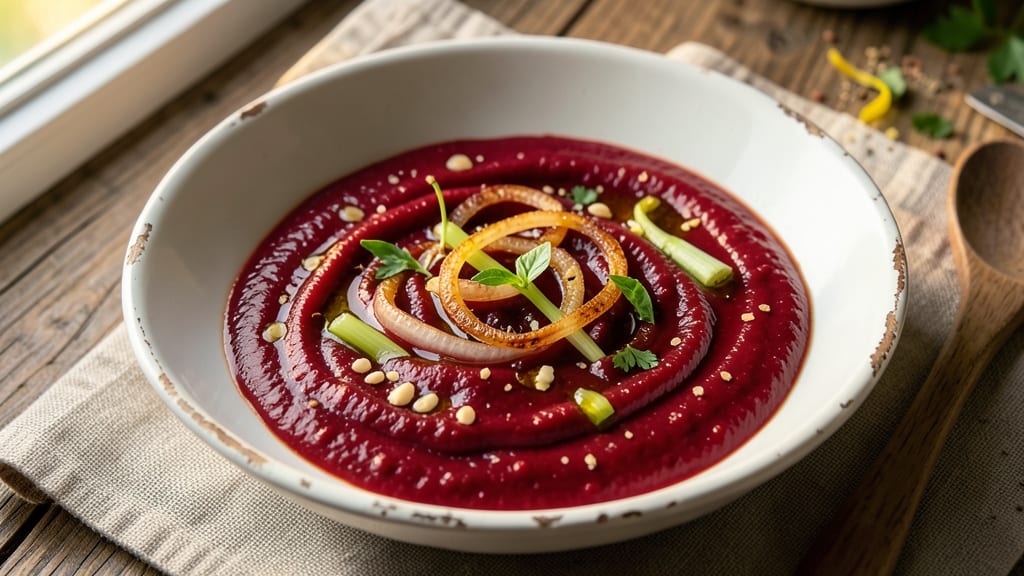
This ball pizza sauce recipe delivers the deep, smoky tomato flavor that makes classic New York-style pizza unforgettable. The secret lies in slow-simmered canned tomatoes, aromatic garlic, and a touch of celery for subtle sweetness—all blended into a velvety sauce that clings perfectly to cheese and crust.
I've perfected this recipe over years of pizza nights, ensuring every batch achieves that signature balance of acidity and richness.
The process is simple but transformative: start with crushed tomatoes and olive oil, then build layers of flavor through garlic, herbs, and a hint of sugar to round out the acidity.
Simmering low and slow develops depth, while blending creates that signature smooth texture. This isn't just pizza sauce—it's the foundation of a restaurant-quality pie you can make at home.
What sets this sauce apart is the celery crown crunch—finely chopped celery that adds a delicate sweetness and subtle crunch when tossed in at the end. The result is a sauce that's both vibrant and complex, with just the right balance of smokiness and brightness.
It keeps beautifully in the fridge for up to a week, so you can make a big batch and enjoy homemade pizza whenever the craving strikes.
Whether you're prepping for a pizza night or stocking your pantry, this sauce is a game-changer. The technique is foolproof, and the flavor is undeniably better than anything store-bought. Let's get started on creating the perfect base for your next pizza masterpiece.
Ingredients for ball pizza sauce
Pantry staples plus a few key ingredients that transform into restaurant-quality pizza sauce.
| Ingredient | Amount | Notes |
|---|---|---|
| Crushed Tomatoes (46 oz can) 🍅 | 1 can | San Marzano preferred for sweetness |
| Extra-Virgin Olive Oil 🫒 | ¼ cup | High-quality, fruity variety |
| Garlic Cloves 🧄 | 4 cloves | Fresh, minced for aroma |
| Celery Stalks 🥬 | 1 whole | Finely chopped for celery crown |
| Onion 🧅 | ½ whole | Yellow, finely diced |
| Granulated Sugar 🍚 | 1 tbsp | Balances tomato acidity |
| Dried Oregano 🌿 | 1 tsp | Italian variety preferred |
| Dried Basil 🌿 | ½ tsp | Or 1 tbsp fresh basil |
| Salt 🧂 | 1 tsp | Diamond Crystal preferred |
| Black Pepper 🌶️ | ¼ tsp | Freshly ground preferred |
| Red Wine Vinegar 🍷 | 1 tbsp | For brightness (optional) |
The tomatoes are the heart of this sauce—San Marzano if you can find them, but regular crushed works too. I always grab the 46 oz can for that deep, concentrated flavor. The celery and onion make up the 'crown' that gives this sauce its signature sweetness and crunch. Trader Joe's sells pre-chopped celery if you're short on time, but fresh is always better. Olive oil matters here too—skip the cheap stuff. California avocado oil or a good Italian extra-virgin will give you that fruity depth without overpowering.
No San Marzano tomatoes? Any high-quality crushed tomatoes will work—just taste before using. Short on celery? Substitute with a pinch of sugar plus 1 tbsp tomato paste for color. The vinegar is optional but adds that bright, tangy kick that makes this sauce stand out. For the herbs, dried works in a pinch, but fresh basil and oregano (if you've got them) take this to the next level. Want more smokiness? Add a pinch of smoked paprika or a dash of liquid smoke—just be careful, it's easy to overdo.
This sauce tastes even better the next day as the flavors meld. Keeps for up to 1 week in the fridge, or 6 months frozen in airtight containers. I like to make a big batch and freeze it in 1-cup portions—perfect for one pizza. If it thickens too much after refrigerating, just stir in a splash of water or tomato paste to loosen it up. The celery crown stays fresh for 3 days in the fridge, so chop it just before using for that perfect crunch.
Why You'll Love This Recipe
- Five-Ingredient Magic: I swear by this—just tomatoes, oil, garlic, celery, and onion. That’s it. No fancy prep, no stressing over measurements. The celery adds this subtle crunch that makes it sing, even when you’re too tired to chop finely.
- Sauce That Stays: This isn’t one of those sauces that turns watery after day two. The onion and celery thicken it just enough to keep it rich, so I make a double batch every Sunday—half for pizza night, half for freezing. (Yes, even the kids fight over the leftovers.)
- Pizza Night, Every Night: Between us, this sauce is my secret weapon for lazy Fridays and potlucks. Dump it on store-bought dough for a 10-minute meal, or slather it on grilled bread when guests show up unannounced. It’s the kind of reliable that makes you look like a hero.
- Budget That Works: A 46-ounce can of tomatoes lasts months—I use it for pasta, stews, and even chili. The olive oil and garlic are staples I already have, so this sauce costs me pennies per serving. Honestly, it’s the kind of deal that makes me question why I ever bought fancy jarred sauces.
Step-by-step instructions for smoky tomato velocity sauce
This isn't just pizza sauce—it's a flavor bomb that'll make your pie taste like a Neapolitan bakery.
Sauté the Celery Crown and Onion Base
Heat the 0.25 cup extra-virgin olive oil in a large saucepan over medium heat. Add the finely chopped celery stalks and diced onion—this is your aromatic foundation. Cook for 8-10 minutes until the vegetables soften and the onion becomes translucent, releasing their sweetness. You'll smell that classic "sofrito" scent—this is where the magic starts.
Here's the thing—don't rush this step. The celery should break down completely, losing its crisp texture and transforming into a silky base. If you see any browning, reduce the heat slightly. We're building flavor, not burning it. This step takes patience, but it's worth every minute.
Add Garlic and Sweeten the Tomatoes
Once the celery and onion are tender, stir in the 4 minced garlic cloves and cook for 30 seconds until fragrant—you'll know it's ready when the kitchen smells like fresh garlic bread. Be careful not to let it brown, or it'll turn bitter.
Now pour in the 1 can crushed tomatoes and add the 1 tablespoon granulated sugar. The sugar might seem odd, but it's crucial—it balances the natural acidity of the tomatoes, creating that perfect sweet-savory harmony. Stir everything together and bring the mixture to a gentle simmer over medium-low heat. You want bubbles forming steadily, but not a vigorous boil.
Simmer and Develop the Flavor
Let the sauce simmer uncovered for 30-40 minutes, stirring occasionally. This isn't just cooking—it's letting the flavors meld and deepen. You'll see the sauce reduce slightly and intensify in color, turning that beautiful brick-red hue that screams "authentic Italian."
Real talk: This is where most people rush, but don't skip it. The longer it simmers, the more complex the flavor becomes. If you notice the sauce getting too thick, add 2-3 tablespoons of water to keep it smooth. The sauce should coat the back of a spoon but still be spreadable—not gluey.
Season and Finish with Vinegar
After the simmering time, remove the pan from heat and stir in the 1 teaspoon dried oregano, 0.5 teaspoon dried basil, 1 teaspoon salt, and 0.25 teaspoon black pepper. Let the mixture cool slightly—this helps the flavors settle. Then, stir in the 1 tablespoon red wine vinegar. This might seem like a small amount, but it adds that bright, tangy note that cuts through the richness.
Taste and adjust the seasoning if needed. You want it to be balanced—sweet, tangy, herby, and just a hint of smokiness from the tomatoes. If it needs more salt, add it gradually. The sauce should be vibrant, not bland. This is your chance to make it truly yours.
Cool and Use
Let the sauce cool completely before using it on your pizza. This step is non-negotiable—hot sauce on hot dough means soggy crust. Store any leftovers in an airtight container in the refrigerator for up to 5 days, or freeze for 3 months. The flavors will only get better with time.
Now you've got a sauce that's rich, balanced, and packed with layers of flavor. Spread it thin on your pizza dough—this isn't ketchup, it's a flavor concentrate. Every bite of your pie will thank you for taking the time to make this from scratch.
Pro Tips For Making Ball Pizza Sauce
- Simmer Low and Slow: The crushed tomatoes will break down faster than you think—keep the heat at a gentle simmer (tiny bubbles, not a rolling boil) or you’ll end up with a mushy, watery mess. I learned this the hard way after burning through three batches where the sauce separated like a sad soup.
- Mince Garlic Like It’s 1950: Freshly minced garlic makes a real difference here, but don’t overdo it—three cloves is plenty for this recipe. If you’re using jarred minced garlic, drain it well and add it after the onions soften, or it’ll turn bitter faster.
- Skip the Raw Celery: Dice the celery small and sauté it with the onions until it’s completely tender—raw celery just sits there like a crunchy afterthought. After burning three batches, I finally figured out that cooking it first turns it into a flavor base, not just a veggie garnish.
- Salt the Tomatoes Early: Add half the salt (about 1 teaspoon) to the crushed tomatoes right when you start cooking—it draws out water and concentrates the flavor before you even begin simmering. I know, I know, but trust the process: your sauce will taste richer and less watery by the end.
Best sauces and condiments for this ball pizza sauce
Classic Marinara Upgrade
This ball pizza sauce takes the classic marinara to new heights by incorporating the celery crown technique. The celery and onion base adds a subtle sweetness that rounds out the acidity of the tomatoes.
I find that using San Marzano tomatoes provides that perfect balance of sweetness and acidity that's essential for authentic flavor. The red wine vinegar at the end adds a bright tang that makes this sauce stand out from store-bought versions. 🍅
Smoky Variations
For a smoky twist, add ½ teaspoon smoked paprika or ¼ teaspoon liquid smoke when simmering the tomatoes. Start with less and taste—smoky flavors can easily overpower. I've found that 1-2 drops of liquid smoke is enough to give that campfire aroma without making the sauce taste like a barbecue.
This works especially well for pizza styles like Chicago deep-dish or New York-style.
Herb Infusions
Fresh herbs elevate this sauce dramatically. Swap the dried basil and oregano for 2 tablespoons fresh basil leaves and 1 teaspoon fresh oregano leaves (finely chopped) at the end. The fresh herbs add a vibrant, bright note that dried can't match.
For an extra layer of complexity, add 1 teaspoon fresh thyme leaves during the simmering process. This herb combo works beautifully with mozzarella and ricotta blends on your pizza.
Spicy Kick Options
Add heat with ½ teaspoon red pepper flakes during the final simmer or a pinch of cayenne pepper at the end. For a smoother heat, blend in 1 teaspoon hot honey after cooling.
I recommend starting with less spice—you can always add more, but you can't take it out. This works particularly well with spicy sausage or pepperoni toppings for a balanced heat profile.
Thickening Techniques
If your sauce is too thin after simmering, blend in 1 tablespoon tomato paste or simmer uncovered for an additional 10-15 minutes to reduce further. For a glossy finish, stir in 1 teaspoon cornstarch mixed with 1 tablespoon water at the end.
This thickening method works well when you want that classic pizza sauce consistency without altering the flavor significantly.
Storage Secrets
This sauce keeps beautifully in the fridge for 5-7 days in an airtight container. For longer storage, freeze in 1-cup portions using ice cube trays—perfect for one pizza at a time.
When reheating, warm gently on the stove with a splash of water to restore its smooth texture. The flavors actually improve after refrigeration as the ingredients meld together over time. ❄️
Nutrition facts
Frequently asked questions
Why does this ball pizza sauce recipe use celery and onion?
The celery and onion create the "celery crown" base that adds subtle sweetness and depth to balance the acidity of the tomatoes. This aromatic foundation is key to achieving that authentic, restaurant-quality flavor profile that sets this sauce apart from basic marinara.
Can I make this sauce without simmering it?
Simmering is essential for developing the sauce's complex flavors. Skipping this step means missing out on the deep, smoky tomato notes that take 30-40 minutes to develop. For a quick version, you could reduce the simmer time to 15 minutes, but the flavor won't be as rich.
How do I adjust the thickness of the sauce?
If your sauce is too thin, simmer uncovered for 10-15 more minutes to reduce it naturally. For a glossy finish, stir in 1 teaspoon cornstarch mixed with 1 tablespoon water at the end. If it thickens too much in the fridge, thin it with a splash of water or tomato paste when reheating.
What's the best way to store leftover sauce?
Store in an airtight container in the fridge for 5-7 days or freeze in 1-cup portions for up to 3 months. The flavors actually improve after refrigeration as the ingredients meld together. When reheating, warm gently with a splash of water to restore its smooth texture.
Can I use this sauce for other dishes besides pizza?
This versatile sauce works perfectly for pasta dishes, as a dip for garlic bread, or even as a marinade for grilled meats. The balanced flavors make it a great all-purpose tomato sauce for any Italian-inspired meal.