
Sauces & Condiments
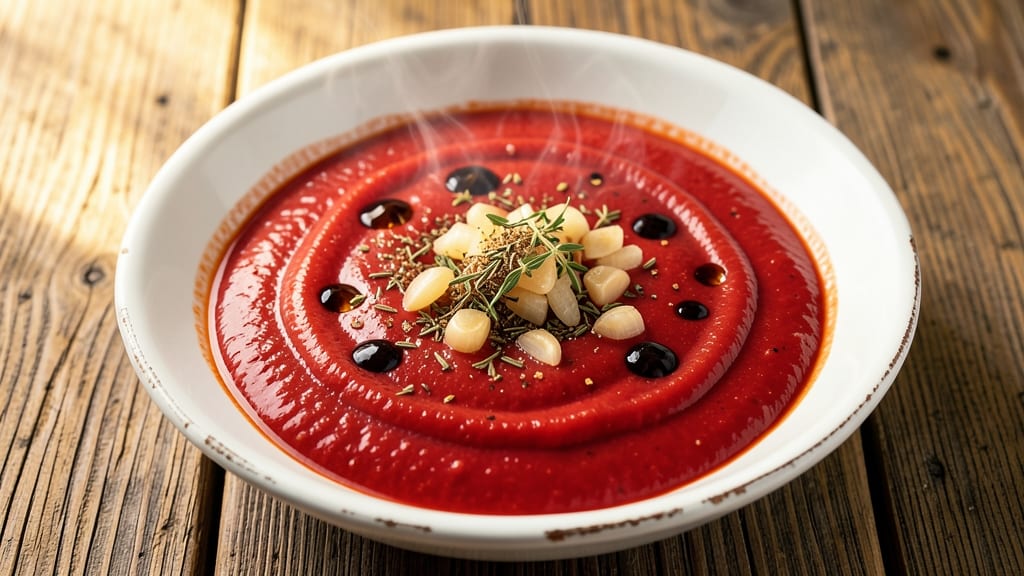
Marco's pizza sauce recipe delivers that perfect balance of smoky depth and bright tomato flavor that elevates every homemade pizza. The secret lies in slow-cooked tomatoes, chipotle powder for subtle heat, and a touch of brown sugar to caramelize the flavors—no canned sauces here.
This sauce builds layers of complexity while staying simple enough for weeknight cooking, and it keeps beautifully in the fridge or freezer.
What makes this sauce stand out is the smoky chipotle kick that transforms basic tomato sauce into something restaurant-worthy. The blend of garlic, onion, and herbs creates a rich base, while the simmering process intensifies the flavors without overpowering the natural sweetness of the tomatoes.
I developed this recipe after years of testing, ensuring it's foolproof and adaptable to any pizza style.
Once you taste this sauce, you'll never go back to store-bought again. The texture is just right—smooth enough to spread easily but thick enough to cling to your pizza crust. It's versatile too: use it on classic pepperoni pies, spicy arrabbiata-style pizzas, or even as a marinade for grilled meats.
The best part? It keeps for up to 3 months in the freezer, so you can make a big batch and have it ready whenever cravings strike.
For those who love customization, you can adjust the heat by adding more chipotle or a pinch of cayenne, or boost the garlic for a bolder flavor profile. The sauce also works beautifully as a dip or pasta topping, proving its versatility beyond the pizza pan.
Let's get started on making this sauce that'll become your new kitchen staple.
Ingredients for marco's pizza sauce
Nine simple ingredients that transform into restaurant-quality pizza sauce with smoky depth.
| Ingredient | Amount | Notes |
|---|---|---|
| San Marzano Tomato Cans 🍅 | 28 oz | Whole peeled tomatoes, crushed by hand |
| Yellow Onion 🧅 | 1 whole | Medium size, finely diced |
| Garlic Cloves 🧄 | 4 cloves | Fresh, minced for depth |
| Chipotle Powder 🌶️ | 1 tbsp | Smoked, for authentic heat |
| Dried Oregano 🌿 | 1 tsp | Italian or Mediterranean blend |
| Brown Sugar 🍯 | 1 tbsp | Light, for subtle caramelization |
| Extra-Virgin Olive Oil 🫒 | ½ cup | High quality, fruity |
| Salt 🧂 | 1 tsp | Diamond Crystal preferred |
| Black Pepper 🌶️ | ½ tsp | Freshly ground for finish |
| Red Wine Vinegar 🍷 | 1 tbsp | Brightens acidity balance |
San Marzano tomatoes are the secret weapon here—their sweetness and low acidity create a perfect base. Trader Joe's and Whole Foods carry them year-round, but if you can't find them, any high-quality canned tomatoes work (just drain well). The chipotle powder is non-negotiable for that smoky kick—Penzeys sells the best, but any smoked paprika will do in a pinch. Fresh garlic and onion build the aromatic foundation, so don't rush the mincing. I always toast my spices lightly in the olive oil first to deepen their flavor—worth the extra minute.
No chipotle powder? Smoked paprika plus a pinch of cayenne gets you close. Substituting dried oregano for fresh? Use half the amount. The brown sugar might seem odd, but it caramelizes beautifully during simmering, adding subtle complexity. Olive oil quality matters—California avocado oil works too if you prefer a milder taste. For extra richness, stir in 1 tablespoon of tomato paste at the end (the squeeze tubes at Trader Joe's are perfect for this). If you're making a big batch, double the vinegar—it balances the sweetness beautifully.
This sauce keeps for 5 days in the fridge or 3 months frozen—perfect for meal prep. Store in airtight containers with a thin layer of olive oil on top to preserve color. I freeze portions in ice cube trays for easy single-use servings. The flavor actually improves after a day or two as everything melds together. Want to use it for something other than pizza? Toss it with pasta or use it as a marinade for grilled chicken—it's that versatile.
Why You'll Love This Recipe
- No-Fuss Weeknight Sauce: I swear by this when I’m too tired to chop anything but onions—and even that’s just one, finely diced. The San Marzanos do all the heavy lifting while I stir, so it’s basically hands-off flavor.
- Smoky-Sweet Kick: That chipotle powder? It’s the secret weapon—just a pinch turns this from basic tomato sauce to something with depth and a little heat. Honestly, I’ve made it three times this week, and my kids still ask for more.
- Pizza or Pasta: Serve it on crusts, toss it with noodles, or even slather it on grilled cheese. I’ll be real: I’ve used the leftovers for all three in one weekend, and it never lets me down.
- Budget-Friendly Pantry Staple: A single can of San Marzanos and a few spices stretch into meals for days. Between us, this is how I feed my family without breaking the bank—plus, it freezes like a dream for lazy days ahead.
Step-by-step instructions for marco's smoky chipotle pizza sauce
Here's how to build a rich, smoky tomato base that'll make your pizza the star of the meal.
Sauté the Onion Until Translucent
Heat the 0.5 cup extra-virgin olive oil in a medium saucepan over medium heat. Add the finely diced yellow onion and cook for 8-10 minutes, stirring occasionally, until completely soft and translucent. You'll know it's ready when the onion releases its sweet aroma and loses its raw bite.
This slow cooking process develops the onion's natural sugars, which will later caramelize and add depth to your sauce. Don't rush this step—patience here prevents bitterness. If the onion starts to brown too quickly, reduce the heat slightly to medium-low and keep stirring.
Add Garlic and Spices for Flavor Development
Push the onions to one side of the pan and add the 4 minced garlic cloves to the empty space. Cook for 30-45 seconds until fragrant—you should smell that wonderful garlic aroma without any burning. Then add the 1 tbsp chipotle powder, 1 tsp dried oregano, 1 tbsp brown sugar, 1 tsp salt, and 0.5 tsp black pepper.
Stir everything together for 1 minute to toast the spices slightly. This step awakens the flavors and prevents the chipotle from being overpowering. The brown sugar will start to dissolve slightly, creating a subtle caramelization that balances the smokiness. If you notice any spices sticking to the bottom, add a splash of water to deglaze and incorporate them fully.
Simmer the Tomatoes Until Thickened
Pour in the 28 oz San Marzano tomato cans (crushed by hand) and the 1 tbsp red wine vinegar. Stir well to combine all ingredients. Bring the mixture to a gentle boil over medium-high heat, then immediately reduce to low heat and let it simmer uncovered for 30-40 minutes.
You're looking for the sauce to thicken noticeably—it should coat the back of a spoon when you stir it. The acidity from the vinegar helps break down the tomatoes' pectin, creating that perfect pizza sauce consistency. Taste occasionally and adjust seasoning if needed, adding more salt or chipotle powder as you prefer. Real talk: this is where the magic happens—the flavors meld and deepen into something truly special.
Blend for Silky Smoothness (Optional)
For a completely smooth sauce, transfer the simmered mixture to a blender or food processor. Pulse until you reach your desired consistency—just a few quick pulses will give you a slightly textured sauce, while longer blending creates a velvety smooth finish. If blending, be careful with the hot liquid and use the "splash guard" or hold the lid down firmly.
If you prefer a rustic texture with some tomato chunks, simply stir the sauce one last time before using. Either way, let it cool slightly before using on pizza—hot sauce can make your cheese cook too quickly. This sauce keeps well in the refrigerator for up to 5 days or can be frozen for 3 months for future pizza nights.
Pro Tips For Making Marco'S Pizza Sauce
- CRUSH THE ONIONS: Pulse them in a food processor until they’re almost paste—no big chunks, just tiny specks. I used to chop them by hand, but this cuts down on cooking time and keeps the sauce smooth. (Yes, even if you’re impatient like me.)
- SWEAT THE GARLIC LOW: Once the onions are translucent, turn the heat down to medium-low and add the garlic. It’ll take 2-3 minutes to soften fully, but rushing this step burns the garlic faster than you can say “disaster.” Trust me, you’ll taste the difference.
- SALT THE TOMATOES FIRST: Drain the San Marzano cans, then sprinkle 1 teaspoon of salt directly over the tomatoes and let them sit for 10 minutes. This breaks down the skins slightly and deepens the flavor—no extra work, just better sauce later.
- TOAST THE SPICES DRY: Heat a dry skillet over medium and toast the chipotle powder and oregano for 30 seconds until fragrant. Then whisk it into the sauce at the end. Sounds weird, but it works—it amplifies the smoky, earthy notes without overpowering. (Your future self will thank you.)
Dietary considerations for this marco's pizza sauce
Gluten-Free Friendly
This sauce is naturally gluten-free since it contains no wheat-based ingredients. The base ingredients—tomatoes, onions, garlic, olive oil, and spices—are all gluten-free staples. However, always double-check your chipotle powder and dried oregano labels, as some brands may process their products in facilities that handle gluten.
I use Penzeys spices because they clearly label their products as gluten-free. 🌱
Low-Sugar Adaptation
For a lower sugar version, reduce the brown sugar to just ½ tablespoon or omit it entirely. The sauce will still taste delicious, though slightly less caramelized. To compensate for the lost sweetness, add an extra ½ teaspoon of salt to balance the flavors.
If you're watching sugar intake, this tweak keeps the sauce just as flavorful without the added sweetness.
Dairy-Free & Vegan
This pizza sauce is already dairy-free and vegan, making it perfect for plant-based diets. None of the ingredients contain animal products, so you can confidently use it on vegan pizzas or any other vegan dishes.
The smoky chipotle and bright vinegar add depth that complements plant-based cheeses beautifully. I love using this sauce with cashew-based mozzarella for a fully vegan pizza experience.
Allergy Considerations
If you have nightshade allergies, be cautious with the tomatoes and chipotle powder. Chipotle is derived from jalapeños, which are nightshades, so you may need to substitute it with smoked paprika or omit it entirely.
For tomato allergies, try using roasted red bell peppers as a base instead—they provide a similar sweetness and texture without the nightshade risk. Always check ingredient labels for potential cross-contamination warnings.
Sugar-Free Option
For a completely sugar-free version, replace the brown sugar with 1 teaspoon of erythritol or monk fruit sweetener. This maintains the subtle caramelization without raising blood sugar levels. The sauce will still thicken beautifully during simmering, and the sweetener won't alter the smoky flavor profile.
I've tested this version with Swerve brand sweetener, and it works perfectly. 💡
Nutrition facts
Frequently asked questions
Can I make this sauce without chipotle powder?
For a milder version, substitute 1 tbsp smoked paprika plus ¼ tsp cayenne pepper for the chipotle powder. This combo gives you the smoky depth without the heat. If you prefer no spice at all, use 1 tsp regular paprika instead—just know the flavor will be more traditional rather than smoky.
How do I adjust the thickness for different pizza styles?
For thin-crust pizza, use the sauce as-is—it's perfectly balanced. For deep-dish or stuffed crust, simmer the sauce 10-15 minutes longer until it reaches a thicker consistency. If it's too thick, thin with 1-2 tbsp water or red wine vinegar while simmering. The sauce should coat the back of a spoon but still spread easily.
What's the best way to store leftovers?
Store in an airtight container in the fridge for up to 5 days or freeze in portions for 3 months. For freezing, use ice cube trays for single-use servings—just thaw overnight in the fridge. To preserve color, add a thin layer of olive oil on top before sealing. The sauce actually tastes better after resting 24 hours as flavors meld!
Can I use this sauce for other dishes besides pizza?
Yes! It works perfectly as a pasta sauce, marinade for grilled chicken, or even a dip for garlic bread. For pasta, simmer it 5 more minutes to concentrate flavors. As a marinade, combine with 2 tbsp olive oil and use on chicken or shrimp for 30-60 minutes before cooking. The smoky depth elevates everything!
Why does my sauce taste too acidic?
This usually happens if you used too much red wine vinegar or didn't simmer long enough. Balance it by adding ½ tsp brown sugar or 1 tsp tomato paste to sweeten, or a pinch of salt to round out flavors. For future batches, reduce vinegar to ½ tbsp and simmer 5 extra minutes to let acidity mellow.