
Sauces & Condiments
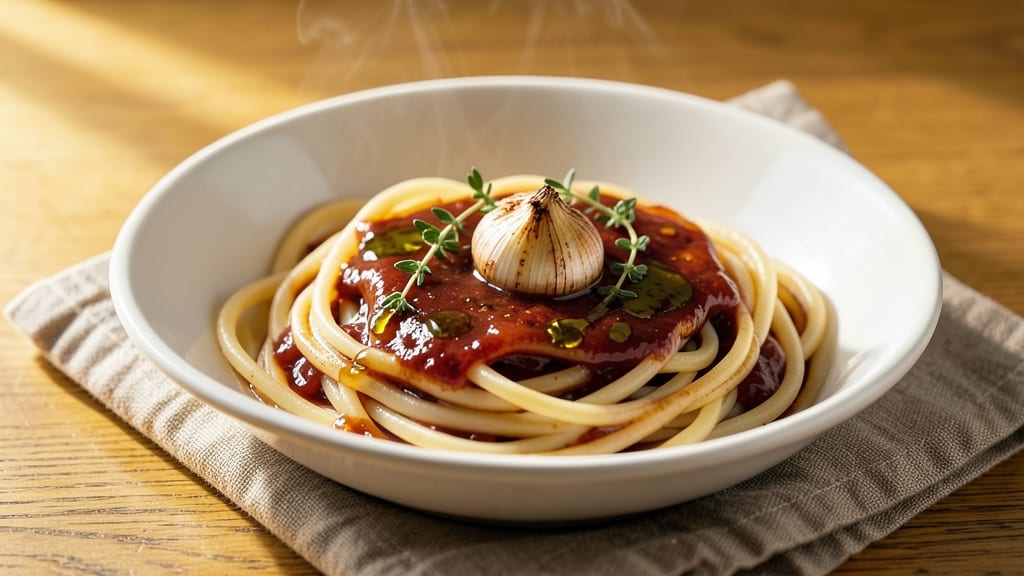
This balsamic vinegar pasta sauce transforms simple ingredients into a glossy, caramelized masterpiece that elevates any pasta dish. The key lies in patience—simmering vinegar, sugar, and oil until it reduces to a thick, velvety sauce with deep, complex flavors.
I perfected this recipe after years of experimenting, and it never fails to impress with its rich, tangy-sweet balance.
The process is straightforward but requires attention: start with equal parts balsamic vinegar and oil, add sugar to help the reduction, and let it simmer uncovered until it thickens to a syrupy consistency.
Optional herbs like thyme or garlic add layers of aromatic depth, but the sauce shines even without them. This isn’t just a sauce—it’s a flavor booster that turns ordinary pasta into something extraordinary.
What you’ll end up with is a deep red, glossy sauce that clings beautifully to noodles, offering a perfect harmony of sweet, tangy, and slightly smoky notes. It’s versatile enough to pair with spaghetti, penne, or even grilled meats, yet simple enough to make on a weeknight.
The best part? It keeps well in the fridge for up to a week, so you can make a batch ahead and enjoy it all week long.
For an extra touch of sophistication, finish with a drizzle of olive oil and fresh herbs before serving. This sauce is a game-changer for anyone looking to add restaurant-quality depth to their meals without the fuss. Let’s get started!
Ingredients for balsamic vinegar pasta sauce
Eight simple ingredients transform into a rich, glossy sauce that clings perfectly to pasta.
| Ingredient | Amount | Notes |
|---|---|---|
| Balsamic Vinegar 🍷 | 1 cup | High-quality aged variety preferred |
| Extra-Virgin Olive Oil 🫒 | 1 cup | Fruity, not bitter |
| Granulated Sugar 🍚 | ¼ cup | White or brown sugar works |
| Garlic Cloves 🧄 | 3 cloves | Minced for aromatic depth |
| Fresh Thyme Leaves 🌿 | ½ tsp | Or 0.25 tsp dried thyme |
| Salt 🧂 | ½ tsp | Kosher or sea salt |
| Black Pepper 🌶️ | ¼ tsp | Freshly ground preferred |
| Butter 🧈 | 2 tbsp | Unsalted for flavor control |
The balsamic vinegar is where the magic happens—aged balsamic from Trader Joe's or Whole Foods gives the deepest flavor. I always grab the dark, thick variety (not the thin kind) because it has more caramelized notes. Olive oil should be extra-virgin and fruity—none of that cheap stuff. The sugar helps the reduction process along, so don't skip it. Garlic is optional but adds a lovely depth, and I usually toast the minced cloves in the olive oil first for extra flavor. Thyme is subtle but makes a difference—fresh is ideal, but dried works in a pinch.
No aged balsamic? Red wine vinegar with a splash of balsamic glaze gets you close. No thyme? Dried oregano at half the amount works too. Sugar too sweet? Reduce the amount by a teaspoon. The butter at the end is optional but adds silky richness—skip it if you're watching calories. For a smokier touch, add a pinch of smoked paprika. And if you're making this ahead, the flavors actually improve overnight as everything melds together.
This sauce keeps beautifully in the fridge for up to 1 week, sealed in an airtight jar. The flavors deepen over time, so it's perfect for making ahead. For longer storage, freeze portions in ice cube trays—thaw and reheat gently for 3 months. I always make a double batch because it disappears faster than you'd think. Just stir and reheat gently on the stove—no need to add extra liquid. The sauce thickens as it cools, so add a splash of water if it's too stiff.
Why You'll Love This Recipe
- Five-Ingredient Magic: I swear by this one—just vinegar, oil, sugar, garlic, and thyme. No blender, no straining, no fuss. The sugar and vinegar caramelize into this glossy, tangy-sweet sauce while you boil water. Honestly, it’s the kind of recipe that makes me feel like a chef without the drama.
- Umami Bomb: That first spoonful? Chef’s kiss. The balsamic reduces into a deep, jammy richness while the garlic sizzles into fragrant gold. The thyme adds a bright herbal lift that cuts through the sweetness—like a perfect balance of sweet, sour, and savory. It’s the kind of flavor that makes you pause mid-bite.
- Weeknight & Date Night: Throw it on spaghetti for a 20-minute dinner or drizzle it over grilled chicken for a fancy-feeling meal. Between us, I’ve served this at both my “I’m too tired” Tuesdays and my “let’s impress” Fridays. The sauce keeps well in the fridge, so it’s always there when you need it.
- Budget-Friendly Luxury: I use this sauce more than any other because it’s stupidly cheap to make—just pennies per serving—and tastes like you spent hours simmering something fancy. A little olive oil goes a long way, and balsamic vinegar lasts forever. It’s my go-to when I want restaurant-quality without the price tag.
Step-by-step instructions for balsamic vinegar pasta sauce
Here's how to make a rich, glossy reduction that coats every strand of pasta perfectly.
Simmer the Balsamic and Sugar Until Deeply Caramelized
In a medium saucepan, combine the 1 cup balsamic vinegar and 0.25 cup granulated sugar. Place over medium-high heat and bring to a gentle boil, stirring occasionally to dissolve the sugar completely. Here's the thing—you want this to reduce by about half, so let it bubble away for 15-20 minutes until it turns into a thick, syrupy consistency.
Watch closely as it transforms from golden to deep amber—this is where the magic happens. You'll notice the aroma become rich and complex, almost like a cross between fruit preserves and vinegar. Once it's reduced to about ½ cup and coats the back of a spoon, remove it from heat and set aside. This concentrated base is the heart of your sauce, so don't rush this step.
Infuse the Olive Oil with Garlic and Thyme
In the same saucepan (no need to clean it—the fond adds flavor), add the 1 cup extra-virgin olive oil and place over low heat. Add the 3 minced garlic cloves and 0.5 tsp fresh thyme leaves, stirring gently to combine. Keep the heat low—you're not cooking here, just infusing the oil with flavor.
Let it warm for 3-4 minutes until the garlic becomes fragrant but doesn't brown. You'll smell that wonderful garlic-thyme aroma filling your kitchen—this is your signal that the oil is properly infused. Remove from heat and stir in the 0.5 tsp salt and 0.25 tsp black pepper. Let this mixture cool slightly while you finish the sauce.
Combine and Emulsify the Sauce
Return the caramelized balsamic reduction to the saucepan with the infused oil. Add the 2 tbsp butter and stir to melt it into the warm mixture. Place the pan over low heat again and let it warm through for 2-3 minutes, stirring constantly. This is where the sauce comes together—you're creating an emulsion where the oil and vinegar reduction blend smoothly.
Here's the trick: if the sauce starts to separate, add 1-2 tablespoons of hot pasta water (from when you cook your pasta) and whisk vigorously. The sauce should become glossy and coat the back of a spoon. Taste and adjust seasoning if needed—you might want to add a pinch more salt or pepper to balance the sweet-tangy flavors.
Finish with Pasta and Serve Immediately
Cook your pasta according to package instructions until al dente, reserving 1 cup of pasta water. Drain the pasta and immediately return it to the pot. Pour the balsamic sauce over the pasta and toss vigorously, adding pasta water 1 tablespoon at a time until the sauce coats everything evenly. The residual heat from the pasta will help the sauce cling perfectly.
Serve immediately while the sauce is still warm and glossy. Each strand of pasta should be beautifully coated with that rich, caramelized reduction. The contrast of the sweet-tangy sauce with the salty pasta creates a perfect balance. For extra flair, garnish with fresh thyme leaves or a sprinkle of grated Parmesan cheese.
Pro Tips For Making Balsamic Vinegar Pasta Sauce
- Sear the Garlic: Toss those cloves in the olive oil until they’re golden, not just fragrant—about 30 seconds on medium heat. I learned this the hard way: pale garlic just tastes like garlic, but crispy edges add depth that balances the vinegar’s sharpness.
- Sweat the Thyme: Bruise the thyme leaves between your palms before adding them to the sauce. This releases their oils faster, so you don’t end up with just a hint of herb flavor—it actually carries through the reduction. (Yes, even if you’re impatient like me.)
- Reduce Slowly: Let the balsamic simmer uncovered for 8-10 minutes, stirring occasionally, until it’s syrupy but not burnt. I used to rush this, and the sauce turned bitter—now I set a timer and walk away. Patience here makes all the difference.
- Balance the Sugar: Start with 1 tablespoon of sugar, then taste before reducing. The goal isn’t sweetness—it’s to soften the vinegar’s bite so the olive oil shines. If it’s still harsh, add another teaspoon, but don’t overdo it. (Your future self will regret it.)
Flavor customization for balsamic vinegar pasta sauce
Sweet-Tangy Balance
Adjust the sugar-to-vinegar ratio to control sweetness. For a bolder tang, reduce sugar to 2 tbsp—this creates a sharper contrast that works beautifully with creamy pasta like fettuccine. I like adding 1 tsp lemon zest at the end for a bright citrus note that cuts through the richness.
For extra depth, swap 1 tbsp balsamic vinegar with 1 tbsp red wine vinegar—it adds complexity without overpowering. 💫
Herb Variations
Fresh herbs elevate this sauce instantly. Rosemary (½ tsp finely chopped) adds piney aroma perfect for roasted chicken pasta. Basil (¼ cup torn leaves) transforms it into a Caprese-inspired sauce—add it at the very end with a drizzle of olive oil.
For a Mediterranean twist, use oregano (¼ tsp) and a pinch of red pepper flakes—this works amazingly with grilled shrimp. Always add herbs after removing from heat to preserve their delicate flavors.
Umami Boosters
Add 1 tbsp soy sauce or 1 tsp fish sauce for an unexpected umami punch that pairs perfectly with spicy pasta dishes. For a vegetarian option, 1 tsp miso paste (white or red) creates a savory depth.
I also love adding 1 tsp tomato paste to the initial reduction—it deepens the color and adds subtle sweetness that balances the acidity. These additions work especially well with heartier pasta shapes like rigatoni or penne. 🌶️
Spicy Heat Levels
Control the heat with precision. For mild heat, add ¼ tsp red pepper flakes during the oil infusion. For medium heat, use ½ tsp chili flakes plus 1 thinly sliced jalapeño (seeds removed) cooked in the oil.
For fiery kick, add 1 tsp hot honey at the end—it sweetens while adding smoky heat. Always taste as you go; the sauce's glossy texture helps distribute heat evenly across every bite.
Richness Adjustments
For a lighter version, omit the butter and use 1 tbsp nutritional yeast instead—it adds a cheesy, nutty depth without extra fat. For extra richness, stir in 2 tbsp heavy cream at the end or add 1 oz grated Pecorino Romano for a sharp, salty finish.
I find that adding 1 tsp Dijon mustard to the initial reduction creates a subtle tang that prevents the sauce from tasting too sweet. 🧈
Texture Variations
Create a chunky version by adding 2 tbsp finely chopped sun-dried tomatoes or 1 tbsp capers during the oil infusion. For a smooth sauce, strain through a fine-mesh sieve after combining all ingredients.
I also love making a two-stage sauce—reduce half the balsamic separately, then swirl it into the finished sauce for marbled visual appeal. The texture contrast makes each bite exciting and dynamic. ✨
Nutrition facts
Frequently asked questions
Can I make this sauce without butter?
The butter adds richness, but you can omit it for a lighter version. Simply use 1 tbsp extra-virgin olive oil instead or add 1 tbsp nutritional yeast for a cheesy, nutty depth. The sauce will still coat beautifully—just expect slightly less velvety texture.
How do I prevent the sauce from separating?
Sauce separation happens when oil and vinegar reduction don't emulsify properly. Fix it by adding 1-2 tablespoons of hot pasta water while whisking vigorously. For prevention, stir constantly during the final 2-3 minutes of heating. The residual starch from pasta water acts as a natural emulsifier.
What's the best pasta shape for this sauce?
This glossy sauce clings best to ridged or tubular pastas like penne, rigatoni, or fettuccine. For maximum coating, use spaghetti or linguine—toss immediately after draining while both are hot. The sauce's syrupy consistency ensures it clings perfectly to any shape.
Can I make this sauce ahead of time?
Yes! The flavors actually improve when made 1-2 days ahead. Store in an airtight jar in the fridge. Reheat gently on low heat, adding 1 tbsp water if too thick. For longer storage, freeze portions in ice cube trays—thaw and reheat for up to 3 months. The sauce thickens as it cools, so adjust consistency when reheating.
Why does my sauce taste too sweet?
Too much sugar can overpower the vinegar's tang. To fix it, add 1 tbsp balsamic vinegar or 1 tsp lemon juice to balance. For future batches, reduce sugar to 2 tbsp or add 1 tsp Dijon mustard to the initial reduction—it adds subtle tang without sweetness. Taste as you go during the reduction phase.