
Sauces & Condiments
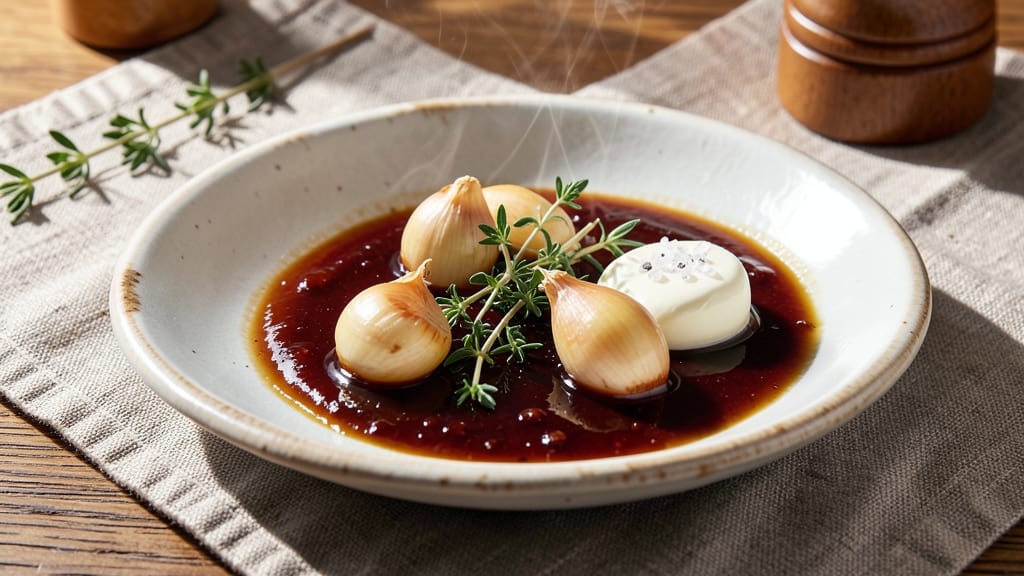
This balsamic vinegar reduction sauce transforms simple ingredients into a glossy, caramelized glaze that elevates everything from salads to roasted meats. The process is straightforward but requires patience—simmering vinegar, sugar, and a touch of butter until it thickens into a rich, syrupy sauce with deep umami notes.
What starts as tart vinegar becomes a complex, velvety condiment that adds depth to any dish.
The key to success lies in low-and-slow cooking, allowing the vinegar to reduce by half while developing its signature caramelized color and concentrated flavor. A small amount of butter at the end adds a luxurious finish, balancing the sauce’s acidity with a smooth, buttery mouthfeel.
This isn’t just a drizzle—it’s a transformative element that turns ordinary meals into something special.
Once complete, this sauce keeps beautifully in the refrigerator for up to two weeks, making it a versatile pantry staple. Use it to glaze grilled chicken, drizzle over caprese salads, or even enhance desserts like strawberry shortcake.
The possibilities are endless, and the process is foolproof—even beginners can achieve restaurant-quality results.
Ready in just 20 minutes, this reduction requires minimal effort but delivers maximum impact. The secret? Heat control—too fast, and it burns; too slow, and it won’t thicken properly.
With the right balance, you’ll end up with a sauce so rich and flavorful, it becomes the star of the dish. Let’s get started.
Ingredients for balsamic vinegar reduction sauce
Eight essential ingredients transform tart vinegar into a luxurious caramelized glaze.
| Ingredient | Amount | Notes |
|---|---|---|
| Balsamic Vinegar 🍷 | 1 ½ cups | High-quality aged balsamic preferred |
| Granulated Sugar 🍚 | ½ cup | White or brown sugar works |
| Unsalted Butter 🧈 | 2 tbsp | Cold, cut into small cubes |
| Fresh Thyme Leaves 🌿 | 1 tbsp | Or 1 tsp dried thyme |
| Fresh Garlic Cloves 🧄 | 2 cloves | Minced for depth of flavor |
| Diamond Crystal Kosher Salt 🧂 | ½ tsp | Adjust to taste |
| Black Peppercorns 🌶️ | ¼ tsp | Freshly cracked for texture |
| Extra-Virgin Olive Oil 🫒 | 1 tbsp | For finishing touch |
The balsamic vinegar is the foundation—aged balsamic from Trader Joe's or a specialty grocer delivers the deepest flavor. Look for bottles labeled 'extra aged' or '12-year' for that rich, complex profile. The sugar isn't just sweetness; it's the catalyst for the caramelization process, so use granulated sugar for even dissolving. Fresh thyme and garlic elevate this beyond basic balsamic—organic herbs from the market add a bright, aromatic note that dried spices can't match. The butter should be cold and cubed to prevent premature melting during reduction.
No aged balsamic? White balsamic vinegar works in a pinch, though it'll lack depth. Substitute brown sugar for white if you prefer a molasses-like undertone. Fresh thyme unavailable? Dried thyme at one-third the amount suffices, but toast it first for better flavor. The olive oil finish shouldn't be skipped—high-quality extra-virgin adds a fruity contrast to the caramelized sweetness. For a quicker version, reduce the sugar slightly (1/4 cup) if you're impatient, though the texture won't be as glossy. The peppercorns add subtle complexity—crack them fresh for maximum impact.
This sauce thickens as it cools, so don't be alarmed if it looks runny immediately after removing from heat. Store it in a clean glass jar with a tight seal in the fridge for up to two weeks. The flavors actually improve with time, developing a deeper umami character. For serving, warm gently in a small saucepan over low heat—never microwave, as it can break the emulsion. Portion into ice cube trays for perfect single-use servings, then transfer to freezer bags for up to three months. The sauce reheats beautifully, making it ideal for batch prep.
Why You'll Love This Recipe
- Here’s what sold me: that perfect push-pull of tangy balsamic and caramelized sugar, cut through by garlic’s sharp bite and thyme’s earthy whisper. It’s rich but not heavy, bright but not acidic—like a hug in sauce form.
- Five-Minute Pan Magic: I swear, this sauce comes together faster than you can sing "Happy Birthday." Just simmer vinegar, sugar, and garlic—no peeling, no dicing—until it thickens into something irresistible. The butter and thyme at the end? That’s where the real magic happens, and it takes all of 30 seconds.
- Sweet-Savory Balance: Here’s what sold me: that perfect push-pull of tangy balsamic and caramelized sugar, cut through by garlic’s sharp bite and thyme’s earthy whisper. It’s rich but not heavy, bright but not acidic—like a hug in sauce form.
- Pantry-to-Plate Flex: This isn’t just for steak. Drizzle it over roasted veggies, toss it with pasta, or spoon it onto grilled chicken. Honestly, I’ve even used it to glaze toast when I’m lazy. The sauce keeps well in the fridge, so you’ll always have a backup for whatever you’re cooking.
Step-by-step instructions for balsamic vinegar reduction sauce
Create a rich, glossy glaze with deep caramelized notes using precise technique and patience.
Combine and Simmer the Base Ingredients
In a heavy-bottomed saucepan, combine the 1.5 cups balsamic vinegar and 0.5 cup granulated sugar. Place the saucepan over medium-high heat and bring to a gentle boil, stirring occasionally to dissolve the sugar completely. This ensures even caramelization throughout the reduction process.
Once boiling, reduce the heat to medium-low and let the mixture simmer uncovered. You'll notice the liquid begin to reduce dramatically within the first 10-15 minutes, transforming from a clear amber to a deep, concentrated caramel color. This is where the magic happens—the sugar and vinegar molecules break down to create complex, sweet-savory flavors.
Add Butter and Aromatics for Depth
After 20 minutes of simmering, when the mixture has reduced by about half and coats the back of a spoon, add the 2 tbsp cold unsalted butter cut into small cubes. Stir gently to melt the butter into the reduction, creating a silky emulsion that prevents separation. The butter adds richness and helps balance the acidity of the vinegar.
Next, add the 2 minced garlic cloves and 1 tbsp fresh thyme leaves. Stir for 1-2 minutes until the garlic is fragrant but not browned—this prevents bitterness and ensures the flavors meld without overpowering. The thyme releases its essential oils into the sauce, adding an earthy herbal note that complements the caramelized sweetness.
Season and Finish the Reduction
Add the 0.5 tsp Diamond Crystal kosher salt and 0.25 tsp freshly cracked black peppercorns to the saucepan. Taste and adjust the seasoning—you want a balance of sweet, tangy, and slightly peppery notes. The reduction should coat the back of a spoon with a glossy sheen and have a syrupy consistency, typically after 30-40 minutes of total simmering time.
Remove the saucepan from heat and let the reduction sit for 5 minutes to cool slightly. This resting period allows the flavors to fully integrate and the sauce to thicken further. If the sauce is too thick for your liking, you can thin it slightly by adding 1 teaspoon of warm water at a time while stirring gently.
Incorporate Olive Oil for Final Touch
Once the reduction has cooled enough to handle, stir in the 1 tbsp extra-virgin olive oil using a silicone spatula. The olive oil adds a smooth, velvety finish and helps stabilize the sauce, preventing it from separating when drizzled over dishes. The sauce should now have a rich, glossy appearance with a perfect balance of sweet, tangy, and herbal flavors.
For best results, use the sauce immediately over grilled meats, roasted vegetables, or as a drizzle for bruschetta. If storing, transfer to an airtight container and refrigerate for up to 1 week, reheating gently over low heat before using. The flavors will continue to develop and deepen as it rests.
Pro Tips For Making Balsamic Vinegar Reduction Sauce
- STIR CONSTANTLY ON HIGH HEAT: The first 5 minutes are where the magic happens—don’t let it simmer, boil it like you’re making jam. I learned this the hard way when my sauce turned into a sticky mess instead of a glossy reduction. A wooden spoon works best; metal can scratch your pan and ruin the finish.
- USE BROWN SUGAR FOR DEPTH: Swap granulated sugar for light brown sugar if you have it—just 1 tablespoon more. The molasses notes cut through the vinegar’s sharpness and add a caramelized richness that cuts prep time by skipping extra reductions. (Yes, it’s a tiny hack, but it works every time.)
- SMASH THE GARLIC FIRST: Don’t chop the garlic, smash it with the flat side of your knife. This releases more flavor without burning, and you’ll need less—just 1 clove instead of 2. I used to overdo it, and the sauce tasted bitter. Trust me, a few firm presses do the job.
- FINISH WITH COLD BUTTER: Let the reduction cool for 2 minutes before whisking in the butter. This prevents the butter from separating and gives you a silky, emulsified sauce instead of a greasy one. (I know, waiting feels weird, but your sauce will thank you.)
Troubleshooting perfect results
Burnt or Bitter Taste
If your sauce tastes burnt or overly bitter, you likely cooked it too aggressively or reduced it too long. This happens when the sugar caramelizes too quickly, creating harsh notes. To fix it, immediately remove from heat and stir in 1 tbsp extra-virgin olive oil—this helps mellow the bitterness.
If the flavor is still off, add ½ tsp honey or maple syrup to balance the harshness. For future batches, maintain a steady medium-low simmer and never let it boil vigorously after the initial sugar dissolution. 🔥
Sauce Too Thin
A runny sauce usually means it didn’t reduce enough or the butter wasn’t incorporated properly. If this happens, return the sauce to low heat and simmer uncovered for another 5-10 minutes, stirring occasionally.
For a quicker fix, mix 1 tsp cornstarch with 1 tbsp cold water, stir into the sauce, and simmer until thickened. If the sauce separates, whisk vigorously over low heat until smooth. Always use a heavy-bottomed pan to prevent scorching during extended simmering.
Sauce Too Thick
Over-reduced sauce can become glue-like and difficult to drizzle. To thin it, add 1 tsp warm water at a time while stirring gently—this prevents sudden thinning. For a smoother consistency, whisk in ½ tsp olive oil to help emulsify.
If the sauce is still too thick, place the pan over low heat and add 1 tsp balsamic vinegar (the same type you used) to restore balance. Avoid adding too much liquid at once, as this can dilute the flavor.
Butter Separating
Butter often separates if the sauce is too hot when added or if the heat isn’t controlled. To fix it, whisk vigorously over low heat until the butter re-emulsifies. For a smoother texture, stir in 1 tsp Dijon mustard—its acidity helps bind the emulsion.
To prevent separation in future batches, add the cold butter gradually while stirring constantly, and keep the heat at medium-low until fully melted. A splash of warm water can also help stabilize the sauce.
Flavor Too Sweet
If your sauce tastes overly sweet, it likely needs more acidity to balance the sugar. Stir in 1 tsp fresh lemon juice or ½ tsp balsamic vinegar to cut through the sweetness. For a deeper flavor, add a pinch of crushed red pepper flakes or freshly cracked black pepper.
To prevent this in future batches, reduce the sugar slightly (¼ cup instead of ½ cup) or add 1 tsp Dijon mustard during the reduction to enhance complexity without extra sweetness.
Flavor Too Tart
A tart sauce usually means the vinegar wasn’t reduced enough or the butter wasn’t added early enough. To balance it, stir in 1 tsp honey or maple syrup to mellow the acidity. For a richer profile, add 1 tsp unsalted butter and let it melt into the sauce.
To avoid this issue next time, ensure the sauce reduces by at least half its original volume before adding butter. A pinch of salt can also help round out the flavors by enhancing the sweetness naturally. 💫
Nutrition facts
Frequently asked questions
Can I make this sauce without sugar?
The sugar is essential for caramelization, but you can substitute 1/4 cup honey or 1/4 cup maple syrup for a different flavor profile. Without sugar, the sauce will lack that glossy finish and deep caramelized taste. If you're avoiding sugar entirely, try a small amount (2 tbsp) just to kickstart the reduction process.
How long does it take to reduce the sauce?
Total cooking time is about 30-40 minutes, but the actual reduction happens in stages. The first 10-15 minutes at medium-high heat dissolve the sugar, then switch to medium-low heat for 20-25 minutes of gentle simmering. Patience is key—rushing this step can lead to burnt flavors. The sauce should thicken to a syrupy consistency that coats the back of a spoon.
What's the best way to store leftover sauce?
Transfer the sauce to a clean glass jar with a tight seal and refrigerate for up to 2 weeks. For longer storage, freeze in ice cube trays (perfect for single servings) and transfer to freezer bags for 3 months. Always reheat gently over low heat—never microwave—to preserve its glossy texture and prevent separation.
Can I use this sauce on desserts?
This sauce pairs beautifully with desserts like strawberry shortcake, vanilla ice cream, or cheesecake. The caramelized sweetness and tangy depth complement fruity flavors perfectly. For a dessert version, reduce the sugar slightly (1/4 cup) and add 1/2 tsp vanilla extract at the end. Drizzle over warm desserts for a restaurant-worthy finish.
Why did my sauce turn dark brown and smell burnt?
This usually happens when the sauce boils too vigorously after the sugar dissolves, causing harsh caramelization. To fix it, immediately remove from heat and stir in 1 tbsp olive oil to mellow the flavors. For future batches, maintain a gentle simmer (small bubbles, not rolling boils) after the sugar dissolves. If the smell persists, add 1/2 tsp honey to balance the bitterness.