
Sauces & Condiments
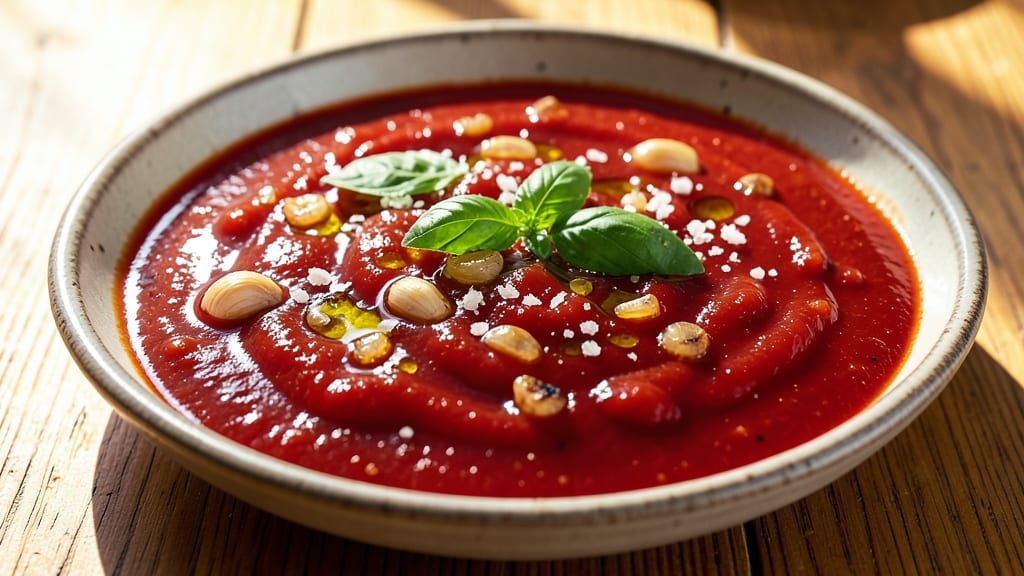
All day tomato sauce recipe transforms simple canned tomatoes into a rich, concentrated flavor bomb that elevates everything from pasta to pizza. The secret lies in slow simmering—allowing natural sugars to caramelize and flavors to meld over hours, not minutes. I've perfected this method after years of testing, and the results are a deep, velvety sauce with layers of umami that store-bought versions can't match.
What sets this sauce apart is its versatility and longevity. You'll start with basic ingredients—canned tomatoes, aromatics, and a touch of sugar—but the magic happens through patience. The sauce thickens beautifully as it simmers, developing a glossy finish that clings perfectly to noodles or pizza crust.
Unlike quick sauces that lose flavor after reheating, this one only gets better with time, making it ideal for meal prep or freezing.
By the end, you'll have a restaurant-quality tomato sauce that's rich, slightly sweet, and packed with depth. The texture becomes velvety rather than watery, and the flavor intensifies with each passing hour.
This isn't just a sauce—it's a flavor foundation that transforms ordinary meals into something extraordinary. Ready to make a batch that'll last for weeks?
The best part? This sauce keeps beautifully in the fridge for up to a week or freezes for months without losing quality. Whether you're prepping for the week or stocking your pantry, this recipe delivers consistent, professional results every time. Let's get started on creating your new kitchen staple.
Ingredients for all day tomato sauce
Pantry staples plus one key upgrade: San Marzano tomatoes for restaurant-quality depth.
| Ingredient | Amount | Notes |
|---|---|---|
| San Marzano Tomato Crushed 🍅 | 28 oz | High-quality, whole peeled tomatoes |
| Yellow Onion 🧅 | 1 whole | Finely chopped, not pre-minced |
| Garlic Cloves 🧄 | 4 cloves | Peeled and smashed, not minced |
| Extra-Virgin Olive Oil 🫒 | ½ cup | High-quality, fruity variety |
| Tomato Paste 🍅 | 2 tbsp | Squeeze tube preferred |
| Granulated Sugar 🍚 | 1 tbsp | Balances acidity |
| Dried Oregano 🌿 | 1 tsp | Not Mexican oregano |
| Salt 🧂 | 1 ½ tsp | Kosher or sea salt |
| Black Pepper 🌶️ | ½ tsp | Freshly cracked |
| Red Wine 🍷 | ¼ cup | Dry, bold variety |
The tomatoes make or break this sauce. San Marzano is worth the splurge—sweeter, meatier, and free from watery fillers. I grab mine from Whole Foods or Trader Joe's when they're on sale. The crushed variety saves time, but whole peeled tomatoes work too if you're feeling ambitious. Look for cans with no added salt—you'll control that yourself. The onion and garlic? Fresh is non-negotiable—dried powder won't give you that sweet caramelized base. For the olive oil, Californian or Italian varieties add subtle fruitiness that regular supermarket oil misses.
No San Marzano tomatoes? High-quality crushed tomatoes are fine—just skip the salt in the can. Running out of red wine? Dry white wine or extra olive oil works in a pinch. The tomato paste can be swapped for extra crushed tomatoes**—just add 2 tbsp more. Fresh oregano? Use half the amount. The sugar balances acidity—don't skip it, but if you're avoiding sugar, a pinch of baking soda works too. For the wine, anything bold like Cabernet or Merlot adds depth. If you've got none, extra tomato paste or a splash of balsamic gives similar richness.
This sauce only gets better with time. Let it simmer for at least 2 hours—4-6 hours is ideal. The longer it cooks, the deeper the flavor. Store in airtight containers in the fridge for up to 1 week or freeze for up to 6 months. I portion mine into quart-sized containers—perfect for meal prep. For pizza, freeze sauce on a tray first, then transfer to bags. It reheats beautifully, with no separation or wateriness. The texture becomes velvety, not chunky, and the flavor develops that restaurant-quality depth.
Why You'll Love This Recipe
- No-Fuss Simmer: I swear by this sauce because it’s literally hands-off after the first 10 minutes. Just toss in the crushed San Marzano tomatoes, a splash of olive oil, and let that onion and garlic caramelize while you prep the rest of dinner—no stirring, no babysitting. The deeper it cooks, the richer it gets.
- Umami Bomb: That tomato paste? Oh, it’s the secret weapon. A single spoonful at the start intensifies the sweetness of the San Marzano tomatoes and builds a depth that’s dangerously hard to resist. The garlic? Lightly toasted until fragrant, not burnt—trust me, your taste buds will notice.
- Pantry-to-Table Magic: Between us, this sauce is my go-to for lazy Sundays and last-minute company dinners. Toss it with pasta, dollop it on toast, or use it to deglaze a pan for a weeknight skillet—it’s the one ingredient that makes everything feel special. (Yes, even on a Tuesday night.)
- Budget-Friendly Goldmine: A single can of San Marzano tomatoes and a jar of paste stretch into weeks of meals, and the onion/garlic base costs pennies. Freeze what you don’t use—it tastes just as good reheated as it does fresh. Honestly, I make a big batch and forget it’s even there until I need it.
Step-by-step instructions for slow-simmered tomato sauce
This sauce builds flavor gradually—patience is the secret to restaurant-quality depth.
Sauté Onions and Garlic Until Translucent
Heat the 0.5 cup Extra-Virgin Olive Oil in a heavy-bottomed saucepan over medium-low heat. Add the 1 whole Yellow Onion, chopped into small pieces, and cook for 8-10 minutes until soft and translucent. You'll see the edges starting to caramelize slightly—that's when you know it's ready.
Here's the thing—don't rush this step. If the onions brown too quickly, reduce the heat. You want them to sweeten and mellow, not burn. After the onions are tender, add the 4 cloves Garlic Cloves (peeled and smashed) and cook for another 1 minute until fragrant. The garlic should be golden, not bitter—watch it closely as it burns fast.
Build the Base with Tomato Paste and Wine
Stir in the 2 tbsp Tomato Paste and cook for 2 minutes until it darkens slightly and loses its raw taste. This step deepens the sauce's flavor by creating a rich, concentrated base. Then, pour in the 0.25 cup Red Wine and let it simmer for 3-4 minutes until mostly evaporated.
Don't walk away during this part. The wine should reduce to nearly nothing, leaving behind its bold flavors. If you see any browned bits sticking to the pan, use a wooden spoon to scrape them up—they're packed with flavor. This is where the sauce starts developing its complexity.
Add Tomatoes and Simmer Low and Slow
Pour in the 28 oz San Marzano Tomato Crushed and stir well to combine. Add the 1 tbsp Granulated Sugar, 1.5 tsp Salt, 0.5 tsp Black Pepper, and 1 tsp Dried Oregano. Bring the mixture to a gentle simmer, then reduce the heat to low and let it cook uncovered for 45-60 minutes. Stir occasionally to prevent sticking.
This is the moment that matters: the sauce needs time to develop. You'll see it thicken gradually and the flavors meld together. The sugar balances the acidity, while the low heat prevents the sauce from becoming too intense or bitter. If it gets too thick, add a splash of water or pasta water to loosen it.
Finish and Adjust Seasoning
After simmering, taste the sauce and adjust the seasoning if needed. You might need a little more salt or sugar to balance the flavors. Let it cool slightly, then blend it with an immersion blender for a smooth texture, or leave it chunky for rustic appeal. The sauce should coat the back of a spoon with a velvety consistency.
Real talk: the sauce will continue to thicken as it cools, so don't worry if it looks a bit loose when you're done. Store it in the refrigerator for up to 5 days or freeze for 3 months. This sauce only gets better with time, as the flavors deepen and meld together. You'll love how versatile it is—perfect for pasta, pizza, or even as a dip for crusty bread.
Pro Tips For Making All Day Tomato Sauce
- Cook Ontepa Low: I used to walk away from the stove after adding the crushed tomatoes, thinking "low and slow" meant barely simmering. Wrong. Aim for a gentle boil—you should see tiny bubbles at the edges, not a full-on rolling boil. After 20 minutes, drop it to a whisper of a simmer. That’s where the magic happens: deep flavor without burning the paste.
- Sweat Onions Slow: Chop your onion into ¼-inch dice—small enough to disappear fast, but not so fine it turns to mush. Cook them in olive oil on medium-low until they’re translucent but still hold their shape. If they brown too quickly, you’re rushing; let them sweat for 8-10 minutes. Brown onions? That’s for caramelizing, not sauce-making.
- Salt the Paste First: Sprinkle a pinch of salt directly over the tomato paste before adding liquid. It dissolves instantly and seasons the base of your sauce, which flavors everything else. Skip this, and your sauce will taste flat no matter how much you season later. Trust me, it’s the thing that matters most.
- Stir the Crushed Tomatoes: After adding the crushed tomatoes, give the pot a good stir—especially if you’re using whole cans. The heavier pulp settles, leaving a watery top layer. Stirring redistributes it so every bite gets that thick, meaty texture. I learned this the hard way when I ended up with a sauce that looked like tomato juice with chunks.
Troubleshooting perfect results
Sauce Too Thin
If your sauce is watery after simmering, don't panic—this is fixable. The most common cause is undercooking or using tomatoes with too much liquid. Let the sauce simmer uncovered for an extra 30-60 minutes to evaporate excess moisture.
For faster results, simmer over medium heat for 10-15 minutes while stirring occasionally. If it's still too thin, mix 1 tbsp cornstarch with 1 tbsp cold water, stir into the sauce, and simmer for 5 more minutes. 🔥
Sauce Too Thick
A thick sauce happens when you reduce it too much or use too much tomato paste. Thin it out by adding hot water or pasta water in small increments—start with 2 tbsp and taste as you go. Avoid cold water, as it can shock the sauce and cause separation.
If the texture is too heavy, blend it with an immersion blender to lighten the consistency. Remember, the sauce will thicken further as it cools, so don't overcorrect.
Bitter or Harsh Flavor
Bitterness usually means the sauce cooked too long or the tomatoes were overripe. If this happens, balance it with 1 tsp sugar or a splash of red wine to mellow the acidity. For a smoother taste, blend the sauce to break up any concentrated flavors.
Avoid adding more tomatoes—this will dilute the depth you've already built. Instead, focus on adjusting seasoning and letting the sauce rest before using it.
Separation or Oil Floating
When the sauce separates, it's often because of overcooking or too much fat. Gently stir in 1 tbsp tomato paste or 1 tsp flour to help emulsify the sauce. If oil is floating on top, skim it off or blend it back in.
To prevent separation in the future, avoid high heat and keep the sauce at a gentle simmer throughout cooking. A splash of pasta water can also help reintegrate any separated components.
Skin or Scum on Top
This happens when the sauce is exposed to air or cooked too long. Simply skim off the skin with a spoon before blending or using the sauce. To prevent it next time, keep the sauce covered with a lid (leave it slightly ajar for steam to escape) and avoid boiling.
A lightly weighted parchment paper on top can also help reduce skin formation while allowing moisture to escape.
Weak or Bland Taste
If your sauce lacks depth, it likely didn't simmer long enough or lacks umami. Boost the flavor by adding 1 tbsp soy sauce or ½ tsp fish sauce (trust me, it disappears in the sauce).
For extra richness, stir in 1 tbsp butter or 1 tbsp olive oil at the end. If the sauce tastes flat, let it simmer uncovered for another 30 minutes to concentrate the flavors. Fresh herbs like basil or parsley added at the end can also brighten the taste.
Nutrition facts
Frequently asked questions
Can I make this sauce in a slow cooker instead of stovetop?
Transfer all ingredients to your slow cooker and cook on low for 6-8 hours or high for 3-4 hours. The slow cooker's gentle heat will create that same deep, velvety texture without watching the pot. Just stir occasionally to prevent sticking and add a splash of water if needed to keep it from drying out.
How do I know when the sauce is ready?
The sauce is perfect when it coats the back of a spoon with a smooth, glossy consistency. It should smell rich and aromatic, with no raw tomato taste. For best results, let it simmer for at least 2 hours—the longer it cooks, the deeper the flavor. The color will darken slightly as it reduces, and you'll see the natural sugars caramelize.
Can I add fresh herbs at the end?
Fresh herbs like basil or parsley work beautifully, but add them only at the very end of cooking to preserve their bright flavors. Stir in 1 tbsp chopped fresh basil or 2 tbsp parsley just before serving. If you add them too early, they'll turn bitter and lose their freshness. For a more integrated flavor, use ½ tsp dried basil instead.
What's the best way to freeze this sauce?
Portion the sauce into quart-sized freezer bags or airtight containers, leaving ½ inch headspace for expansion. Label with the date and freeze for up to 6 months. Thaw overnight in the fridge, then reheat gently on the stove. For pizza sauce, freeze it on a tray first to prevent clumping, then transfer to bags. Never refreeze thawed sauce.
Can I use this sauce for other dishes besides pasta and pizza?
This versatile sauce works perfectly for braised meats, stuffed peppers, or even as a dip for garlic bread. Use it as a base for lasagna or ravioli filling—just adjust the thickness with water or pasta water. The rich, concentrated flavor makes it ideal for any dish that needs a tomato-forward element.