
Sauces & Condiments
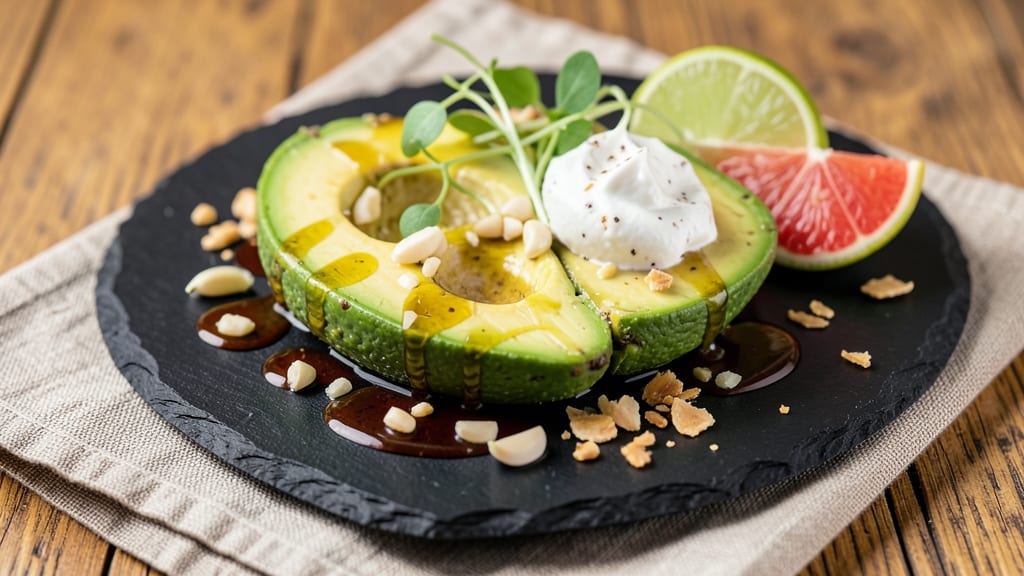
This avocado fish sauce recipe transforms simple ingredients into a velvety, tangy condiment that bridges Southeast Asian boldness with creamy texture. The secret lies in balancing ripe avocado's richness with fish sauce's umami punch, creating a sauce that's smooth yet complex—perfect for dipping, drizzling, or marinating. I developed this after craving something that could elevate both fresh spring rolls and grilled seafood equally.
The process is straightforward but precise: blending avocado with fish sauce, lime juice, and a touch of garlic until completely smooth. No cooking required—just pure, vibrant flavor.
What makes this sauce special is its versatility; it adds depth to salads, enhances noodle bowls, and even works as a marinade for tofu or shrimp. The key is using ripe avocado for maximum creaminess without overpowering the fish sauce's signature tang.
What you'll end up with is a silky-smooth sauce that's tangy, umami-rich, and subtly garlicky—each spoonful delivers a perfect balance. The lime juice brightens the flavor profile, while the garlic adds a subtle warmth that complements the sauce's creamy base.
This isn't just a condiment; it's a flavor booster that transforms ordinary dishes into something extraordinary.
The best part? This sauce keeps well in the fridge for up to a week, making it ideal for meal prep.
Whether you're serving it with fresh herbs and chili for dipping or using it as a dressing for summer salads, this avocado fish sauce will become a staple in your kitchen. Let's get blending!
Ingredients for avocado fish sauce
These vibrant ingredients blend into a velvety sauce that's tangy, creamy, and packed with umami—perfect for elevating any dish.
| Ingredient | Amount | Notes |
|---|---|---|
| Ripe Avocados 🥑 | 2 whole | Firm but yielding when pressed |
| Reduced Fish Sauce 🐟 | ⅓ cup | High-quality brand like Red Boat |
| Fresh Lime Juice 🍋 | ¼ cup | Freshly squeezed, no pulp |
| Garlic Cloves 🧄 | 3 cloves | Fresh, minced or grated |
| Extra-Virgin Olive Oil 🫒 | ¼ cup | For richness and smoothness |
| Coconut Milk 🥥 | ¼ cup | Full-fat for creaminess |
| Sriracha Sauce 🌶️ | 1 tbsp | Adjust for heat preference |
| Sea Salt 🧂 | ½ tsp | Kosher or fine grain |
| Fresh Cilantro Leaves 🌿 | ¼ cup | Optional, chopped for garnish |
| Ice Cubes ❄️ | ½ cup | For smooth blending |
The avocado is non-negotiable here—ripe but firm is key. Mexican or Hass varieties work best, and you can tell they're perfect when they yield slightly to gentle pressure. Grab a couple from Trader Joe's or your local Latin market for the best flavor. The fish sauce? Red Boat or Three Crabs are my go-tos—they're clean, flavorful, and won't overpower. If you're using a cheaper brand, reduce the amount slightly since some can be quite salty. The lime juice should be freshly squeezed; bottled just won't cut it for this recipe. For the garlic, fresh is a must—no powdered or jarred here. Toast the cloves in a dry pan for 30 seconds before mincing to deepen their flavor.
No fresh avocado? Mashed ripe banana or silken tofu can mimic the creaminess in a pinch, though the flavor won't be identical. Swapping fish sauce? Soy sauce or coconut aminos work in a bind, but you'll lose that signature umami depth. Short on lime? Lemon juice at a 1:1 ratio is fine, but the sauce will be slightly less bright. The coconut milk adds richness, but Greek yogurt or cashew cream can stand in if you're avoiding dairy. Sriracha is optional but adds that signature kick—substitute with chili crisp or hot sauce of choice. For extra smoothness, freeze the avocado for 20 minutes before blending, or add the ice cubes to help emulsify everything.
This sauce is a fridge staple—keep it sealed in a jar for up to 5-7 days. The flavors actually meld beautifully over time, so it tastes even better the next day. For longer storage, portion into ice cube trays and freeze; each cube makes a perfect single-serving boost. If the sauce separates, just give it a quick whisk or blend before using. The cilantro is optional but adds freshness; store any extra in a damp paper towel in the fridge for up to 3 days. This sauce is magical on everything from spring rolls to grilled shrimp—make a double batch and thank me later.
Why You'll Love This Recipe
- No-Fuss Mash-Up: I swear by this recipe because it’s literally three ingredients mashed together—avocado, reduced fish sauce, and lime. No blender, no fancy techniques, just a fork and a bowl. Honestly, if I can do it while scrolling through my phone, anyone can.
- Umami Bomb: That reduced fish sauce? It’s the secret weapon—deep, salty, and just sweet enough to balance the creamy avocado. The garlic cloves get toasted in olive oil first, and oh, the difference that makes. It’s the kind of flavor that lingers but doesn’t overpower, like a well-made martini.
- Lunch-to-Party Fix: This stuff works everywhere. Slather it on toast for a lazy lunch, dollop it over grilled shrimp for a fancy dinner, or even mix it into a salad for a zesty kick. I’ve served it at BBQs, potlucks, and my own kitchen table—no one ever questions what’s in it, they just ask for more.
- Budget Brightener: Avocados are often pricey, but a single one stretched with this sauce feeds my family for days. The fish sauce? A tiny bottle lasts months. And because it’s so versatile, I never waste it—leftover mash becomes a dip, a spread, or even a quick sauce for eggs. My wallet and my taste buds thank me.
Step-by-step instructions for avocado fish sauce
Here's how to blend this velvety, umami-rich dip that's smoother than store-bought.
Halve and Pit the Avocados
Cut the 2 whole ripe avocados in half lengthwise around the pit. Twist gently to separate each half, then remove the pits using a sturdy spoon or avocado pitter. The avocados should yield slightly when pressed but not be overly mushy—this ensures a creamy texture without separation.
Scoop the avocado flesh directly into your blender or food processor, leaving the skins behind. You'll want to use all of it for maximum richness. If you prefer perfectly smooth results, you can peel the avocados completely before blending, but leaving the skins on adds a subtle texture that some people love.
Add Lime Juice, Garlic, and Salt
Measure out 0.25 cup fresh lime juice and pour it into the blender with the avocado. Add the 3 cloves minced garlic and 0.5 tsp sea salt. The lime juice will brighten the flavors while the garlic adds a savory depth that balances the fish sauce's umami.
Pulse the mixture briefly just to combine—this helps distribute the lime and garlic evenly before blending fully. The salt should be sprinkled directly over the avocado to help break down its fibers for a smoother final texture. Don't worry if the mixture looks chunky at this stage; it will blend perfectly soon.
Blend with Ice Cubes for Ultra-Smooth Texture
Add the 0.5 cup ice cubes to the blender. The ice is crucial—it helps emulsify the mixture and prevents the avocado from turning brown while creating that signature silky consistency. Start blending on low speed to let the ice break down before increasing to high.
Blend continuously for 30-45 seconds until completely smooth. You'll know it's ready when the mixture looks like a thick, glossy cream with no visible chunks. If you notice any separation, blend for another 10-15 seconds—this ensures every bite will be perfectly cohesive.
Incorporate Fish Sauce, Olive Oil, and Sriracha
With the blender still running, slowly pour in the 0.33 cup reduced fish sauce through the feed tube. This gradual addition prevents the sauce from splitting. Next, add the 0.25 cup extra-virgin olive oil and 1 tbsp Sriracha sauce while blending continuously.
The fish sauce brings that signature umami punch, while the olive oil adds richness and helps bind the mixture. The Sriracha adds a subtle heat that cuts through the creaminess. Taste as you go—you can always adjust the Sriracha amount later if you want more or less spice. The coconut milk will come next, but blend for another 10 seconds to fully incorporate these ingredients first.
Finish with Coconut Milk and Garnish
Finally, add the 0.25 cup coconut milk and blend for another 15-20 seconds until fully incorporated. The coconut milk adds a luxurious creaminess that makes this dip irresistibly smooth. Taste and adjust seasoning if needed—you might want to add a pinch more salt or a splash of lime juice to balance the flavors.
Transfer the avocado fish sauce to a serving bowl and garnish with the 0.25 cup chopped fresh cilantro leaves. Serve immediately with crispy spring rolls, fresh vegetables, or as a dip for toasted baguette slices. The texture should be velvety, the flavors perfectly balanced between creamy, tangy, and umami-rich. Enjoy while fresh for the best experience!
Pro Tips For Making Avocado Fish Sauce
- STORE AVOCADOS RIGHT: If your avocados arrive firm, ripen them at room temperature for 1-2 days—then finish in a paper bag with a banana (the ethylene gas speeds things up). Overripe? Spritz with lime juice immediately to slow browning, then blend while still soft but not mushy. I learned this the hard way after making a batch where the avocado tasted like a sad, oxidized puddle.
- SWEAT GARLIC LOW: Cook your minced garlic in olive oil over low heat until just fragrant—not golden, not crispy. High heat burns it fast, turning the sauce bitter. My grandmother swore by this, and she was right: the garlic should smell like heaven, not like a campfire. Stir constantly, and keep it moving.
- DILUTE FISH SAUCE GRADUALLY: Start with half the called-for fish sauce, taste, then add the rest. Too much upfront and you’ve ruined the balance—fish sauce is salty, umami, and funky all at once. I was skeptical until I tried it: building flavor layer by layer makes the avocado’s creaminess sing instead of drowning in salt. (Yes, even if you’re impatient like me.)
- PULSE NOT SMASH AVOCADO: Use a food processor or blender to pulse the avocado with lime juice first—this emulsifies the oils before adding other ingredients. Smashing it with a fork leaves you with a lumpy, greasy mess. After burning three batches trying to fix this, I finally figured out: high-speed blending for 10 seconds, then stop. Smooth every time.
Wine and beer pairings for this avocado fish sauce
White Wine Pairings
For this creamy, umami-rich sauce, I reach for a dry Riesling—its crisp acidity cuts through the avocado's richness while complementing the fish sauce's depth. A German or Alsace Riesling with 10-12% ABV works perfectly, balancing the sauce's tangy and savory notes.
Chill it to 45-50°F before serving to enhance its refreshing contrast. 🍷
Crisp Lager Balance
A light Japanese lager like Sapporo or Asahi is my go-to beer pairing—its clean, effervescent profile refreshes your palate between bites of rich spring rolls or grilled shrimp. The subtle malt sweetness also harmonizes with the sauce's umami without overpowering it.
Serve it ice-cold to let the carbonation cleanse your taste buds between each flavorful spoonful. 🍺
Sparkling Wine Elevation
For a celebratory touch, Prosecco or Cava adds a luxurious lift to this sauce. The bubbles create a delightful contrast to the sauce's velvety texture, while the slight sweetness in Prosecco enhances the avocado's creaminess.
Opt for a brut or extra brut style to maintain the sauce's tangy brightness. The effervescence makes every bite feel like a special occasion. ✨
Sake for Authentic Fusion
If you're serving this sauce with sushi or sashimi, a dry junmai sake at 40-45°F is ideal. The sake's subtle umami and clean finish mirror the sauce's flavors while adding a touch of Japanese authenticity.
Choose a daiginjo-grade sake for a premium experience that elevates both the sauce and the seafood. 🍶
Non-Alcoholic Options
For a refreshing non-alcoholic match, try sparkling water with a splash of lime juice—it mimics the sauce's tangy brightness. Alternatively, a cucumber-mint infused water adds a cooling contrast that complements the sauce's richness. Serve it well-chilled in a tall glass for the full experience. 💧
Nutrition facts
Frequently asked questions
Can I use this avocado fish sauce as a marinade?
Yes, but with caution! This sauce works beautifully as a quick marinade for 15-20 minutes for delicate proteins like shrimp or tofu. For longer marinating (1 hour+), reduce the fish sauce to 2 tablespoons to prevent overpowering the protein's natural flavor. The avocado's healthy fats can also make it less effective for tougher meats.
What if my sauce separates after blending?
Don't panic! Separation happens when fats and liquids aren't fully emulsified. Simply blend again for 10-15 seconds or whisk vigorously with a fork. For extra insurance, add 1 teaspoon of xanthan gum or an extra 5 ice cubes and blend until smooth. The coconut milk helps stabilize it, so using full-fat is key.
How do I adjust the spice level?
The Sriracha gives this sauce its subtle heat, but you can easily tweak it. For milder flavor, reduce Sriracha to ½ tablespoon and add 1 teaspoon of honey to balance. For extra kick, increase Sriracha to 2 tablespoons or add ½ teaspoon of cayenne pepper. Taste as you go—you can always adjust after blending!
Can I make this sauce without coconut milk?
For a dairy-free option, substitute with ¼ cup Greek yogurt (for tang) or ¼ cup cashew cream. If avoiding coconut entirely, use ¼ cup extra olive oil to maintain creaminess. The texture will be slightly lighter but still delicious. Just blend for 30 seconds longer to ensure smoothness.
What's the best way to store leftovers?
Store in an airtight container in the fridge for up to 5-7 days. For longer storage, portion into ice cube trays and freeze—each cube makes a perfect single-serving boost. When reheating, warm gently in a saucepan over low heat (don't boil) or microwave for 10-15 seconds. The texture may thicken slightly; stir in 1 tablespoon water** if needed.