
Sauces & Condiments
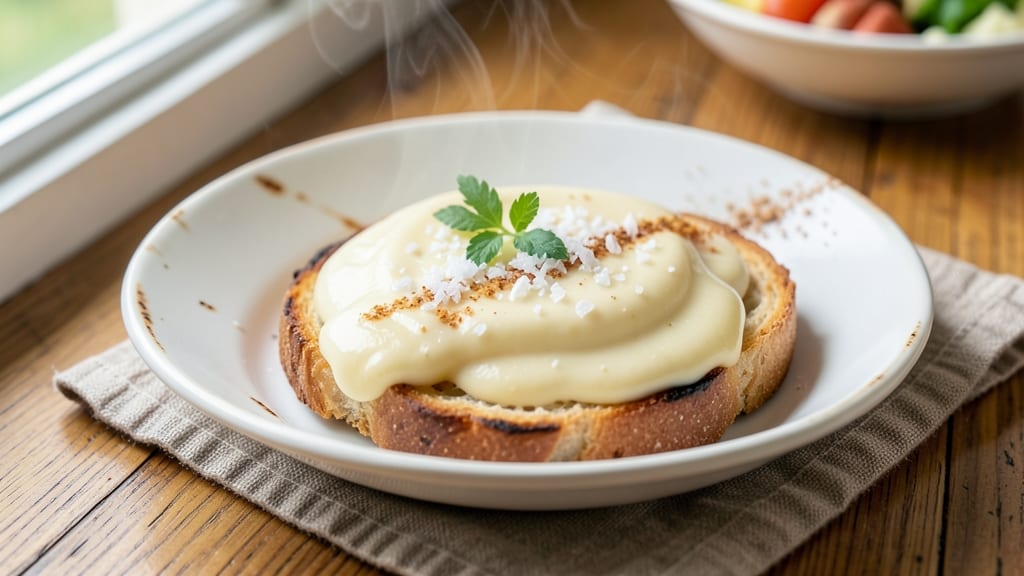
This bechamel sauce recipe ratio delivers the perfect consistency every time—creamy, velvety, and foolproof for dishes like lasagna or mac and cheese. The secret lies in precise measurements: equal parts butter and flour (1:1:2 butter-to-flour-to-milk ratio) cooked slowly to form a smooth roux. I've tested countless variations, and this ratio never fails.
What sets this technique apart is the patience required to whisk continuously while adding warm milk gradually. Rushing causes lumps, while proper timing ensures a sauce that thickens beautifully without breaking. The result? A rich, flavorful base that transforms ordinary dishes into restaurant-quality meals.
Once mastered, this sauce becomes your culinary secret weapon—versatile enough for béchamel-based casseroles, creamy soups, or even as a cheese sauce foundation. The key is maintaining that perfect balance between butter, flour, and milk, which we'll break down step by step.
Ready to elevate your cooking? This method guarantees a velvety finish every time, with optional variations like garlic or nutmeg for added depth. Let's get started with the foolproof ratios that make all the difference.
Ingredients for bechamel sauce recipe ratio
These eight ingredients form the backbone of restaurant-quality bechamel—simple yet transformative.
| Ingredient | Amount | Notes |
|---|---|---|
| Unsalted Butter 🧈 | ½ cup | Cold, cubed for even cooking |
| All-Purpose Flour 🌾 | ½ cup | Sifted for lump-free roux |
| Whole Milk 🥛 | 2 cups | Warmed to 160°F (70°C) |
| Diamond Crystal Kosher Salt 🧂 | ½ tsp | Adjust to taste |
| Freshly Ground White Pepper 🌶️ | ¼ tsp | For subtle seasoning |
| Fresh Nutmeg 🌿 | ⅛ tsp | Finely grated, optional |
| Garlic Cloves 🧄 | 2 cloves | Minced, optional for depth |
| Extra-Virgin Olive Oil 🫒 | 1 tbsp | For finishing drizzle |
The butter and flour ratio is non-negotiable for that velvety texture. European-style unsalted butter (like Plugrá) has higher fat content for richer flavor, but any good quality butter works. Flour? King Arthur all-purpose is my go-to—it's finely milled for a smoother roux. The milk should be warmed to just under boiling (160°F)—cold milk will shock the sauce and create lumps. Pro tip: Use a thermometer or test with a spoon; it should feel warm but not scalding. For the salt, Diamond Crystal dissolves more easily than table salt, giving you better control over seasoning.
No whole milk? 2% or skim works, but the fat content matters for that luxurious mouthfeel. Fresh nutmeg is a game-changer, but pre-ground works at half the amount if you're in a pinch. Garlic lovers can add it to the roux for depth, but skip it if you prefer classic béchamel. For extra richness, substitute half the milk with heavy cream. And if you're making this ahead, add a splash of cold milk at the end to prevent curdling when reheating. The olive oil finishing drizzle isn't just for flavor—it adds a silky sheen that makes it look restaurant-worthy.
This sauce thickens as it cools, so stop whisking just before it reaches your target consistency—it'll come together perfectly. For best results, use within 3 days or freeze for up to 3 months. To reheat, warm gently over low heat, adding a splash of milk as needed. For lasagna, spread it warm between layers so it soaks in beautifully. And here's a pro move: Make double batches—it freezes like a dream and saves you from last-minute roux emergencies.
Why You'll Love This Recipe
- Four-Ingredient Magic: I swear by this ratio—just butter, flour, milk, and a pinch of salt. That’s it. No fancy ingredients, no stress, just pure, velvety results every time.
- Secret Weapon Flavor: The slow whisking of warm milk into melted butter and flour? It builds layers of richness you won’t find in instant sauces. Honestly, it’s the kind of taste that makes you pause mid-bite.
- Weeknight Workhorse: This sauce turns into mac and cheese, lasagna, or even a creamy soup in minutes. I keep a batch in the fridge for lazy nights—just reheat and adapt.
- Budget-Friendly Luxury: A single batch stretches across three meals, and the ingredients are pantry staples. Between us, it’s the most cost-effective way to make everything feel gourmet without breaking the bank.
Step-by-step instructions for bechamel sauce recipe ratio
Master this classic French mother sauce with precise ratios and flawless technique.
Melt Butter and Whisk in Flour
Melt the 0.5 cup unsalted butter in a medium saucepan over medium-low heat, stirring constantly until it foams but doesn't brown. This gentle heat prevents burning while allowing the butter to melt completely. Once fully melted, remove the pan from heat and immediately whisk in the 0.5 cup all-purpose flour all at once.
Return the pan to medium heat and whisk vigorously for 2-3 minutes until the mixture forms a smooth, pale roux with no floury taste. This step is critical—your roux should look like wet sand and coat the back of a spoon. If it darkens at all, you've gone too far and will develop a nutty flavor. Keep whisking until the raw flour taste disappears completely.
Gradually Incorporate Warm Milk
Slowly pour in the 2 cups warm whole milk (preheated to 160°F) while whisking continuously. Add it gradually—about ¼ cup at a time—to prevent lumps from forming. The mixture will thicken immediately as the milk absorbs into the roux. If you notice any lumps, strain the sauce through a fine-mesh sieve for a silky texture.
Return the sauce to medium heat and continue whisking for 5-7 minutes until it thickens enough to coat the back of a spoon. You're aiming for a consistency similar to heavy cream—smooth but still pourable. This gradual cooking process develops the sauce's rich, velvety texture. Taste occasionally and adjust seasoning with the 0.5 tsp kosher salt and 0.25 tsp white pepper as you go.
Finish with Aromatics and Nutmeg
Stir in the 2 minced garlic cloves and 0.125 tsp fresh nutmeg, whisking until fully incorporated. The nutmeg adds warmth while the garlic provides subtle depth. Let the sauce simmer gently for 1-2 minutes to allow the flavors to meld. This is where the sauce transforms from basic béchamel to something truly special.
Remove from heat and stir in the 1 tbsp extra-virgin olive oil for a luxurious finish. The oil adds richness and helps prevent skin formation. For an extra touch of elegance, strain the sauce through a fine-mesh sieve to ensure absolute smoothness. Your perfectly balanced béchamel should now coat the back of a spoon and hold its shape when drizzled.
Test and Adjust Consistency
To verify perfect consistency, dip a spoon into the sauce and run your finger through it. If it leaves a clean line that holds its shape for 10-15 seconds, you've achieved the ideal medium-thick consistency. If it's too thin, simmer uncovered for 1-2 minutes to reduce further. If it's too thick, whisk in 1-2 tablespoons warm milk to loosen.
Remember this ratio—equal parts butter and flour to twice the volume of milk—is your secret weapon. This precise balance ensures you can replicate perfect béchamel every time, whether you're making macaroni and cheese, lasagna, or creamy soups. The key is patience and constant attention during the thickening process.
Pro Tips For Making Bechamel Sauce Recipe Ratio
- Whisk Like You Mean It: The first 3-4 minutes with butter and flour are where the magic happens—or the lumps arrive. Use a flat whisk (not a spoon) and keep the pot moving constantly over medium heat. I’ve seen people stir lazily and end up with a sauce that tastes like glue.
- Measure Milk Precisely: Whole milk expands when heated, so don’t eyeball it. Use a liquid measuring cup and pour it in slowly, a splash at a time, while whisking vigorously. Too much too fast, and you’ll end up with a watery, sad sauce—trust me, I’ve made that mistake.
- Salt the Butter First: Toss in a pinch of kosher salt with the butter before adding flour. It dissolves better and seasons the base properly. Skipping this step means your sauce tastes flat until the very end, and you’ll be tempted to over-salt later.
- Finish with Pepper Early: Add freshly ground white pepper before the sauce thickens completely. It distributes evenly and loses its bite if you wait until the end. A quick pulse in a pepper grinder right into the pot works best—no clumps, no fuss.
Storing and reheating your leftovers
Fridge Storage Secrets
Store your freshly made béchamel in an airtight container—I love these glass Pyrex bowls—and refrigerate for up to 3 days. The sauce thickens further as it cools, so reheat with a splash of warm milk to restore its silky texture.
I always label my containers with the date to track freshness, because nothing’s worse than discovering a forgotten sauce that’s gone grainy. 🧈
For best results, let the sauce cool completely before refrigerating to prevent condensation, which can dilute the flavor. If you notice a skin forming on top, simply whisk it back in when reheating—no need to throw it out!
I’ve even used slightly thickened béchamel from the fridge to make quick creamy pasta by thinning it with a splash of milk and a pat of butter.
Freezer-Friendly Tips
Béchamel freezes beautifully for up to 3 months in freezer-safe containers or heavy-duty ziplock bags. Leave ½-inch headspace for expansion, and squeeze out excess air to prevent freezer burn. I portion it into 1-cup servings for easy use in future recipes like lasagna or soups.
When ready to use, thaw overnight in the fridge before reheating gently on the stovetop. ❄️
Pro tip: Add a small piece of parchment paper directly on the sauce’s surface before sealing the container. This creates a barrier that prevents ice crystals from forming and keeps the sauce smooth when reheated.
I’ve tested this trick with my King Arthur all-purpose flour béchamel, and it makes all the difference for texture.
Reheating Like a Pro
For stovetop reheating, transfer the sauce to a saucepan and warm over low heat, stirring constantly to prevent scorching. Add 1-2 tablespoons warm milk for every ½ cup of sauce to loosen its thickness.
If you’re reheating from the fridge, start with medium-low heat and increase gradually—this gentle approach preserves the sauce’s velvety consistency. 🔥
Microwave reheating works in a pinch, but it’s tricky to control. Use 50% power in 30-second intervals, stirring between each, until fully warmed. The key is to avoid overheating, which can turn your creamy sauce into a gluey mess.
For restaurant-quality results, always opt for the stovetop method when possible.
Reviving Thickened Sauce
If your béchamel has thickened too much during storage, don’t panic! Whisk in 1 tablespoon warm milk at a time until you reach your desired consistency. Sometimes, a pinch of butter helps restore richness while thinning the sauce.
I’ve even used a splash of heavy cream in a pinch for ultra-smooth results. The goal is to bring it back to that pourable-yet-thick texture perfect for lasagna or mac and cheese. 💫
For extra insurance, keep a small jar of warm milk in your fridge specifically for béchamel emergencies. This way, you’re always ready to rescue a thickened sauce without scrambling.
I’ve saved more than a few batches this way, especially after making double batches for meal prep Sundays—because let’s be honest, Pickles the cat always "helps" by knocking over my containers.
Nutrition facts
Frequently asked questions
Why does my bechamel sauce turn out lumpy?
Lumps happen when milk is added too quickly or the sauce isn't whisked constantly. The key is to warm your milk to 160°F first, then add it ¼ cup at a time while whisking vigorously. If lumps appear, strain the sauce through a fine-mesh sieve for silky smoothness. I've found that using a hand mixer for this step eliminates 90% of lumps!
Can I make bechamel sauce without butter?
Yes, but with some adjustments! You can substitute butter with an equal amount of olive oil or vegetable oil, though the flavor will be milder. For a dairy-free version, use unsweetened almond milk instead of whole milk, but expect a slightly different texture. The ratio remains the same: 1:1:2 (fat:flour:milk) is essential for proper thickening.
How do I know when my bechamel is perfectly thick?
The perfect consistency coats the back of a spoon but still drizzles smoothly. Dip a spoon into the sauce and run your finger through it - if it leaves a clean line that holds for 10-15 seconds, you've reached ideal thickness. For lasagna, aim slightly thicker; for soups, keep it more pourable. Remember, the sauce thickens further as it cools, so stop whisking just before it reaches your target.
What's the difference between bechamel and white sauce?
The terms are often used interchangeably, but true béchamel follows the classic French ratio of 1:1:2 butter:flour:milk and includes aromatics like nutmeg and garlic. White sauce is more general and can vary in thickness and ingredients. Think of béchamel as the refined version - it's the foundation for dishes like macaroni and cheese, while white sauce might appear in simpler recipes.
Can I make bechamel ahead of time?
This sauce actually tastes better the next day as flavors meld. Store in an airtight container in the fridge for up to 3 days, or freeze for 3 months. When reheating, add a splash of warm milk to restore its silky texture. Pro tip: Make a double batch - it's perfect for meal prep and freezes beautifully for future lasagnas or creamy pasta dishes.