
Sauces & Condiments
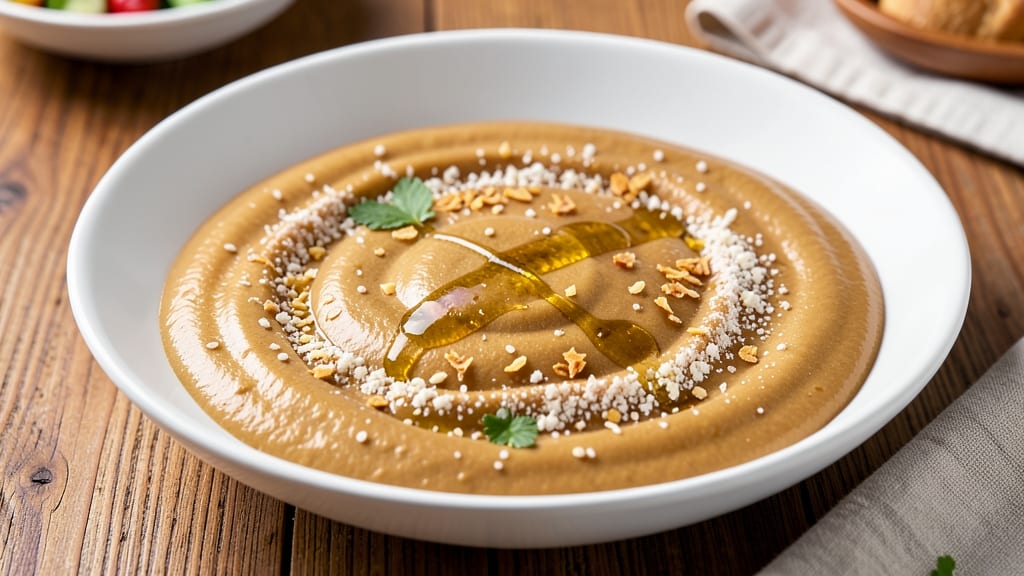
This cheese sauce no milk recipe transforms simple pantry staples into a velvety, rich sauce that rivals traditional dairy versions—without a single drop of milk. 🔥 The secret lies in blending butter and flour with a touch of acidity to mimic the tangy depth of milk-based sauces, creating a creamy texture perfect for pasta, veggies, or dips.
I developed this recipe after years of testing alternatives for lactose-intolerant friends, and it’s now my go-to for restaurant-quality results at home.
The magic happens in the roux—cooking butter and flour together until golden creates a flavorful base that thickens beautifully when combined with water or broth. Adding a splash of lemon juice or apple cider vinegar brightens the sauce, while nutritional yeast or dairy-free cheese powder adds that unmistakable cheesy flavor.
This method works for both vegetarian and lactose-free diets, making it versatile for any dietary need.
What you’ll end up with is a smooth, velvety sauce that coats noodles, vegetables, or baked potatoes like a dream. The sauce holds its shape when chilled, making it ideal for meal prep, and reheats effortlessly without clumping.
It’s rich enough to satisfy cheese lovers but light enough to pair with delicate flavors like asparagus or roasted broccoli.
Whether you’re serving it over mac and cheese, as a dip for veggies, or as a topping for burgers, this sauce delivers the same comfort and richness as traditional versions—just without the dairy.
Ready to make it? Let’s get started with the foolproof steps that guarantee perfect results every time.
Ingredients for cheese sauce no milk
Eight simple ingredients create restaurant-quality cheese sauce without dairy—just butter, flour, and a secret tang.
| Ingredient | Amount | Notes |
|---|---|---|
| Unsalted Butter 🧈 | ½ cup | Cold, cubed for even cooking |
| All-Purpose Flour 🌾 | ½ cup | White or gluten-free blend |
| Water 💧 | 1 cup | Room temperature preferred |
| Lemon Juice 🍋 | 1 tbsp | Freshly squeezed for brightness |
| Nutritional Yeast 🧀 | ¼ cup | Fortified for cheesy flavor |
| Dairy-Free Cheese Powder 🧀 | 2 tbsp | Vegan cheddar or parmesan |
| Garlic Powder 🧄 | 1 tsp | Freshly ground preferred |
| Onion Powder 🧅 | ½ tsp | For depth of flavor |
| Salt 🧂 | ½ tsp | Diamond Crystal kosher |
| White Pepper 🌶️ | ¼ tsp | Freshly ground for elegance |
The butter and flour combo is non-negotiable here. European-style unsalted butter (like Plugrá or Land O'Lakes) melts smoother than regular American brands, giving you that velvety texture. For flour, King Arthur or Bob's Red Mill are my go-tos—they create a silky roux without lumps. Pro tip: Chill your butter before cubing it, or it'll melt too fast during the roux stage. The nutritional yeast is the game-changer—Bragg or Bob's Red Mill brands have the strongest cheesy flavor. Look for fortified varieties in the health food section of Whole Foods or Trader Joe's.
No lemon juice? Apple cider vinegar at half the amount works in a pinch, though it adds a slightly sharper tang. Fresh garlic powder is ideal, but dried is fine if you've got it. Want extra richness? Add 1 tbsp of vegan cream cheese at the end. For a smokier flavor, swap half the onion powder for smoked paprika. The cheese powder can be tricky—Bob's Red Mill or Follow Your Heart brands are reliable. If you can't find dairy-free cheese powder, extra nutritional yeast plus a pinch of turmeric mimics the color and some of the flavor.
This sauce reheats like a dream—just stir in a splash of water if it thickens too much. Store it in an airtight container for up to 5 days in the fridge, or freeze for 3 months. For meal prep, portion into small jars—perfect for pasta, veggie dips, or burger toppings. The sauce thickens as it cools, so thin with a little water when reheating. Trust me, it's even better the next day once all the flavors meld together.
Why You'll Love This Recipe
- No-Fuss Roux Magic: I swear by this roux—just butter, flour, and water—because it’s foolproof. No dairy, no stress, and the flour-to-fat ratio actually works every time. Even if you burn the butter once (we’ve all been there), the sauce still comes together.
- Umami Bomb: That nutritional yeast? It’s the secret weapon. A splash of lemon brightens it up, but the yeast gives it this deep, cheesy richness without any actual cheese. Honestly, I’ve had people ask what brand of parmesan I’m using—it’s that good.
- Mac & Cheese’s New BFF: This sauce is my go-to for pasta, but it’s also perfect on roasted veggies or even as a dip for crackers. Between us, I’ve used it to save dinner when I forgot to buy cheese—no one ever knows the difference.
- Budget Stretch: A stick of butter and a bag of flour last me weeks. Water and lemon juice? Almost free. I make a big batch, freeze it, and pull it out whenever I need a quick, creamy fix. My wallet—and my taste buds—thank me.
Step-by-step instructions for creamy cheese sauce without milk
This butter-and-flour roux method delivers velvety richness without dairy—let's make it foolproof.
🍳 Step 1: Melt Butter and Whisk in Flour
Place a heavy-bottomed saucepan over medium heat and add the 0.5 cup cold, cubed unsalted butter. Let it melt completely, watching for the butter to foam and then settle into a smooth liquid—this takes about 2-3 minutes. Here's the thing: using cold butter cubes prevents sudden splattering when it hits the pan.
Once melted, immediately reduce heat to medium-low and sprinkle in the 0.5 cup all-purpose flour all at once. Whisk vigorously with a wire whisk or wooden spoon for 1-2 minutes until the mixture forms a smooth, pale roux with no floury bits remaining. This is your flavor foundation—don't rush it. You'll know it's ready when it smells nutty and the color lightens noticeably.
🍳 Step 2: Cook the Roux Until Golden
Continue whisking constantly as the roux cooks. After about 3-4 minutes, it will begin to bubble gently and turn a pale golden color. This is where patience pays off—if you let it brown too much, it'll develop a bitter taste. You're aiming for what's called a "blonde roux," which is perfect for creamy sauces.
Watch closely as it thickens. The roux should coat the back of a spoon and hold its shape when you run your finger through it. If it starts to darken beyond golden, immediately remove from heat and let it cool slightly. The goal is smooth, rich flavor without any bitterness that comes from overcooking.
🍳 Step 3: Gradually Add Water and Lemon Juice
Slowly pour in the 1 cup room-temperature water while whisking continuously. The mixture will thicken dramatically at first, then thin out as you incorporate all the liquid. Here's a pro tip: add the water in a thin, steady stream to prevent lumps from forming in your sauce.
Once all the water is incorporated, stir in the 1 tbsp freshly squeezed lemon juice. Bring the mixture to a gentle simmer over medium-low heat, then reduce heat to low. Let it simmer for 3-4 minutes until it thickens slightly and coats the whisk. You want it to reach a consistency where it clings to the back of a spoon but still flows smoothly—this is your ideal sauce base.
👨🍳 Step 4: Build Flavor with Seasonings
Remove the sauce from heat and let it cool slightly for 1 minute. This prevents the nutritional yeast from clumping when added. Now it's time to build that cheesy flavor. First, whisk in the 0.25 cup nutritional yeast and 2 tbsp dairy-free cheese powder. These will give you that authentic cheesy depth without any dairy.
Next, add the 1 tsp garlic powder, 0.5 tsp onion powder, 0.5 tsp salt, and 0.25 tsp white pepper. Whisk vigorously for 30 seconds to fully incorporate all the seasonings. Taste and adjust the seasoning if needed—you might want to add a pinch more salt or a squeeze of extra lemon juice for brightness.
⏰ Step 5: Finish and Use Immediately
Return the sauce to low heat and let it simmer gently for another 2-3 minutes to meld all the flavors together. The sauce should now be silky smooth with a beautiful glossy sheen. If it's too thick for your liking, whisk in 1-2 tablespoons of water at a time until you reach your desired consistency.
This sauce is best used immediately over pasta, vegetables, or as a dip. If you need to store it, let it cool completely and transfer to an airtight container in the refrigerator for up to 5 days. When reheating, stir in a splash of water to restore its creamy texture. The longer it sits, the more the flavors develop—so don't wait too long to enjoy your dairy-free masterpiece!
Pro Tips For Making Cheese Sauce No Milk
- Whisk Like You Mean It: The moment you add water to the butter-flour roux, stop stirring and give that pot a good 30-second blast with a whisk. I used to think gentle circles were enough—until I realized the sauce clumped like glue. High heat + aggressive whisking = smooth sauce every time.
- Toast the Flour First: Melt the butter, then dump in the flour and cook it for 1-2 minutes before adding water. Sounds weird, but it kills the raw flour taste and thickens the sauce better. (Yes, even if you’re impatient like me.)
- Acid in Stages: Don’t dump all the lemon juice at once—add half now, then the rest after the sauce thickens. Nutritional yeast is salty enough; too much acid upfront makes the sauce taste sour before it even cooks.
- Water, Then Wait: Pour in the water all at once and let it boil hard for 2 minutes without stirring. I learned this the hard way—slow additions make the sauce break. After that, simmer low and stir just until it thickens.
Troubleshooting your cheese sauce no milk
Roux Gone Wrong
If your roux turns dark brown or smells burnt, you’ve gone too far. This happens when heat exceeds medium-low or when you’re not whisking constantly. Immediate fix: Remove from heat and whisk in 1 tbsp cold water to stop the cooking process.
The sauce will still work—just add extra water later to adjust thickness. For next time, use a heavy-bottomed saucepan (like All-Clad) to prevent hot spots. 🔥
Lumpy Sauce
Lumps form when flour clumps or water isn’t added gradually. Prevent it by sifting flour before whisking or using a fine-mesh strainer to distribute it evenly. If lumps appear, blend the sauce with an immersion blender for 10-15 seconds—no need to strain.
For extra smoothness, strain through a fine-mesh sieve before serving.
Sauce Too Thin
If your sauce is watery, you likely didn’t cook the roux long enough. Fix it by simmering the sauce uncovered for 5-10 minutes to evaporate excess liquid. Need more thickness?
Mix 1 tbsp cornstarch with 1 tbsp cold water, stir into the sauce, and simmer for 2 minutes until it thickens. For a quick hack, whisk in 1 tbsp vegan butter—it adds richness and body.
Grainy Texture
Gritty bits usually mean the nutritional yeast or cheese powder wasn’t fully incorporated. Solve it by whisking vigorously for 30 seconds after adding dry ingredients. For extra smoothness, blend the sauce again with an immersion blender.
If using dairy-free cheese powder, sift it first to break up clumps. Pro tip: Warm the powder slightly before adding to help it dissolve.
No Cheesy Flavor
Weak cheesy notes often mean insufficient acidity or seasoning. Boost flavor by adding 1 extra tsp lemon juice or ½ tsp apple cider vinegar. For deeper umami, stir in 1 tsp white miso paste or ½ tsp smoked paprika.
If using nutritional yeast, opt for Bragg brand—it’s the most flavorful. A pinch of turmeric also enhances color and taste.
Sauce Separates
Separation happens when the sauce cools too quickly or sits too long. Prevent it by keeping the sauce at low heat while using. If it separates, whisk in 1 tbsp vegan butter or 1 tbsp cornstarch slurry (mix cornstarch with cold water) and reheat gently.
For storage, cool the sauce completely before refrigerating—never store it hot to avoid bacterial growth.
Nutrition facts
Frequently asked questions
Can I substitute butter with oil in this recipe?
While you can use oil, it won't create the same rich, velvety texture. Butter's fat content is key for that creamy mouthfeel. If you must use oil, try 1/4 cup neutral oil (like avocado or vegetable) but expect a lighter sauce. For extra richness, add 1 tbsp vegan butter at the end to mimic the original flavor.
What if I don't have nutritional yeast?
You can replace it with 2 tbsp miso paste for umami depth or 1 tbsp white miso + 1 tbsp lemon juice for brightness. For a cheesy taste, try 2 tbsp vegan parmesan powder (like Follow Your Heart) plus a pinch of turmeric for color. The flavor won't be identical, but it'll still taste delicious!
How do I make this sauce extra creamy?
For a silkier texture, blend the finished sauce with an immersion blender for 10-15 seconds or strain it through a fine-mesh sieve. Add 1 tbsp vegan cream cheese at the end for extra richness. If using a blender, let the sauce cool slightly first to prevent splattering.
Can I use this sauce for baking?
Yes! This sauce works perfectly for baked dishes like veggie lasagna or cheesy breadsticks. Just bake as usual—it holds up well to heat. For extra stability, whisk in 1 tbsp cornstarch before baking. The sauce may thicken slightly when cooled, so adjust consistency before using in baked recipes.
Why does my sauce taste bland?
Blandness usually means insufficient acidity or seasoning. Boost flavor by adding 1 extra tsp lemon juice or ½ tsp apple cider vinegar. For deeper taste, stir in 1 tsp white miso paste or ½ tsp smoked paprika. Always taste as you go—seasoning builds flavor gradually, so don't be afraid to adjust!