
Sauces & Condiments
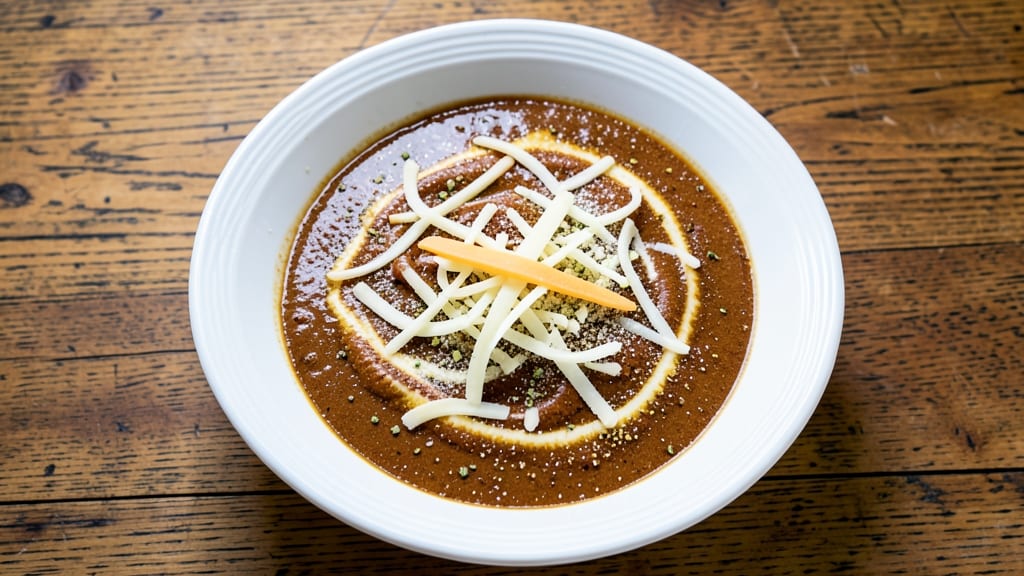
Anthony's cheddar cheese powder sauce transforms ordinary dishes into restaurant-quality creations with just a splash of liquid. This foolproof blend dissolves smoothly into velvety, no-clump perfection—ideal for pasta, soups, or dips—while keeping your pantry organized.
The secret lies in the precise powder-to-liquid ratio and a touch of cornstarch for that signature creaminess without lumps. What sets this sauce apart is its versatility and shelf stability. Unlike fresh cheese sauces, this powdered version stays fresh for months and requires no refrigeration until mixed.
You can adjust the consistency by adding water, milk, or even broth, making it adaptable to any recipe. The blend includes real cheddar flavor with a hint of tang, thanks to carefully balanced spices and a touch of garlic powder for depth.
Once mixed, this sauce delivers rich, cheesy flavor without the mess of melting cheese or the risk of clumping. It's perfect for quick weeknight meals, meal prep, or impressing guests with minimal effort. The powdered form also makes it easy to control portions—just sprinkle, mix, and enjoy.
Store the dry mix in an airtight container for up to six months, or freeze the prepared sauce for up to three months. Whether you're tossing it with pasta, drizzling over baked potatoes, or using it as a dip base, this sauce is a game-changer for home cooks.
Ingredients for anthony's cheddar cheese powder sauce
Nine simple ingredients for restaurant-quality cheddar sauce—no lumps, no fuss.
| Ingredient | Amount | Notes |
|---|---|---|
| Shredded Sharp Cheddar Cheese 🧀 | 2 cups | Aged for maximum flavor |
| Cornstarch 🌾 | ¼ cup | For smooth texture |
| Powdered Nonfat Milk 🥛 | ½ cup | For creaminess |
| Garlic Powder 🧄 | 1 tbsp | For depth of flavor |
| Onion Powder 🧅 | 1 tbsp | Balances cheddar flavor |
| Salt 🧂 | 1 ½ tsp | Adjust to taste |
| Black Pepper 🌶️ | ½ tsp | Freshly ground preferred |
| Dried Mustard 🌿 | ½ tsp | Adds subtle tang |
| Xanthan Gum 🧪 | ¼ tsp | Prevents clumping |
Sharp cheddar is non-negotiable here. Kraft 2-year or sharp white cheddar from the block section delivers that tangy punch. Pre-shredded gets waxy and won't blend right—grate your own. The cornstarch and xanthan gum team up to create that velvety texture without clumps. Bob's Red Mill cornstarch is my go-to for its fine grind, but any brand works. For the powdered milk, Nestlé or International Delight are reliable—just make sure it's the instant variety. The spices? Penzeys or the bulk bins at Whole Foods if you want to splurge, but the regular grocery store stuff is fine for everyday use.
No sharp cheddar? Monterey Jack or pepper jack works in a pinch, but the flavor won't be quite the same. Short on powdered milk? Substitute with an extra 0.25 cup of cornstarch—it'll be slightly thinner but still delicious. The garlic and onion powders can be swapped for fresh, but toasted and ground gives better flavor. Want more tang? Add an extra 0.25 tsp of dried mustard. For a dairy-free version, replace the powdered milk with powdered coconut milk. The xanthan gum is optional but makes a huge difference—if you skip it, whisk the sauce vigorously when adding liquid.
Store the dry mix in an airtight container in a cool, dark place for up to 6 months. Once mixed, it keeps 3 months in the fridge or 6 months frozen. I like to portion the dry mix into small jars or bags—perfect for meal prep. The prepared sauce reheats beautifully, so it's great for leftovers. For best results, whisk in the liquid gradually until smooth. If it gets too thick, just add a splash more milk or water.
Why You'll Love This Recipe
- Five-Ingredient Magic: I swear, this sauce is the kind of recipe that makes me feel like a genius—just toss shredded cheddar, a pinch of cornstarch, powdered milk, and those dry spices in a bag, shake it up, and boom. No measuring cups, no messy liquids, no waiting for cheese to melt. Honestly, I keep a stash in my pantry now for lazy days when I don’t want to think.
- Umami Bomb: That sharp cheddar isn’t just flavor—it’s a punch. The powdered milk adds this weirdly addictive creaminess, while the garlic and onion powders sneak in depth without overpowering. Between us, this sauce turns bland roasted veggies or sad-looking chicken into something that makes people ask, “What’d you do to this?”
- Game for Any Meal: I’ve drizzled this on everything from mac and cheese to baked potatoes, even as a dip for fries. It’s my secret weapon for game day snacks, last-minute casseroles, or when I need to jazz up a sad office lunch. The powdered version keeps forever, so I just grab a scoop whenever I’m in a pinch.
- No Waste, All Win: Here’s what sold me—this sauce lasts. A little goes a long way, and the dry mix means no spoilage. I’ll make a big batch, store it in jars, and pull it out for weeks. Plus, the ingredients? Super budget-friendly. Sharp cheddar in bulk and a bag of powdered milk? That’s my kind of grocery haul.
Step-by-step instructions for anthony's cheddar cheese powder sauce
Here's how to make this ultra-smooth, no-clump sauce that's perfect for mac and cheese, dips, or baked potatoes.
Whisk Dry Ingredients Together Thoroughly
In a medium bowl, combine the 2 cups shredded sharp cheddar cheese, 0.25 cup cornstarch, 0.5 cup powdered nonfat milk, 1 tbsp garlic powder, 1 tbsp onion powder, 1.5 tsp salt, 0.5 tsp black pepper, 0.5 tsp dried mustard, and 0.25 tsp xanthan gum. I like to use a wire whisk for this step because it helps break up any cheese clumps right from the start.
The xanthan gum is what prevents clumping later, so make sure it's completely dissolved into the cheese mixture. Whisk for about 2 minutes until everything looks uniformly blended and there are no visible cheese chunks remaining. This thorough mixing is crucial—it ensures your sauce will be silky smooth when you add liquid later.
Gradually Add Liquid While Stirring Constantly
In a separate saucepan, begin heating 1 cup milk over medium heat until it's steaming but not boiling. While keeping the milk warm, slowly whisk the dry cheese mixture into it, 1 tablespoon at a time. This gradual approach is key—adding too much at once can create lumps that are nearly impossible to fix later.
After each addition, whisk vigorously for about 10 seconds to ensure the mixture incorporates smoothly. You're aiming for a thick, paste-like consistency at this stage. If you see any lumps forming, immediately press them through a fine-mesh sieve with the back of a spoon—this prevents them from becoming permanent.
Cook on Low Heat Until Thick and Smooth
Return the saucepan to low heat and stir continuously with a wooden spoon or silicone spatula. You'll notice the sauce begin to thicken after about 3-5 minutes. This is where patience pays off—keep the heat low to prevent burning while ensuring the cornstarch fully activates to create that velvety texture.
The sauce is ready when it coats the back of a spoon and leaves a clean streak when you drag your finger through it. This should take about 8-10 minutes total cooking time. If it thickens too quickly, you can thin it with a splash of warm milk, but you should rarely need to do this with these exact measurements.
Finish with Fresh Seasoning Adjustments
Once the sauce reaches the perfect consistency, remove it from heat immediately. Taste it and adjust the seasoning if needed—this is your chance to fine-tune the flavor. I usually add a pinch more salt or a crack of black pepper to enhance the cheddar's sharpness.
For an extra boost of flavor, stir in 1 tablespoon butter at the end. This adds richness and helps prevent the sauce from becoming grainy as it cools. The sauce will thicken slightly more as it sits, so it's best to use it warm or reheat gently with a splash of milk if needed. Store any leftovers in an airtight container in the refrigerator for up to 5 days.
Pro Tips For Making Anthony'S Cheddar Cheese Powder Sauce
- Pulse the Cheese First: Dump that whole block of cheddar into the food processor and hit pulse until it’s uniformly crumbly—not powdery, just fine and even. I learned this the hard way: skipping it leads to clumps in your sauce that turn to cheese lumps in your dish. Two seconds of pulsing saves you from scraping burnt cheese off the bottom later.
- Whisk Cornstarch Dry: Mix the cornstarch with your powdered milk and spices before adding liquid—this prevents clumping like crazy. I used to just toss it in and stir, but now I make a little slurry with cold water first, then whisk it into the hot oil. Smooth sauce every time.
- Low and Slow Only: This sauce will scorch if you rush it. Keep the heat at a bare simmer—just enough to see tiny bubbles around the edges, not a full boil. I’ve ruined three batches by cranking the heat; the cheese turns grainy and bitter. Patience here makes all the difference.
- Use Real Butter: The recipe might call for oil, but swap in 1 tablespoon of butter for that extra depth of flavor. It’s a tiny upgrade, but it rounds out the sharpness of the cheddar and makes the sauce taste less like powdered mix. (Yes, even if you’re impatient like me.)
Pro cooking tips for perfect results
Powder Consistency Control
For a perfectly smooth sauce, sift the dry ingredients through a fine-mesh sieve before whisking—this breaks up any cheese clumps and ensures even distribution of the cornstarch and xanthan gum. I like to use a wire mesh sieve from OXO because it’s sturdy and won’t clog easily.
If you don’t have one, a clean kitchen towel works in a pinch: just press the mixture through it while whisking. 🌾
The key to avoiding lumps is gradual hydration. Start with ½ cup warm milk or water and whisk vigorously for 30 seconds before adding more. If you add all the liquid at once, the xanthan gum won’t have time to disperse properly, leading to graininess.
For extra insurance, I pre-mix the dry ingredients with 1 tablespoon of powdered milk before adding liquid—this creates a slurry that blends seamlessly.
Heat Management Tips
Never let the sauce boil while cooking—low heat is non-negotiable. I use a heavy-bottomed saucepan (like All-Clad) to prevent scorching. If the sauce starts to bubble or smells burnt, immediately reduce the heat to medium-low and stir more aggressively.
The ideal temperature is just below a gentle simmer, where the cornstarch activates without breaking down.
For a thicker sauce (like for mac and cheese), cook it for 10-12 minutes total. For a lighter consistency (like a dip), reduce cooking time to 6-8 minutes and stir in 1-2 tablespoons of warm milk at the end.
Pro tip: If the sauce splits or curdles, whisk in 1 teaspoon of lemon juice to stabilize it—this happens when the acidity balances the dairy proteins. 🔥
Flavor Layering Tricks
To deepen the cheddar flavor, toast the garlic and onion powders in a dry pan for 1-2 minutes before mixing them in. This caramelization adds a nutty depth that store-bought powders can’t match. For a smoky twist, add ½ teaspoon smoked paprika or a pinch of chipotle powder.
I also like to finish with a splash of heavy cream (about 1 tablespoon) for a richer mouthfeel—it cuts through the sharpness beautifully.
If you want a tangy kick, whisk in ½ teaspoon of apple cider vinegar or a dash of hot sauce at the end. For a herby variation, stir in 1 teaspoon of dried chives or parsley just before serving.
These additions elevate the sauce from basic to restaurant-worthy without overpowering the cheddar’s natural flavor. ✨
Reheating Without Ruin
Reheating is where many cheese sauces fail—mine stays smooth if you follow this trick: add a splash of liquid. Heat the sauce in a saucepan over low heat with 1-2 tablespoons of milk or water per ½ cup of sauce.
Stir constantly to prevent scorching, and if it thickens too much, thin it with more warm liquid. For microwave reheating, cover the sauce with a damp paper towel and heat in 20-second intervals, stirring in between, until just warmed through.
If your sauce separates after reheating, don’t panic. Simply whisk in ½ teaspoon of cornstarch mixed with 1 tablespoon of cold water (a slurry) and heat for 1-2 minutes until thickened. This slurry acts as a binder and restores the velvety texture.
For freezer storage, portion the sauce into silicone molds or ice cube trays—this makes it easy to thaw just what you need without defrosting the whole batch. 💫
Nutrition facts
Frequently asked questions
Can I make this cheese powder sauce without xanthan gum?
Yes, but you'll need to whisk more vigorously and add liquid very gradually. Replace the xanthan gum with an extra 0.25 teaspoon of cornstarch and whisk your sauce constantly while heating. For best results, strain through a fine-mesh sieve to catch any potential lumps. The texture won't be quite as silky, but it'll still work for most recipes.
What's the best liquid to use for the thickest sauce?
For maximum thickness, use a 50/50 mix of whole milk and heavy cream. The fat content in cream helps create a richer, more velvety texture. If you're lactose intolerant, opt for lactose-free milk or a dairy-free alternative like unsweetened almond or oat milk, though the consistency may be slightly lighter. Always warm your liquid before adding to the powder.
How can I use this sauce beyond pasta dishes?
This versatile sauce works perfectly as a baked potato topping, grilled cheese filling, or dipping sauce for fries and veggies. Try mixing it into mashed potatoes for extra creaminess, or use it as a slather for burgers or hot dogs. For a fun twist, spread it on tortillas with cooked chicken for a quick quesadilla filling. The powdered form makes it easy to adjust portions for any recipe!
Why did my sauce get grainy after reheating?
Graininess usually happens when the sauce separates during reheating. To fix it, whisk in 1 teaspoon of cornstarch mixed with 1 tablespoon of cold water (a slurry) and heat gently for 1-2 minutes. For prevention, always reheat on low heat with a splash of milk or water, stirring constantly. Never microwave uncovered—cover with a damp paper towel instead to maintain moisture.
Can I make this sauce dairy-free?
Replace the powdered nonfat milk with powdered coconut milk and use dairy-free shredded cheese (like Violife or Daiya). For extra richness, add 1 tablespoon of nutritional yeast to the dry mix. The texture will be slightly different but still delicious. Always check that your dairy-free cheese has a similar fat content to traditional cheddar for best results.