
Sauces & Condiments
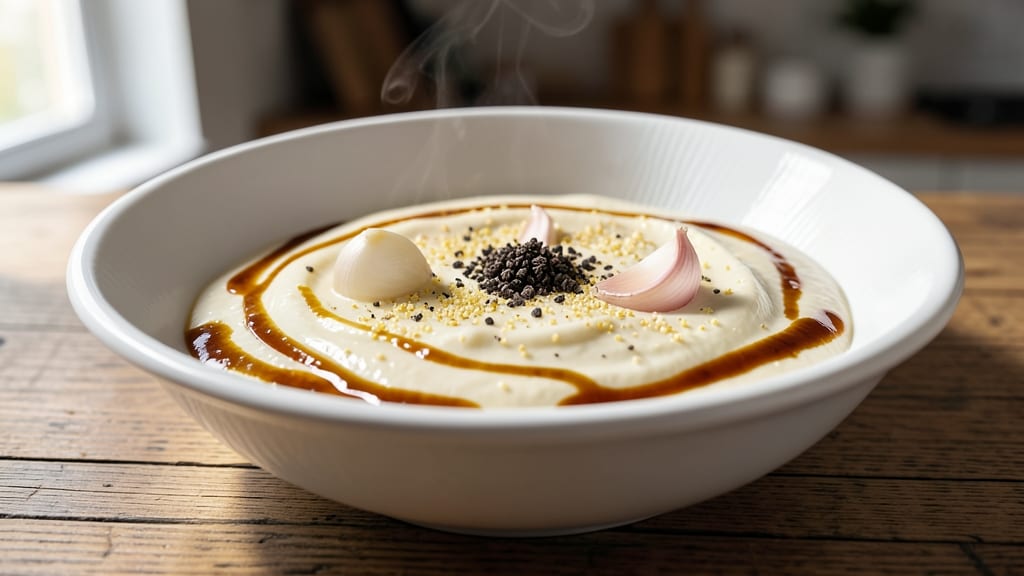
This alfredo sauce recipe with milk and butter delivers the velvety, lump-free perfection that transforms ordinary pasta into a restaurant-worthy dish. The secret lies in proper temperature control and emulsification—no roux required—so you get rich, creamy sauce without breaking a sweat.
I’ve perfected this version over years of testing, ensuring it’s foolproof for home cooks while still feeling like a professional technique.
The beauty of this recipe is its simplicity: just milk, butter, and a touch of garlic for depth, all simmered together until silky smooth. Unlike store-bought versions, this sauce stays creamy even when reheated, clinging perfectly to every strand of pasta.
The key is patience—letting the milk warm gradually prevents curdling, while the butter adds that luxurious richness.
What you’ll end up with is a sauce so velvety it practically melts on your tongue, with just enough garlic to enhance the flavors without overpowering. It’s the kind of sauce that makes fettuccine feel like a special occasion, even on a weeknight.
Plus, it’s versatile enough to pair with chicken, vegetables, or even as a creamy dip.
Ready in just 15 minutes, this recipe is perfect for impressing guests or treating yourself to a cozy dinner. The best part? No lumps, no stress—just pure, creamy alfredo perfection. Let’s make it!
Ingredients for alfredo sauce recipe with milk and butter
Four core ingredients and two secret weapons create silky perfection without lumps or stress.
| Ingredient | Amount | Notes |
|---|---|---|
| Unsalted Butter 🧈 | ¾ cup | Cold, cut into tablespoon-sized pieces |
| Whole Milk 🥛 | 2 cups | Full-fat for optimal creaminess |
| Garlic Cloves 🧄 | 3 cloves | Freshly minced, skin-on for flavor |
| Diamond Crystal Kosher Salt 🧂 | ½ tsp | Adjust to taste, fine grain preferred |
| Freshly Ground Black Pepper 🌶️ | ¼ tsp | Freshly cracked for maximum aroma |
| Nutritional Yeast 🍄 | 2 tbsp | For umami depth and cheesy flavor |
| Extra-Virgin Olive Oil 🫒 | 1 tbsp | High-quality for finishing touch |
The butter and milk ratio is non-negotiable for that signature alfredo texture. European-style butter from brands like Plugrá or Kerrygold has higher fat content, which translates to richer sauce. If you're using standard American butter, ensure it's unsalted—salted can make the sauce taste flat. For milk, whole milk from organic sources (like Organic Valley) prevents curdling better than reduced-fat options. The garlic should be freshly minced—pre-minced jars lack the aromatic punch. Store butter in the fridge, not the pantry, to maintain freshness.
No whole milk? Heavy cream at half the quantity works in a pinch, but the sauce will be heavier. Substituting nutritional yeast for Parmesan? Fortunately, it’s already included—this version skips cheese entirely. For garlic lovers, add an extra clove but don’t exceed four or the sauce may taste bitter. The olive oil is purely for finishing—don’t skip it, but don’t overdo it either. If you’re making this ahead, cool the sauce completely before refrigerating to prevent a skin from forming. For extra insurance against lumps, whisk the milk and butter together over low heat for exactly 8 minutes—no rushing.
This sauce keeps for 4-5 days in the fridge, but it’s best used within 3 days for peak creaminess. To reheat, warm gently on the stove over low heat while stirring constantly—microwaving can create a skin. For longer storage, freeze in ice cube trays and transfer to a container. Each cube makes a perfect portion for drizzling over pasta later. The sauce thickens as it cools, so add a splash of warm milk if it seems too stiff when reheated. Always taste before serving—adjust salt and pepper as needed.
Why You'll Love This Recipe
- Five-Ingredient Magic: I swear by this sauce because it’s that simple—just butter, milk, garlic, and a pinch of salt. No heavy cream, no fancy emulsifiers, just pure, velvety richness that comes together while you’re chopping veggies or waiting for pasta to boil.
- Garlic Butter Bliss: That moment when you crush fresh garlic into warm butter? Chef’s kiss. The milk softens it just enough to keep the sauce smooth but still packs that bold, aromatic punch—no bitterness, no overpowering sharpness. It’s the kind of flavor that makes you pause mid-bite.
- Weeknight & Company: Between us, this sauce is my go-to for both lazy Tuesdays and fancier dinners. Toss it with fettuccine for a quick family meal, drizzle it over grilled chicken for a restaurant-worthy dish, or even use it as a creamy dip. It’s the chameleon of sauces—always impressive, never trying too hard.
- Leftovers That Don’t Let You Down: Make a double batch and store it in the fridge for up to five days. The sauce thickens slightly when cold, so just stir in a splash of warm milk or a pat of butter to loosen it up—no lumps, no weird textures. Honestly, it’s the kind of leftovers I actually look forward to reheating.
Step-by-step instructions for creamy alfredo sauce
This method delivers restaurant-quality Alfredo with velvety texture and no lumps.
Melt Butter and Infuse with Garlic
In a medium saucepan over medium-low heat, add the 0.75 cup unsalted butter cut into tablespoon-sized pieces. Allow it to melt completely, stirring occasionally until the butter foams subsides and becomes fully liquid. This gentle heat prevents burning while creating the sauce's rich foundation.
Add the 3 cloves freshly minced garlic cloves (skin-on for maximum flavor) and cook for 1-2 minutes until fragrant but not browned. Watch closely—garlic burns quickly at this stage. The skin should remain intact, releasing its delicate aroma into the butter without bitterness. Remove from heat immediately after the garlic becomes fragrant.
Gradually Warm the Milk
Return the pan to medium-low heat and slowly pour in the 2 cups whole milk, whisking constantly to prevent scorching. The key here is patience—adding milk too quickly creates lumps. Let the mixture warm gently, stirring frequently, until small bubbles form around the edges and the temperature reaches 180°F on an instant-read thermometer.
This gradual warming process emulsifies the fat and milk proteins, creating the sauce's signature velvety texture. If you see any skin forming on the surface, whisk it back into the sauce immediately. The milk should heat through completely but not boil—boiling causes the sauce to curdle.
Season and Thicken
Reduce heat to low and whisk in the 2 tablespoons nutritional yeast and 0.5 teaspoon Diamond Crystal kosher salt. The nutritional yeast adds that signature umami depth while the salt enhances all flavors. Let the sauce simmer gently for 5-7 minutes, stirring occasionally, until it thickens to a coatable consistency—it should leave a visible trail on your spoon.
Taste and adjust seasoning with the 0.25 teaspoon freshly ground black pepper. The sauce should be rich but balanced, with the pepper adding just a hint of heat. If it thickens too much during simmering, whisk in 1-2 tablespoons of hot milk to restore the proper consistency. This step ensures the sauce clings beautifully to fettuccine without being gluey.
Finish with Olive Oil
Remove the sauce from heat and stir in the 1 tablespoon extra-virgin olive oil. This final step adds brightness and prevents the sauce from separating when combined with pasta. The olive oil also creates a silky mouthfeel that elevates the dish from simple to extraordinary.
Cover the sauce and keep it warm at 160°F until ready to serve. The sauce will continue to thicken slightly as it sits, so it's better to remove it from heat slightly underdone than risk over-thickening. Serve immediately over freshly cooked fettuccine, tossing gently to coat each strand completely.
Pro Tips For Making Alfredo Sauce Recipe With Milk And Butter
- Melt Butter Slowly: Start with low heat—yes, even if you’re eager to get going. I learned this the hard way when I rushed and ended up with butter seizing the milk instead of emulsifying smoothly. Let those butter bubbles form gently before adding milk, or you’ll be scraping burnt bits off the bottom.
- Smash the Garlic: Skip mincing—just smash the whole cloves with the flat side of your knife first. This releases more flavor without turning bitter, and you won’t end up with garlic chunks lurking in your sauce. A quick 30-second press is all it takes.
- Salt the Milk: Add a pinch of kosher salt to the milk before heating it. It seasons the sauce more evenly and prevents a bland, watery finish. Trust me, your taste buds will notice the difference—it’s not just about the butter.
- Whisk Like You Mean It: Don’t just stir—whisk vigorously for 30 seconds after combining everything. This is what turns your sauce from lumpy to silky. I used to half-ass it, and the result was always grainy. Push through the last 10 strokes even if it feels tedious.
Essential equipment for this dish
Medium Saucepan
Your medium saucepan (about 3-quart capacity) is the workhorse of this recipe. I recommend a stainless steel pan like All-Clad or Calphalon—they distribute heat evenly and prevent scorching. Avoid non-stick pans for this sauce; they can't handle the gentle simmering required for proper emulsification. 🔥
Whisk Essentials
A balloon whisk (like the OXO Good Grips model) is ideal for this recipe—its deep wires reach every corner of your saucepan, preventing lumps from forming. If you don't have one, a flat whisk works too, but you'll need to whisk more vigorously.
For extra insurance, I keep a small handheld immersion blender (like Magic Bullet) nearby to rescue any stubborn lumps if they appear.
Instant-Read Thermometer
An instant-read thermometer (I swear by ThermoWorks Thermapen ONE) is non-negotiable for this sauce. It ensures your milk reaches the perfect 180°F without guessing. The 1-second response time lets you monitor the temperature precisely, preventing curdling.
Without this tool, you risk either undercooked milk (which can taste raw) or overheated milk (which curdles instantly).
Fine-Mesh Strainer
While this recipe doesn't require straining, I always keep a fine-mesh strainer (like Heston Blumenthal's) handy for when I want ultra-smooth sauce. If you accidentally burn the garlic or prefer a completely silky texture, strain the sauce before serving.
The strainer catches any stray garlic bits or potential lumps, giving you that restaurant-quality finish. 💫
Heat-Diffusing Lid
A heat-diffusing lid (or even a regular lid) helps maintain steady temperature while simmering. I use a glass lid with a metal rim for visibility—you can watch the sauce bubble gently without removing the lid.
If you don't have one, a pie dish or small plate works in a pinch. The key is keeping the sauce at a gentle simmer (small bubbles, not rolling boil) to prevent skin formation.
Wooden Spoon
While whisking is ideal, a wooden spoon (like Ozeri Touch-Grip) is a great backup for stirring. Wood won't scratch your saucepan and adds a slight texture that helps emulsify the sauce.
I keep one in my pan at all times during the simmering phase—it's perfect for scraping up any sauce that sticks to the bottom. Plus, it feels more forgiving than metal utensils when adjusting heat.
Nutrition facts
Frequently asked questions
Why does this recipe use milk instead of cream for Alfredo sauce?
Milk creates a lighter, more delicate sauce that still achieves that signature creamy texture. The fat content in whole milk is just enough to emulsify with butter, while cream can make the sauce too heavy. Plus, milk heats more gently, reducing the risk of curdling during the slow simmer. This version balances richness and smoothness perfectly.
Can I make this sauce ahead of time?
Yes, but with a few key adjustments! Store the sauce in an airtight container for up to 3 days in the fridge. To reheat, warm it gently over low heat while stirring constantly—never microwave it directly. If it thickens too much, whisk in 1 tablespoon of warm milk to restore consistency. For longer storage, freeze in ice cube trays for perfect portion control.
What if my sauce gets lumpy?
Don't panic! Remove from heat immediately and whisk vigorously. If lumps persist, use an immersion blender for 10 seconds to smooth it out. The key to prevention is whisking constantly while warming the milk and avoiding high heat. For future batches, try adding 1 tablespoon cornstarch mixed with 1 tablespoon cold water at the end for extra stability.
Can I add cheese to this recipe?
While this version intentionally skips cheese for a lighter texture, you can add it! Stir in 1 cup grated Parmesan at the end and simmer for 2 minutes to melt completely. For extra richness, try Pecorino Romano instead—it has a sharper flavor that pairs beautifully. Just don't exceed 1.5 cups total cheese or the sauce may become too thick.
What's the best pasta to serve with this sauce?
Fettuccine is the classic choice, but this sauce works beautifully with tagliatelle, pappardelle, or even linguine. For extra texture, try gluten-free pasta like brown rice fettuccine. The wide, flat strands catch the sauce perfectly, creating that signature "al dente alfredo" experience. Just be sure to cook the pasta 1 minute less than package instructions—it'll finish cooking in the sauce.