
Sauces & Condiments
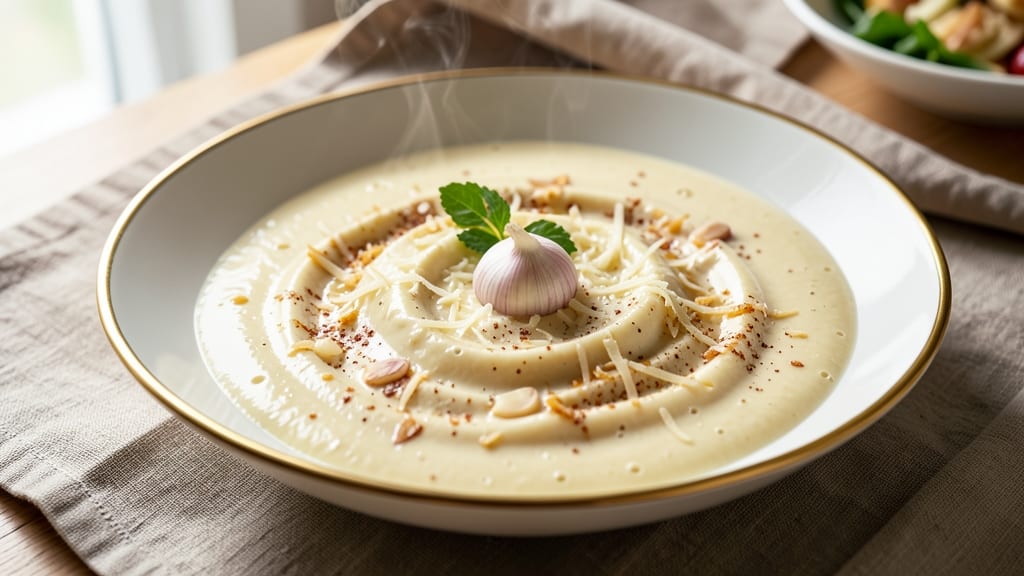
This ultra-creamy Alfredo sauce recipe with grated parmesan delivers that perfect, velvety texture without any lumps or curdling. The secret lies in the right technique—slowly melting butter, incorporating warm cream, and whisking in freshly grated parmesan until completely smooth.
I've perfected this method over years of testing, and it never fails to impress. What sets this sauce apart is how effortlessly it coats pasta, creating a rich, luxurious finish that feels restaurant-quality.
The key ingredients—high-quality butter, heavy cream, and freshly grated parmesan—work together to create a sauce that's both indulgent and foolproof. A touch of garlic and nutmeg adds depth, while a splash of pasta water ensures the perfect consistency.
By the time you're done, you'll have a sauce that's impossibly smooth, with a velvety mouthfeel and a depth of flavor that makes every bite of pasta feel like a special occasion. The best part? It reheats beautifully and keeps its creamy texture, so you can enjoy leftovers without compromise.
Whether you're serving it over fettuccine, chicken, or vegetables, this sauce transforms simple dishes into something extraordinary. Let's get started on making the creamiest Alfredo you've ever tasted.
Ingredients for alfredo sauce recipe with grated parmesan
Eight simple ingredients transform into velvety perfection—no lumps, just pure creaminess.
| Ingredient | Amount | Notes |
|---|---|---|
| Unsalted Butter 🧈 | ¾ cup | High-quality, cold for melting |
| Heavy Whipping Cream 🥛 | 1 cup | Full-fat for creaminess |
| Freshly Grated Parmesan Cheese 🧀 | 1 ½ cups | Block cheese, fine grind |
| Garlic Cloves 🧄 | 3 cloves | Minced for depth of flavor |
| Ground Nutmeg 🌿 | ¼ tsp | Freshly grated preferred |
| Salt 🧂 | ½ tsp | Kosher or sea salt |
| Freshly Ground Black Pepper 🌶️ | ¼ tsp | For subtle seasoning |
| Pasta Water 💧 | ¼ cup | Reserved from cooking pasta |
The butter and cream are your holy grail here. European-style butter like Plugrá or Land O'Lakes has more fat content, which means a richer sauce. Heavy cream is non-negotiable—light cream or half-and-half will thin everything out. Costco or Whole Foods usually have the best selection of high-fat dairy. For the Parmesan, Parmigiano-Reggiano from a wedge is worth the splurge—pre-grated has anti-caking agents that make it grainy. I always grab extra; it keeps for months in the freezer.
No heavy cream? Full-fat coconut milk works in a pinch, though it'll taste slightly tropical. Short on Parmesan? Pecorino Romano at 1:1 ratio gives a sharper bite. Fresh nutmeg is ideal, but ground works fine if you've got it—just use a tiny pinch. The garlic can be roasted for sweetness (microwave 30 seconds with a splash of water), or raw for punch. Pasta water is the secret weapon—it's starchy and helps emulsify the sauce. Don't skip it, even if your pasta is 'al dente'.
This sauce is a leftovers legend—it actually gets better the next day as flavors meld. Store in an airtight container with a thin layer of olive oil on top to preserve that velvety sheen. Keeps 4-5 days in the fridge and freezes beautifully for up to 3 months. I like to portion it into small jars so I can grab just what I need for a quick pasta night. Reheat gently on low—never boil, or you'll break the emulsion.
Why You'll Love This Recipe
- Five-Ingredient Magic: I swear by this recipe because it’s that simple—just butter, cream, garlic, nutmeg, and a mountain of Parmesan. No fancy reductions, no waiting for roux to thicken, just melt, stir, and boom—creamy perfection in 15 minutes.
- Parmesan Powerhouse: That freshly grated Parmesan? It’s the star. The nutmeg adds warmth, the garlic gives it depth, but the cheese? It’s the velvety, salty, umami bomb that makes this sauce dangerously addictive. (Yes, even on a Tuesday night.)
- Pasta Party Ready: This sauce doubles as a crowd-pleaser for date nights, family dinners, or when your roommate’s “I’ll cook” turns into a disaster. Dump it on fettuccine, toss with chicken, or slather it on garlic bread—it’s the ultimate blank canvas.
- Leftovers That Don’t Suck: Unlike some sauces that turn gloppy after reheating, this one stays silky smooth. Store it in the fridge for up to 5 days, or freeze it in portions—because nothing beats coming home to a ready-made sauce when you’re too tired to cook.
Step-by-step instructions for ultra-creamy Alfredo sauce
Here's how to make a velvety, clump-free Alfredo that clings perfectly to pasta.
Melt Butter and Infuse with Aromatics
In a medium saucepan over medium-low heat, melt the 0.75 cup unsalted butter until it's completely liquid but not browned. I like to watch for tiny bubbles forming around the edges—that's your signal it's ready. Add the 3 cloves minced garlic and stir constantly for 1-2 minutes until fragrant but not browned.
Here's the thing—garlic burns fast. If it starts to smell bitter, you've gone too far. Remove from heat immediately and let it cool slightly before proceeding. The butter should be smooth and glossy, with no visible solids remaining.
Add Cream and Cheese Gradually
Return the pan to medium-low heat and slowly pour in the 1 cup heavy whipping cream. Stir gently to combine, then sprinkle in half of the 1.5 cups freshly grated Parmesan cheese. Let the mixture simmer for 3-4 minutes, stirring occasionally, until it begins to thicken slightly.
Now for the secret: add the remaining 0.75 cups Parmesan one tablespoon at a time, whisking vigorously after each addition. This gradual approach prevents clumping. If you see any lumps forming, immediately add 1 tablespoon of the 0.25 cup pasta water and whisk until smooth. The sauce should be thick but still pourable.
Season and Finish Perfectly
Remove the sauce from heat and stir in the 0.5 tsp salt, 0.25 tsp freshly ground black pepper, and 0.25 tsp ground nutmeg. Taste and adjust seasoning—Alfredo needs bold, salty flavor. If it's too thick, whisk in the remaining 0.15 cup pasta water until it reaches your desired consistency. It should coat the back of a spoon but still flow smoothly.
For the ultimate finish, return the pan to low heat and stir in 1 tablespoon of the 0.25 cup pasta water at a time until the sauce is silky smooth. The key is keeping the heat gentle—you're not cooking the sauce, just maintaining its temperature. Cover and let it rest for 5 minutes before serving to allow flavors to meld completely.
Combine with Pasta (The Magic Moment)
Drain your cooked pasta and immediately add it to the saucepan with the Alfredo. Toss gently to coat every strand. If the sauce seems too thick, add 1 tablespoon at a time of the 0.25 cup pasta water until it reaches your perfect consistency. The starch in the pasta water helps create that signature creamy texture.
Serve immediately while the sauce is still warm and glossy. The cheese should be fully melted with no visible lumps, and each bite should deliver that luxurious, velvety coating. For extra richness, top with additional Parmesan and a crack of black pepper right before serving.
Pro Tips For Making Alfredo Sauce Recipe With Grated Parmesan
- Melt Butter Slowly: I learned this the hard way—dumping cold butter into a hot pan and watching it seize up like a stubborn mule. Instead, melt the unsalted butter over medium-low heat until it’s fully liquid but not browned. This keeps the sauce from curdling when you add the cream later.
- Grate Parmesan Fresh: Pre-shredded parmesan is a crime in Alfredo sauce—it’s packed with anti-caking agents that turn your creamy sauce into a grainy mess. Use a microplane or fine grater right before adding it, and skip the pre-shredded stuff unless you’re okay with texture like sandpaper.
- Bloom Garlic First: Tossing raw garlic into butter and cream is a one-way ticket to bitter, overcooked flavor. Instead, melt the butter first, then add minced garlic and cook it for 30 seconds until fragrant but not golden. This keeps the sauce smooth and avoids that harsh, burnt taste.
- Temper the Cream: Pouring cold cream into hot butter is how you end up with scrambled sauce. Warm the heavy cream in a separate saucepan until it’s lukewarm (about 90°F), then whisk it into the butter in a slow, steady stream. This guarantees a silky finish every time.
Common mistakes when making perfect results
Overheating the Butter
I’ve ruined more Alfredo sauces than I care to admit by letting the butter get too hot. When you melt butter over medium or high heat, it starts to brown and develop a nutty, bitter flavor that completely ruins the delicate creaminess.
Always use medium-low heat and watch for tiny bubbles around the edges—this is your signal the butter is ready. If it starts to smell toasty or golden, you’ve gone too far. 🧈
Adding Cheese Too Fast
The biggest mistake people make is dumping all the Parmesan in at once. This creates clumps that are nearly impossible to whisk out, no matter how hard you try.
Instead, add the cheese gradually—start with half, let it melt completely, then add the rest one tablespoon at a time while whisking vigorously. If lumps form, immediately add 1 tablespoon of pasta water and whisk until smooth. Pre-grated cheese is especially guilty of clumping because of anti-caking agents.
Skipping Pasta Water
Pasta water isn’t just for draining—it’s the secret weapon in Alfredo sauce. The starch in the water acts as a natural emulsifier, helping the sauce cling to the pasta and preventing it from breaking.
If your sauce looks too thick after adding the cheese, don’t panic—just whisk in 1 tablespoon of pasta water at a time until it reaches a silky, pourable consistency. I promise, your sauce will thank you. 💧
Using Low-Quality Dairy
Not all butter and cream are created equal. If you’re using margarine, light cream, or pre-shredded cheese, your sauce will suffer. For the creamiest results, stick with unsalted European-style butter (like Plugrá) and full-fat heavy cream.
Pre-grated Parmesan often contains anti-caking agents that make the sauce grainy, so always grate your own from a block. Trust me, the difference is night and day.
Boiling the Sauce
Alfredo sauce is delicate—it doesn’t need to simmer or boil. Once you add the cream and cheese, keep the heat at low to medium-low and stir gently. Boiling causes the sauce to separate, and the cheese can curdle or develop a skin.
If you need to adjust the consistency, use pasta water instead of heat. The goal is a smooth, velvety sauce, not a scrambled cheese disaster. 🔥
Not Resting the Sauce
This is a small detail that makes a huge difference. After making the sauce, let it rest for 5 minutes before serving. This allows the flavors to meld and the cheese to fully emulsify, giving you that restaurant-quality texture.
Skipping this step means your sauce might taste slightly raw or uneven. Patience really does pay off here—trust the process! ✨
Nutrition facts
Frequently asked questions
Why does my Alfredo sauce get grainy even when I use freshly grated parmesan?
The most common cause is adding cheese too quickly. Always add parmesan gradually—start with half, let it melt completely, then add the rest one tablespoon at a time while whisking constantly. If lumps form, immediately whisk in 1 tablespoon of warm pasta water. Pre-grated cheese often contains anti-caking agents that make this worse.
Can I make this sauce ahead of time?
Yes! This sauce actually improves overnight. Store it in an airtight container with a thin layer of olive oil on top to preserve its sheen. It keeps 4-5 days in the fridge and freezes beautifully for up to 3 months. Reheat gently on low heat—never boil, or the emulsion will break. Stir in a splash of pasta water if needed to restore creaminess.
What's the best pasta to use with this creamy sauce?
Fettuccine is the classic choice, but any wide, flat pasta works best—think pappardelle, tagliatelle, or even ribbon pasta. The broad surface area helps the sauce cling perfectly. For extra indulgence, try gnocchi or shelled pasta. Avoid thin noodles like spaghetti—the sauce will slide right off!
How do I fix a sauce that's too thick?
Never add water—it'll break the emulsion. Instead, whisk in 1 tablespoon at a time of warm pasta water until you reach a silky, pourable consistency. The starch in the pasta water helps maintain creaminess without thinning the sauce. If you don't have pasta water, a splash of heavy cream works in a pinch.
Can I make this sauce without heavy cream?
You can substitute full-fat coconut milk for a dairy-free version, though the flavor will be slightly different. For a lighter option, use half-and-half, but expect less richness. The key is keeping the fat content high—never use skim milk or water-based substitutes. If using coconut milk, let it warm gradually to prevent curdling.