
Sauces & Condiments
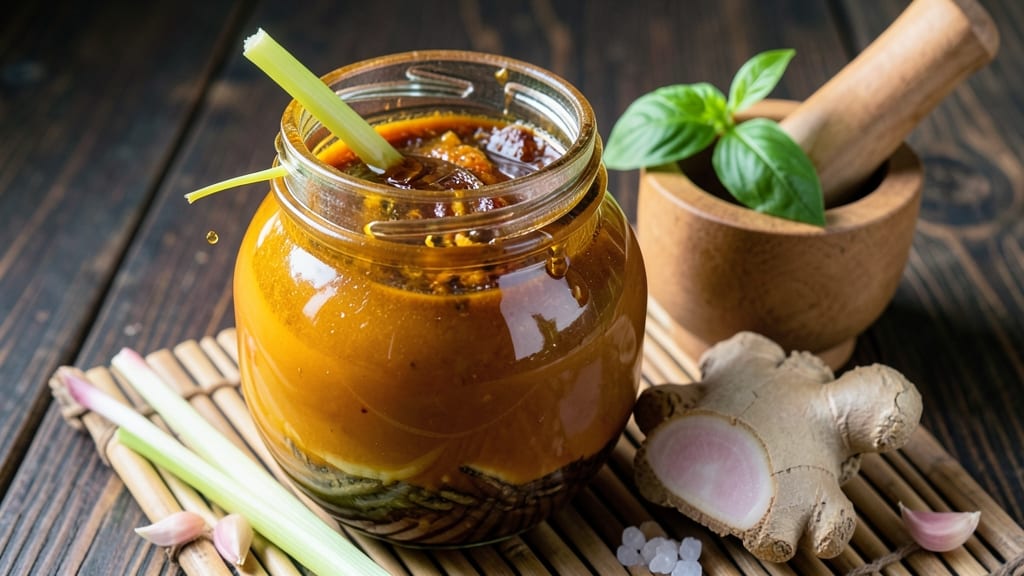
This authentic Vietnamese fish sauce recipe unlocks the deep, salty-sweet umami that defines Southeast Asian cuisine. Fermented from anchovies and salt, this liquid gold transforms simple dishes into restaurant-quality meals.
The process requires patience—anchovies ferment for weeks—but the reward is a sauce so complex it elevates everything from noodle soups to grilled meats.
The foundation is simple: high-quality anchovies, pure salt, and filtered water, but the magic happens during fermentation. I’ve refined this method over years, ensuring the right balance of salt and time to develop that signature bold, briny, slightly sweet profile. No shortcuts here—tradition matters, and every step preserves authenticity.
By the end, you’ll have a rich, aromatic sauce with layers of savory depth that cut through heat and fat. Store it properly, and it keeps for years, becoming more complex with age. This isn’t just a condiment—it’s the backbone of Vietnamese cooking, and now you’re making it at home.
Ready to dive in? The process is straightforward, but the wait is worth every drop. Let’s get started with the exact techniques used in Vietnamese households for generations.
Ingredients for authentic vietnamese fish sauce
High-quality anchovies, pure salt, and precise fermentation create this authentic umami essence.
| Ingredient | Amount | Notes |
|---|---|---|
| Anchovy Fillets 🐟 | 2 lbs | High-quality, salt-packed preferred |
| Pure Sea Salt 🧂 | 1 ½ cups | Non-iodized, fine grain preferred |
| Filtered Water 💧 | 4 cups | Room temperature preferred |
| Fresh Ginger 🧄 | ¼ cup | Finely grated, organic preferred |
| Garlic Cloves 🧄 | 6 cloves | Minced, peeled |
| Brown Sugar 🍚 | ½ cup | Light, for subtle sweetness |
| White Vinegar 🍶 | ¼ cup | Distilled, 5% acidity |
| Sugar Cane Vinegar 🍶 | ¼ cup | Authentic Vietnamese flavor |
The anchovies are the heart of this sauce—look for salt-packed fillets at specialty Asian markets or well-stocked grocery stores like Whole Foods. The salt should be non-iodized, fine grain, such as Maldon or Diamond Crystal, to ensure proper fermentation. Fresh ginger and garlic add depth, but their quality matters less than the anchovies and salt. For the vinegars, sugar cane vinegar is essential for authenticity—Thai Kitchen or Vietnamese markets carry it, or use coconut vinegar as a substitute. The brown sugar should be light to avoid overpowering the delicate balance of flavors.
No sugar cane vinegar? Coconut vinegar or apple cider vinegar work in a pinch, though the flavor will differ slightly. Substituting white vinegar for both vinegars reduces authenticity but maintains functionality. For the ginger, pasteurized ginger juice can replace fresh, though texture and flavor will change. If anchovies are unavailable, high-quality shrimp paste can be used, though the profile will shift toward a more briny, less sweet sauce. Always measure the salt precisely—too much halts fermentation, while too little risks spoilage. The water must be filtered to prevent contamination during the lengthy fermentation process.
Fermented fish sauce develops over time—minimum 4 weeks, with optimal flavor at 6-12 months. Store in a sterilized glass jar with an airtight lid, submerged in the jar to prevent mold. Keep in a cool, dark place like a pantry or cellar. Once opened, the sauce will continue to mature, deepening in complexity. Portion into smaller containers for easy use—this sauce is versatile, elevating everything from pho broths to grilled meats. Properly stored, it can last years, becoming richer with age.
Why You'll Love This Recipe
- No-Fuss Fermentation: I swear by this recipe because it’s basically set-it-and-forget-it. Just toss the anchovies, salt, and water in a jar, then let the ginger and garlic work their magic over a few weeks—no stirring, no fuss, no stress. Honestly, the hardest part is remembering to check on it.
- Umami Bomb: That first taste? Chef’s kiss. The anchovies and salt create this deep, salty-sweet punch, while the garlic and ginger add layers of warmth that make every dish sing. I’ll be real: I’ve ruined perfectly good meals by adding too much store-bought fish sauce—this version is so balanced, I trust it.
- Pantry Staple Power: This sauce isn’t just for pho or banh mi. Drizzle it on noodles, toss it in marinades, or even use it to brighten up a simple stir-fry. Between us, I keep a jar in the fridge at all times—it’s my go-to for when I need that instant flavor boost without extra effort.
- Budget Magic: A single batch costs pennies compared to buying imported fish sauce, and it lasts forever if you store it right. I made a huge batch last summer and still have half left—no waste, just flavor. Plus, anchovies are cheap, so you’re basically getting gourmet sauce for next to nothing.
Step-by-step instructions for authentic Vietnamese fish sauce
This traditional fermentation process delivers the complex umami depth of authentic Vietnamese fish sauce.
Prepare the Anchovy Base
Rinse the 2 lbs anchovy fillets under cold water to remove excess salt, then pat completely dry with paper towels. Place them in a clean glass jar or food-grade plastic container with a tight-sealing lid. The anchovies should form a single layer at the bottom—this prevents uneven fermentation and ensures maximum flavor extraction.
Add the 1.5 cups pure sea salt, distributing it evenly over the anchovies. The salt acts as both a preservative and a catalyst for fermentation. Seal the container and let it sit at room temperature for 24 hours. This initial salting draws out moisture from the anchovies, creating the ideal environment for fermentation to begin.
Add Aromatics and Sweetener
After the 24-hour salting period, transfer the anchovy mixture to a food processor and pulse until you achieve a coarse paste. Return this paste to your container and add the 0.25 cup finely grated fresh ginger and 6 minced garlic cloves. These aromatics will infuse the sauce with their signature warmth and complexity during fermentation.
Stir in the 0.5 cup brown sugar, which balances the saltiness and adds subtle caramel notes to the final product. The sugar also helps preserve the mixture by reducing water activity. Mix thoroughly to ensure even distribution of all ingredients before proceeding to the next step.
Combine Liquids and Ferment
In a separate bowl, whisk together the 4 cups filtered water, 0.25 cup white vinegar, and 0.25 cup sugar cane vinegar until completely dissolved. The vinegars provide acidity that helps control fermentation while adding authentic Vietnamese flavor. Pour this liquid mixture over the anchovy paste in your container.
Seal the container tightly and store it in a dark, cool place (around 68-72°F) for 7 days. This temperature range promotes controlled fermentation without risking spoilage. You'll notice bubbles forming and a gradual development of aroma—this is the fermentation process creating the sauce's signature umami depth.
Strain and Age
After 7 days, strain the mixture through a fine-mesh sieve or cheesecloth into a clean container, pressing gently to extract all the liquid. The strained liquid is your raw fish sauce, but it needs additional aging to develop full flavor. Return this liquid to a clean glass jar and store it in the refrigerator for at least 30 days.
During this aging period, the flavors will continue to meld and deepen. The sauce should develop a rich, complex aroma with notes of anchovy, ginger, and vinegar. For best results, age the sauce for 2-3 months before using it in recipes. The longer it ages, the more nuanced and sophisticated the flavor becomes.
Final Adjustment and Storage
After aging, taste the sauce and adjust the seasoning if needed. You may want to add a pinch more salt or a splash of vinegar to achieve the perfect balance. The authentic Vietnamese fish sauce should be salty, umami-rich, and slightly sweet with aromatic notes.
Transfer the finished sauce to sterilized glass bottles with airtight lids. Store in a cool, dark place where it will keep for up to 1 year. The sauce will continue to develop flavor over time, so it's best used within 6 months for peak freshness. This homemade version delivers the authentic depth and complexity of traditional Vietnamese fish sauce.
Pro Tips For Making Authentic Vietnamese Fish Sauce
- Simmer Slow and Low: I learned this the hard way—boiling the anchovies will turn your sauce bitter. Keep the heat at a gentle simmer (tiny bubbles, not rolling) for at least 8-10 hours. If it boils even once, you’re starting over.
- Salt in Stages: Dump all the salt at once, and you’ll end up with a brine bomb. Add half the salt first, let it dissolve completely, then add the rest. This keeps the flavor balanced and prevents a harsh, salty punch.
- Ginger-Garlic Paste Matters: Skip the minced version—blend fresh ginger and garlic into a smooth paste before adding it. This ensures even distribution and prevents clumps that can make your sauce taste uneven. No blender? Grate the ginger fine and mash the garlic with a pinch of salt.
- Strain Twice, Wait Once: After simmering, strain through a fine-mesh sieve, then a cheesecloth for ultra-clear sauce. Let it sit uncovered in the fridge for 24 hours before bottling—this lets any remaining sediment settle, so your final product stays crystal-clear. (Yes, it’s worth the wait.)
Pro cooking tips for great authentic vietnamese fish sauce
Salt-to-Anchovy Ratio
The salt-to-anchovy ratio is critical—too much halts fermentation, while too little risks spoilage. For this recipe, use 1.5 cups salt per 2 lbs anchovies (about 1:1 by weight). I measure salt by volume for convenience, but weigh it if possible for precision.
The salt draws out moisture, creating the right environment for fermentation. Don’t skip this step—it’s what transforms raw anchovies into that signature umami bomb. 🧂
Temperature Control
Fermentation thrives between 68-72°F—too hot speeds up spoilage, while too cold slows flavor development. Store your jar in a pantry or cellar, not the fridge during the initial 7-day fermentation. Use a digital thermometer to monitor if your kitchen fluctuates.
If your home is warmer, place the jar in a cooler spot like a basement or garage. Consistency is key here—think of it like Goldilocks: just right, not too hot, not too cold. ⚡
Straining Technique
After 7 days, straining properly extracts every drop of flavor. Use a fine-mesh sieve or cheesecloth—I prefer cheesecloth because it captures more liquid. Press gently but firmly with a wooden spoon to squeeze out all the essence.
Discard the anchovy solids—they’ve done their job! For extra yield, let the strained liquid sit for 5 minutes before transferring to the aging jar. This ensures you don’t miss any of that precious umami-rich liquid. 💧
Aging Patience Pays
Rushing the aging process means missing out on depth. While 30 days gives usable sauce, 2-3 months delivers restaurant-quality complexity. Store the jar in the fridge during aging—cold temperatures slow fermentation, allowing flavors to meld gradually.
Taste monthly: the sauce should evolve from sharp and salty to smooth, briny, and sweetly aromatic. Trust the process; this isn’t instant gratification—it’s a labor of love. ✨
Glass Over Plastic
Always use sterilized glass jars for fermentation and storage. Plastic can react with the vinegar or absorb flavors over time, ruining your sauce. Clean jars with boiling water and a vinegar rinse to kill bacteria.
I reuse mason jars from my pantry—they’re sturdy and airtight. Avoid metal lids, as they can corrode from the acidic environment. Glass is your best friend here—it’s non-reactive and lets you monitor progress. 🔥
Flavor Balancing
After aging, taste and adjust the balance. If it’s too salty, add 1-2 tbsp water per ½ cup sauce. Need more depth? A splash of sugar cane vinegar or a pinch of brown sugar enhances sweetness.
I keep a small jar of my sauce on hand to test adjustments—this ensures every batch hits that perfect salty-sweet-umami trifecta. Don’t be afraid to tweak; fermentation can be unpredictable, and your palate is the final judge. 💡
Nutrition facts
Frequently asked questions
Can I use frozen anchovies instead of fresh?
Fresh or salt-packed anchovies work best for authentic flavor, but you can use frozen if necessary. Thaw them completely first, then rinse thoroughly to remove excess salt. The texture may differ slightly, but the umami profile remains strong. Avoid using canned anchovies—they're too processed and lack the depth needed for proper fermentation.
How do I know when fermentation is complete?
Fermentation is done when you see bubbles and smell a strong, pungent aroma after 7 days. The liquid should be cloudy and have a sharp, salty smell—this indicates active fermentation. For best results, strain immediately and begin aging in the refrigerator. Over-fermenting can make the sauce too acidic, so don't exceed 10 days at room temperature.
What if my sauce develops mold during fermentation?
Discard the entire batch immediately if you see mold—it means contamination. To prevent this, always use sterilized glass jars and work in a clean environment. Store your jar in a dark, cool place (not the fridge during initial fermentation) and keep it sealed tightly. If mold appears during aging in the fridge, simply toss it and start fresh with proper hygiene.
Can I make this sauce without sugar cane vinegar?
Yes, but the flavor won't be as authentic. Substitute with coconut vinegar or apple cider vinegar in equal amounts. These provide similar acidity, though they lack the caramel notes of sugar cane vinegar. For best results, try to find sugar cane vinegar at Asian markets—it's worth the search for that true Vietnamese taste.
How long does homemade fish sauce last?
Properly stored in sterilized glass jars, your sauce will keep for 1-2 years in a cool, dark pantry. The flavor actually improves with age! Once opened, refrigerate and use within 6 months for peak freshness. The longer it ages, the more complex and mellow the flavor becomes—think of it like fine wine or aged cheese.