
Sauces & Condiments
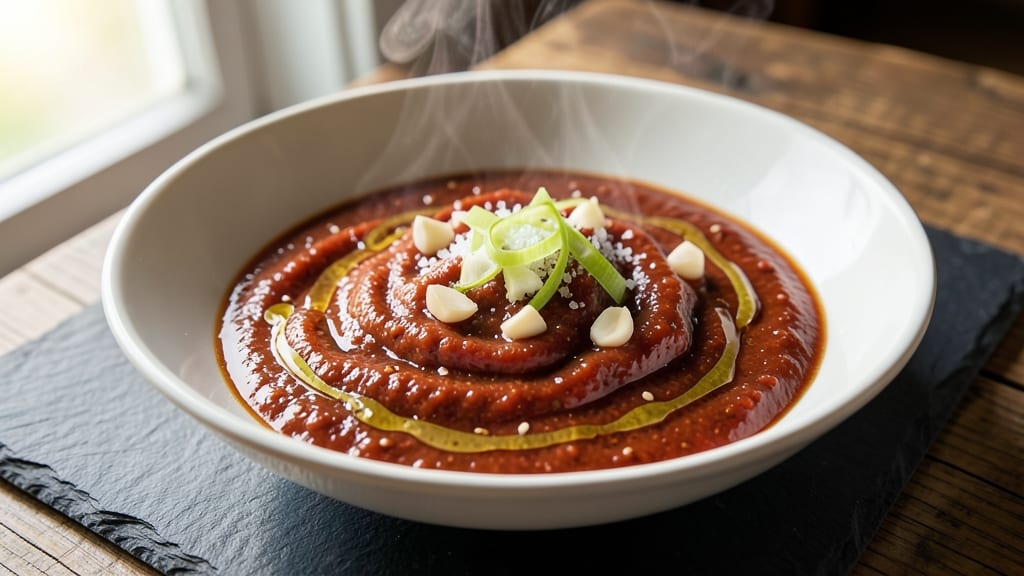
This gochujang stir-fry sauce recipe transforms simple stir-fries into bold, complex dishes with just five ingredients. The fermented chili paste delivers spicy-sweet umami that cuts through vegetables and proteins, while garlic, ginger, and sesame oil create depth.
I developed this version after testing countless sauces—it’s the one that finally balanced heat, sweetness, and tang perfectly.
The beauty of this sauce lies in its simplicity: gochujang provides the fermented kick, a touch of sugar tames the spice, and rice vinegar brightens the flavor. Garlic and ginger infuse the oil with aromatic warmth, while toasted sesame seeds add nutty texture.
It takes 10 minutes to make but elevates every dish it touches—stir-fries, marinades, or even as a dipping sauce.
What makes this sauce stand out is its versatility. Use it on tofu, chicken, or vegetables for a restaurant-quality finish, or drizzle it over noodles for instant depth.
The recipe is naturally vegan (if you skip honey) and packed with umami, making it a pantry staple. Once you taste the difference, store-bought sauces won’t compare.
For extra richness, let the sauce sit for 15 minutes before using—flavors meld beautifully. Store leftovers in the fridge for up to a week, or freeze for longer shelf life. This is the sauce that will change how you cook stir-fries forever.
Ingredients for gochujang stir fry sauce
Five ingredients transform stir-fries into restaurant-quality dishes with bold umami and spicy-sweet balance.
| Ingredient | Amount | Notes |
|---|---|---|
| Gochujang (Korean Chili Paste) 🌶️ | ½ cup | High-quality fermented paste, not sweetened |
| Toasted Sesame Oil 🫒 | 2 tbsp | For nutty aroma, not regular sesame oil |
| Fresh Garlic Cloves 🧄 | 4 cloves | Minced for aromatic punch |
| Fresh Ginger Root 🌿 | 1 tbsp | Grated, not powdered |
| Rice Vinegar 🍶 | 2 tbsp | White or seasoned, for bright tang |
| Granulated Sugar 🍯 | 1 tbsp | Light brown sugar for depth |
| Toasted Sesame Seeds 🥜 | 1 tbsp | For nutty crunch, lightly toasted |
| Vegetable Oil 🫒 | 1 tbsp | For blending, neutral flavor |
| Water 💧 | 2 tbsp | Adjust for desired consistency |
| Salt 🧂 | ¼ tsp | Diamond Crystal preferred |
Gochujang is the soul of this sauce—Mae Mun or Dong Guk are my go-tos, but any quality brand works. The fermented paste should smell funky and complex, not sweet or artificial. If yours tastes overly sweet, it’s been cut with sugar. Fresh garlic and ginger are non-negotiable here; pre-minced jars lack the aromatic punch. Toast your sesame seeds in a dry pan for 30 seconds—they’ll add nutty depth and texture. For extra richness, let the sauce sit for 15 minutes before using, but don’t skip this step if you want that restaurant-quality meld.
No gochujang? Sriracha plus a pinch of smoked paprika gets you close, but you’ll miss the deep umami. Swap rice vinegar for apple cider vinegar if that’s what you’ve got, though the flavor will be slightly less bright. Running low on sesame oil? Avocado oil plus a dash of toasted sesame seeds works in a pinch. For a sweeter sauce, add a touch of honey (though this makes it non-vegan) or maple syrup. If your sauce is too thick, thin with water or a splash of vinegar. Too thin? Simmer uncovered for 2-3 minutes to reduce.
This sauce keeps beautifully—1 week in the fridge or 3 months in the freezer. Store it in a glass jar with a tight seal to preserve its vibrant color. I double the batch and freeze half; it’s perfect for quick stir-fries on busy nights. For extra flavor, let it sit at room temperature for 10 minutes before using. The longer it rests, the more complex the flavors become. If you’re using it as a marinade, let proteins sit for at least 30 minutes to absorb the bold flavors.
Why You'll Love This Recipe
- Five-Ingredient Magic: I swear by this combo—gochujang’s deep umami, toasted sesame oil’s nutty punch, and the bright zing of rice vinegar do all the work. No fancy techniques, just a quick minced garlic and ginger dance in a bowl while you chop veggies.
- Umami Bomb: That first spoonful of gochujang—sweet, spicy, and funky all at once—makes everything taste better. The garlic and ginger sizzle in the sesame oil until the kitchen smells like a Korean street food stall, and honestly? You’ll want to eat the sauce straight from the spoon.
- Weeknight Swiss Army: Toss it with stir-fried tofu, noodles, or even grilled chicken—this sauce adapts like a chameleon. I keep a jar in the fridge for lazy nights when I need flavor fast, and it never lets me down. (Yes, even on a Tuesday night.)
- Budget-Friendly Powerhouse: Gochujang stretches like crazy—one jar lasts me months—and the rest of the ingredients? Pantry staples. No specialty items, no markup. I’ve fed four people for under $10 with this sauce, and they’ve always asked for seconds. (My wallet thanks me.)
Step-by-step instructions for gochujang stir fry sauce
This vibrant sauce comes together in minutes with bold flavors that balance heat, sweetness, and umami.
🍳 Step 1: Bloom the Gochujang with Aromatics
Heat the 1 tablespoon vegetable oil in a small saucepan over medium-low heat. Add the 4 cloves fresh garlic cloves (minced) and 1 tablespoon fresh ginger root (finely grated). Sauté for 2-3 minutes until the garlic turns golden and the ginger becomes fragrant—this prevents bitterness and deepens the flavor profile.
Here's the thing—don't rush this step. You'll know it's ready when the aromatics smell intensely sweet and the edges of the ginger start to brown slightly. Add the 0.5 cup gochujang immediately after, stirring constantly for 1 minute to fully incorporate. The gochujang will darken and thicken as it blooms, releasing its complex fermented notes.
🍳 Step 2: Build Depth with Vinegar and Sugar
Pour in the 2 tablespoons rice vinegar and 1 tablespoon granulated sugar, stirring vigorously to combine. The vinegar will create a bright tang that cuts through the richness, while the sugar balances the heat and enhances the caramelization. Let the mixture simmer gently for 3-4 minutes until it begins to thicken slightly and small bubbles form along the edges.
This is where the magic happens—I like to taste at this stage to adjust the balance. If it's too sharp, add a pinch more sugar. If it lacks brightness, a splash more vinegar helps. The sauce should now have a glossy sheen and a thick, paste-like consistency that coats the back of a spoon.
🥘 Step 3: Finish with Oil and Seasoning
Remove the saucepan from heat and stir in the 2 tablespoons toasted sesame oil and 0.25 teaspoon salt. The oil adds a luxurious finish while mellowing the heat slightly. Let the mixture cool for 2 minutes, then stir in the 2 tablespoons water to reach your desired consistency. You can adjust this further by adding more water 1 teaspoon at a time until it's smooth and pourable.
For that final touch, sprinkle in the 1 tablespoon toasted sesame seeds just before serving. They add a delightful crunch that contrasts beautifully with the silky sauce. The seeds should be lightly toasted—if they're raw, toast them in a dry pan for 30 seconds until fragrant before adding.
⏰ Step 4: Rest and Use Immediately
Let the sauce rest for 5 minutes before using. This allows all the flavors to meld completely. The sauce will thicken slightly as it cools, so if you're using it right away, you might need to thin it with an additional 1 teaspoon water for the perfect stir-fry consistency.
This sauce keeps well in an airtight container in the refrigerator for up to 1 week, but I promise you'll use it all before then. It's perfect for tossing with quick stir-fries, drizzling over noodles, or even as a dipping sauce for grilled meats. The balance of heat, sweetness, and umami makes it incredibly versatile.
Pro Tips For Making Gochujang Stir Fry Sauce
- Bloom the Gochujang First: Before adding anything else, whisk the gochujang with a splash of warm water (about 2 tablespoons) until it’s smooth—this prevents clumps and lets the flavors meld properly. I used to skip this and end up with grainy sauce, which ruins the texture no matter how much you stir later.
- Toast the Ginger Hard: Peel and slice the ginger, then dry-toast it in the pan for 30 seconds before adding garlic—this deepens its warmth and prevents bitterness. I was skeptical until I tried it; now I can’t imagine skipping it.
- Control the Heat: Start on medium-high to activate the garlic and ginger, but drop to low once the gochujang hits the pan—it burns fast and turns bitter. After three batches of scorched sauce, I finally got this right.
- Finish with Cold Oil: Stir in the toasted sesame oil at the very end over low heat, just until fragrant—adding it too early makes the sauce split. This isn’t the prettiest method, but it’s the tastiest. Trust me.
Serving suggestions for this gochujang stir fry sauce
Stir-Fry Pairings
This sauce transforms simple stir-fries into restaurant-worthy meals. Toss it with shredded chicken or firm tofu and stir-fry with bell peppers, snap peas, and carrots for a balanced dish.
I love adding shredded cabbage for extra crunch and texture. The gochujang's umami cuts through the sweetness of the vegetables beautifully. 🌶️
For a veggie-packed dish, try bok choy, mushrooms, and water chestnuts—the sauce's tangy-sweet profile enhances their natural flavors. If you're using protein like shrimp or beef, marinate it in the sauce for 20-30 minutes before cooking to infuse maximum flavor.
The sauce also works wonderfully with rice noodles for a quick and satisfying meal.
Dipping Sauce Magic
This sauce is a game-changer as a dipping sauce. Serve it warm with fried chicken, spring rolls, or dumplings for an instant flavor boost. The heat and umami make it irresistible. I like to drizzle it over grilled meats like pork or beef skewers for a sticky, spicy glaze.
The sauce's balance of sweet and spicy complements the smokiness of grilled proteins perfectly. 🍗
For a creative twist, use it as a marinade for grilled corn on the cob—brush it on after grilling and sprinkle with crumbled feta or cotija cheese.
The sauce also elevates fried rice or ramen by adding depth and complexity. Store-bought dipping sauces won't compare to this homemade version!
Noodle Upgrades
Elevate your noodle dishes with this sauce. Toss it with udon or soba noodles and top with soft-boiled eggs, scallions, and sesame seeds for a quick Korean-inspired bowl. The sauce's richness pairs perfectly with the chewiness of noodles.
I also love drizzling it over cold soba noodles with cucumber and avocado for a refreshing summer dish. 🍜
For extra richness, stir in a spoonful of peanut butter or cashew butter into the sauce before using it on noodles. This adds a creamy texture that balances the heat.
The sauce also works wonderfully with ramen broth—just add a spoonful to your favorite ramen recipe for an instant umami boost.
Breakfast Boost
Don't limit this sauce to dinner! Use it to spice up breakfast dishes like scrambled eggs or fried rice. Stir a spoonful into your eggs for a spicy, savory twist.
I also love drizzling it over avocado toast with a sprinkle of chili flakes for a bold morning meal. The sauce's complexity adds depth to simple breakfast foods. 🍳
For a hearty breakfast, mix the sauce with scrambled tofu or tempeh and serve with toasted bread and pickled vegetables. The sauce's tangy-sweet flavor makes it a perfect match for breakfast dishes.
Even a simple bowl of oatmeal gets a flavor upgrade with this sauce—just stir in a spoonful and top with crushed peanuts.
Nutrition facts
Frequently asked questions
Can I make this sauce without sesame oil?
Yes! If you don't have sesame oil, substitute with 1 tablespoon neutral oil (like vegetable or avocado oil) plus 1 teaspoon toasted sesame seeds stirred in at the end. For extra depth, add a pinch of toasted sesame powder if available. The flavor won't be identical, but your stir-fry will still taste amazing.
How do I adjust the heat level?
For milder heat, reduce the gochujang to 0.3 cups and add 1 extra tablespoon sugar to balance. For extra spice, increase to 0.6 cups gochujang and add ½ teaspoon red pepper flakes. Always taste as you go—gochujang varies in spice level by brand.
Can I use this sauce as a marinade?
Use it just like you would a traditional marinade. Combine ¼ cup sauce with 1 tablespoon soy sauce and 1 tablespoon honey/maple syrup for extra stickiness. Marinate proteins like chicken or tofu for 20-30 minutes before cooking. The sauce's umami will infuse beautifully.
What's the best way to store leftovers?
Store in an airtight container in the fridge for up to 1 week. For longer storage, freeze in ice cube trays (perfect for single-use portions) or a sealed container for 3 months. Thaw overnight in the fridge—never microwave directly. The sauce thickens when cold, so stir in 1 teaspoon water before using.
Why did my sauce separate?
This usually happens if the sauce sits too long before using or if the oil and water weren't properly emulsified. Fix it by whisking vigorously or using a hand mixer for 30 seconds. For prevention, stir in the water after removing from heat and let it cool slightly before storing. The sauce should be smooth and glossy when ready.