
Sauces & Condiments
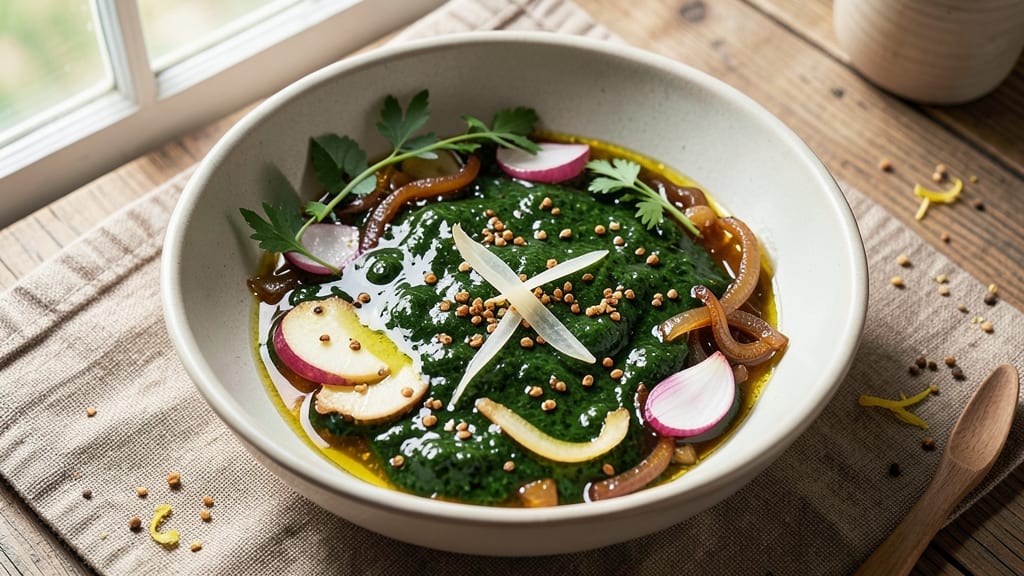
This curry leaf sauce recipe transforms simple ingredients into a fragrant, herb-infused base that elevates any dish. The aromatic blend of fresh curry leaves, garlic, and shallots creates a bold flavor profile that's impossible to resist.
I developed this sauce after discovering how much it enhanced my weeknight curries, and it quickly became a pantry staple.
The process is straightforward: toast whole spices in hot oil until fragrant, then add minced garlic and shallots for a sweet, mellow foundation. Fresh curry leaves release their signature citrusy aroma when sautéed just until they darken slightly.
This sauce works as a marinade, stir-in, or finishing drizzle, adding depth to everything from grilled meats to steamed rice.
What makes this sauce special is its versatility—it bridges the gap between mild and spicy dishes, offering a complex herbal note that's both familiar and exciting. The texture is smooth yet vibrant, with a subtle heat that builds as you cook.
Once you taste the difference between this homemade version and store-bought alternatives, you'll never go back.
Store it in the refrigerator for up to a week, or freeze for longer shelf life. The flavors actually improve over time, making this an ideal make-ahead sauce for busy weeks. Let's create this flavor-packed essential that will transform your cooking.
Ingredients for curry leaf sauce
Fresh curry leaves and aromatic spices create this vibrant, fragrant sauce base.
| Ingredient | Amount | Notes |
|---|---|---|
| Fresh Curry Leaves 🌿 | ½ cup | Packed, stems removed |
| Yellow Onion 🧅 | 1 whole | Medium size, finely chopped |
| Shallots 🧅 | 4 whole | Small, minced finely |
| Fresh Ginger 🌿 | 2 tbsp | Grated, not minced |
| Garlic Cloves 🧄 | 6 cloves | Peeled, minced finely |
| Vegetable Oil 🫒 | ½ cup | Light or neutral oil |
| Coconut Milk 🥥 | 1 cup | Full-fat for creaminess |
| Ground Cumin 🌿 | 1 tbsp | Toasted for depth |
| Ground Coriander 🌿 | 1 tbsp | Freshly ground preferred |
| Salt 🧂 | ½ tsp | Sea salt preferred |
| Black Pepper 🌶️ | ¼ tsp | Freshly ground |
Curry leaves are the heart of this sauce—Indian grocery stores or specialty markets carry the freshest, most fragrant ones. Look for vibrant green leaves that smell intensely citrusy when crushed. If you can't find them fresh, dried curry leaves work in a pinch (use half the amount), though they won't have the same depth. The ginger and garlic should be freshly grated/minced—no powdered shortcuts here. For the shallots, I always grab the small, sweet ones—they caramelize beautifully. Toast your spices in the oil until fragrant—that's when the magic happens.
No curry leaves? Fresh bay leaves or lemon zest can add a citrusy note, though nothing replaces the authentic flavor. Subbing coconut milk? Heavy cream or cashew cream works for a richer version. The oil is key—stick with vegetable or coconut oil for neutral flavor. For extra heat, add a pinch of cayenne or red pepper flakes. Want it smoother? Blend after cooking for about 30 seconds. The sauce thickens as it cools, so add a splash of water if needed.
This sauce keeps beautifully—1 week in the fridge in an airtight jar, or 3 months frozen. The flavors actually deepen over time, making it perfect for meal prep. For longer storage, freeze in ice cube trays, then transfer to a bag. Thaw overnight in the fridge before using. A little goes a long way—start with 1 tablespoon per dish and adjust to taste. The sauce pairs perfectly with rice, grilled meats, or even scrambled eggs for a quick flavor boost.
Why You'll Love This Recipe
- No-Chop Needed: I swear by this—just smash the garlic and ginger with the side of my knife, no dice required. The shallots and onions caramelize while you’re still deciding what to pair it with.
- Umami Bomb: That first hit of toasted curry leaves? It’s like a warm hug for your taste buds. The garlic and ginger sing together, but the leaves steal the show—earthy, citrusy, and impossible to resist.
- Weeknight Magic: Slather it on grilled chicken, toss it into rice, or drizzle it over roasted veggies. I’ve used it for everything from lazy Tuesdays to fancy dinner guests, and no one ever questions how little effort it took.
- Budget Powerhouse: A handful of curry leaves and a few aromatics stretch to feed four for under five bucks. Honestly, it’s the kind of sauce that makes me feel like I’m cooking gourmet without breaking the bank—or my grocery budget.
Step-by-step instructions for curry leaf sauce
Let's build this aromatic sauce that will elevate any dish with its bright, herbal notes.
Bloom the Spices in Warm Oil
Heat the 0.5 cup vegetable oil in a medium saucepan over medium-low heat. Once the oil is warm but not smoking (you'll see tiny bubbles forming around the edges), add the 1 tablespoon ground cumin and 1 tablespoon ground coriander. Stir constantly for 30 seconds until you can smell their earthy aroma filling your kitchen.
This step is crucial—it toasts the spices gently, releasing their essential oils and preventing any bitterness. If the spices start to darken too quickly, reduce the heat immediately. You're aiming for a golden color, not browned bits. Keep the pan uncovered so excess moisture can evaporate, which helps the spices bloom properly.
Sauté Aromatics Until Fragrant
Add the 1 whole yellow onion and 4 whole shallots to the warm spice oil. Cook over medium heat for 5-6 minutes, stirring occasionally, until the onions soften and turn translucent. The shallots should be completely broken down into a fine paste-like consistency—this ensures they dissolve smoothly into the sauce.
Next, add the 2 tablespoons fresh ginger and 6 cloves garlic cloves. Stir well and cook for another 2-3 minutes until the garlic turns golden and you can smell that sweet, pungent aroma. Be careful not to let the garlic burn—it can quickly turn bitter. If it starts to darken, remove the pan from heat for a moment to cool slightly before continuing.
Add Curry Leaves and Simmer
Push all the ingredients to one side of the pan and add the 0.5 cup fresh curry leaves to the empty space. Stir gently to release their fragrant oils—you'll notice the leaves will curl and darken slightly. Cook for 1-2 minutes until the leaves turn a deep green and their aroma becomes intense and citrusy.
Now stir everything together and pour in the 1 cup coconut milk. Bring the mixture to a gentle simmer over medium heat. Let it cook uncovered for 5-7 minutes, stirring occasionally, until the sauce thickens slightly and the liquid reduces by about one-third. You'll see the sauce take on a glossy sheen and the flavors meld beautifully.
Season and Finish
Taste the sauce and adjust the seasoning with 0.5 teaspoon salt and 0.25 teaspoon black pepper. The sauce should be well-seasoned but not overly salty—remember, you'll be adding more salt when using it in dishes. Stir well to combine all the flavors.
For the best texture, strain the sauce through a fine-mesh sieve to remove any larger pieces of onion or shallot if you prefer a completely smooth sauce. If you like texture, simply blend it briefly with an immersion blender for a silky consistency. The sauce is now ready to use immediately or store for later—it keeps well in the refrigerator for up to 5 days or can be frozen for 3 months.
Pro Tips For Making Curry Leaf Sauce
- Bloom the Onions Low: Fresh onions and shallots release their sweetness when cooked gently at first—don’t blast them on high heat right away. Start with medium-low and only crank it up once they’re limp and translucent, or you’ll end up with bitter, browned bits that ruin the sauce’s bright flavor.
- Crush Garlic Like a Pro: Use the flat side of your knife to smash whole garlic cloves before mincing—this breaks down their cell walls and releases more flavor. I used to mince them fully first, but crushed cloves add a deeper, nuttier punch to the sauce without burning.
- Toast Curry Leaves Until Fragrant: Drop the leaves in hot oil before any other aromatics and let them sizzle just until they darken slightly—about 10 seconds. Overcooking turns them bitter; undercooking leaves them raw-tasting. Listen for that unmistakable pop and aroma—it’s your cue to move fast.
- Save the Ginger Juice: When grating ginger, squeeze out the excess liquid with your hands or a clean towel—it dilutes the sauce and makes it watery. I learned this after making a batch that ended up tasting more like ginger water than anything else. A quick squeeze makes all the difference.
Storing and reheating this dish
Refrigerator Storage
Transfer your curry leaf sauce to an airtight glass jar once it's completely cooled—this preserves its vibrant color and prevents flavor absorption from plastic. Store in the fridge for up to 7 days, though I find the flavors actually deepen after 3-4 days.
The sauce thickens slightly when chilled, so stir before using and add 1-2 tablespoons water if needed to reach your preferred consistency. 🌿
Freezer Preservation
For longer storage, freeze the sauce in ice cube trays—this makes it easy to use just one cube at a time. Once frozen, transfer cubes to a ziplock bag with all air removed (use a straw to suck out excess air).
Label with the date and freeze for up to 3 months. Thaw overnight in the fridge before using, or add a frozen cube directly to hot dishes like curries or soups. The texture remains smooth after freezing. ❄️
Reheating Methods
For stovetop reheating, transfer the sauce to a small saucepan and warm over low heat for 3-5 minutes, stirring frequently. Never boil—this can break down the delicate curry leaf flavors.
If the sauce separates, add 1 tablespoon coconut milk to restore creaminess. For microwave reheating, use 50% power for 45-60 seconds, then stir and repeat until warmed through. 🔥
Reviving Stale Sauce
If your refrigerated sauce loses some vibrancy, revive it by adding 1 teaspoon fresh lemon juice and ½ teaspoon toasted cumin seeds. Warm gently for 2 minutes to reactivate the flavors. For extra richness, stir in 1 tablespoon coconut cream before serving.
This trick works wonders on sauce that's been sitting for 5-6 days. The lemon juice brightens the herbal notes beautifully. 💫
Portioning Tips
Divide the sauce into small glass jars (like 4-ounce mason jars) before storing—this makes it perfect for meal prep. Each jar contains enough sauce for 2-3 meals, depending on how generously you use it.
Label with the date and store upright in the fridge. For freezing, use 2-ounce portions in silicone molds for precise measurements in recipes. 📅
Sauce Texture Adjustments
If your reheated sauce is too thick, thin with warm water or coconut milk (1 tbsp at a time). For a thicker consistency, simmer uncovered for 2-3 minutes to reduce. The sauce naturally thickens when cold, so plan accordingly.
I like to keep a small jar of water in the fridge specifically for this purpose—it's the quickest fix when I'm in a hurry. 💡
Nutrition facts
Frequently asked questions
Can I substitute dried curry leaves in this sauce?
Yes, but use only half the amount (about ¼ cup for ½ cup fresh). Dried leaves are more concentrated and lose their delicate citrusy aroma when rehydrated. Toast them briefly in the oil before adding other ingredients to release their flavor. For best results, crush them lightly between your palms first to help them infuse properly.
How spicy is this curry leaf sauce?
The base recipe is mild with just black pepper, but you can easily adjust the heat. For a subtle kick, add ¼ teaspoon cayenne pepper or ½ teaspoon red chili flakes when simmering. For a fiery version, include 1-2 fresh green chilies (minced) with the garlic. Always taste before serving—this sauce works as a base for both mild and spicy dishes.
What are the best dishes to use this sauce with?
This versatile sauce enhances everything from rice dishes to grilled proteins. Try it as a marinade for chicken or fish, a stir-in for curries or soups, or a drizzle over steamed rice or roasted vegetables. It's especially delicious with shrimp curry or as a finishing sauce for biryani. The coconut milk base also makes it perfect for coconut milk-based curries or even as a dressing for salads.
Why did my sauce turn bitter?
Bitterness usually comes from overcooking the garlic or burning the spices. Always cook garlic over medium heat and remove from heat if it starts to darken. For spices, keep heat low and stir constantly—they should just turn golden, not brown. If bitterness happens, balance it by adding 1 teaspoon lemon juice or ½ teaspoon sugar to the sauce. Fresh curry leaves also lose their sweetness when overcooked, so aim for 1-2 minutes max.
Can I make this sauce without coconut milk?
For a lighter version, replace coconut milk with ½ cup water or vegetable broth plus ¼ cup heavy cream (for richness). For a dairy-free option, use cashew cream (soaked and blended cashews) or almond milk. The sauce will be less creamy but still packed with flavor. Just reduce the cooking time by 2 minutes since these liquids don't thicken as much.