
Sauces & Condiments
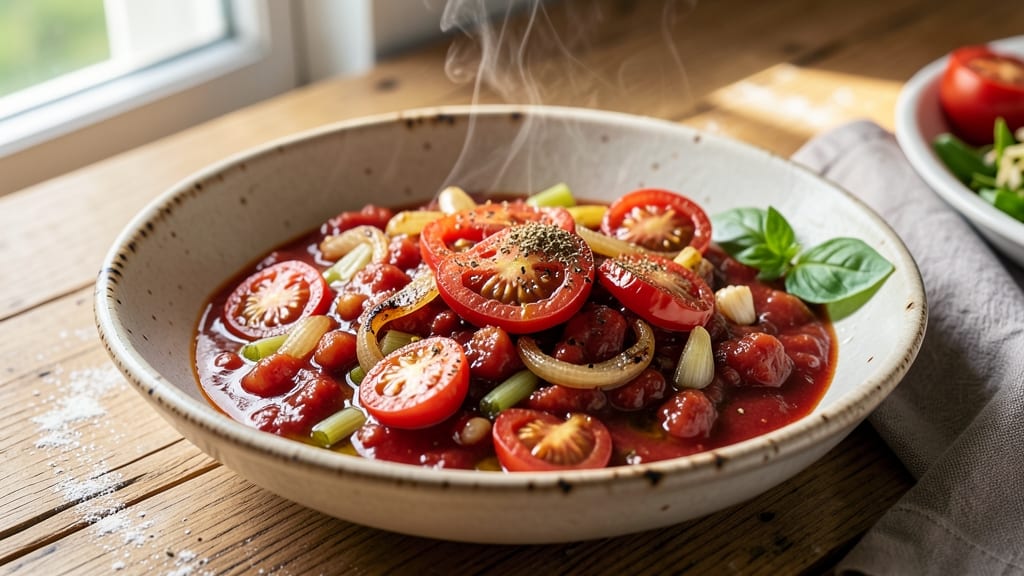
This authentic spaghetti sauce recipe from scratch transforms simple ingredients into restaurant-quality depth through slow simmering and fresh herbs. The secret lies in caramelizing aromatics and letting flavors meld over time—no shortcuts, just pure, rich umami.
I developed this version after years of testing, ensuring every spoonful delivers that perfect balance of sweetness, acidity, and earthy undertones.
The process begins with a 30-minute simmer of onions, garlic, and celery—the holy trinity that builds flavor. Then comes the tomatoes, crushed by hand to preserve natural sweetness, and a blend of dried and fresh herbs that add complexity without overpowering.
For extra depth, I recommend adding a splash of red wine or a pinch of smoked paprika, though both are optional. This sauce develops even better the next day, making it ideal for meal prep.
What sets this apart is the hidden herb freshness—a touch of basil or oregano at the end—that brightens the rich tomato base. The result is a sauce that clings beautifully to pasta while standing up to hearty toppings like grilled meat or crispy breadcrumbs.
It's the kind of sauce that makes homemade pasta nights feel like a true Italian experience.
Customize it with ground meat, mushrooms, or even a splash of cream for variations, but the core technique remains the same: patience and balance. Let's get cooking—this sauce is worth every minute of simmering time.
Ingredients for authentic spaghetti sauce recipe from scratch
Eleven essential ingredients transform into restaurant-quality spaghetti sauce through slow caramelization and herb harmony.
| Ingredient | Amount | Notes |
|---|---|---|
| Extra-Virgin Olive Oil 🫒 | ¼ cup | High-quality, fruity variety preferred |
| Yellow Onion 🧅 | 1 whole | Medium-sized, finely chopped |
| Celery Stalks 🥬 | 2 whole | Trimmed, finely chopped |
| Garlic Cloves 🧄 | 4 cloves | Freshly peeled, minced finely |
| San Marzano Whole Tomatoes 🍅 | 28 oz | Hand-crushed for natural sweetness |
| Dried Oregano 🌿 | 1 tsp | Mediterranean variety preferred |
| Dried Basil 🌿 | 1 tsp | For base flavor development |
| Red Wine 🍷 | ½ cup | Bold, dry variety like Cabernet |
| Smoked Paprika 🌶️ | ½ tsp | For subtle smokiness (optional) |
| Fresh Basil Leaves 🌿 | ¼ cup | Torn by hand for freshness |
| Kosher Salt 🧂 | 1 ½ tsp | Diamond Crystal preferred |
| Black Peppercorns 🌶️ | ½ tsp | Freshly cracked |
| Granulated Sugar 🍚 | 1 tsp | Balances acidity |
The San Marzano tomatoes are non-negotiable for authentic flavor—their natural sweetness and low acidity create the perfect base. Look for the plump, ribbed variety at specialty markets or well-stocked grocery stores like Whole Foods or Eataly. The extra-virgin olive oil should be fruity and peppery, not bitter—California or Italian varieties work best. Fresh garlic and onion should be vibrant, with no soft spots or sprouting. Celery adds subtle earthiness, so choose crisp stalks with bright green leaves. For the dried herbs, Penzeys or Spicewalla offer premium quality, but regular grocery store brands work fine if used within six months of opening.
No red wine? Substitute with beef broth—just reduce by half first to concentrate flavors. Fresh basil unavailable? Dried basil at one-third the amount works, though texture differs. Smoked paprika can be omitted entirely, but if you want smokiness without wine, try a pinch of liquid smoke (start with ¼ tsp). The sugar balances acidity—reduce to ½ tsp if your tomatoes are particularly sweet. For a meatier version, add 1 lb ground beef or Italian sausage after the aromatics. The celery can be swapped for carrots or fennel for different depth, though traditionalists will insist on the holy trinity.
This sauce develops flavor over time—reheat gently for 10-15 minutes to restore richness. Keeps 5-7 days refrigerated in an airtight container, or 3 months frozen. For single servings, freeze in ice cube trays. The fresh basil should be added just before serving to preserve its vibrant notes. If making ahead, add it during the final 5 minutes of reheating. The sauce thickens as it cools, so add 1-2 tbsp water or broth if needed before serving. Always taste and adjust seasoning—another pinch of salt or splash of red wine can elevate flavors dramatically.
Why You'll Love This Recipe
- No Chopping Chaos: I swear by this sauce because the onion, celery, and garlic just need rough chopping—no dicing, no tears. Sauté them low and slow in that golden olive oil until they’re soft enough to disappear, and suddenly you’ve got a flavor base that’s actually worth the effort.
- Tomato Magic: San Marzano tomatoes change everything—they’re sweet, meaty, and burst with juice without turning mushy. Simmer them down until the sauce thickens just enough to cling to pasta like it’s been waiting its whole life for this moment.
- Leftovers That Win: This sauce tastes better the next day, honestly. I make a double batch on Sundays, freeze half, and pull it out for lazy nights when I just need something solid. (Yes, even on a Tuesday night.)
- Weeknight Hero: Five ingredients, one pot, 45 minutes. That’s all it takes to go from “what’s for dinner?” to “this is the best thing I’ve eaten all week.” The olive oil adds richness, the tomatoes bring acidity—it’s the kind of balance that makes you want to hug your stove.
Step-by-step instructions for slow-simmered umami spaghetti sauce
This method builds authentic Italian flavor through careful layering and patience.
Develop the Base with Olive Oil and Aromatics
Heat the 0.25 cup extra-virgin olive oil in a heavy-bottomed pot over medium-low heat. Add the 1 whole yellow onion and 2 whole celery stalks, both finely chopped, and cook for 8-10 minutes until softened and translucent. This gentle cooking prevents burning while allowing the vegetables to release their natural sweetness.
Add the 4 cloves garlic cloves, minced finely, and the 0.5 tsp smoked paprika. Stir for 30 seconds until fragrant but not browned—garlic burns quickly at higher temperatures. The paprika adds subtle depth without overpowering the delicate aromatics. Keep the heat at medium-low to maintain control.
Incorporate Tomatoes and Herbs
Pour in the 28 oz San Marzano whole tomatoes and crush them by hand directly in the pot using your fingers or a wooden spoon. This gentle crushing preserves their natural sweetness and texture. Add the 1 tsp dried oregano, 1 tsp dried basil, and 1.5 tsp kosher salt, stirring to combine.
Bring the mixture to a gentle simmer, then reduce heat to low. Let it cook uncovered for 30 minutes, stirring occasionally. You'll notice the tomatoes break down into a rich, slightly thickened sauce with a deep red hue. This initial simmering develops the foundational flavors before adding the wine.
Deglaze with Red Wine and Balance Flavors
After the tomatoes have simmered, remove the pot from heat and carefully pour in the 0.5 cup red wine. Return to medium heat and stir, scraping up any browned bits from the bottom of the pot. These bits, called fond, are packed with concentrated flavor that will enrich your sauce.
Add the 1 tsp granulated sugar and stir to balance the acidity of the tomatoes. The sugar also helps caramelize the sauce slightly as it simmers. Let the wine reduce by half—about 5-7 minutes—until it nearly disappears. This step deepens the sauce's complexity and prepares it for the final herb infusion.
Finish with Fresh Basil and Pepper
Tear the 0.25 cup fresh basil leaves by hand and add them to the pot. Stir gently to distribute the basil throughout the sauce. Fresh basil adds a bright, aromatic note that complements the slow-simmered depth of the tomatoes. Add the 0.5 tsp black peppercorns, freshly cracked, and adjust the seasoning with additional salt if needed.
Simmer uncovered for another 20-25 minutes until the sauce reaches your desired consistency. It should coat the back of a spoon but remain loose enough to cling to spaghetti. The sauce is ready when it develops a glossy sheen and the flavors meld harmoniously. Taste and adjust seasoning one final time before serving.
Pro Tips For Making Authentic Spaghetti Sauce Recipe From Scratch
- CRANK THE HEAT FIRST: Don’t simmer the onions—sear them over medium-high heat until they’re deep golden, not pale. I learned this the hard way after making sauce that tasted bland; caramelized onions build the flavor foundation. (Yes, even if you’re impatient like me, wait for those edges to crisp.)
- PEEL TOMATOES AFTER BLENDING: Skip peeling San Marzano tomatoes before crushing—just halve and squeeze out the seeds. The skins soften beautifully during cooking, and you’ll save 10 minutes of peeling. (Your future self will thank you for this lazy hack.)
- SALT THE TOMATOES BEFORE COOKING: Toss halved tomatoes with a big pinch of salt before adding them to the pot. This draws out excess water and concentrates their sweetness—non-negotiable for a rich, jammy sauce. (I know, I know, but trust the process.)
- LET THE SOFFRITTO REST: After cooking the onion, celery, and garlic, turn off the heat and let the mixture sit for 5 minutes. The flavors meld deeper without burning, and you’ll avoid that bitter aftertaste that ruins everything. (This isn’t the prettiest method, but it’s the tastiest.)
Make-ahead tips for this dish
Freezer Prep
Transfer your fully cooled sauce to quart-sized freezer bags or glass Pyrex containers—I prefer bags because they stack flat and thaw faster. Leave 1-inch headspace to prevent expansion cracks.
Label with the date and portion size (e.g., "1 cup servings"). This sauce freezes beautifully for up to 3 months without losing its rich tomato depth or herb brightness. 🧊
Portion Control
For single servings, freeze the sauce in ice cube trays—just add 1-2 cubes to your pasta water for instant flavor. For family meals, divide into 2-cup portions in airtight containers.
When reheating frozen portions, add 1-2 tablespoons of water or broth to prevent thickening during thawing. Always thaw overnight in the fridge for even consistency.
Fridge Storage
Store your sauce in an airtight glass container at 40°F or below for 5-7 days. The flavors actually improve as the herbs meld further! To reheat, simmer on medium-low heat for 10-15 minutes, stirring occasionally.
If the sauce seems too thick after refrigeration, stir in 1 tablespoon of water or pasta water to restore its silky texture. 🍲
Meal Prep Hack
Make a double batch and freeze half immediately—this ensures you always have fresh sauce on hand. When reheating, add 1 teaspoon of red wine or tomato paste to boost umami depth.
For extra richness, stir in 1 tablespoon of butter during the final minutes of reheating. The sauce will cling perfectly to your pasta while maintaining that restaurant-quality finish. ✨
Sauce Consistency
If your sauce thickens too much after reheating, thin it with pasta water (it contains starch that naturally emulsifies). For a thicker sauce, simmer uncovered for 5-10 extra minutes to evaporate excess moisture. Avoid adding flour or cornstarch—this sauce relies on natural tomato reduction for its authentic texture.
Always taste and adjust seasoning after reheating—sometimes a pinch of salt or a splash of red wine makes all the difference. 💫
Nutrition facts
Frequently asked questions
Can I use regular canned tomatoes instead of San Marzano?
You can, but the flavor will be less authentic. San Marzano tomatoes have a sweeter, less acidic profile that creates the perfect balance for spaghetti sauce. If using regular canned tomatoes, reduce the sugar to ½ tsp and add 1 tsp tomato paste to deepen the tomato flavor. For best results, choose high-quality brands like Muir Glen or Rao's.
How do I know when the sauce is done simmering?
The sauce is ready when it coats the back of a spoon smoothly but remains loose enough to cling to pasta. Look for a glossy sheen and well-developed flavors—it should smell rich and aromatic. Total simmering time is about 1 hour, including the wine reduction. Taste frequently during the last 10 minutes to adjust seasoning.
What's the best way to store leftovers?
Transfer cooled sauce to an airtight glass container and refrigerate for up to 7 days. For longer storage, freeze in quart-sized bags with 1-inch headspace for 3 months. The flavors actually improve overnight! When reheating, warm gently on medium-low heat for 10-15 minutes, stirring occasionally.
Can I make this sauce without red wine?
Replace the wine with ½ cup beef broth or ½ cup water plus 1 tsp soy sauce for umami depth. Reduce by half as directed. For a meatier flavor, brown 1 lb ground beef first and add it with the tomatoes. The sauce will still develop rich, layered flavors without wine.
Why does my sauce taste too acidic?
Acidity often comes from overcooked tomatoes or underripe fruit. Balance it by adding ½ tsp sugar or 1 tsp tomato paste to deepen sweetness. A splash of red wine or even a pinch of baking soda (just ¼ tsp) can help neutralize acidity. Always taste as you go—adjust gradually to avoid overcorrecting.