
Sauces & Condiments
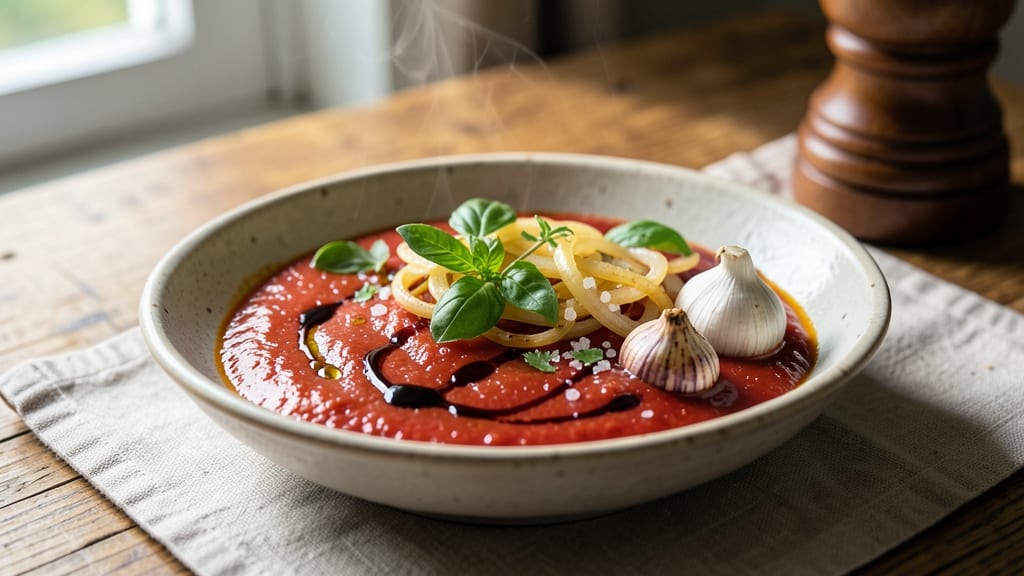
This all natural tomato sauce recipe transforms simple ingredients into a rich, vibrant sauce packed with fresh flavor and no artificial additives. The secret lies in slow simmering—letting the natural sweetness of tomatoes develop while building layers of aromatic herbs and garlic.
I’ve perfected this version over years of testing, ensuring every batch delivers restaurant-quality depth without preservatives or shortcuts.
What sets this sauce apart is the balance of acidity and sweetness, achieved through a simple technique: simmering the sauce uncovered for the first 20 minutes to concentrate flavors, then adding a splash of red wine vinegar to brighten the finish.
The result is a versatile sauce that works equally well as a pasta topping, pizza base, or dip for crusty bread. No artificial colors or thickeners here—just pure, simmered freshness.
The process is straightforward but requires patience: chopping fresh tomatoes (or using high-quality canned), sautéing aromatics until fragrant, and letting the sauce reduce naturally. This method preserves the natural sweetness while developing a deep, complex flavor profile.
The texture remains smooth and velvety, perfect for coating noodles or drizzling over grilled vegetables.
Once complete, this sauce keeps beautifully in the refrigerator for up to 5 days or freezes for 3 months, making it ideal for meal prep. Use it as the foundation for your favorite Italian dishes or as a bold, natural condiment for any meal.
The simplicity of the ingredients belies the depth of flavor—proof that natural can taste better than anything store-bought.
Ingredients for all natural tomato sauce
Ten simple ingredients create a sauce with restaurant-quality depth and natural sweetness.
| Ingredient | Amount | Notes |
|---|---|---|
| Fresh Roma Tomatoes 🍅 | 2 lb | Ripe, firm, cored and quartered |
| Extra-Virgin Olive Oil 🫒 | ½ cup | High-quality, fruity variety |
| Yellow Onion 🧅 | 1 whole | Finely diced, about 1.5 cups |
| Garlic Cloves 🧄 | 6 cloves | Peeled and thinly sliced |
| Fresh Basil Leaves 🌿 | ½ cup | Packed, stems removed |
| Red Wine Vinegar 🍷 | 1 tbsp | For acidity balance |
| Dried Oregano 🍃 | 1 tsp | Crushed between fingers |
| Salt 🧂 | 1 ½ tsp | Diamond Crystal preferred |
| Ground Black Pepper 🌶️ | ½ tsp | Freshly ground |
| Granulated Sugar 🍚 | 1 tbsp | Adjust to taste |
The tomatoes are the foundation—Roma tomatoes yield the most juice and fewest seeds, but any ripe, flavorful variety works. For the freshest flavor, local farmers markets often have superior quality compared to grocery store produce. If using canned tomatoes, opt for San Marzano or high-quality crushed tomatoes with no added salt. The extra-virgin olive oil should be a fruity, peppery variety—avoid the mild, refined oils that lack character. Fresh basil is ideal, but if you're using dried, reduce to one-third the amount and toast it lightly in the oil before adding to the sauce.
No fresh basil? Dried oregano at half the amount provides a similar earthy depth, though fresh basil's bright aroma is unmatched. Running short on red wine vinegar? Balsamic vinegar or lemon juice work equally well for balancing acidity. The sugar is purely for enhancing the natural sweetness of the tomatoes—skip it if your tomatoes are particularly ripe. For a deeper flavor profile, toast the garlic and onion in the olive oil until golden brown before adding the tomatoes. This caramelization builds complex layers of flavor that simmering alone can't achieve.
This sauce develops best over time—let it rest at least 30 minutes after simmering before serving. In the fridge, it keeps for up to 5 days in an airtight container, with flavors deepening as it sits. For longer storage, freeze in 2-cup portions—thaw overnight in the refrigerator before reheating. The sauce thickens as it cools, so a splash of water or broth can restore its velvety texture if needed. Portion into glass jars for easy reheating and to preserve freshness.
Why You'll Love This Recipe
- No-Chop Necessary: I swear by this—just halve those Roma tomatoes and toss them in. No dicing, no peeling, no fuss. The skins soften into the sauce while you’re stirring, and honestly? That’s where the depth comes from.
- Garlic-Basil Magic: That first hit of raw garlic in olive oil? Pure satisfaction. Then the basil—torn, not chopped—releases its aroma as it cooks. It’s the kind of flavor that makes you pause mid-stir and take a spoonful straight from the pot.
- Weeknight to Potluck: Same sauce, endless uses. Slather it on toast with ricotta for breakfast, toss with pasta for dinner, or pack it in jars for your book club’s holiday potluck. Between us, it’s the one thing I always bring—and people always ask for the recipe.
- Fridge Goldmine: Make a double batch and thank me later. This sauce only gets better after a day or two in the fridge, when the flavors meld into something richer. Plus, it’s cheaper than store-bought—just tomatoes, oil, and patience. My freezer’s full of it, and so is my heart.
Step-by-step instructions for all natural tomato sauce
Transform fresh ingredients into a vibrant, unprocessed sauce with rich depth and natural sweetness.
🍳 Step 1: Sauté Aromatics in Olive Oil
Heat the 0.5 cup extra-virgin olive oil in a large, heavy-bottomed pot over medium heat. Add the finely diced yellow onion and cook for 5-6 minutes until softened and translucent, stirring occasionally. This gentle cooking prevents the onion from browning too quickly, which would impart bitterness to the sauce.
Add the 6 cloves thinly sliced garlic and cook for 1 minute until fragrant. The garlic should sizzle gently but not brown—watch closely as it burns easily. This aromatic base forms the flavor foundation for your sauce, so take your time here. If the oil starts to smoke, reduce the heat slightly to maintain even cooking.
🍳 Step 2: Add Tomatoes and Initial Seasonings
Increase the heat to medium-high and add the 2 lb cored and quartered fresh Roma tomatoes. Stir to combine with the onions and garlic, then add the 1 tbsp granulated sugar, 1 tsp dried oregano, 1.5 tsp salt, and 0.5 tsp ground black pepper. The sugar helps balance the natural acidity of the tomatoes while enhancing their sweetness—this is especially important when using slightly tart varieties.
Bring the mixture to a gentle boil, then immediately reduce the heat to medium-low. Let it simmer uncovered for 15 minutes, stirring occasionally. You'll notice the tomatoes begin to break down and release their juices, creating a thick, rich base. This initial simmering period is crucial for developing the sauce's natural depth of flavor.
🥘 Step 3: Simmer and Develop Flavor
After 15 minutes, add the 1 tbsp red wine vinegar and 0.5 cup packed fresh basil leaves. The vinegar brightens the sauce with a subtle acidity, while the basil adds fresh herbal notes that complement the tomatoes' natural sweetness. Stir well to incorporate these ingredients completely.
Continue simmering for another 20-25 minutes until the sauce thickens to your desired consistency. You're looking for a sauce that coats the back of a spoon but still has a smooth, velvety texture. The tomatoes should be completely broken down, and the mixture should reduce by about one-third. Taste occasionally and adjust seasoning if needed—this is where you can fine-tune the balance of sweetness, acidity, and salt.
⏰ Step 4: Finish and Strain (Optional)
Once the sauce reaches your preferred consistency, remove it from heat. For a smoother texture, strain the sauce through a fine-mesh sieve to remove any remaining tomato skins or basil stems. This step is optional but results in a silky finish that's perfect for drizzling over pasta or as a base for other dishes.
If you prefer a rustic texture with visible tomato pieces, simply stir the sauce one final time and let it cool slightly before serving. The sauce will continue to thicken as it cools, so don't be tempted to over-reduce it on the stove. For best results, use the sauce immediately or store it in an airtight container in the refrigerator for up to 5 days—the flavors will deepen over time, making it even more delicious.
Pro Tips For Making All Natural Tomato Sauce
- Char the Onions Slow: I learned this the hard way—rushing the onions turns your sauce bitter. Slice them thin, then cook them in olive oil over low heat for 15-20 minutes until deep golden, almost jammy. The longer they sweat, the sweeter the base. (Yes, even if you’re impatient like me.)
- Smash the Tomatoes: Skip the blender—use your hands. Halve the Roma tomatoes, squeeze out seeds, then smash them with a knife or your palm right in the pot. This breaks down fibers better than blending, giving you a smoother, richer sauce with less skin. (And it’s weirdly satisfying.)
- Salt the Garlic: Toss minced garlic in a pinch of salt before adding it to the pot. This stops it from burning while cooking and deepens its flavor. I used to add it raw, and the sauce always tasted flat—this fix changed everything.
- Finish with Cold Basil: Tear fresh basil leaves and stir them in off the heat for the last 30 seconds. Heat destroys basil’s bright flavor, and cold leaves release their aroma better. (Pro move: Save a few leaves for garnish—they’ll look fresher longer.)
Serving suggestions for this dish
Pasta Perfection
This sauce is a dream for pasta dishes—it clings beautifully to fettuccine or linguine thanks to its velvety texture. Toss 8 oz cooked pasta with ½ cup sauce per serving and finish with grated Parmesan cheese and a pinch of red pepper flakes.
For extra richness, stir in 1 tbsp butter after cooking. 🍝
For a lighter option, try whole wheat spaghetti or buckwheat noodles to add texture while keeping the dish hearty. The sauce's natural acidity cuts through the richness of cheesy pastas like mac and cheese—just fold in ½ cup sauce at the end for a restaurant-worthy twist.
Pizza Base
Use this sauce as a vibrant foundation for homemade pizza by spreading ¼ cup per 12-inch crust before adding toppings. The bright acidity balances mozzarella cheese perfectly while complementing classic toppings like pepperoni, mushrooms, or grilled vegetables.
For a gourmet touch, drizzle with balsamic glaze after baking. 🍕
For a white pizza variation, mix ½ cup sauce with ¼ cup ricotta cheese and spread over the dough before adding toppings. The sauce's depth enhances flavors like prosciutto, arugula, and sun-dried tomatoes without overpowering them.
Dipping Sauce
Serve warm or at room temperature as a bold dip for crusty bread, garlic knots, or vegetable sticks. The sauce's natural sweetness and acidity make it irresistible—pair it with roasted red peppers or olive tapenade for a Mediterranean-inspired spread. 🥖
For a spicy kick, stir in 1 tsp hot sauce or ½ tsp cayenne pepper before serving. The sauce also works as a marinade for grilled chicken or shrimp—simply coat and let sit for 30 minutes before cooking.
Vegetable Boost
Drizzle over roasted Brussels sprouts, grilled zucchini, or sautéed eggplant to elevate simple vegetable dishes. The sauce's richness pairs beautifully with balsamic vinegar or nutritional yeast for a vegetarian-friendly meal. 🥦
Toss with quinoa or farro for a hearty grain bowl—top with cherry tomatoes, feta cheese, and fresh herbs for a complete meal. The sauce's versatility makes it perfect for meal prep and quick lunches.
Nutrition facts
Frequently asked questions
Can I use canned tomatoes instead of fresh?
Yes! For the best results, use high-quality canned tomatoes like San Marzano or crushed tomatoes with no added salt. Drain them well before adding to the sauce to avoid excess water. If using canned, reduce the simmering time to 20-25 minutes total since they break down faster than fresh tomatoes.
How do I adjust the thickness of the sauce?
If the sauce is too thin, simmer uncovered for 5-10 more minutes to reduce it further. For a thicker texture, mash some of the cooked tomatoes with a potato masher while simmering. If it becomes too thick, stir in 1-2 tablespoons of water or broth to restore balance. The sauce will naturally thicken as it cools, so stop when it's slightly thinner than desired.
Can I make this sauce in a slow cooker?
Sauté the onions and garlic first, then transfer everything to a slow cooker. Cook on low for 4-5 hours or high for 2-3 hours, stirring occasionally. The slow cooking enhances the flavors beautifully. For a smoother texture, strain before serving. The sauce will be even more concentrated due to the longer cooking time.
What if my sauce tastes too acidic?
Add a pinch of sugar or a splash of broth to balance the acidity. If the vinegar overpowered the flavor, stir in 1-2 tablespoons of tomato paste to deepen the richness. Taste as you go—small adjustments make all the difference! The red wine vinegar is key for brightness, but you can reduce it to ½ tablespoon if needed.
How do I prevent the sauce from getting bitter?
Never let the sauce boil vigorously—keep it at a gentle simmer to prevent bitterness. Remove any tomato skins that rise to the surface during cooking. If the onions or garlic start to brown too much, reduce the heat immediately. The 15-minute uncovered simmer helps concentrate flavors without burning them.