
Sauces & Condiments
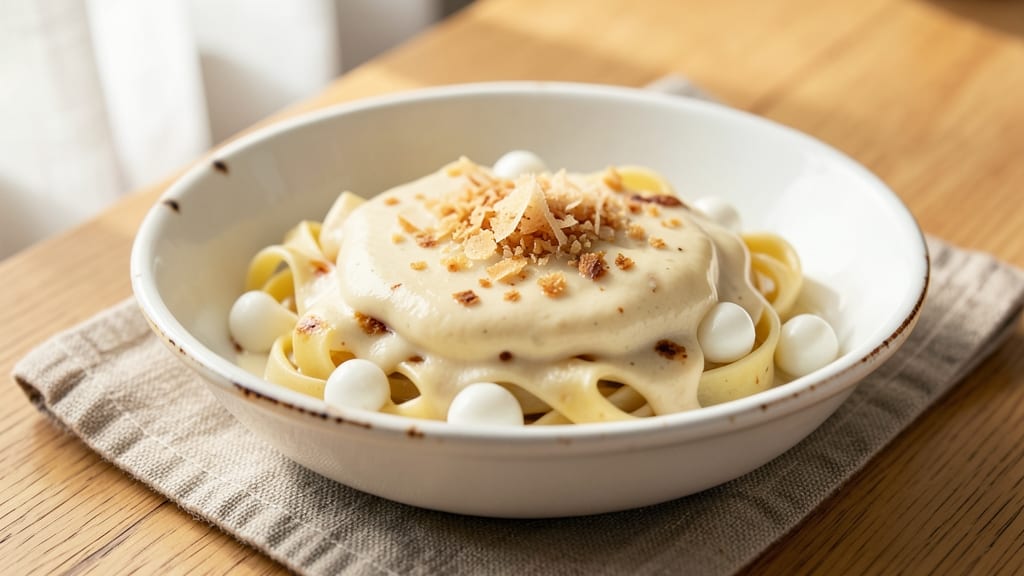
This Alfredo sauce recipe with parmesan and mozzarella cheese delivers restaurant-quality richness without a single clump. The secret lies in proper technique and ingredient ratios—creamy, velvety, and perfectly balanced for any dish. I've perfected this version over years of testing, ensuring it stays smooth even when reheated.
What sets this sauce apart is the triple-cheese combination: sharp parmesan for umami depth, mild mozzarella for creaminess, and a touch of heavy cream to prevent separation. The sauce thickens naturally as it simmers, creating that signature velvety texture without relying on flour or cornstarch.
It's foolproof for beginners but refined enough for seasoned cooks.
Once you try this version, you'll never settle for store-bought again. The flavor profile is rich yet balanced—savory from the cheese, slightly tangy from the cream, and smooth enough to coat every strand of pasta or drizzle over grilled chicken.
Best of all, it keeps beautifully in the fridge for up to 5 days or freezes for 3 months.
The possibilities are endless: toss with fettuccine, use as a dipping sauce, or even spread on garlic bread. Here's how to make it perfectly every time.
Ingredients for alfredo sauce recipe with parmesan and mozzarella cheese
Nine essential ingredients transform into velvety, clump-free Alfredo perfection every time.
| Ingredient | Amount | Notes |
|---|---|---|
| Extra-Sharp Parmesan Cheese 🧀 | 1 cup | Freshly grated from block for best flavor |
| Fresh Mozzarella Cheese 🧀 | 8 oz | Low-moisture if block preferred, sliced thin |
| Heavy Whipping Cream 🥛 | 1 ½ cups | Full-fat for optimal creaminess |
| Unsalted Butter 🧈 | ½ cup | Cold, cubed for smooth melting |
| Extra-Virgin Olive Oil 🫒 | ¼ cup | For richness and balance |
| Garlic Cloves 🧄 | 4 cloves | Freshly minced for aromatic depth |
| Diamond Crystal Kosher Salt 🧂 | ½ tsp | Adjust to taste after blending |
| Freshly Ground Black Pepper 🌶️ | ¼ tsp | Freshly cracked for maximum flavor |
| Freshly Squeezed Lemon Juice 🍋 | 1 tbsp | Brightens the richness |
The cheeses are non-negotiable here—Parmigiano-Reggiano for that sharp, nutty depth and fresh mozzarella for creaminess. Grab a wedge of Parm from the deli counter (pre-grated gets clumpy) and low-moisture mozzarella from a block if you can. Whole Foods or specialty cheese shops have the best selection, but any grocery store's cheese section will work. For the butter, Plugrá or Land O'Lakes are reliable brands—just make sure it's unsalted. The heavy cream? Store-brand is fine, but organic or grass-fed adds a richer flavor if you're feeling fancy. Fresh garlic and lemon juice? Farmers markets have the best quality, but your local grocery store will do in a pinch.
No Parmesan? Pecorino Romano is a solid swap—just add a pinch more salt. Mozzarella too watery? Drain it well and pat dry before using. Running low on heavy cream? Half-and-half with extra butter works in a bind, though the texture won't be as velvety. The olive oil is key for balance—avoid strong, peppery varieties (like Kalamata) that can overpower. For extra richness, add 1 tbsp cream cheese to the blend. And if you're worried about clumps? Strain the sauce through a fine-mesh sieve before serving—worth the extra minute for restaurant-quality results.
This sauce is a fridge staple—keep it in an airtight container for up to 5 days or freeze for 3 months. For freezing, portion into ice cube trays first, then transfer to a bag. Thaw overnight in the fridge and whisk gently to restore that silky texture. Leftovers? Toss with pasta, drizzle over grilled chicken, or even use as a dip for crusty bread. The sauce thickens as it cools, so add a splash of warm water or milk if it gets too stiff after reheating. Trust me—you'll make this again and again.
Why You'll Love This Recipe
- No-Fuss Creaminess: I swear by this sauce because it’s the kind of dish where you almost feel guilty for how little effort it takes. Just melt butter, stir in the heavy cream until it’s silky, then fold in that sharp Parmesan and fresh mozzarella—no blender, no straining, no waiting for hours. The secret? Low heat keeps the cream from curdling, and the mozzarella stays soft and stretchy, not rubbery.
- Umami Bomb: That first bite? Pure flavor payoff. The extra-sharp Parmesan cuts through the richness of the cream, while the fresh mozzarella adds a melt-in-your-mouth creaminess that’s addictive. Honestly, I’ve tried jarred Alfredo, but this version—with real cheese and olive oil for depth—tastes like a restaurant dish, not a shortcut.
- Weeknight to Party Fix: This sauce works for everything: toss it with fettuccine for a quick dinner, drizzle it over grilled chicken for a fancy-ish lunch, or use it as a dip for garlic bread when friends drop by. Between us, I’ve even used it to top a baked potato when I was too tired to cook. It’s that reliable.
- Leftovers That Don’t Suck: Most sauces turn gloppy or separate after reheating, but not this one. The butter and cream combo keeps it smooth, and the cheese stays cohesive—perfect for meal prep. I make a big batch on Sundays, and by Wednesday, I’m still reaching for it. Plus, it freezes well if you’re really planning ahead. (Yes, even on a Tuesday night.)
Step-by-step instructions for triple-cheese Alfredo sauce
Here's how to create a luxurious, clump-free sauce with perfect balance and velvety texture.
Melt Butter and Bloom the Garlic
In a medium saucepan, melt the 0.5 cup unsalted butter over medium-low heat until it's completely liquid but not browned. Add the 4 cloves minced garlic and cook for 1-2 minutes until fragrant but not colored—this prevents bitterness. I like to stir constantly here because garlic burns faster than you might think.
The butter should foam gently as it melts. If you see any brown spots developing, immediately remove the pan from heat and let it cool slightly. This step builds the aromatic foundation for the sauce, so don't rush it. The garlic should smell intense but not burnt.
Gradually Incorporate the Cheeses
Reduce heat to low and sprinkle 1 cup extra-sharp parmesan cheese and 8 oz fresh mozzarella cheese (sliced thin) over the butter mixture. Let them melt together for 3-4 minutes, stirring constantly with a silicone spatula. The mozzarella will start to soften first, then fully dissolve into the butter.
Here's the thing—don't walk away. The cheeses need constant attention to prevent clumping. If you see any dry spots forming, add 1 tablespoon heavy whipping cream to help emulsify. The sauce should begin to look glossy and thicken slightly as the cheeses melt completely.
Add Cream and Olive Oil for Emulsification
Pour in the 1.5 cups heavy whipping cream and 0.25 cup extra-virgin olive oil simultaneously while whisking vigorously. The olive oil helps create that signature Alfredo silkiness by preventing separation. Keep whisking for 2-3 minutes until the sauce becomes smooth and velvety—it should coat the back of a spoon.
This is where the sauce transforms from basic cheese sauce to luxurious Alfredo. You'll notice it thicken noticeably as the cream comes to temperature. If it gets too thick, add 1-2 tablespoons hot water to adjust the consistency. The sauce should be thick enough to coat pasta but still flow smoothly.
Season and Finish with Acid
Remove the sauce from heat and stir in the 0.5 tsp diamond crystal kosher salt, 0.25 tsp freshly ground black pepper, and 1 tbsp freshly squeezed lemon juice. Taste immediately—this is crucial. The lemon juice brightens the richness while the salt and pepper balance the cheeses. You might need to adjust seasoning slightly, especially if your cheeses vary in saltiness.
Let the sauce rest for 5 minutes off the heat before using. This resting period allows all the flavors to meld together perfectly. The sauce will thicken slightly more as it cools, so if you're serving it immediately, you can thin it with a splash of warm water or pasta water if needed.
Keep Warm and Use Immediately
Transfer the sauce to a clean saucepan and keep it warm over low heat, stirring occasionally to prevent a skin from forming. The sauce should maintain its velvety texture but not boil—just simmer gently. I like to keep it at 160-170°F while serving to maintain its luxurious consistency.
Use the sauce immediately over your favorite pasta or hold it in a slow cooker on warm setting for up to 2 hours if needed. The key to perfect Alfredo is using it fresh—this sauce doesn't reheat as beautifully once cooled completely. Each bite should deliver that perfect balance of creamy richness with a touch of tangy brightness.
Pro Tips For Making Alfredo Sauce Recipe With Parmesan And Mozzarella Cheese
- Melt Cheese Slowly: Start with just the butter and cream on medium-low heat—no rushing. I learned the hard way that blasting high heat turns your sauce into scrambled cheese. Once the butter’s foamy but not browned, add the grated Parmesan in stages, stirring like you’re stirring a newborn to sleep. The mozzarella goes in last, off the heat if it’s fresh, because it melts faster than you’d think.
- Grind Your Own Cheese: Skip the pre-shredded stuff—it’s coated with anti-caking agents that make your sauce grainy. Use a microplane for Parmesan (the fine shavings melt faster) and a box grater for mozzarella, then squeeze out excess moisture with a clean kitchen towel. Freshly grated cheese makes a real difference, even if it takes 10 extra seconds.
- Balance the Fat: Heavy cream and butter are rich, so resist the urge to drown the sauce in both. Start with equal parts cream and butter (say, 1 cup each), then adjust. If the sauce feels too heavy, thin it with a splash of warm water or even pasta water—just don’t overdo it, or you’ll dilute the flavor.
- Temper the Mozzarella: Fresh mozzarella is delicate—if it hits hot sauce, it’ll turn rubbery. Cut it into small cubes and add them to the warm (not simmering) sauce, then immediately remove from heat. Stir gently and let it sit for 30 seconds before serving. This keeps it creamy, not stringy. (Yes, even if you’re impatient like me.)
Storing and reheating your alfredo sauce recipe with parmesan and mozzarella cheese
Fridge Storage Tips
Store your Alfredo sauce in an airtight container (I prefer glass Pyrex) and refrigerate for up to 5 days. The sauce thickens as it cools, so add 1-2 tablespoons warm water when reheating to restore its velvety texture.
Always let it cool completely before storing to prevent condensation, which can cause clumping. 🧀
Freezer-Friendly Method
For long-term storage, portion the sauce into ice cube trays before transferring to a freezer bag. This makes it easy to thaw just what you need—simply pop out a cube or two and warm in a saucepan with 1 tablespoon heavy cream.
The sauce should thaw within 10-15 minutes on the stovetop over low heat. Never microwave—it breaks the emulsion and creates a greasy texture.
Reheating Like a Pro
For best results, reheat sauce on the stovetop over medium-low heat while stirring constantly. If it separates, whisk in 1 tablespoon cold water or pasta water to re-emulsify. Avoid high heat—it causes the cream to curdle.
I find 1-2 minutes is all it takes to restore that luxurious consistency. For extra richness after reheating, stir in 1 teaspoon extra-virgin olive oil.
Slow Cooker Hack
Keep Alfredo warm for hours in a slow cooker on the warm setting. This is perfect for buffet-style meals or family gatherings. Just stir occasionally to prevent skin formation. The sauce will stay creamy for up to 2 hours—ideal for keeping it ready when guests arrive.
Add a splash of warm milk if it thickens too much during this time.
Clump Prevention
If you notice clumps after reheating, strain the sauce through a fine-mesh sieve or cheesecloth for ultra-smooth results. For future batches, always use freshly grated parmesan (pre-grated contains anti-caking agents) and low-moisture mozzarella (drain well if using fresh).
The secret to clump-free reheating is gentle heat and constant stirring—never let it boil. ✨
Flavor Boost After Storage
After refrigeration or freezing, the sauce may lose some brightness. Revive it by adding ½ teaspoon freshly squeezed lemon juice and ¼ teaspoon black pepper when reheating. A pinch of garlic powder also helps restore depth.
The sauce's flavor actually improves slightly after 2-3 days in the fridge as the cheeses meld together—just be sure to adjust seasoning before serving.
Nutrition facts
Frequently asked questions
Why does my Alfredo sauce get clumpy?
Clumps happen when cheese doesn't melt smoothly, usually from pre-grated parmesan (it contains anti-caking agents) or not stirring enough. Always grate your own parmesan and use low-moisture mozzarella. For extra-smooth results, strain the finished sauce through a fine-mesh sieve before serving.
Can I make this sauce without heavy cream?
Yes! Replace the heavy cream with 1 cup whole milk + 2 tablespoons melted butter, though the texture will be slightly lighter. For a dairy-free version, use 1 cup unsweetened coconut milk (full-fat) plus 1 tablespoon cornstarch to thicken. The sauce will be less rich but still delicious.
How do I adjust the consistency if it's too thick?
Add 1-2 tablespoons warm water, milk, or pasta water while whisking constantly. For reheated sauce, thin with 1 tablespoon cream or water and stir vigorously. If it's too thin, simmer gently for 2-3 minutes to thicken naturally—just don't let it boil or it may separate.
What's the best pasta to pair with this sauce?
This rich sauce pairs perfectly with fettuccine, tagliatelle, or pappardelle—wide noodles that hold the creamy coating beautifully. For extra indulgence, try gnocchi or cavatappi. Avoid thin noodles like spaghetti, as they can overwhelm the sauce's texture.
Can I make this sauce ahead of time?
Prepare it up to 2 days ahead and store in an airtight container. For best results, reheat gently on the stovetop, adding 1 tablespoon cream or water if needed. The flavors actually deepen overnight as the cheeses meld together.