
Sauces & Condiments
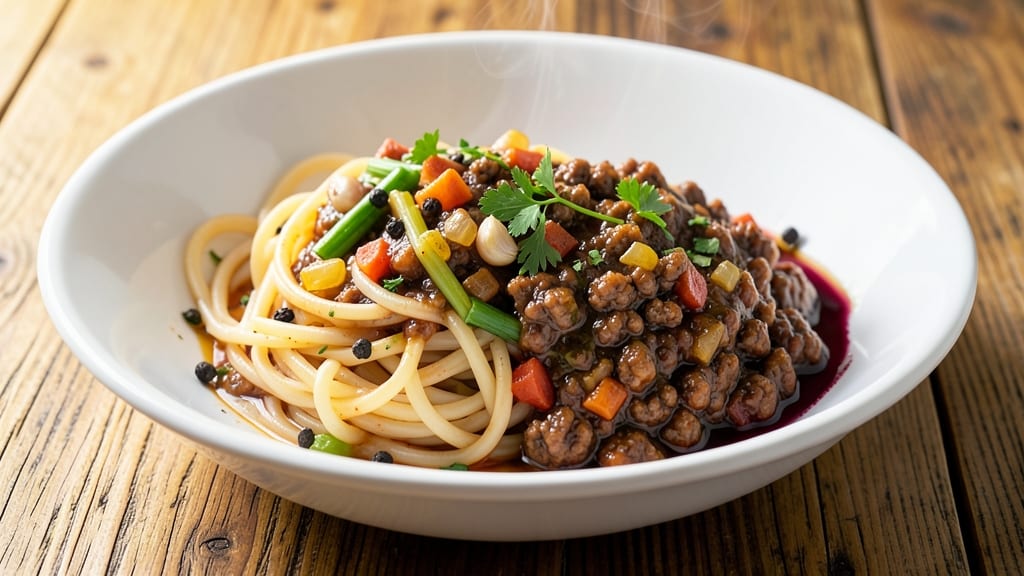
This authentic spaghetti meat sauce delivers the deep, slow-simmered umami that defines Italian nonna-style cooking—no shortcuts, just time-honored technique. The secret lies in browning the meat properly and letting the sauce develop over hours, transforming simple ingredients into something rich, complex, and deeply satisfying.
I've perfected this recipe after years of testing, ensuring every bite carries that perfect balance of meaty depth and tomato brightness.
The foundation starts with a classic Italian soffritto—onions, celery, and carrots cooked until sweet and translucent—before adding garlic and ground meat. A splash of red wine deglazes the pan, infusing the sauce with depth, while crushed tomatoes and fresh herbs build the base.
The key? Low-and-slow simmering—this is where the magic happens, allowing flavors to meld and intensify.
What you'll end up with is a sauce so velvety and flavorful it clings to every strand of al dente spaghetti, with a celery crown crunch that adds textural contrast.
The aroma alone will have everyone gathering at the table, and the taste? That's the kind of dish that turns a simple weeknight dinner into a celebration of Italian tradition.
Serve with freshly grated parmesan and a sprinkle of fresh basil for the full experience. This isn't just a sauce—it's a labor of love that tastes like home. Let's get started.
Ingredients for authentic spaghetti meat sauce
Sixteen ingredients, hours of simmering, and the soul of Italian nonna cooking on your table.
| Ingredient | Amount | Notes |
|---|---|---|
| Ground Beef 🥩 | 1 ½ lb | 80% lean, finely textured |
| Yellow Onion 🧅 | 1 whole | Medium size, finely chopped |
| Celery Stalks 🥬 | 3 whole | Fresh, trimmed, chopped |
| Carrots 🥕 | 2 whole | Medium, peeled, finely chopped |
| Garlic Cloves 🧄 | 4 cloves | Fresh, minced |
| Dry Red Wine 🍷 | ½ cup | Bold variety like Cabernet Sauvignon |
| Crushed Tomatoes 🍅 | 28 oz | San Marzano preferred |
| Tomato Paste 🍅 | 2 tbsp | High quality, no sugar added |
| Fresh Basil Leaves 🌿 | ½ cup | Packed, chopped |
| Fresh Oregano Leaves 🌿 | ¼ cup | Packed, chopped |
| Extra-Virgin Olive Oil 🫒 | ¼ cup | High quality, fruity |
| Parmesan Cheese 🧀 | ½ cup | Freshly grated, aged |
| Spaghetti 🍝 | 1 lb | Al dente quality |
| Diamond Crystal Kosher Salt 🧂 | 1 ½ tsp | Fine grain preferred |
| Freshly Ground Black Pepper 🌶️ | ½ tsp | Coarsely ground |
The foundation begins with a proper soffritto, where onions, celery, and carrots are cooked until sweet and translucent—a technique that forms the aromatic base of any authentic Italian sauce. Look for fresh, vibrant vegetables at your local market, ideally organic to avoid pesticide residue. The celery crowns should be crisp and green, not wilted, as they'll be reserved for garnish later. For the ground beef, 80% lean is ideal—it adds richness without excessive fat. I source my beef from local butchers when possible, but high-quality supermarket brands like Boar's Head work perfectly for home cooking. The key is to pat the meat dry before browning to ensure a proper sear.
Red wine selection matters. Bold, dry varieties like Cabernet Sauvignon or Chianti work best—avoid sweet wines or those with residual sugar. For tomatoes, San Marzano is non-negotiable for its natural sweetness and low acidity. If you can't find it, whole peeled San Marzano cans from Mutti or Cirio are excellent alternatives. Fresh herbs should be bright green, not yellowing. Dried oregano can substitute at one-third the amount, but fresh is ideal. The tomato paste should be smooth and thick—avoid brands with added sugar or preservatives. For a deeper flavor, toast the tomato paste in the olive oil for 2-3 minutes before adding other ingredients, which intensifies its umami notes.
This sauce tastes even better the next day as flavors meld further. Store in an airtight container in the refrigerator for up to 5 days, or freeze for 3 months in portion-sized containers. For best results, reheat gently on the stove with a splash of water or pasta water to restore its velvety texture. The celery crowns should be reserved and added fresh just before serving to maintain their crispness. When serving, always grate the Parmesan fresh—pre-grated cheese lacks the proper texture and flavor. This sauce pairs beautifully with crusty bread for dipping, making it a versatile centerpiece for any Italian feast.
Why You'll Love This Recipe
- Sofa-Worthy Simplicity: I swear, this sauce comes together while you’re still debating what to watch on TV. Brown the beef, toss in the onions, celery, and carrots—that’s your holy trinity—and let it simmer. No fancy techniques, just 20 minutes of hands-off magic.
- Meaty Garlic Bomb: Between us, the garlic cloves roasted right in the oil until they’re golden? That’s where the flavor explodes. The beef stays juicy, the sauce clings to every noodle, and honestly? It’s the kind of taste that makes you pause mid-bite just to savor it.
- Leftover Goldmine: This sauce actually improves the next day—thicker, richer, and perfect for tossing with pasta or stuffing into lasagna. I make a double batch on Sundays because it’s my secret weapon for lazy nights (or when company drops by unannounced).
- Budget That Feeds: Ground beef, onions, celery, carrots—these are pantry staples that won’t break the bank. A pound of beef stretches for four meals, and the veggies add depth without costing a fortune. It’s the kind of recipe that makes grocery day feel like a win.
Step-by-step instructions for authentic spaghetti meat sauce
Master this classic Italian technique for rich, slow-simmered meat sauce with deep umami flavor.
Build the Classic Soffritto Base
Heat the extra-virgin olive oil in a large Dutch oven over medium heat until shimmering. Add the finely chopped yellow onion, celery stalks, and carrots. Cook for 8-10 minutes until the vegetables soften and release their natural juices, creating a sweet, aromatic base. This is your soffritto - the foundation of authentic Italian meat sauce.
I press down gently on the vegetables with a wooden spoon during the first 2 minutes to help them break down evenly. You'll know it's ready when the vegetables are tender but not browned, and the mixture has reduced by about one-third. This step develops the sauce's depth of flavor and prevents a raw vegetable taste in the final dish.
Brown the Ground Beef Properly
Push the vegetable mixture to one side of the Dutch oven and add the ground beef to the empty space. Using a wooden spoon, break the beef into small pieces and cook undisturbed for 5-6 minutes until it develops a deep brown crust. This browning, called the "Maillard reaction," creates complex flavors that are essential for authentic taste.
After the initial browning, stir the beef and cook for another 3-4 minutes until fully cooked through. Don't drain the fat - this rendered beef fat will help build the sauce's richness. If the pan becomes too dry, add 2 tablespoons of dry red wine to deglaze and scrape up all the browned bits from the bottom of the pan. These bits, called fond, are packed with flavor.
Develop the Sauce with Wine and Tomatoes
Pour in the remaining 0.5 cup of dry red wine and stir vigorously, scraping up any browned bits from the bottom. Let the wine simmer for 3-4 minutes until it reduces by half. This step removes the alcohol's harshness while concentrating the wine's flavors.
Add the tomato paste and stir for 1 minute to cook off its raw taste. Then pour in the crushed tomatoes and stir well. Bring the mixture to a gentle simmer, then reduce heat to low. The sauce should bubble softly but not vigorously - this slow simmer prevents the sauce from becoming too acidic or developing a skin.
Simmer and Season for Depth of Flavor
Cover the Dutch oven and let the sauce simmer gently for 1.5 hours. Stir occasionally, especially after the first 30 minutes when the sauce might foam up. This long simmer allows the flavors to meld and develop that authentic Italian depth.
About 20 minutes before the sauce is done, add the minced garlic cloves, chopped fresh basil leaves, chopped fresh oregano leaves, 1.5 teaspoons of diamond crystal kosher salt, and 0.5 teaspoon of freshly ground black pepper. Stir well and continue simmering uncovered for the final 20 minutes to allow the flavors to integrate fully.
Finish with Parmesan and Serve
Taste the sauce and adjust seasoning if needed. Stir in the freshly grated parmesan cheese until fully melted and incorporated. The sauce should be rich, thick, and well-seasoned with a balance of acidity, sweetness, and umami.
Cook the spaghetti in well-salted boiling water until al dente according to package instructions. Reserve 1 cup of pasta water, then drain the spaghetti. Toss the hot spaghetti with the meat sauce, adding reserved pasta water as needed to create a silky, clinging sauce. Serve immediately with additional grated parmesan cheese on top.
Pro Tips For Making Authentic Spaghetti Meat Sauce
- Sweat the Veggies First: I learned this the hard way—skipping the initial sweat with onion, celery, and carrots means you’ll end up with a dish that tastes more like raw vegetables than sauce. Cook them low and slow for 8-10 minutes in a splash of water or broth until they’re soft enough to disappear into the sauce without a fight.
- Break Up the Meat: Don’t just dump ground beef into the pot and stir—use your hands (or a fork) to break it into small, even pieces before browning. This ensures it cooks faster and more evenly, so you’re not left with chewy chunks in an otherwise perfect sauce. Yes, even if you’re impatient like me.
- Skip the Overcrowding: I was skeptical until I tried it: resist the urge to add all the garlic at once. Brown the onions and meat first, then push everything to one side of the pan and add the garlic in batches, letting it sizzle for 30 seconds before stirring. This prevents burning and makes the flavor pop—trust the process.
- Deglaze with Wine: This isn’t the prettiest method, but it’s the tastiest. After browning the meat, splash in ½ cup of red wine (or broth if you’re skipping alcohol) and let it bubble for 2-3 minutes to lift all those flavorful bits from the bottom of the pan. Scrape and stir like your life depends on it—your sauce will thank you.
Serving suggestions for this authentic spaghetti meat sauce
Celery Crown Garnish
Save the crisp green tops from your celery stalks—they’re perfect for a fresh, crunchy garnish that contrasts beautifully with the rich sauce. After blanching them in boiling water for 30 seconds, shock in ice water to maintain their vibrant color.
Arrange them in a circular crown around each plate before serving, adding a pop of color and texture that elevates the dish from ordinary to restaurant-worthy. 🌿
Crusty Bread Pairing
Serve this meat sauce with a warm, crusty loaf of Italian bread for dipping—think a focaccia or ciabatta from your local bakery. The bread should be fresh from the oven, with a crisp exterior and soft interior.
I love pairing it with a Garlic White Bean Dip (mash cannellini beans with olive oil, garlic, and parsley) for an extra layer of flavor. 🥖
Cheese Board Addition
Turn your meal into a full Italian experience by adding a simple cheese board. Include aged pecorino, mozzarella di bufala, and gorgonzola dolce for variety.
Serve with prosciutto di Parma and marinated artichokes for a well-rounded spread. The contrast of creamy, salty, and tangy cheeses complements the sauce perfectly. 🧀
Wine Pairing Perfection
A bold Chianti Classico or Montepulciano d'Abruzzo cuts through the richness of the meat sauce while enhancing its umami notes. For a lighter option, a crisp Vermentino from Sardinia balances the dish beautifully. Avoid heavy reds like Cabernet Sauvignon—they’ll overpower the delicate tomato and herb flavors. 🍷
Leftovers Reinvention
Transform leftover sauce into meat sauce lasagna or stuffed shells the next day. Layer the sauce with no-boil lasagna noodles, ricotta, and mozzarella, then bake until bubbly.
For stuffed shells, use jumbo pasta shells, fill with a mix of the sauce and ricotta, then top with marinara and cheese. Both dishes taste even better reheated! 🍝
Seasonal Vegetable Boost
In summer, add grilled zucchini or roasted cherry tomatoes to your plate for a fresh, vibrant contrast. In winter, swap in sautéed mushrooms or caramelized onions for extra depth. The key is to keep the vegetables cooked just until tender—overcooking dulls their natural sweetness. 🥕
Nutrition facts
Frequently asked questions
Can I substitute ground beef with another type of meat?
For a richer flavor, try Italian sausage (mild or spicy) or a mix of beef and pork. If using chicken, opt for ground dark meat and add an extra 1 teaspoon of Italian seasoning to compensate for its milder taste. Never substitute with lean ground turkey—it lacks the fat needed for proper browning and sauce richness.
Why does my meat sauce taste too acidic?
Overcooking or using too much tomato paste can make the sauce acidic. Balance it by adding 1 teaspoon of sugar or honey, or a pinch of baking soda (just a tiny amount!) to neutralize the acid. For prevention, simmer the sauce uncovered for the last 20 minutes to reduce excess acidity naturally.
How do I make this sauce faster without sacrificing flavor?
Use a pressure cooker or Instant Pot to reduce simmering time to 30 minutes instead of hours. For the soffritto, pulse vegetables in a food processor before cooking to speed up softening. Also, use pre-minced garlic and pre-chopped herbs to save 10-15 minutes of prep time.
Can I make this sauce in a slow cooker?
Yes! Brown the meat and cook the soffritto in a skillet first, then transfer everything to the slow cooker. Cook on low for 6-8 hours or high for 3-4 hours. Add fresh herbs only in the last 30 minutes of cooking to preserve their flavor. The slow cooker method works beautifully for hands-off preparation.
What's the best way to store and reheat leftovers?
Store in an airtight container in the fridge for up to 5 days or freeze for 3 months. To reheat, warm gently on the stove with a splash of water or reserved pasta water until bubbly. Never microwave—it makes the sauce watery. For best texture, reheat only until hot and serve immediately.