
Sauces & Condiments
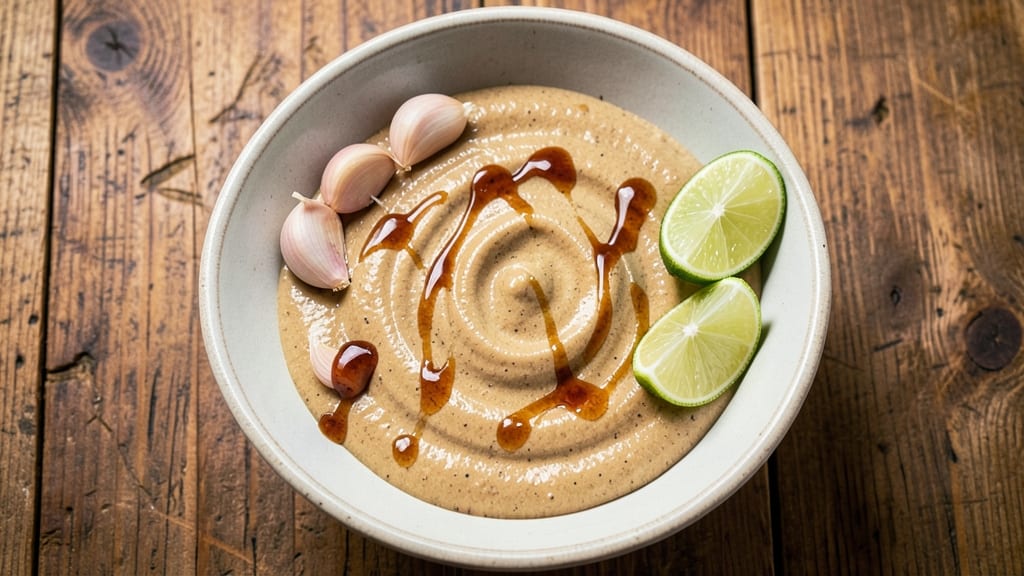
This Asian tahini sauce recipe transforms simple pantry staples into a versatile, nutty-creamy condiment with bright citrus notes that elevate everything from grilled meats to fresh vegetables.
The secret lies in balancing tahini's rich depth with zesty lime juice and a touch of maple syrup, creating a sauce that's both complex and effortlessly adaptable. I developed this recipe after craving something creamy yet light—perfect for drizzling over salads or dipping crispy spring rolls.
The beauty of this sauce is its foolproof simplicity: just blend tahini, lime juice, maple syrup, garlic, and a splash of soy sauce until smooth.
For extra depth, I often add a pinch of chili flakes or fresh ginger, but the base recipe delivers satisfying nutty richness on its own. The texture is velvety yet light, never overpowering, and it keeps beautifully in the fridge for up to a week—ideal for meal prep.
What makes this sauce truly special is its ability to transform ordinary dishes into restaurant-quality meals. Drizzle it over roasted vegetables for instant flavor, use it as a dip for crudités or spring rolls, or toss it with noodles for a quick, satisfying meal.
The balance of sweet, tangy, and savory flavors makes it irresistibly addictive. Once you try homemade, store-bought tahini sauces won't compare.
For best results, store leftovers in an airtight container and thin with water or oil if needed to reach your desired consistency. This sauce is a game-changer for anyone looking to add global flavors to their cooking without complicated techniques. Let's get blending!
Ingredients for asian tahini sauce
Pantry staples blend into a creamy, tangy sauce that takes 5 minutes.
| Ingredient | Amount | Notes |
|---|---|---|
| Tahini 🥜 | ½ cup | Sesame paste, unsweetened preferred |
| Fresh Lime Juice 🍋 | ¼ cup | About 2-3 limes, freshly squeezed |
| Pure Maple Syrup 🍯 | ¼ cup | Grade B for deeper flavor |
| Garlic Cloves 🧄 | 2 cloves | Peeled, rough chopped |
| Light Soy Sauce 🥢 | 1 tbsp | Or tamari for gluten-free |
| Extra-Virgin Olive Oil 🫒 | ¼ cup | For thinning if needed |
| Fresh Ginger 🌿 | 1 tbsp | Grated, optional for depth |
| Red Chili Flakes 🌶️ | ½ tsp | Adjust for heat preference |
| Water 💧 | ¼ cup | For thinning consistency |
| Sesame Seeds 🌾 | 1 tsp | Toasted, for garnish |
Tahini is the star—look for sesame paste in the international aisle at stores like Whole Foods or Trader Joe's. The good stuff has a rich, nutty aroma and no gritty texture. I grab mine in the bulk section to avoid preservatives. Fresh lime juice is non-negotiable here—bottled versions lack that bright zing. If you can't find Grade B maple syrup, regular works but has a lighter flavor. The garlic should be fresh, not that sad jarred stuff. For soy sauce, Kikkoman is reliable, but tamari adds a deeper umami punch if you're gluten-free.
No tahini? Substitute peanut butter at the same amount, though the flavor will shift toward nutty rather than sesame. Short on lime? Lemon juice works, but reduce to 1 tbsp—it's more acidic. Skip the ginger if you're not a fan, but trust me, it adds a wonderful warmth. Chili flakes can be swapped for sriracha at half the amount, but you'll lose that dry heat. The olive oil and water are your consistency adjusters—start with the water, add oil if needed. This sauce is incredibly forgiving, so don't stress over exact measurements.
This sauce keeps for 1 week in the fridge, sealed tightly in a jar. The flavor actually improves over time as everything melds. For longer storage, freeze in ice cube trays—perfect for single-use portions. Before using, give it a quick whisk or shake if it thickens. A drizzle of this sauce transforms everything from grilled veggies to noodles. I keep a jar in my fridge at all times—it's that good.
Why You'll Love This Recipe
- Five-Ingredient Magic: I swear by this recipe—just tahini, lime, maple syrup, garlic, and soy sauce. No fancy techniques, no last-minute grocery runs. Honestly, I keep this bottle in my fridge because it’s that reliable.
- Umami Bomb: That balance of nutty tahini, bright lime, and salty soy sauce? It’s like a flavor party in your mouth. The garlic gives it a little kick, but the maple syrup keeps it from being too heavy—perfect for when you want depth without overpowering.
- Dip, Drizzle, Repeat: Use it on grilled chicken, toss it with noodles, or just eat it with veggies. I’ve even poured it over cold rice for a quick lunch. Between us, it’s my go-to for lazy nights when I don’t feel like cooking but still want something ridiculously good.
- Makes Leftovers Worth It: A little goes a long way, so you’ll have extra for days. Store it in the fridge, and it keeps for weeks—no weird texture, no weird taste. I’ll be real: I’ve had this sauce sitting for three weeks, and it’s still spot-on. Budget-friendly? Absolutely.
Step-by-step instructions for Asian tahini sauce recipe
This sauce comes together in minutes with just a whisk and a few simple ingredients.
Whisk Tahini and Lime Juice Until Smooth
In a medium bowl, combine the 0.5 cup tahini and 0.25 cup fresh lime juice. Start whisking immediately—the tahini will thicken as it incorporates the acid. You'll see it transform from a grainy paste to a smooth, creamy base. If it looks too thick, add 1 tablespoon of water at a time until it reaches a pourable consistency, but don't rush this step.
Here's the thing—tahini can be stubborn. If you whisk too slowly, it might seize up. Move the whisk briskly in figure-eight motions for about 1-2 minutes until completely smooth. You're aiming for a texture similar to heavy cream, with no visible streaks of tahini remaining.
Add Sweetness and Aromatics
Next, stir in the 0.25 cup pure maple syrup, 1 tablespoon light soy sauce, and the 2 cloves rough chopped garlic. The maple syrup will help balance the tahini's earthiness while adding natural sweetness. The soy sauce brings umami depth, and the garlic adds aromatic complexity. Mix well until everything is fully incorporated—you should see the sauce take on a slightly golden hue from the maple syrup.
Now add the 1 tablespoon grated fresh ginger and 0.5 teaspoon red chili flakes. The ginger will brighten the sauce with its zesty kick, while the chili flakes add just enough heat to make it interesting. If you're sensitive to spice, you can reduce this to 0.25 teaspoon or omit entirely. Give everything another thorough stir to distribute these flavors evenly.
Thin to Desired Consistency
This is where you'll decide how thick or thin you want your sauce. Start by adding 0.25 cup water one tablespoon at a time while whisking continuously. You're looking for a consistency that's smooth but still clings slightly—something between a thick dressing and a light drizzle. The sauce should coat the back of a spoon but still flow freely when poured.
If it's still too thick after adding all the water, you can thin it further with 1-2 tablespoons extra-virgin olive oil. The oil adds richness and helps balance the acidity from the lime juice. Taste as you go—this sauce is all about finding that perfect harmony between sweet, tangy, nutty, and umami flavors. Adjust the seasoning with a pinch more soy sauce or lime juice if needed.
Rest and Garnish
Let the sauce sit at room temperature for 5-10 minutes before using. This resting period allows all the flavors to meld together beautifully. You'll notice the sauce becomes even smoother and more cohesive as it comes to temperature equilibrium.
Just before serving, give it one final taste and adjust the seasoning if necessary. Then drizzle with the 1 teaspoon toasted sesame seeds for added texture and nutty aroma. These seeds should be lightly toasted in a dry skillet for about 1 minute until fragrant—just enough to release their flavor without burning. The contrast between the creamy sauce and crunchy seeds makes this dish truly special.
Pro Tips For Making Asian Tahini Sauce
- WARM THE TAHINI FIRST: Cold tahini is thick and stubborn—pour it into a small bowl and let it sit at room temperature for 10 minutes before mixing. I used to force it straight from the fridge, and my sauce always ended up grainy no matter how much I stirred. Trust me, this small wait makes blending smoother and the sauce silkier.
- USE MINCED GARLIC: Skip the cloves—finely mince your garlic first. Whole cloves can sit like little rocks in your sauce, no matter how much you pulse. A quick chop with the flat side of your knife (or a garlic press) ensures every bite gets that nutty, aromatic punch without texture surprises.
- SLOWLY WHISK IN LIQUIDS: Add lime juice, soy sauce, and maple syrup one at a time while whisking vigorously. Pouring everything in at once? You’ll end up with a stubborn, clumpy mess. Start with half the lime juice, whisk until smooth, then gradually add the rest—this keeps the tahini from curdling like a bad smoothie.
- SALT THE SOY SAUCE: Light soy sauce is already salty, but if your sauce tastes flat, sprinkle a pinch of flaky salt (or a dash of fish sauce) directly into the tahini before blending. I learned this after tasting a store-bought version that had way more depth—I was skeptical, but it actually balances the sweetness and cuts through the richness.
Flavor customization for this asian tahini sauce
Sweet-Tangy Balance
Adjust the sweetness by swapping maple syrup for agave nectar or honey (use 1:1 ratio), though honey adds floral notes. For extra tang, boost lime juice to 3 tbsp—just don’t overdo it, or the sauce may curdle.
I’ve found that rice vinegar (1 tbsp) replaces lime juice beautifully for a milder, Asian-inspired tang. 🍋
Spicy Heat Variations
For mild heat, reduce chili flakes to ¼ tsp or swap for ½ tsp sriracha. Craving fire? Add 1 tsp gochujang (Korean chili paste) or a pinch of cayenne pepper.
I once added ½ tsp minced Thai bird’s eye chili—trust me, it’s a game-changer for bold flavors. Balance with extra maple syrup if needed.
Umami Boosters
Deepening umami is easy: stir in 1 tsp miso paste or ½ tsp fish sauce (if not vegan). For a smoky twist, add ½ tsp smoked paprika or a dash of liquid smoke.
I love 1 tsp toasted sesame oil for nutty depth—just add it at the end to preserve its aroma. These tweaks turn a good sauce into an extraordinary one. 🌶️
Herb & Citrus Twists
Fresh herbs brighten the sauce: 1 tbsp chopped cilantro or mint adds freshness, while 1 tsp grated lemon zest enhances citrus notes. For a Middle Eastern flair, add ½ tsp ground cumin or 1 tsp za’atar.
I’ve even experimented with 1 tsp orange blossom water—it’s floral and unexpected but works beautifully. 🌿
Texture Adjustments
Want a chunkier texture? Blend in 1 tbsp tahini seeds or toasted sesame seeds for crunch. For a smoother finish, strain through a fine-mesh sieve. If the sauce separates, whisk in 1 tbsp olive oil to emulsify.
I’ve found that 1 tbsp Greek yogurt (or vegan yogurt) adds silky richness without altering flavor. ✨
Regional Adaptations
For a Japanese-inspired version, swap soy sauce for mirin (2 tbsp) and add 1 tsp grated daikon. A Thai-inspired twist? Use 1 tbsp coconut aminos instead of soy sauce and add 1 tsp palm sugar.
I once made a Middle Eastern version with 1 tsp tahini + 1 tsp lemon juice and ½ tsp sumac—it was incredible with grilled halloumi. 🗺️
Nutrition facts
Frequently asked questions
Can I make this sauce without tahini?
Yes! You can substitute 0.5 cup peanut butter (unsweetened) or 0.4 cup almond butter for the tahini, though the flavor will shift toward nutty rather than sesame. For a neutral base, try 0.5 cup Greek yogurt or vegan yogurt mixed with 1 tsp sesame oil to mimic the tahini's depth. Adjust lime juice slightly if using yogurt—it's less acidic.
How do I fix a sauce that's too thick or separated?
For thickness, whisk in 1-2 tablespoons water at a time until smooth. If it separates, add 1 tablespoon olive oil or 1 teaspoon sesame oil and whisk vigorously to re-emulsify. Pro tip: If the sauce curdles (from too much acid), stir in 1 teaspoon maple syrup to stabilize it. Always thin gradually—adding too much liquid at once can ruin the balance.
What are the best ways to use this sauce?
This sauce is incredibly versatile! Drizzle it over grilled vegetables, spring rolls, or rice bowls for instant flavor. Use it as a dip for crudités, fresh spring rolls, or grilled meats like chicken or tofu. Toss it with cold noodles (like soba or rice noodles) or stir into soups for extra richness. It's also fantastic as a marinade for seafood or tofu before grilling.
Can I make this sauce ahead of time?
This sauce tastes even better after 24 hours as the flavors meld together. Store it in an airtight container in the fridge for up to 1 week. If it thickens, thin with 1-2 tablespoons water before using. For longer storage, freeze in ice cube trays—thaw overnight in the fridge and whisk to restore smoothness. The texture might separate slightly after freezing, but a quick whisk fixes that.
Why does my tahini sauce taste bitter?
Bitterness usually comes from over-whisking the tahini or using old ingredients. To fix it, balance the flavor with 1 extra teaspoon maple syrup or ½ teaspoon rice vinegar. Always use fresh lime juice and high-quality tahini (look for 100% sesame paste with no additives). If the bitterness persists, try adding ½ teaspoon toasted sesame oil or a pinch of salt to round out the flavors.