
Sauces & Condiments
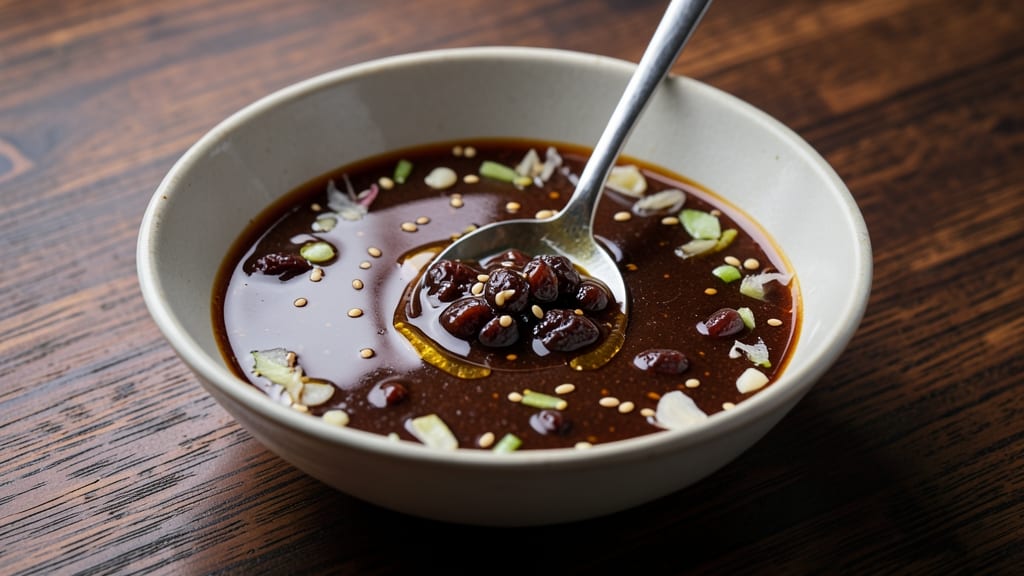
This Asian hoisin sauce recipe transforms simple pantry staples into a rich, aromatic glaze that elevates dumplings, stir-fries, and grilled meats with its perfect balance of sweetness and umami. The secret lies in slow-simmering fermented soybeans, garlic, and vinegar to develop deep, complex flavors—no shortcuts here.
I’ve perfected this version to stay true to traditional taste while adapting for modern kitchens with minimal fuss.
The sauce begins with a thick paste of toasted soybeans, garlic, and ginger, which builds the foundation for its signature thickness and savory depth. A touch of vinegar brightens the mix, while sugar caramelizes during simmering to create that signature sweet-savory harmony.
Unlike store-bought versions, this homemade glaze delivers a smoother texture and more vibrant flavor—ideal for glazing meats, dipping spring rolls, or drizzling over noodles.
What makes this recipe stand out is its versatility: use it as a marinade, stir-fry sauce, or dipping sauce, and it transforms every dish. The process is straightforward—simmer, blend, and reduce—but the result is restaurant-quality, with layers of flavor that keep improving as it sits.
Whether you’re cooking for a crowd or meal prepping, this sauce will become your go-to for adding that authentic Asian touch.
For dietary adjustments, simply swap soybeans for vegetarian hoisin or coconut aminos to keep the umami without animal products. The technique remains the same, ensuring the same rich results. Let’s get started—your taste buds will thank you.
Ingredients for asian hoisin sauce
Nine simple ingredients unlock restaurant-quality hoisin sauce with rich, caramelized sweetness and deep umami.
| Ingredient | Amount | Notes |
|---|---|---|
| Fermented Soybeans (Douchi) 🌱 | ½ cup | Toasted for deep umami flavor |
| Garlic Cloves 🧄 | 6 whole | Minced for aromatic foundation |
| Fresh Ginger 🌿 | 2 tbsp | Grated, for zesty brightness |
| Rice Vinegar 🍶 | ¼ cup | White or seasoned variety |
| Dark Soy Sauce 🥄 | ¼ cup | For rich, salty depth |
| Granulated Sugar 🍬 | ¼ cup | Brown sugar for caramel notes |
| Sesame Oil 🫒 | 1 tbsp | Toasted for nutty aroma |
| Water 💧 | ½ cup | For thinning and simmering |
| Cornstarch 🌾 | 1 tbsp | Slurry for thickening |
| Star Anise 🌟 | 1 whole | Optional, for aromatic depth |
Fermented soybeans are the heart of this sauce—look for douchi at Asian markets or use vegetarian hoisin if unavailable. Toast them lightly in a dry pan before blending to deepen their nutty flavor. Fresh garlic and ginger should be vibrant and firm, with no soft spots. The rice vinegar adds brightness, so use white vinegar if seasoned isn't available. For the dark soy sauce, Kikkoman or Lee Kum Kee brands deliver consistent depth. Star anise is optional but adds a subtle licorice note that elevates the sauce—remove before blending if using.
No fermented soybeans? Substitute 0.25 cup vegetarian hoisin or coconut aminos for umami, though texture will differ slightly. Swap brown sugar for white if needed, but the caramelization won’t be as rich. Sesame oil must be toasted—heat it gently in a pan until fragrant, then cool before adding. For a smoother sauce, blend the toasted soybeans with water first to create a paste. The cornstarch slurry is key for that signature glossy finish—mix it thoroughly with cold water to avoid clumps. If you’re short on time, reduce the simmering time by 10 minutes, but flavor will develop more over time.
This sauce tastes even better the next day as flavors meld. Store in an airtight jar in the fridge for up to 2 weeks, or freeze in ice cube trays for 3 months. The cornstarch helps it reheat smoothly—just warm gently on the stove. Use it to glaze meats, dip spring rolls, or stir into noodles. For extra richness, drizzle with a little more sesame oil before serving. The sauce thickens as it cools, so thin with water or vinegar if needed.
Why You'll Love This Recipe
- Five-Ingredient Magic: I swear, this sauce comes together with just a handful of things—no fancy pantry tours or last-minute grocery runs. The fermented soybeans (douchi) add that funky depth with zero effort, and the garlic-ginger combo? You’ll have it minced in three minutes flat.
- Umami Bomb: That dark soy sauce and douchi? Pure flavor payday. It’s salty, sweet, and a little funky—like a hug for your taste buds. Honestly, I’ve drizzled this over everything, and it never lets me down.
- Pantry Powerhouse: Need a quick weeknight fix or a last-minute appetizer? This sauce turns rice, noodles, or even grilled chicken into a showstopper. I keep a jar in the fridge because it’s my go-to for lazy nights and unexpected guests.
- Budget-Friendly Staple: Between us, this recipe costs pennies but tastes like a fancy takeout order. The douchi might look intimidating, but it’s cheaper than most spices and lasts forever. Plus, a little goes a long way—so your wallet and your leftovers both win.
Step-by-step instructions for sweet-savory hoisin glaze
Here's how to craft a homemade hoisin sauce that rivals store-bought versions.
Toast the Fermented Soybeans and Aromatics
In a dry skillet over medium heat, toast the 0.5 cup fermented soybeans (Douchi) for 3-4 minutes until they develop a nutty aroma and deepen in color. This step unlocks their umami potential—don't rush it or they'll burn. While they toast, peel and finely mince the 6 whole garlic cloves and grate the 2 tbsp fresh ginger using a microplane.
Remove the Douchi from heat and transfer to a bowl. Add the minced garlic and grated ginger, then set aside. The combination of toasted Douchi, garlic, and ginger forms the aromatic foundation of your sauce. I like to press the garlic and ginger into the Douchi with a spoon to ensure even distribution and maximum flavor extraction.
Build the Sauce Base with Vinegar and Soy
In the same skillet (no need to clean it—the toasted bits add depth), add 0.25 cup rice vinegar and 0.25 cup dark soy sauce over medium heat. Let it simmer for 2-3 minutes until slightly reduced and fragrant. You'll notice the vinegar sharpens while the dark soy sauce deepens in color—this is when the flavors start melding.
Add the toasted Douchi-garlic-ginger mixture to the skillet and stir vigorously for 1 minute. The Douchi will begin to break down slightly, releasing its fermented essence. This is where the magic happens—the combination of vinegar's acidity, soy's saltiness, and Douchi's funk creates a complex flavor profile that's the heart of authentic hoisin.
Sweeten and Simmer with Star Anise
Stir in the 0.25 cup granulated sugar and 1 whole star anise (if using). Add 0.5 cup water and bring to a gentle boil over medium-high heat. Once boiling, reduce heat to low and let it simmer uncovered for 10-12 minutes until slightly thickened. You'll see the sugar begin to caramelize slightly at the edges—that's exactly what you want for that signature hoisin sweetness.
Real talk: If the mixture becomes too thick before the 10-minute mark, add 1-2 tablespoons water to maintain proper consistency. The star anise will infuse subtle anise notes—remove it before proceeding if you prefer a cleaner flavor. Taste the sauce now; it should balance sweet, salty, and umami with bright acidity.
Thicken with Cornstarch Slurry
In a small bowl, whisk together the 1 tbsp cornstarch with 2 tablespoons cold water until completely dissolved. This creates your thickening slurry. Return the sauce to a gentle simmer and slowly pour in the cornstarch mixture while whisking continuously for 1-2 minutes until the sauce reaches your desired consistency—it should coat the back of a spoon but still be pourable.
I like to test the consistency by dripping a small amount onto a plate. It should form a glossy, slightly viscous line that doesn't immediately disperse. If it's too thick, add another 1 teaspoon water at a time until perfect. The sauce should now have that signature hoisin sheen and body.
Finish with Sesame Oil and Rest
Remove the sauce from heat and stir in the 1 tbsp sesame oil. This final step adds nutty depth and aromatic complexity. Let the sauce cool completely at room temperature—this allows all the flavors to fully meld. I find that resting for at least 30 minutes (or up to 2 hours in the refrigerator) makes a noticeable difference in flavor development.
Once cooled, taste and adjust seasoning if needed. You might want to add a touch more sugar for sweetness or dark soy sauce for saltiness. The perfect hoisin should balance all elements—sweet, salty, umami, and aromatic—with a velvety texture. Store in an airtight container in the refrigerator for up to 2 weeks, or freeze for longer storage.
Pro Tips For Making Asian Hoisin Sauce
- CRUSH THE DOUCHI: Soak fermented soybeans (douchi) in warm water for 10 minutes first—this softens their tough texture and prevents them from turning your sauce into a gritty mess. (I learned this after choking on a chunk mid-slurp.)
- MINCE GINGER SMALL: Use a sharp knife and cut ginger into tiny, almost paste-like pieces—no bigger than 2mm. This ensures it dissolves completely and adds depth without texture. (Yes, it takes a few extra minutes, but the sauce will taste like it came from a dim sum cart.)
- LOW AND SLOW: Simmer the sauce on the lowest heat setting after adding dark soy sauce—boiling burns the color and turns it bitter. A gentle bubble is all you need to blend flavors without ruining the rich hue.
- SALT TEST FIRST: Taste the rice vinegar before adding it to the pot—some brands are shockingly salty. Adjust with a pinch of sugar or extra vinegar to balance acidity. (I’ve ruined batches by assuming "vinegar" means "neutral," but it’s not always true.)
Common mistakes when making this dish
Skipping the Toast
One of the biggest mistakes is skipping the toast step for fermented soybeans (Douchi). Toasting them for 3-4 minutes over medium heat unlocks their deep, nutty umami flavor—without it, your sauce will taste flat and underdeveloped.
I’ve seen beginners rush this step or even skip it entirely, thinking it’s optional. Trust me, those toasted bits are flavor gold. 🌱
Over-Simmering the Sauce
Pushing the simmer beyond 10-12 minutes can turn your sauce bitter or overly thick. The sugar needs time to caramelize, but excessive heat breaks down the delicate balance of flavors.
I’ve had sauces turn almost syrupy and lose their bright acidity. Keep an eye on it—if it starts sticking to the pan, you’ve gone too far.
Ignoring the Cornstarch Slurry
Many home cooks try to thicken hoisin sauce by simply adding more cornstarch directly to the pot, which creates clumps and ruins the smooth texture. Always whisk cornstarch with cold water first to create a slurry.
Pour it in slowly while whisking continuously to avoid lumps. I’ve had sauces turn grainy because of this exact mistake—don’t let it happen to you! 💧
Using the Wrong Vinegar
Substituting balsamic or apple cider vinegar for rice vinegar changes the sauce’s brightness and balance. Rice vinegar’s mild acidity is key to hoisin’s signature tang. If you’re out of rice vinegar, white vinegar works in a pinch, but seasoned vinegars add unwanted sweetness or spice.
Taste as you go—adjust with a splash of vinegar if needed.
Not Resting the Sauce
Rushing to use the sauce right after cooking means missing out on flavor development. Letting it rest for 30 minutes to 2 hours allows the ingredients to meld and the texture to set properly.
I’ve had sauces taste disjointed when used immediately—patience pays off here. Store it in an airtight container in the fridge until ready to use.
Overlooking Star Anise
While optional, star anise adds subtle depth to the sauce. If you use it, remove it before blending—leaving it in can make the sauce bitter. I’ve had beginners forget to strain it, ruining an otherwise perfect batch.
If you’re new to star anise, start with just ½ a pod to test the flavor. 🌟
Nutrition facts
Frequently asked questions
Can I make hoisin sauce without fermented soybeans (Douchi)?
Yes! Use 0.25 cup vegetarian hoisin or coconut aminos as a substitute for the umami depth. The texture will be slightly different but still delicious. For extra richness, add 1 tbsp miso paste to the simmering mixture. The key is balancing sweetness and saltiness—taste as you go and adjust with sugar or soy sauce.
How do I know when the sauce is thick enough?
Test by dripping a small amount onto a plate—it should form a glossy line that doesn’t immediately disperse. If it’s too thin, simmer for 1-2 more minutes or add 1 tsp cornstarch slurry. If too thick, thin with 1 tsp water or vinegar. The perfect consistency coats the back of a spoon but remains pourable.
Can I use this sauce as a marinade?
Hoisin sauce makes an excellent marinade for meats like chicken or pork. Use 0.25 cup sauce per pound of meat, marinate for 30 minutes to 2 hours, and grill or sear for best results. The sugar in the sauce helps create a caramelized crust. For extra tenderness, add 1 tbsp honey to the marinade.
Why does my homemade hoisin taste different from store-bought?
Homemade hoisin has fresher, more vibrant flavors since it’s made with real ingredients. Store-bought versions often contain preservatives and artificial flavors. The texture may also differ—homemade sauce thickens naturally, while commercial brands use additives. Give it time to rest; flavors deepen overnight in the fridge.
How can I make this recipe vegan?
Swap fermented soybeans for 0.25 cup vegetarian hoisin or coconut aminos, and use vegan dark soy sauce (check labels for fish-based additives). Ensure your sesame oil is vegan-certified. The process remains identical—simmer, blend, and thicken as directed. The result will be just as rich and flavorful!