
Sauces & Condiments
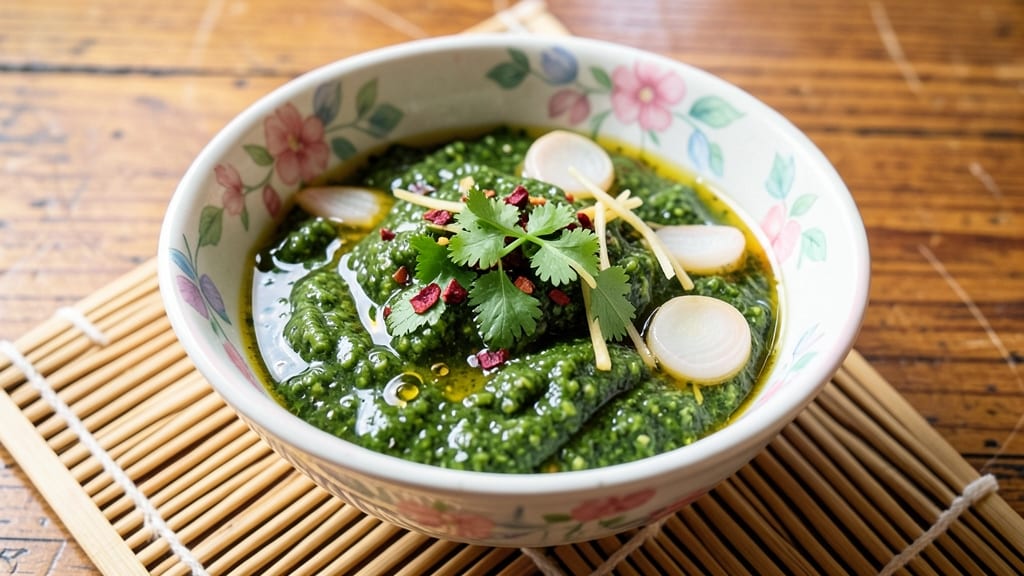
This Asian chimichurri sauce recipe transforms traditional chimichurri into a vibrant, herb-packed condiment with bold Asian influences—perfect for stir-fries, grilled meats, or even tofu. The tangy vinegar base blends with fresh cilantro, garlic, and ginger, creating a sauce that’s both refreshing and deeply flavorful.
Unlike its Latin cousin, this version incorporates sesame oil and chili for a complex, umami-rich profile that elevates any dish it touches.
The beauty of this sauce lies in its versatility and simplicity. With just 8 core ingredients, it comes together in 10 minutes—no cooking required—yet delivers restaurant-quality depth. The herbs stay bright when stored properly, making it ideal for meal prep.
Whether drizzled over seared scallops, tossed with noodles, or served alongside grilled chicken, it adds a bright, herby zing that cuts through richness.
What sets this recipe apart is the balance of textures and flavors: the crunch of toasted sesame seeds, the heat of chili flakes, and the freshness of cilantro all harmonize in every bite.
The sauce keeps well in the fridge for up to 5 days, with flavors intensifying over time—perfect for batch cooking. For extra staying power, add a splash of rice vinegar to preserve freshness.
Pair it with grilled shrimp, stir-fried vegetables, or even as a dipping sauce for spring rolls. The adaptability makes it a weeknight staple—ready in minutes but packed with global-inspired flavor. Let’s make this sauce your new go-to condiment.
Ingredients for asian chimichurri sauce
Eight vibrant ingredients transform into this restaurant-quality Asian chimichurri sauce.
| Ingredient | Amount | Notes |
|---|---|---|
| Fresh Cilantro Leaves 🌿 | 1 ½ cups | Stems removed, tightly packed |
| Garlic Cloves 🧄 | 6 cloves | Peeled, roughly chopped |
| Fresh Ginger Root 🌿 | 1 tbsp | Finely grated, organic preferred |
| Rice Vinegar 💧 | ½ cup | Unseasoned, mild acidity |
| Toasted Sesame Oil 🫒 | 2 tbsp | High-quality, nutty aroma |
| Red Chili Flakes 🌶️ | 1 tbsp | Adjust for heat preference |
| Toasted Sesame Seeds 🥜 | 2 tbsp | Lightly toasted for crunch |
| Diamond Crystal Kosher Salt 🧂 | 1 tsp | Fine grain preferred |
The cilantro is non-negotiable—farmers market bunches have the brightest flavor, but grocery store cilantro works if it's fresh (no wilted stems). For ginger, organic is ideal—it’s easier to peel and more aromatic. Garlic should be firm and free of sprouts; Costco or Trader Joe's often carry pre-peeled cloves for convenience. Rice vinegar’s acidity balances the herbs, so Kikkoman or Marukan brands deliver consistent results. Toast your sesame seeds in a dry pan for 30 seconds until fragrant—this amplifies their nutty depth.
No fresh cilantro? Coriander seeds (toasted and ground) at half the amount mimics the earthy notes. Substitute ginger with 1 tsp ground ginger, though fresh is preferable. For heat, gochugaru or cayenne can replace chili flakes—adjust to taste. Sesame oil shortages? Avocado or peanut oil work in a pinch, though they lack the signature aroma. The salt enhances all flavors, so Diamond Crystal (which measures differently than Morton) ensures perfect balance. Store vinegar in a cool, dark place to preserve its acidity.
This sauce thrives in the fridge for 5-7 days when stored in an airtight container with a thin layer of sesame oil on top to preserve freshness. For longer storage, freeze in ice cube trays—thaw and whisk back to original texture. The flavors deepen over time, making it perfect for batch prep. Use within 3 months frozen. Garnish with extra sesame seeds or chili flakes before serving to highlight its vibrant textures.
Why You'll Love This Recipe
- No Pulse Required: I swear by this sauce because it’s the rare recipe where chopping is optional. The cilantro and garlic go through a quick pulse—maybe 10 seconds max—then you’re done. No mincing, no stress, and the texture stays bright and chunky, not mushy.
- Bright & Lingering: That ginger and sesame oil combo is where the magic happens. It’s zesty but not overpowering, with this little kick that lingers just enough to make every bite of noodles, grilled meat, or even scrambled eggs feel like a tiny celebration.
- Weeknight to Party: Honestly, this sauce works for everything. Drizzle it over takeout stir-fry when you’re too tired to cook, toss it with cold soba for a quick lunch, or use it as a dip for spring rolls at your next game night. No one will guess it took five minutes to make.
- Pantry Stash Winner: Between us, this is my go-to when I’m low on fresh herbs or short on time. The rice vinegar keeps it fresh for days in the fridge, and a splash of sesame oil in the morning wakes it up like new. Plus, the ingredients? Cheap, easy to find, and you’ll use them up before they spoil.
Step-by-step instructions for Asian chimichurri sauce
This vibrant sauce combines fresh herbs with bold Asian flavors for a perfect pairing with grilled meats and stir-fries.
Prepare the Herb and Aromatic Base
In a food processor fitted with the metal blade, combine the 1.5 cups fresh cilantro leaves and 6 cloves garlic cloves. Pulse until the mixture resembles coarse sand, about 5-6 pulses. This texture ensures the sauce maintains its vibrant color while still delivering intense flavor. Avoid over-processing, which can turn the cilantro into a paste.
Add the 1 tbsp finely grated fresh ginger root to the food processor and pulse once more to distribute evenly. The ginger provides a subtle heat that complements the bright acidity of the vinegar. If using a mortar and pestle instead, crush the garlic and ginger first before combining with the cilantro to maximize flavor extraction.
Blend with Vinegar and Oil
With the food processor running, slowly drizzle in the 0.5 cup rice vinegar through the feed tube. This gradual addition prevents splattering and allows the vinegar to emulsify smoothly with the herb mixture. Continue processing until the vinegar is fully incorporated and the mixture resembles a thick paste, about 1-2 minutes total. The sauce should be bright green with a smooth, cohesive texture.
Add the 2 tbsp toasted sesame oil and pulse once more to combine. The sesame oil carries the nutty depth that distinguishes this Asian chimichurri from its Latin American counterpart. Taste the mixture at this stage—you should detect the freshness of the cilantro, the sharpness of the garlic, and the subtle warmth of the ginger, all balanced by the vinegar's acidity.
Incorporate Heat and Texture
Transfer the herb-vinegar mixture to a mixing bowl. Stir in the 1 tbsp red chili flakes and 2 tbsp toasted sesame seeds using a silicone spatula. The chili flakes add layers of heat that build gradually, while the sesame seeds contribute both texture and aromatic complexity. For a smoother sauce, pulse the sesame seeds briefly in the food processor before adding, but I prefer the slight crunch they provide.
Add the 1 tsp diamond crystal kosher salt and mix thoroughly. The salt enhances all the flavors, drawing them together into a cohesive whole. At this point, the sauce should be vibrant, slightly coarse, and balanced in heat. Taste again and adjust the salt or chili flakes as needed—this sauce should be bold but not overpowering.
Rest and Refine the Sauce
Cover the bowl with plastic wrap and let the sauce rest at room temperature for at least 30 minutes, or refrigerate for up to 2 hours if preparing ahead. This resting period allows the flavors to meld and the texture to stabilize. The sauce will thicken slightly as it sits, which is ideal for drizzling or tossing.
Before using, give the sauce a final stir. The resting time also mellows the raw garlic and ginger flavors, resulting in a more refined taste. This sauce keeps well in an airtight container in the refrigerator for up to 5 days, making it perfect for batch preparation. The flavors actually improve over time as the ingredients continue to marry.
Pro Tips For Making Asian Chimichurri Sauce
- Pulse, Don’t Chop: The second you start chopping cilantro with a knife, you’ll lose half its flavor to bitterness. Use a food processor or mortar and pestle—just pulse cilantro stems and leaves together until it’s finely textured, not pureed. I learned this the hard way when my sauce tasted like grass.
- Toast Ginger First: Skip the raw ginger if you want depth. Lightly toast thin slices in a dry pan over medium heat until fragrant (about 2 minutes), then cool before grinding. It adds a warm, almost caramelized note that cuts through the vinegar’s sharpness—trust me, it’s worth the extra minute.
- Balance Vinegar Last: Add rice vinegar gradually, tasting as you go. Too much upfront, and you’ll regret it. Start with half the recipe’s amount, let it sit 10 minutes, then adjust. The sauce should brighten, not overwhelm—think of it as seasoning, not drowning.
- Use Cold Sesame Oil: Pour toasted sesame oil into the sauce after everything else is mixed, then swirl it in. Hot oil burns garlic and mutes ginger. Cold oil preserves the nutty aroma and lets it bloom when you drizzle it over dishes. (Yes, it’s weird, but it works.)
Make-ahead tips for this recipe
Prep Ahead Like a Pro
Make this sauce 2 days in advance for maximum flavor development. I store mine in a glass mason jar with a tight-sealing lid, filled to the top to minimize air exposure. The herbs stay vibrant longer this way, and the flavors meld beautifully over time—almost like a fine wine.
Just give it a good stir before using, and you’ll notice the garlic and ginger flavors have softened into something more complex. 💫
Freezing for Later Use
For long-term storage, divide the sauce into ice cube trays and freeze. Once solid, transfer the cubes to a freezer-safe bag with all the air squeezed out. Thaw overnight in the fridge, then whisk vigorously to restore texture.
The sauce loses some of its fresh crunch but still delivers bold flavor—perfect for busy weeknights. I’ve kept it frozen for up to 3 months without noticeable quality loss.
Preserving Freshness
If you’re prepping for a big meal, add an extra ½ teaspoon of rice vinegar to the stored sauce. This extra acidity helps preserve the herbs and prevents browning.
I also recommend keeping a small jar of sesame oil in your pantry—drizzle just ½ teaspoon over the top before sealing to create a protective layer. This trick keeps the sauce fresh for up to 7 days in the fridge. ✨
Batch Cooking Tips
Double or triple the recipe for meal prep—this sauce is versatile enough to handle bulk quantities. Store in airtight glass containers (I love Le Parfait jars) and label with the date.
The sauce thickens slightly when refrigerated, so add a splash of water or vinegar when reheating to loosen it up. I’ve prepped a full week’s worth and used it on everything from stir-fries to grilled fish. 🌟
Reviving Stale Sauce
If your sauce has lost some vibrancy, don’t toss it! Add 1 tablespoon of fresh lime juice and 1 teaspoon of toasted sesame oil to perk it up. The acidity cuts through any dullness, and the sesame oil restores richness.
I’ve saved sauces that were 4 days old this way—just give it a quick whisk and it’s like new again. This trick works especially well if you’ve stored the sauce without the protective oil layer. 🔥
Nutrition facts
Frequently asked questions
Can I make this Asian chimichurri sauce without sesame oil?
Yes! While sesame oil adds depth, substitute with 2 tbsp avocado oil or peanut oil for a similar texture. For flavor, add ½ tsp toasted sesame paste (like tahini) to mimic the nutty aroma. The sauce will still taste bright and herby, just with a slightly different profile.
How spicy should this sauce be?
The 1 tbsp chili flakes provides mild heat, but adjust to taste. For more kick, add ½ tsp cayenne or gochugaru. If you prefer no heat, omit it entirely—this sauce still shines with just the herbs and vinegar. The ginger and garlic already add warmth without spice.
What’s the best way to use leftover sauce?
Drizzle over grilled fish, noodles, or tofu skewers for instant flavor. Thin with 1 tbsp water or vinegar if too thick for dipping. It also works as a marinade—coat chicken or shrimp for 15-20 minutes before cooking. The herbs release more flavor when heated.
Can I substitute cilantro with another herb?
For a similar texture, use 1 cup parsley + ½ cup basil. Avoid mint or dill—they overpower the sauce’s balance. If you dislike cilantro, try coriander seeds (toasted and ground) at half the amount, but the flavor will be more earthy. Freshness is key—wilted herbs dull the sauce.
Why does my sauce separate?
This happens when oil and vinegar aren’t fully emulsified. Pulse the ingredients longer or whisk vigorously before resting. If it separates later, stir in 1 tsp cornstarch mixed with 1 tsp water to thicken. Always store it in an airtight container to prevent separation. The sauce should stay cohesive for 5 days in the fridge.