
Sauces & Condiments
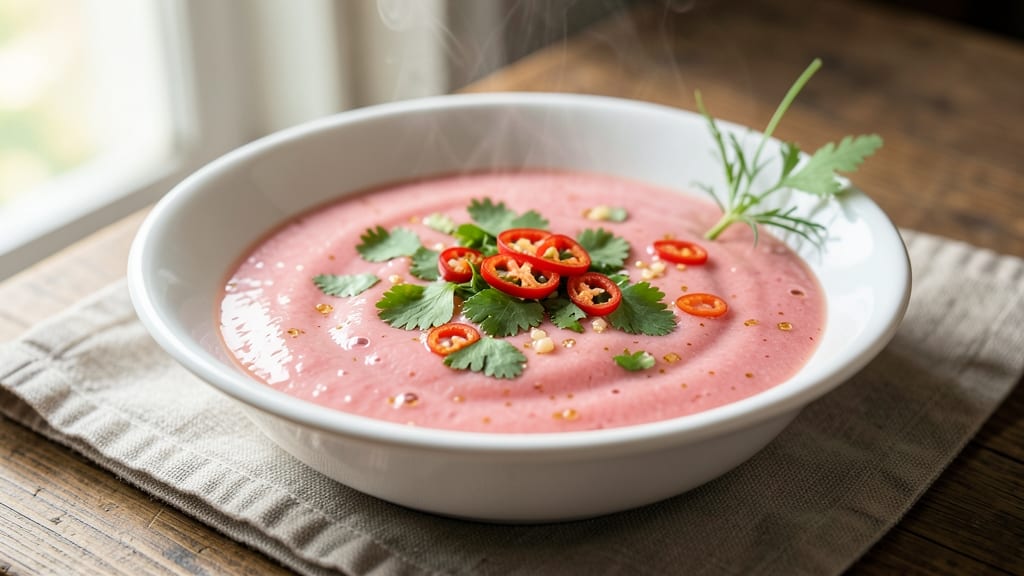
This Asian pink sauce recipe transforms simple pantry staples into a vibrant, sweet-tangy glaze that elevates stir-fries, marinades, and dipping sauces. The balance of fish sauce, vinegar, and sugar creates that signature umami depth with a bright, slightly sweet finish—exactly what makes it a pantry essential.
Professional chefs rely on this sauce for its versatility, and you can too with just 10 minutes of prep.
The secret lies in the flavor harmony: fish sauce provides the signature umami, while vinegar cuts through the richness, and sugar rounds out the acidity. Fresh garlic, chili, and cilantro add aromatic layers that make this sauce taste homemade, not bottled.
What sets this recipe apart is its adaptability—use it as a dipping sauce for spring rolls, a marinade for grilled meats, or a glaze for stir-fried vegetables.
What you’ll achieve is a sauce that’s bright, balanced, and restaurant-quality, with a shelf life of up to 2 weeks in the fridge. The ingredients are simple—fish sauce, rice vinegar, sugar, garlic, chili, and cilantro—but the flavor impact is undeniable.
No special equipment is needed, just a bowl and a whisk, making this the perfect sauce to keep on hand for quick meals.
Once you taste this homemade version, store-bought pink sauce won’t compare. The fresh herbs and careful balance of flavors make all the difference, ensuring every bite is packed with depth. Let’s make this versatile sauce that will become a staple in your cooking routine.
Ingredients for asian pink sauce
Nine simple ingredients transform into restaurant-quality pink sauce for your stir-fry fix.
| Ingredient | Amount | Notes |
|---|---|---|
| Fish Sauce 🍶 | ½ cup | Red Boat preferred for quality |
| Rice Vinegar 🍶 | ⅓ cup | White or seasoned variety |
| Granulated Sugar 🍚 | ⅓ cup | White or brown sugar |
| Garlic Cloves 🧄 | 6 cloves | Fresh, minced finely |
| Fresh Red Chili 🌶️ | 2 whole | Thinly sliced or minced |
| Fresh Cilantro 🌿 | ¼ cup | Stems removed, chopped |
| Lime Juice 🍋 | 2 tbsp | Freshly squeezed |
| Water 💧 | ¼ cup | Room temperature |
| Salt 🧂 | 1 tsp | Kosher or sea salt |
The fish sauce is the flavor anchor here—Red Boat is my go-to because it's clean and potent, but any good brand works. Grab the rice vinegar from the Asian aisle—it's brighter than regular white vinegar. Sugar is where you can play: white for classic sweetness or brown for subtle depth. Fresh garlic and chili are non-negotiable for that authentic kick. Trader Joe's often has pre-minced garlic in tubes, which saves time if you're in a rush. For chili, Thai bird's eye peppers pack the most heat, but serrano or jalapeño work too if that's what you've got.
No fish sauce? Soy sauce plus a splash of oyster sauce gets you close, though the umami won't be identical. Skip the rice vinegar? Apple cider vinegar or lemon juice works in a pinch, but the flavor profile shifts slightly. Brown sugar out of stock? Honey or maple syrup at the same amount adds moisture too. Fresh cilantro? Dried cilantro or oregano at half the amount saves the day, though texture suffers. The lime juice can be swapped for more vinegar if you're out, but fresh is ideal for that bright finish.
This sauce keeps beautifully—2 weeks in the fridge sealed in a jar. For longer storage, freeze in ice cube trays and transfer to a bag. Double the batch if you're using it often—I always do. The flavors meld even better after sitting overnight, so making it ahead is a game-changer. Just give it a quick whisk before using. Leftovers? Perfect for quick dipping sauces or marinades—no waste here.
Why You'll Love This Recipe
- Five-Ingredient Magic: I swear by this—just fish sauce, vinegar, sugar, garlic, and chili. That’s it. No fancy pantry trips, no stressing over ratios. Honestly, I’ve made it blindfolded (okay, maybe not, but you get the point).
- Umami Bomb: The fish sauce and garlic hit like a flavor grenade—savory, bright, with just enough heat to linger. Between us, that first spoonful makes me pause and think, "Why don’t I do this more often?" The sugar cuts the acidity, and the chili? Just enough kick to keep things interesting.
- Dresses Anything: Slather it on grilled chicken, toss it with noodles, or drizzle it over a simple salad. I’ve even used it as a marinade for tofu (game-changer for lazy nights). It’s the kind of sauce that turns "meh" into "wait, why didn’t I think of this sooner?"
- Leftovers That Don’t Suck: Unlike some sauces that turn gloopy or lose their zip, this stays fresh for days in the fridge. I’ve had it last a week—yes, really—and it’s still bold, not bland. Plus, it’s cheap enough that I don’t feel guilty making extra. Budget win.
Step-by-step instructions for Asian pink sauce
Here's how to make this vibrant, flavor-packed sauce that's perfect for stir-fries, dipping, or glaze.
Minced Garlic and Chili for Bold Flavor
Start by finely mincing the 6 cloves garlic and thinly slicing the 2 whole fresh red chili. I like to use a sharp chef's knife for this—it gives me better control than a garlic press. The garlic should be as finely minced as possible so it dissolves completely into the sauce. For the chili, I remove the seeds if I want less heat, but I leave them in for a spicier kick.
Heat a small skillet over medium-low heat and add a thin layer of oil—just enough to coat the pan. Add the garlic and chili, stirring constantly for 2-3 minutes until the garlic becomes fragrant and just starts to turn golden. Don't let it brown or it'll turn bitter. Once fragrant, transfer this aromatic mixture to a small saucepan and set aside.
Simmer the Base Ingredients
In the same saucepan, combine the 0.5 cup fish sauce, 0.33 cup rice vinegar, and 0.33 cup granulated sugar. Stir well to dissolve the sugar completely—this is your sauce foundation. Bring the mixture to a gentle simmer over medium heat, then reduce heat to low and let it cook uncovered for 5 minutes. You'll see the liquid start to thicken slightly as the flavors meld together.
This is where the magic happens—the fish sauce adds that signature umami depth, the vinegar brings tanginess, and the sugar balances everything with sweetness. I like to taste at this stage to check the flavor balance. If it's too salty, I'll add a splash of water later. If it's too sweet, I might add a tiny bit more vinegar.
Add Lime and Water for Perfect Consistency
Now it's time to add the 2 tablespoons lime juice and 0.25 cup water. Stir well to combine, then return the sauce to a simmer. Let it cook for another 3-4 minutes until it reaches your desired consistency—it should coat the back of a spoon but still be pourable. If it's too thick, add more water 1 tablespoon at a time. If it's too thin, simmer uncovered for another minute or two to reduce.
Here's the thing—this sauce should be vibrant pink, not murky. The lime juice brightens the color and adds that fresh, zesty note that balances all the other flavors. I like to taste again at this stage to make sure the acidity is perfect. If it needs more tang, add a bit more lime. If it needs more depth, add a tiny splash of fish sauce.
Finish with Cilantro and Season to Perfection
Remove the sauce from heat and stir in the 0.25 cup chopped fresh cilantro and 1 teaspoon salt. The cilantro adds freshness and a pop of color, while the salt rounds out all the flavors. Let the sauce sit for 5 minutes to let all the flavors meld together completely. This resting time makes a big difference in how balanced and cohesive the sauce tastes.
Taste again and adjust seasoning if needed. I usually need to add a tiny bit more sugar or vinegar at this stage to perfect the balance. Once you're happy with the flavor, transfer the sauce to a clean jar or container. It'll keep in the refrigerator for up to 1 week, making it perfect for meal prep. Use it as a dipping sauce, stir-fry glaze, or marinade for grilled meats.
Pro Tips For Making Asian Pink Sauce
- Bloom the Garlic First: Toss those minced garlic cloves into the pan before turning on the heat—just let them sit for 30 seconds. I used to burn the garlic every time until I realized waiting lets the oils release gently, so you get fragrant, golden bits instead of bitter smoke. (And yes, even if you’re impatient like me.)
- Balance the Fish Sauce: Taste the fish sauce before adding anything else—it’s stronger than you think. Start with half the recipe’s amount, then adjust. I learned this the hard way when my first batch tasted like a fish tank instead of a sauce. The sugar and vinegar will mellow it out, but you need a baseline.
- Strain the Chili Properly: Don’t just chop and toss the chili—seed it first, then give it a quick pulse in the food processor. The seeds pack heat, and you want control, not a mouth on fire. (Trust me, I’ve served this to guests who needed milk after my first attempt.)
- Simmer Not Boil: Keep the heat low once everything’s combined—just enough to see tiny bubbles at the edges. Boiling turns the sauce cloudy and dulls the flavors. Think "gentle whisper" of heat, not a shout. My grandmother swore by this, and she was right: patience here makes all the difference.
Make-ahead tips for this asian pink sauce
Double the Batch
I always make double the recipe when prepping for the week—this sauce is too versatile to waste. Store it in two 16-ounce glass jars with tight-sealing lids. The extra lets me use it for stir-fries, dipping sauces, and marinades without constantly remaking it.
Plus, the flavors deepen when stored overnight, making the second batch even better. 💛
Freezer Prep
For long-term storage, freeze the sauce in ice cube trays. Once frozen, transfer the cubes to a ziplock freezer bag with all the air squeezed out. This way, you can grab just what you need for a quick meal without thawing the whole batch.
The cubes thaw in 5 minutes in warm water or right in the fridge overnight. Label with the date—it keeps for up to 3 months without losing quality.
Flavor Boosting
Make the sauce 24 hours ahead if you can—this gives the flavors time to marry beautifully. If you're short on time, add 1 teaspoon of honey to the hot mixture during simmering for extra depth.
I also like to add 1 crushed garlic clove or ½ teaspoon of grated ginger while simmering for an aromatic kick. The extra prep time is worth it for that restaurant-quality taste. ✨
Portion Control
Divide the sauce into small 4-ounce containers for easy single-use portions. This works perfectly for meal prep—just grab one container for stir-fry nights or dipping sauces. I keep these in the fridge for up to 1 week or freeze them for longer storage.
The smaller containers also make it easier to track usage and prevent waste.
Sauce Refresh
If your stored sauce loses some vibrancy, revive it by adding 1 teaspoon of lime juice and ½ teaspoon of fish sauce. Stir well and let it sit for 10 minutes before using. This trick works wonders for bringing back that bright pink color and tangy flavor.
I do this with leftover sauce from the week before, and it tastes almost as fresh as the day I made it. 🌟
Equipment Essentials
All you need is a small saucepan, a whisk, and a fine-mesh strainer (optional). For convenience, I use a immersion blender to blend the sauce if I prefer it smoother. If you don’t have one, just whisk vigorously and let it sit for 5 minutes to settle.
A glass jar with a lid is perfect for storage—it keeps the sauce fresh and makes it easy to shake before use. 🔥
Nutrition facts
Frequently asked questions
What makes this pink sauce different from store-bought versions?
This homemade version uses fresh garlic, chili, and cilantro instead of dried spices, giving it a brighter, more vibrant flavor. The balance of fish sauce, rice vinegar, and sugar is carefully adjusted for authentic depth, while store-bought sauces often contain preservatives and artificial colors. The fresh lime juice also keeps it tangy, unlike many bottled versions that can taste flat.
Can I make this sauce without fish sauce?
Yes! Substitute with soy sauce plus 1 teaspoon oyster sauce for a similar umami profile. For a vegetarian option, use 1 tablespoon coconut aminos plus ½ teaspoon mushroom powder—though the flavor will differ slightly. The key is adjusting the saltiness afterward. Taste as you go!
How spicy should the sauce be?
The recipe uses 2 fresh red chilies for mild heat—remove seeds for less spice. For extra kick, add 1 Thai chili (seeds in) or ½ teaspoon chili flakes. Adjust to taste: simmer the sauce longer to mellow the heat or add more lime juice to brighten it.
What’s the best way to use leftover pink sauce?
Try it as a marinade for shrimp or chicken, a glaze for grilled veggies, or a dipping sauce for spring rolls. It also works as a quick stir-fry sauce—just toss with your favorite proteins and veggies. For extra flavor, add a splash of the sauce to ramen or noodle dishes at the end.
Why did my sauce turn murky instead of bright pink?
Murky color usually means the sauce simmered too long or used old ingredients. For vibrant pink, simmer only 8-10 minutes total and use fresh lime juice. If it’s already murky, add 1 teaspoon lime juice and ½ teaspoon sugar to revive the color. Avoid metal spoons while simmering—they can react with acids and dull the color.