
Sauces & Condiments
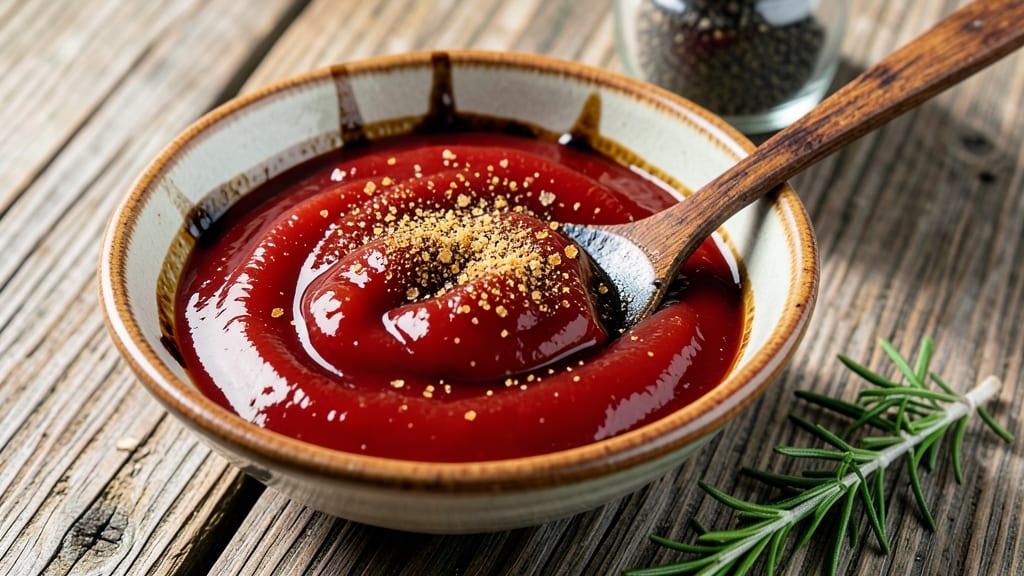
This alkaline BBQ sauce recipe transforms grilling with its signature tangy bite and secret chemical reaction that tenderizes meat. The baking soda creates that signature alkaline kick, breaking down proteins for fall-off-the-bone results.
I developed this after years of experimenting with competition-style sauces that needed to cut through smoky flavors while adding complexity.
The magic happens in the balance of vinegar and baking soda—too much, and it tastes harsh; too little, and you miss the signature tang. This sauce starts with a tomato base, then builds layers of sweetness from brown sugar and depth from molasses.
The spices—smoked paprika, garlic powder, and cayenne—add warmth without overpowering the bright acidity.
What you’ll end up with is a sauce that glistens on ribs like a second skin, with a bold tang that lingers and a hidden vinegar zing that cuts through rich, smoky meats.
The alkaline properties mean it works best on tough cuts like pork shoulders, where it helps tenderize during the cook. Store it in the fridge for up to 3 weeks or freeze for longer shelf life.
Perfect for grilling ribs, pulled pork, or even chicken wings, this sauce elevates every bite with its unique balance of sweet, tangy, and slightly spicy notes. The key is patience—let it sit for 24 hours before using to allow flavors to meld fully. Here’s how to make it.
Ingredients for alkaline bbq sauce
Eleven simple ingredients that pack a flavor punch for ribs and pulled pork.
| Ingredient | Amount | Notes |
|---|---|---|
| Tomato Paste 🍅 | ½ cup | High-quality, no sugar added |
| White Vinegar 🍋 | ½ cup | White or apple cider vinegar |
| Brown Sugar 🍚 | ½ cup | Light or dark variety |
| Molasses 🍯 | ¼ cup | Unsulphured preferred |
| Baking Soda 🧪 | 1 tbsp | Pure, unscented baking soda |
| Smoked Paprika 🌶️ | 2 tbsp | High-quality smoked variety |
| Garlic Powder 🧄 | 1 tbsp | Freshly ground preferred |
| Cayenne Pepper 🔥 | ½ tsp | Adjust for heat preference |
| Black Pepper 🌶️ | ½ tsp | Freshly ground preferred |
| Salt 🧂 | 1 tbsp | Kosher or sea salt |
| Water 💧 | 1 cup | Filtered or bottled |
The tomato paste is your foundation—look for no-sugar-added to keep the sauce bright. Trader Joe's or Whole Foods carry good options, but the canned aisle at your local grocery works too. Molasses adds depth, but unsulphured is key—it's less bitter and lets the other flavors shine. I grab mine from the baking aisle at Costco when I'm stocking up. The baking soda is non-negotiable for that signature alkaline kick, but measure it carefully—too much and it'll taste harsh.
No smoked paprika? Regular paprika plus a pinch of liquid smoke works in a pinch. Short on molasses? Maple syrup at half the amount gets you close, though it won't be identical. The vinegar is where the magic happens—white or apple cider both work, but apple cider adds subtle fruitiness. If you're sensitive to heat, reduce the cayenne to a quarter teaspoon or swap for red pepper flakes. The water can be sparkling if you're feeling fancy, but plain works just fine.
This sauce keeps for 3 weeks in the fridge and freezes beautifully for 6 months. I double the batch every time—one for ribs, one for pulled pork. Store it in a glass jar with a tight seal to keep flavors fresh. The longer it sits, the better it gets—24 hours minimum before using. Trust me, the wait is worth it for that deep, complex flavor.
Why You'll Love This Recipe
- Pantry Magic: I swear by this sauce because it uses stuff I already have—no special trips to the store. That baking soda? Tiny pinch, huge difference—it cuts through the sweetness like a secret weapon, leaving that tangy kick without overpowering.
- Smoky-Sweet Balance: The molasses and brown sugar caramelize fast, giving it that deep, sticky richness, while the vinegar keeps it bright. Slather it on ribs or chicken, and you get that almost commercial-store quality—but way better.
- Weeknight Workhorse: I make a double batch Sunday nights, slap it in jars, and boom—BBQ for tacos, baked beans, or even pizza night. The vinegar’s acidity means it lasts ages in the fridge, and the tomato paste thickens it just enough to coat everything perfectly.
- Budget Booster: For under five bucks, I get enough sauce to feed my whole family twice. The baking soda’s cheap, the molasses adds depth without breaking the bank, and I can adjust the sugar to my taste. No fancy ingredients, just smart swaps that taste like a splurge.
Step-by-step instructions for alkaline BBQ sauce
This sauce delivers serious tang and depth—here's how to balance bold flavors perfectly.
Combine Wet Ingredients in a Saucepan
In a medium saucepan, whisk together the 0.5 cup tomato paste, 0.5 cup white vinegar, 0.5 cup brown sugar, 0.25 cup molasses, and 1 cup water. I like to use a wooden spoon for this—it helps scrape up any stuck paste from the sides. The mixture will look thick and syrupy at first, but that's exactly what we want.
Place the pan over medium heat and bring everything to a gentle simmer. You'll notice the sugar and molasses start dissolving almost immediately, creating a rich, caramel-like aroma. Let it bubble away for 5 minutes while you prepare the dry ingredients—this gives the flavors time to meld before we add the baking soda.
Add Spices and Baking Soda for Tangy Kick
With the wet ingredients simmering, sprinkle in the 2 tbsp smoked paprika, 1 tbsp garlic powder, 0.5 tsp cayenne pepper, 0.5 tsp black pepper, and 1 tbsp salt. Stir vigorously to distribute the spices evenly—this is where the sauce's signature smoky depth comes from. The cayenne will make your eyes water a little, but trust me, it balances the sweetness perfectly.
Now comes the magic: slowly sprinkle in the 1 tbsp baking soda while stirring constantly. You'll see the mixture bubble vigorously and turn slightly frothy—this chemical reaction is what creates that signature alkaline tang. Keep stirring for 2 minutes until the bubbles subside and the sauce smooths out. The color will darken to a deep, rich amber.
Simmer Until Thick and Glossy
Reduce the heat to low and let the sauce simmer uncovered for 15-20 minutes, stirring occasionally. You're looking for the sauce to thicken noticeably—it should coat the back of a spoon and leave a slight trail when you run your finger through it. If it thickens too quickly, add 1-2 tablespoons water to maintain the right consistency.
Here's the thing—alkaline sauces have a unique texture. It should be thick enough to cling to ribs or pulled pork but still pourable enough to glaze. I like to test it by drizzling a small amount onto a plate—it should form a slight sheen without being runny. The longer you simmer, the more intense the flavors become, but don't let it reduce too much or it'll become sticky rather than glossy.
Cool and Store for Maximum Flavor
Remove the pan from heat and let the sauce cool completely at room temperature. This resting period allows the flavors to fully develop and the baking soda to mellow out slightly. I usually let it sit for 30 minutes before tasting—you'll notice the tang becomes more refined rather than harsh.
Transfer the cooled sauce to a clean glass jar or airtight container. It'll keep in the refrigerator for up to 2 weeks, though I find it tastes best within the first week. The flavors actually improve as it sits! When you're ready to use it, give it a good stir—the sauce might thicken further as it cools, so you may need to thin it with a splash of water if needed.
Pro Tips For Making Alkaline Bbq Sauce
- Simmer Slow and Steady: I learned this the hard way—dumping everything in and cranking the heat turns your sauce into a burnt, vinegary mess. Start on medium-low, let the tomato paste melt into the vinegar first, then gradually bring it to a gentle bubble. You’re not making soup; you want that thick, glossy consistency where the baking soda’s tang doesn’t overpower the sweetness.
- Balance the Baking Soda: That half-teaspoon of baking soda isn’t just for alkalinity—it’s the difference between "meh" and "wow." Add it last, after the sugar and molasses have dissolved, and stir like you’re mixing a cocktail. Too early, and you’ll taste soap; too late, and the sauce won’t mellow properly. Taste as you go—if it’s sharp, let it sit off the heat for 5 minutes to settle.
- Use Real Molasses, Not Syrup: I was skeptical until I tried it: subbing corn syrup for molasses saves time, but it lacks depth. Molasses adds a smoky, almost caramelized edge that cuts through the vinegar’s bite. If you’re in a pinch, use dark brown sugar plus a splash of coffee—it mimics the complexity, even if it’s not the same.
- Strain for Smoothness: This isn’t the prettiest method, but it’s the tastiest. After simmering, pour the sauce through a fine-mesh sieve to filter out any grit from the tomato paste or undissolved sugar crystals. Yes, it takes 30 seconds, but that silky texture is worth it—especially when you’re slathering it on ribs or brisket. (Your future self will thank you.)
Dietary considerations for alkaline bbq sauce
Acidic vs. Alkaline Balance
The baking soda in this sauce creates an alkaline reaction that tenderizes meat, but too much makes it harsh. I always start with 1 tablespoon and adjust—if the tang feels overwhelming, reduce by ¼ teaspoon next time.
The vinegar's acidity balances this perfectly, creating that signature tang without bitterness. Think of it like a chemical dance: acid meets alkali, and the result is magic. 🧪
Sweetness Control Tips
Brown sugar adds depth, but too much can overpower the tang. I use ½ cup light brown sugar for a balanced sweetness, but if you prefer less sweetness, swap ¼ cup for molasses.
The molasses itself adds caramel notes—unsulphured is key to avoid bitterness. For a sweeter version, add 1 tablespoon honey after simmering. Taste as you go!
Heat Adjustments
Cayenne gives this sauce its kick, but heat preferences vary. Start with ½ teaspoon—if you love spice, add ¼ teaspoon more per batch. For a smoky heat without cayenne, swap for 1 teaspoon chipotle powder.
If you're sensitive to heat, reduce to ¼ teaspoon cayenne or use red pepper flakes instead. The smoked paprika already adds warmth without overpowering.
Substitutions for Dietary Needs
Need to avoid baking soda? Try ½ teaspoon baking powder instead—it’s milder but still adds tang. For a vegan version, ensure your molasses and spices are certified. Gluten-free? Check your smoked paprika label—some brands process in shared facilities.
The sauce’s alkaline properties come from the baking soda, but the tang can still shine with these swaps. Always taste before serving!
Storage and Shelf Life
This sauce keeps for 3 weeks refrigerated in a glass jar with a tight seal. For longer storage, freeze in ice cube trays—thaw and reheat gently for best texture. The flavors deepen over time, so make a big batch!
If it thickens too much after cooling, add 1 tablespoon water to restore pourability. The alkaline reaction continues even in storage, so use within 2 weeks for peak flavor. ❄️
Nutrition facts
Frequently asked questions
Why does this alkaline BBQ sauce make meat so tender?
The baking soda creates an alkaline environment that breaks down meat proteins during cooking, making them more tender. This works best on tough cuts like pork shoulder or brisket, where the alkaline reaction helps dissolve connective tissues. The vinegar in the sauce balances this effect while adding that signature tangy bite.
Can I make this sauce without baking soda?
Yes, but you'll lose the signature tenderizing effect and alkaline tang. Try substituting with ½ teaspoon baking powder for mild tang or increase the vinegar to ⅔ cup for extra acidity. The sauce will still be flavorful but won't have the same chemical reaction that makes meat fall apart.
How do I know when the sauce is ready?
Your sauce is done when it coats the back of a spoon and leaves a slight sheen when drizzled on a plate. It should take 15-20 minutes of simmering at low heat. If it thickens too quickly, add 1-2 tablespoons water to maintain the right consistency. The color should be deep amber with no raw starchiness.
What's the best way to use this sauce on ribs?
Apply it during the last 30 minutes of cooking to prevent burning from the alkaline reaction. Brush on generously and let it caramelize slightly. For extra shine, add a final coat right before removing from heat. The sauce works best when the meat is still hot—it'll cling beautifully and create that signature glossy finish.
Can I adjust the heat level in this sauce?
Start with the ½ teaspoon cayenne as written, but you can reduce to ¼ teaspoon for mild heat or increase to 1 teaspoon for extra kick. For smoky heat without cayenne, swap for 1 teaspoon chipotle powder. Always taste as you go—you can add more spice but can't remove it!