
Sauces & Condiments
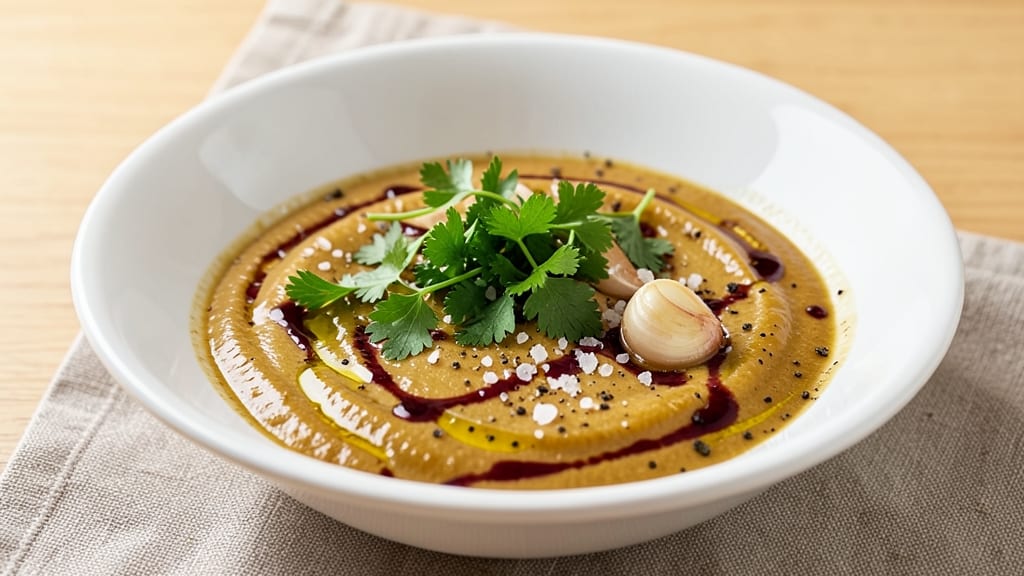
This Argentinian chimichurri sauce recipe transforms ordinary grilled meats into a flavor explosion with its vibrant herb-packed zing. 🌿 The secret lies in fresh parsley, garlic, and red wine vinegar—simple ingredients that create a bright, tangy sauce with just the right balance of boldness.
I've perfected this version over years of Argentine asados, where it's the star of every plate.
The beauty of chimichurri is its versatility—it works as a marinade, dipping sauce, or finishing touch for anything from steak to empanadas. Unlike heavier sauces, this one stays fresh and aromatic thanks to its oil base, which also makes it ideal for meal prep.
The key is using high-quality olive oil and fresh herbs, which elevate every bite with their bright, herbaceous notes.
What you'll end up with is a sauce that's impossible to resist—fresh, tangy, and packed with layers of garlic and parsley flavor. It clings perfectly to grilled meats, adding a burst of freshness that cuts through the richness.
The texture is just right: thick enough to coat but light enough to let the meat shine through.
This chimichurri keeps well in the fridge for up to a week, making it perfect for batch cooking. Double the recipe and store it in a jar for quick flavor boosts all week long. Whether you're hosting a backyard barbecue or cooking for one, this sauce will elevate every meal.
Ingredients for argentinian sauce
Fresh parsley and garlic form the vibrant heart of this Argentinian chimichurri sauce.
| Ingredient | Amount | Notes |
|---|---|---|
| Fresh Flat-Leaf Parsley 🌿 | 1 ½ cups | Stems removed, tightly packed |
| Extra-Virgin Olive Oil 🫒 | ¾ cup | High-quality, fruity variety |
| Red Wine Vinegar 🍷 | ½ cup | Balsamic works in a pinch |
| Garlic Cloves 🧄 | 6 cloves | Peeled, rough chopped |
| Kosher Salt 🧂 | 1 ½ tsp | Diamond Crystal preferred |
| Ground Black Pepper 🌶️ | ½ tsp | Freshly ground preferred |
| Dried Oregano 🍃 | ½ tsp | Mexican oregano ideal |
| Red Chili Flakes 🌶️ | ¼ tsp | Optional for heat |
The parsley is non-negotiable here—bright green leaves from the grocery store's produce section work, but farmers market parsley has that extra freshness. Look for tightly packed bunches with no wilt. Garlic should be plump and firm, not sprouting. For olive oil, Trader Joe's or Whole Foods carry excellent fruity varieties that elevate the sauce. Red wine vinegar? Bartles & Jaymes is reliable, but any good-quality vinegar will do—just avoid the cheap stuff.
No fresh parsley? Cilantro works in a bind at half the amount, though it changes the flavor profile slightly. Short on garlic? Garlic powder at one-third the amount gets you close, but fresh is ideal. The oregano can be skipped if you're sensitive to its flavor, but it adds that authentic Argentine touch. For the chili flakes, Penzeys brand has excellent heat control options. If you're making this ahead, store the vinegar and oil separately until ready to mix—they'll keep for months.
This chimichurri stays fresh for up to 1 week in an airtight jar in the fridge. The oil helps preserve the herbs, but give it a stir before using. For longer storage, freeze portions in ice cube trays—thaw and stir back to perfection. The sauce thickens slightly when refrigerated, so add a splash of water if needed. Double the recipe and keep it on hand for spontaneous grilling nights—it's that good.
Why You'll Love This Recipe
- No-Chop Nightmare: I swear, this sauce requires zero knife work—just a quick pulse of parsley and garlic in the food processor. Between us, that’s my kind of magic when I’m too tired to actually cook.
- Bright, Tangy Magic: That red wine vinegar and olive oil combo? It’s the kind of bright, zesty punch that makes every bite feel fresh—like a little burst of sunshine in a bowl. Honestly, I’ll take this over heavy cream sauces any day.
- Pantry Stash Hero: I keep this in my fridge year-round because it works with everything—grilled meats, roasted veggies, even scrambled eggs. (Yes, even on a Tuesday night.) It’s my secret weapon for turning simple meals into something special.
- Leftovers That Don’t Suck: Unlike so many sauces that turn sad after day one, this one stays vibrant for at least five days. Plus, it’s dirt cheap—just a handful of ingredients, no fancy substitutions needed. Budget-friendly and foolproof? That’s my kind of recipe.
Step-by-step instructions for Argentinian chimichurri sauce
Here's the straightforward method for vibrant chimichurri that brightens any grilled dish.
👨🍳 Step 1: Chop the Herb Base
In a food processor, combine the 1.5 cups fresh flat-leaf parsley (stems removed) and 6 cloves garlic cloves (peeled and rough chopped). Pulse until finely chopped but not puréed—you want visible texture, not a smooth paste. This rough chop creates the signature chunky texture that makes chimichurri special.
I like to give the parsley a quick rinse before chopping to remove any dirt, then pat it completely dry with paper towels. Any moisture in the herbs will dilute your sauce later. Work in batches if needed, but don't overfill the food processor—this can lead to uneven chopping.
🍳 Step 2: Add Vinegar and Seasonings
Transfer the chopped herb mixture to a medium bowl. Add the 0.5 cup red wine vinegar, 1.5 tsp kosher salt, 0.5 tsp ground black pepper, 0.5 tsp dried oregano, and 0.25 tsp red chili flakes. Stir vigorously with a wooden spoon for 30 seconds until the salt begins to dissolve and the vinegar starts to coat the herbs.
The vinegar here does double duty—it brightens the flavors and acts as a natural preservative. Don't skip the chili flakes if you want that authentic Argentinian heat. Taste the mixture now—it should be tangy, slightly peppery, and herby, but not yet balanced with the oil.
🥘 Step 3: Incorporate the Olive Oil
With the mixture stirring continuously, slowly drizzle in the 0.75 cup extra-virgin olive oil. Use a steady stream and keep stirring for another 1 minute after all the oil is added. The sauce should emulsify into a thick, vibrant green paste. If it looks too thick, add 1-2 teaspoons water to loosen it.
Here's the thing—don't rush this step. The emulsion is what makes chimichurri cling to grilled meats. I like to use a high-quality fruity olive oil here; it adds complexity that cuts through the acidity of the vinegar. The sauce should coat the back of a spoon but still maintain its chunky texture.
⏰ Step 4: Rest and Adjust
Let the chimichurri sit at room temperature for 10 minutes before serving. This resting period allows the flavors to meld and the oil to fully incorporate. Taste again and adjust seasoning if needed—you might want to add a pinch more salt or a splash of vinegar to balance the flavors.
Chimichurri tastes even better after it's had time to sit. If you're preparing it ahead of time, it will keep in the refrigerator for up to 5 days in an airtight container. Just give it a good stir before using. The sauce should be vibrant green, herby, tangy, and slightly spicy—ready to elevate any grilled meat.
Pro Tips For Making Argentinian Sauce
- Pulse the Parsley: The blade should barely chop the stems—no need for tiny confetti. A few seconds in the food processor with the feed tube works faster than hand-chopping, but stop before it turns into paste. You want texture, not a smoothie.
- Toast the Garlic Low: Peel the cloves first, then cook them in olive oil over low heat until golden—not brown, not burnt, just fragrant and soft. I used to rush this and ended up with bitter, acrid garlic. Patience here makes the whole sauce sing.
- Salt the Vinegar: Taste the vinegar before adding it to the sauce. If it’s sharp and acidic, add a pinch of salt directly to the vinegar first. This balances the bite without dulling the parsley’s brightness. Trust me, you’ll notice the difference.
- Finish with Cold Oil: Let the sauce cool slightly before drizzling in the final tablespoon of olive oil. Cold oil emulsifies better and keeps the flavors from separating. Stir it in gently—this isn’t a blender, and you don’t want a greasy mess.
Health benefits of these flavors
Herb-Rich Antioxidants
This chimichurri sauce is packed with antioxidant-rich parsley, which contains vitamin K, vitamin C, and beta-carotene—all essential for immune support and skin health.
Just 1.5 cups of parsley provides over 100% of your daily vitamin K needs, which plays a key role in blood clotting and bone health. The garlic cloves add allicin, a compound known for its anti-inflammatory and heart-protective benefits. 💪
Heart-Healthy Fats
The extra-virgin olive oil in chimichurri is a powerhouse of monounsaturated fats, which help lower LDL cholesterol and reduce the risk of heart disease. A 0.75 cup serving provides about 14 grams of heart-healthy fats, along with vitamin E and polyphenols that act as antioxidants.
Unlike heavy creamy sauces, this oil-based chimichurri delivers rich flavor without the saturated fat. The red wine vinegar also contributes beneficial compounds that support cardiovascular health.
Digestive Benefits
Garlic is a digestive superstar in this sauce, thanks to its prebiotic fiber content that feeds beneficial gut bacteria. The oregano adds carvacrol, a compound shown to support gut health and reduce bloating. Together, these ingredients create a sauce that not only tastes amazing but also gently aids digestion.
I’ve noticed that after eating grilled meats with chimichurri, my digestion feels lighter—likely thanks to these natural compounds working together. 🌱
Low-Calorie Flavor Boost
Chimichurri is a fantastic low-calorie option for adding bold flavor to meals. With only about 120 calories per 2-tablespoon serving, it delivers intense herbaceous and tangy notes without the calories of heavier sauces like Alfredo or cheese-based options.
The red wine vinegar adds acidity that enhances perceived flavor, making it perfect for those watching their calorie intake but still wanting restaurant-quality taste.
Anti-Inflammatory Properties
The combination of garlic, parsley, and olive oil creates a natural anti-inflammatory powerhouse. Garlic’s allicin and parsley’s apigenin work together to reduce inflammation in the body, while the polyphenols in olive oil further enhance these benefits.
Regular consumption of chimichurri can help combat chronic inflammation, which is linked to numerous health conditions. It’s one of those rare sauces where the health benefits are just as impressive as the flavor. ✨
Nutrition facts
Frequently asked questions
Can I make chimichurri without a food processor?
Use a sharp knife to finely chop the parsley and garlic by hand—just pulse them in a food processor for 3-4 seconds first to soften slightly. For extra texture, leave small herb pieces visible. The key is chopping everything uniformly so it blends well with the oil. A mortar and pestle works too for a more rustic approach.
How do I know when my chimichurri is properly emulsified?
The sauce should coat the back of a spoon smoothly but still show visible herb flecks. If it looks too thick, add 1 tsp water at a time until it reaches a spreadable consistency. If it's too thin, stir in 1 tsp more olive oil. The perfect chimichurri holds its shape when drizzled but still clings to meats.
What's the best way to store chimichurri long-term?
For up to 1 month, freeze in ice cube trays, then transfer to a bag. Thaw overnight in the fridge. For fridge storage, keep in an airtight jar with the oil layer on top—this preserves freshness. The vinegar and herbs separate slightly when refrigerated, so always stir before using. Never store with metal utensils.
Can I use chimichurri as a marinade?
Yes, but marinate proteins for only 30-60 minutes max—the acidity can make meats mushy. Use it as a finishing sauce instead for best results. For chicken or fish, a 15-minute marinade is ideal. Always pat meat dry before grilling to ensure a good sear. The sauce works better as a post-cooking drizzle for steaks.
What if my chimichurri tastes too vinegary?
Balance it by adding 1 tsp more olive oil or a pinch of sugar to mellow the acidity. If it's still too sharp, stir in ½ tsp more salt to enhance other flavors. The oil helps round out the vinegar's brightness, so don't be afraid to add more gradually. Taste as you go—chimichurri should be tangy but not sour.