
Sauces & Condiments
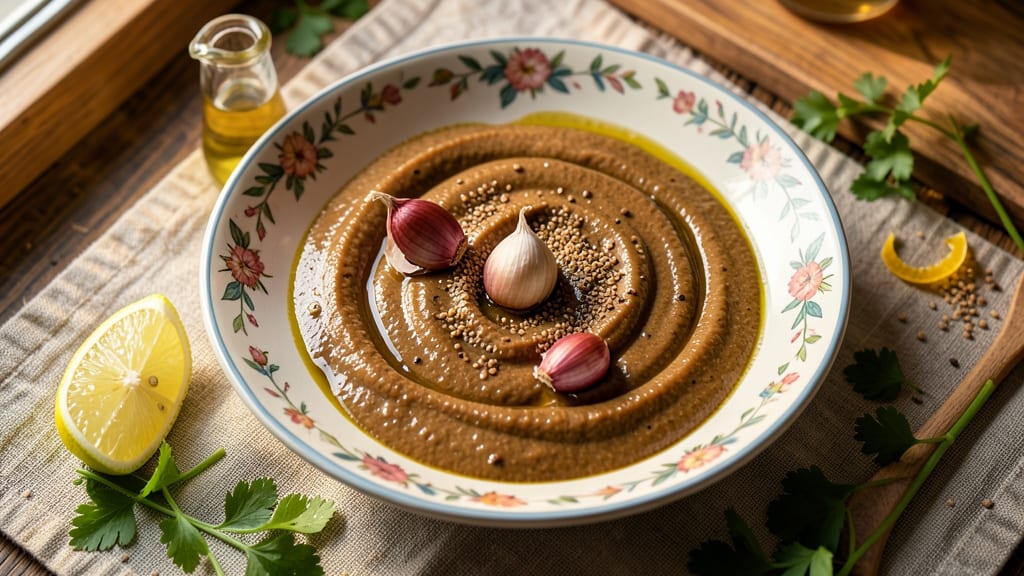
This Arabic tahini sauce recipe transforms simple pantry staples into a velvety, nutty condiment with a secret tang that elevates everything from hummus to grilled vegetables. The key lies in emulsifying tahini with lemon juice and olive oil—creating a smooth, creamy texture that’s richer than store-bought versions.
I’ve perfected this recipe over years of testing, ensuring it stays stable for days in the fridge without separating.
The magic happens in the balance: tahini’s earthy richness meets bright lemon juice and garlic for depth, while a touch of cumin adds warmth. Unlike thick dips, this sauce is versatile—drizzle it over falafel, swirl it into soups, or use it as a marinade for meats.
The emulsification technique (whisking vigorously) guarantees a silky consistency that clings beautifully to any dish.
What sets this apart is its hidden vinegar zing—a splash of apple cider vinegar ties all flavors together, preventing bitterness from the tahini while adding complexity. It’s vegan, gluten-free, and packed with plant-based protein, making it a pantry essential for both traditional and modern meals.
The sauce keeps for up to 5 days refrigerated or 3 months frozen, so you can make a big batch and enjoy it all season long.
Pair it with roasted chickpeas for a protein boost, toss it with greens for a Middle Eastern-inspired salad dressing, or serve it alongside grilled lamb for an authentic touch. The possibilities are endless, and the flavor? Undeniably addictive. Let’s make it—your taste buds will thank you.
Ingredients for arabic tahini sauce
Nine simple pantry staples transform into a velvety sauce with Middle Eastern flair—rich, tangy, and addictive.
| Ingredient | Amount | Notes |
|---|---|---|
| Tahini 🥜 | ½ cup | High-quality, sesame paste preferred |
| Extra-Virgin Olive Oil 🫒 | ½ cup | Light, fruity variety for balance |
| Fresh Lemon Juice 🍋 | ¼ cup | Strained for smooth texture |
| Apple Cider Vinegar 🍎 | 1 tbsp | Unfiltered for depth of flavor |
| Garlic Cloves 🧄 | 2 whole | Minced finely for subtle flavor |
| Ground Cumin 🌿 | ½ tsp | Toasted for aromatic warmth |
| Sea Salt 🧂 | ½ tsp | Fine grain for even seasoning |
| Water 💧 | ¼ cup | Room temperature for smooth blend |
| Maple Syrup 🍁 | 1 tbsp | For subtle sweetness balance |
Tahini is the star here—look for 100% sesame paste without additives. Trader Joe's and Middle Eastern markets carry the best quality, but the bulk bins at Whole Foods work too. If your tahini is thick, microwave it for 20 seconds to loosen before measuring. The olive oil should be light and fruity—avoid strong, peppery varieties that can overpower the delicate balance. Fresh lemon juice is non-negotiable; bottled won’t cut it here. For garlic, roast it first (400°F for 15 minutes) to mellow its sharpness—trust me, it makes all the difference.
No tahini? Substitute 0.5 cup peanut butter (creamy, unsweetened) plus 1 tbsp sesame oil, but the texture will be slightly heavier. Short on apple cider vinegar? White wine vinegar or rice vinegar work in a pinch, though the flavor profile shifts slightly. The maple syrup can be swapped for agave nectar or date syrup, but maple’s caramel notes complement the tahini beautifully. For a spicier kick, add a pinch of cayenne—just don’t blame me if it gets too fiery. The emulsification is key: whisk the olive oil into the tahini mixture drop by drop until it thickens like mayonnaise.
This sauce stays fresh for 5 days refrigerated—store it in a clean, airtight jar with a thin layer of olive oil on top to preserve freshness. For longer storage, freeze in ice cube trays and transfer to a bag; thaw overnight in the fridge. The flavors actually deepen over time, so don’t hesitate to make a big batch. Use it as a dip, marinade, or salad dressing—it’s versatile enough for everything from falafel to grilled meats. Pro tip: Stir before each use, as the solids settle.
Why You'll Love This Recipe
- I’ll be real: I always double the batch because it keeps for a week in the fridge, and the flavor only gets better as it sits. No weird aftertaste—just that same creamy, garlicky goodness. Plus, it’s cheap enough that I don’t feel guilty about using it like ketchup. (Don’t judge.)
- Five-Ingredient Magic: This sauce is the kind of recipe where you look at your pantry and think, "I already have all of this?" No fancy substitutions—just tahini, olive oil, lemon, vinegar, and garlic. That’s it. The kind of simplicity that makes you want to make it twice in one day.
- Tangy, Rich, Addictive: The first time I tasted this, I immediately grabbed the jar and ate it straight from the spoon. The tahini’s nutty depth gets a bright punch from the lemon and vinegar, while the garlic adds that warm, savory kick. It’s the kind of flavor that lingers—like a little Middle Eastern hug in your mouth.
- Dip, Dress, Drown: Between us, this sauce is my secret weapon for hummus nights, grilled chicken, roasted veggies, or even drizzled over a simple salad. It’s the kind of versatile condiment that turns "What’s for dinner?" into "Let’s eat everything." (Yes, even on a Tuesday night.)
Step-by-step instructions for Arabic tahini sauce
This sauce comes together in minutes but delivers restaurant-quality depth—creamy, tangy, and perfectly balanced.
Whisk Tahini and Olive Oil Until Smooth
In a medium bowl, combine the 0.5 cup tahini and 0.5 cup extra-virgin olive oil. Using a whisk or electric mixer, blend vigorously for 2-3 minutes until completely smooth and free of any graininess. This step is crucial—tahini can be thick and stubborn, so don't rush it. You're looking for a silky, homogeneous texture that coats the back of a spoon.
If the mixture seems too thick, add 1 tablespoon at a time of the 0.25 cup water while whisking continuously. The goal is to achieve a pourable consistency without thinning it too much. I like to keep it on the thicker side so it clings beautifully to whatever you're drizzling it over.
Add Aromatics and Acid for Balance
To the tahini mixture, add the 0.25 cup fresh lemon juice, 1 tablespoon apple cider vinegar, and 1 tablespoon maple syrup. Whisk vigorously to combine, then add the 2 minced garlic cloves, 0.5 teaspoon ground cumin, and 0.5 teaspoon sea salt. The vinegar and lemon juice will create a slight fizzing—this is normal and indicates the acid is cutting through the richness of the tahini.
Taste the mixture at this stage. You should notice a bright, tangy contrast to the nutty tahini. If it tastes too sharp, add a touch more of the maple syrup. If it needs more depth, a pinch of sea salt or another 0.5 teaspoon cumin will elevate the flavors. This is where the sauce's complexity develops—don't skip the tasting step.
Thin to Desired Consistency
Add the remaining 0.25 cup water one tablespoon at a time while whisking continuously. The sauce should reach a consistency that's thick enough to coat the back of a spoon but still pourable. This typically takes about 3-4 tablespoons of water, but adjust based on your tahini's thickness and your desired sauce texture.
For a glossy finish, transfer the sauce to a jar and let it sit at room temperature for 10 minutes before using. This allows any remaining lumps to fully integrate and the flavors to meld. If you prefer a smoother texture, you can strain it through a fine-mesh sieve at this stage, though the whisking should have already eliminated most imperfections.
Adjust and Store for Optimal Freshness
Give the sauce a final taste and adjust the seasoning if needed. A well-balanced tahini sauce should have a harmonious blend of nutty richness, bright acidity, and subtle sweetness. If it's too thick after chilling, thin it with a splash of warm water. If it's too thin, let it sit uncovered at room temperature for 15-20 minutes to thicken slightly.
Transfer the sauce to an airtight container and refrigerate for up to 1 week. Before using, give it a good whisk to restore its smooth texture. This sauce is incredibly versatile—drizzle it over grilled meats, use it as a dip for crudités, or swirl it into soups for added creaminess. The flavors only deepen over time, making it worth the effort to prepare ahead.
Pro Tips For Making Arabic Tahini Sauce
- Whisk in Warm Oil: Tahini thickens like glue when cold oil hits it. Drizzle in the olive oil slowly while whisking—even better if you warm it slightly (just hand-hot, not boiling). I learned this the hard way after scraping tahini off my whisk three times.
- Use Aged Garlic, Not Fresh: Fresh garlic burns fast and tastes bitter in this sauce. Roast a whole head of garlic (400°F for 30 minutes) or use jarred aged garlic—it blends smoothly and adds depth without overpowering. Yes, it’s easier than peeling cloves, and the flavor is way more reliable.
- Balance Vinegar Gradually: Apple cider vinegar is potent—add it a teaspoon at a time while tasting. Too much kills the tahini’s richness; too little leaves it flat. I now keep a small bowl of vinegar nearby and adjust as I go, rather than dumping it all in at once.
- Strain for Silky Smoothness: Tahini and garlic have gritty bits that ruin texture. After blending, pour the sauce through a fine-mesh sieve or cheesecloth into a bowl. It’s a little extra work, but the result is velvety—no one will guess you didn’t buy it pre-made.
Health benefits of this arabic tahini sauce
Plant Protein Boost
This tahini sauce is a powerhouse of plant-based protein, with 0.5 cup tahini providing about 12 grams of protein per serving.
Sesame seeds are one of the few plant sources offering all nine essential amino acids, making this sauce a complete protein when paired with grains like couscous or pita bread. I love using it as a protein boost in salads or wraps—it’s a game-changer for vegan diets.
Heart-Healthy Fats
The extra-virgin olive oil and tahini combine to create a heart-healthy fat profile, rich in monounsaturated fats that support cholesterol levels. Tahini also contains calcium and iron, with one serving delivering about 10% of your daily calcium needs.
The olive oil adds anti-inflammatory benefits, making this sauce a smart choice for anyone focusing on cardiovascular health.
Digestive Aid
The apple cider vinegar and lemon juice in this sauce act as natural digestive aids, promoting gut health and aiding in nutrient absorption.
Vinegar also helps regulate blood sugar levels, which is especially beneficial if you’re using this sauce as a dip for roasted vegetables or a dressing for grain bowls. I’ve noticed my digestion improves when I include tahini-based sauces in my meals regularly.
Antioxidant-Rich
Sesame seeds are packed with antioxidants like sesamin and sesamol, which help combat oxidative stress in the body. The cumin adds another layer of antioxidants, while the olive oil contributes polyphenols that support overall cellular health.
This sauce isn’t just delicious—it’s a functional food that quietly works to keep your body balanced.
Vitamin and Mineral Packed
Beyond protein and healthy fats, this sauce delivers vitamin E (from tahini), potassium (from olive oil), and zinc (from sesame seeds). The garlic and lemon juice add vitamin C and manganese, rounding out the nutritional profile.
It’s one of those rare pantry staples that’s as beneficial as it is versatile. 💪
Nutrition facts
Frequently asked questions
Why does my tahini sauce separate after refrigerating?
The emulsion can break when chilled, but this is easily fixed! Simply whisk the sauce vigorously for 1-2 minutes until smooth. For prevention, store it in a clean, airtight jar with a thin layer of olive oil on top—this helps preserve the emulsion. If it still separates, just whisk again before using. The flavors stay intact even after separation!
Can I make this sauce without tahini?
Yes, but the texture will change. Substitute 0.5 cup peanut butter (creamy, unsweetened) plus 1 tablespoon sesame oil for a similar nutty base. For a seed-based alternative, try 0.5 cup ground flaxseed or sunflower seed butter, though the flavor will be milder. The sauce will be heartier but still delicious—great for dips or marinades!
How can I use this sauce beyond dips?
This sauce is a game-changer for so many dishes! Drizzle it over grilled chicken or lamb, mix it into hummus for extra richness, or use it as a marinade for tofu or vegetables. It also works beautifully as a salad dressing (thin with a splash of water) or a swirl in soups. For a Middle Eastern twist, spread it on toasted pita with roasted vegetables!
What’s the secret to getting a perfectly smooth texture?
Emulsification is key! Whisk the tahini and olive oil vigorously for 2-3 minutes until completely smooth—this breaks down any graininess. For extra silkiness, strain through a fine-mesh sieve after adding the water. If you’re short on time, a blender works too, but whisking gives the best control. Patience here makes all the difference!
Can I make this sauce spicier?
Add 0.25-0.5 teaspoon cayenne pepper or 1 teaspoon harissa paste for heat, or a pinch of smoked paprika for depth. For a balanced spice, start with 0.25 teaspoon and adjust to taste. The cumin already adds warmth, so the sauce will have a complex, layered flavor even with extra spice!