
Sauces & Condiments
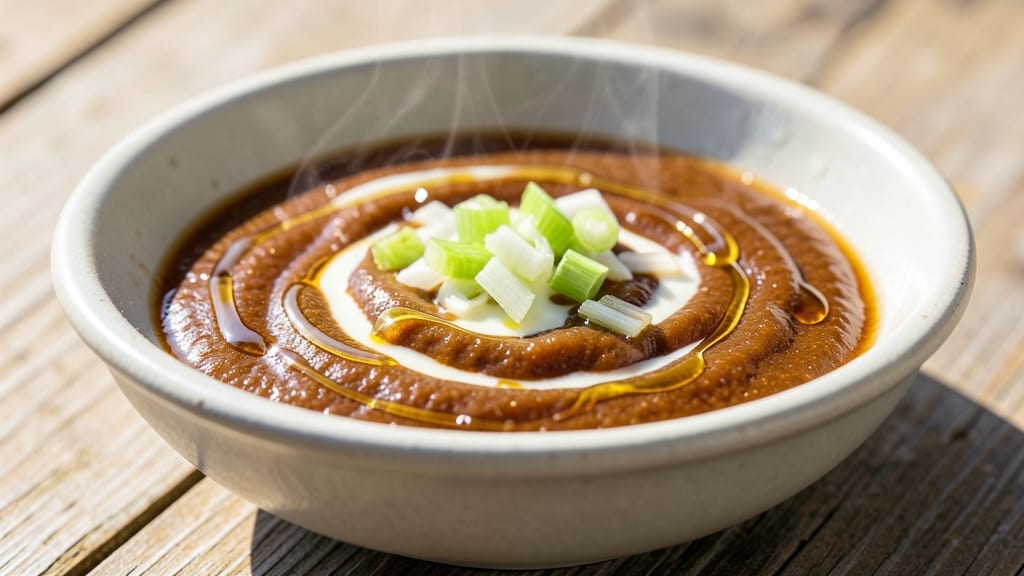
This Asian lettuce wrap sauce recipe transforms ordinary wraps into a flavor explosion with its creamy celery base and secret vinegar zing. 💛 The perfect balance of umami, tang, and subtle sweetness makes it irresistible—ideal for shrimp, chicken, or crispy tofu.
What sets this apart is the celery cream fusion, which adds depth without overpowering the fresh lettuce cups.
The sauce combines simple pantry staples like soy sauce, sesame oil, and a touch of honey for sweetness, but the real magic happens with the vinegar. A splash of rice vinegar brightens the flavors while keeping the sauce light enough to coat delicate lettuce leaves.
The creamy texture comes from blended celery and a splash of coconut milk, creating a velvety consistency that clings perfectly to ingredients.
What you’ll end up with is a sauce that’s rich yet balanced—savory from the soy, nutty from the sesame, and tangy enough to cut through any protein. It stays fresh in the fridge for up to 5 days, making it perfect for meal prep.
The best part? It’s ready in just 10 minutes, with no cooking required.
Use it immediately for fresh lettuce wraps or store it for later—this sauce elevates every bite. Here’s how to make it foolproof every time.
Ingredients for asian lettuce wrap sauce
Pantry staples meet fresh celery for this velvety sauce that makes lettuce wraps irresistible.
| Ingredient | Amount | Notes |
|---|---|---|
| Celery Stalks 🥬 | 3 whole | Fresh, white parts only |
| Light Coconut Milk 🥥 | ½ cup | Full-fat for creamier texture |
| Rice Vinegar 🍶 | 1 tbsp | White or seasoned variety |
| Soy Sauce 🥢 | 2 tbsp | Low-sodium preferred |
| Sesame Oil 🌰 | 1 tbsp | Toasted for nutty flavor |
| Honey 🍯 | 1 tbsp | Or maple syrup for vegan |
| Garlic Cloves 🧄 | 2 cloves | Minced for subtle flavor |
| Fresh Ginger 🌿 | 1 tbsp | Grated, for zesty kick |
| Sesame Seeds 🌰 | 1 tsp | Toasted for garnish |
| Red Pepper Flakes 🌶️ | ½ tsp | Optional for heat |
The celery is the secret weapon here—buy fresh, crisp stalks with no brown spots. Trader Joe's or any grocery store's produce section has great options, but avoid the rubbery ones. For the coconut milk, light works perfectly—no need for full-fat unless you're going all-in on creaminess. The rice vinegar should smell bright and clean; if it's dull, grab a new bottle. Toast your sesame seeds in a dry pan for 30 seconds before adding them—that nutty aroma takes this sauce to the next level. Honestly, I always double the sesame oil because it adds so much depth.
No rice vinegar? Apple cider vinegar works in a pinch, though it's slightly sweeter. Skip the honey? Agave or a pinch of sugar keeps things balanced. The garlic and ginger can be swapped for 1 tbsp of fresh lime juice if you're out, but the umami will be different. For heat, Sriracha at half the amount is a great alternative to red pepper flakes. Pro tip: If your celery tastes bitter, soak it in ice water for 10 minutes before blending—makes all the difference. And if you're making this for a crowd, triple the batch—it disappears fast.
This sauce keeps like a dream—5 days in the fridge sealed in a jar. The flavors actually meld better overnight, so make it a day ahead if you can. For freezing, portion into ice cube trays and pop out—perfect for single servings. The celery base might separate slightly when refrigerated, but just give it a quick stir before using. Garnish with those toasted sesame seeds right before serving—they add crunch and visual appeal. Trust me, the first time you see this sauce coat crispy tofu or shrimp, you'll be hooked.
Why You'll Love This Recipe
- Here’s what sold me: that first spoonful of soy sauce and sesame oil hitting your tongue, then the vinegar’s tang cutting through. It’s the kind of flavor that makes you pause mid-bite—like a little burst of restaurant-quality takeout, but made in my tiny kitchen.
- I’ll be real: this recipe costs me pennies. Light coconut milk is cheap, celery lasts forever, and the rest? Things I already had. Make a double batch—it keeps for days in the fridge, and I’ve even frozen it for when I’m craving that flavor but too tired to blend. Zero waste, all win.
Step-by-step instructions for celery-cream lettuce wrap sauce
This creamy, zesty sauce comes together in minutes with bold Asian flavors you'll crave.
🍳 Step 1: Blend Celery and Aromatics into a Smooth Paste
Cut the 3 whole celery stalks into 1-inch chunks, keeping only the white parts. Add them to a high-speed blender along with the 2 cloves garlic cloves and 1 tablespoon fresh ginger. Pulse until finely chopped, then add the 0.5 cup light coconut milk, 1 tablespoon rice vinegar, and 2 tablespoons soy sauce. Blend until completely smooth—this is your flavor foundation.
Here's the thing—blending the celery first creates a velvety texture that carries all those amazing flavors. If it looks too thick, add 1-2 tablespoons water until it reaches a pourable consistency. The celery adds a subtle crunch and earthy depth that balances the creaminess perfectly.
🥘 Step 2: Cook the Sauce Until Thick and Fragrant
Transfer the blended mixture to a small saucepan and place over medium heat. Add the 1 tablespoon honey and 1 tablespoon sesame oil, stirring constantly. Let it simmer for 5-7 minutes until slightly thickened—you'll see it reduce just enough to coat the back of a spoon. This is where all the flavors meld together beautifully.
Don't walk away! You want to see little bubbles forming at the edges and smell that toasty sesame aroma. If it starts to stick, add 1 tablespoon water to loosen it. The sauce should be glossy with a velvety texture—this is your signal it's ready for the finishing touches.
🔥 Step 3: Finish with Heat and Garnish
Reduce heat to low and stir in the 0.5 teaspoon red pepper flakes and remaining 1 tablespoon sesame oil. Taste and adjust seasoning—add a pinch more soy sauce if needed for saltiness or a drizzle of honey for sweetness. The sauce should be tangy, slightly sweet, and just spicy enough to make your mouth tingle.
Remove from heat and stir in the 1 teaspoon sesame seeds just before serving. These add a delightful crunch that contrasts perfectly with the creamy texture. For extra zing, drizzle with an additional ½ teaspoon rice vinegar right before eating—this hidden vinegar kick is what makes this sauce truly special!
⏰ Step 4: Rest and Serve at Room Temperature
Let the sauce sit at room temperature for 5-10 minutes before serving. This resting period allows all the flavors to fully develop and the spices to bloom. The sauce should be thick enough to cling beautifully to lettuce wraps but still pourable for dipping.
Serve immediately with crisp lettuce cups, grilled meats, or fresh vegetables. The contrast of cool lettuce with this warm, creamy sauce is pure magic. Store any leftovers in an airtight container in the refrigerator for up to 3 days—just give it a quick stir and warm through gently before using again.
Pro Tips For Making Asian Lettuce Wrap Sauce
- BLEND THE CELEERY FIRST: Chop the celery stalks into ½-inch chunks and pulse them in a food processor for 10 seconds before adding anything else. This breaks down the fibrous strands so the sauce stays silky—no more gritty texture lurking in every bite. (I used to skip this and ended up with a sauce that felt like chewing on a string.)
- SIMMER THE COCONUT MILK LOW: Light coconut milk scalds fast—keep the heat at a gentle simmer, not a boil, or it’ll split and turn greasy. Stir constantly for 2-3 minutes until the mixture just starts to thicken, then pull it off the heat immediately. Trust me, you don’t need it to reduce further.
- TASTE BEFORE THE SESAME OIL: Add the soy sauce and rice vinegar first, then taste the sauce raw—this way, you’ll know exactly how much sesame oil to drizzle in at the end. A little goes a long way, and you can always add more, but you can’t take it out. (I’ve ruined a batch by overdoing it.)
- USE FRESH RICE VINEGAR: The cheap white vinegar substitute won’t cut it here—fresh rice vinegar’s tang is the backbone of the flavor. If you’re in a pinch, look for seasoned rice vinegar (like Kikkoman’s), but it’ll taste slightly sweeter. No shortcut here if you want that bright, clean finish.
Best sauces and condiments for these flavors
Sweet-Tangy Balance
This sauce thrives on the perfect harmony between sweet, tangy, and umami flavors. The 1 tbsp honey adds just enough sweetness to complement the 1 tbsp rice vinegar, while the 2 tbsp soy sauce delivers that essential umami depth.
For a more balanced taste, I often swap the honey for 1 tbsp maple syrup—it gives a slightly earthier sweetness that pairs beautifully with the celery base. 💛
The secret to getting this balance right is tasting as you go. After simmering, take a spoonful and let it sit on your tongue—you should taste all three notes clearly.
If it’s too sweet, add a splash more vinegar; if it’s too sharp, a pinch of honey or extra soy sauce will round it out. Trust your palate here—this sauce is all about that perfect harmony.
Sesame Oil Magic
Don’t skimp on the sesame oil—this is where the nutty, toasty depth comes from. I always use toasted sesame oil (not the lighter, flavorless kind) because it adds that irresistible aroma.
Start with 1 tbsp in the simmering stage, then add another 1 tbsp at the end for a finishing touch.
If you’re feeling adventurous, toast 1 tsp sesame seeds in a dry pan for 30 seconds until golden, then grind them into a powder and mix into the sauce—this adds an extra layer of texture and flavor. 🌰
Pro tip: If you’re sensitive to strong flavors, reduce the sesame oil to ½ tbsp and boost the garlic or ginger slightly. The key is to let the sesame oil shine without overpowering the other ingredients. A little goes a long way, so start small and adjust to taste.
Heat Level Control
The ½ tsp red pepper flakes are optional, but they add a subtle kick that brightens the sauce. If you love heat, double it—but be warned, the vinegar and garlic already pack a punch.
For a smoother heat, swap the flakes for ½ tsp Sriracha or a dash of chili garlic sauce. I’ve even seen people add a pinch of cayenne pepper for a slower-building spice. The goal is to enhance the sauce, not dominate it. 🌶️
Always taste before serving. If the sauce feels too mild, add a pinch more red pepper flakes or a squeeze of lime juice to wake up the flavors.
The heat should complement, not overpower—the celery and coconut milk base is delicate enough that too much spice can throw off the balance.
Creamy Texture Hacks
The ½ cup light coconut milk is the secret to that velvety texture, but if you’re avoiding dairy, it’s a perfect substitute. For an even creamier sauce, blend in 1 tbsp tahini or 1 tbsp Greek yogurt at the end—both add richness without altering the flavor profile.
If the sauce separates after refrigerating, simply stir in 1 tsp warm water or a splash of coconut milk to restore its smoothness. ❄️
If you’re making this ahead, let it cool completely before storing. The celery base can thicken as it chills, so give it a quick whisk with a splash of water or vinegar before using.
The sauce should be thick enough to coat the back of a spoon but still pourable—this ensures it clings beautifully to lettuce wraps or dipping ingredients.
Storage and Reheating
This sauce keeps like a dream in the fridge for up to 5 days in an airtight container. For longer storage, portion it into ice cube trays, freeze, and transfer to a bag—this makes it easy to thaw just what you need.
When reheating, warm it gently on the stovetop over low heat or in the microwave at 50% power until just heated through. Never boil it, or the celery flavor will turn bitter. 🔥
If the sauce thickens after refrigerating, thin it with 1-2 tbsp water or rice vinegar before reheating. The flavors actually improve overnight, so making it a day ahead is ideal.
Just give it a quick stir and taste before serving—sometimes it needs a pinch of salt or a drizzle of honey to bring it back to perfection.
Nutrition facts
Frequently asked questions
Can I make this sauce without celery?
The celery adds a subtle earthy depth that balances the creamy texture, but you can substitute it with 3 tbsp fresh parsley stems or 2 tbsp finely chopped green onions. For a richer flavor, blend ¼ cup cucumber instead—it adds moisture and mild sweetness that works surprisingly well. Just be sure to strain any fibrous bits for a smoother sauce.
How do I adjust the sauce for spicy proteins like shrimp?
For spicy proteins, reduce the red pepper flakes to ¼ tsp and add ½ tsp lime juice instead. The acidity helps balance the heat while keeping the sauce bright. If your shrimp is particularly fiery, stir in 1 tsp coconut milk at the end to mellow the flavors slightly. The key is to let the natural sweetness of the sauce complement—not compete with—the spice.
Will this sauce work with other vegetables besides lettuce?
This sauce pairs beautifully with shredded cabbage, butter lettuce cups, or even thinly sliced bell peppers for a crunchier texture. For a heartier option, use it as a dipping sauce for spring rolls or crispy rice paper rolls. The creamy texture clings well to most vegetables, but avoid overly watery ones like cucumbers—pat them dry first.
Can I make this sauce dairy-free and nut-free?
Yes! This recipe is already dairy-free, and you can make it nut-free by omitting the sesame oil and seeds. Replace the 2 tbsp sesame oil with 1 tbsp neutral oil (like avocado or sunflower) + 1 tsp toasted coconut oil for a similar richness. For extra flavor, add ½ tsp smoked paprika or an additional ½ tsp garlic powder to compensate for the missing nutty depth.
Why did my sauce separate after refrigerating?
This happens when the celery or coconut milk separates due to temperature changes. Simply stir in 1 tsp warm water or rice vinegar and whisk vigorously until smooth. For prevention, let the sauce cool to room temperature before refrigerating, and store it in a glass jar rather than plastic. The sauce should thicken slightly when chilled, but it's normal to see slight separation—just stir before using.