
Sauces & Condiments
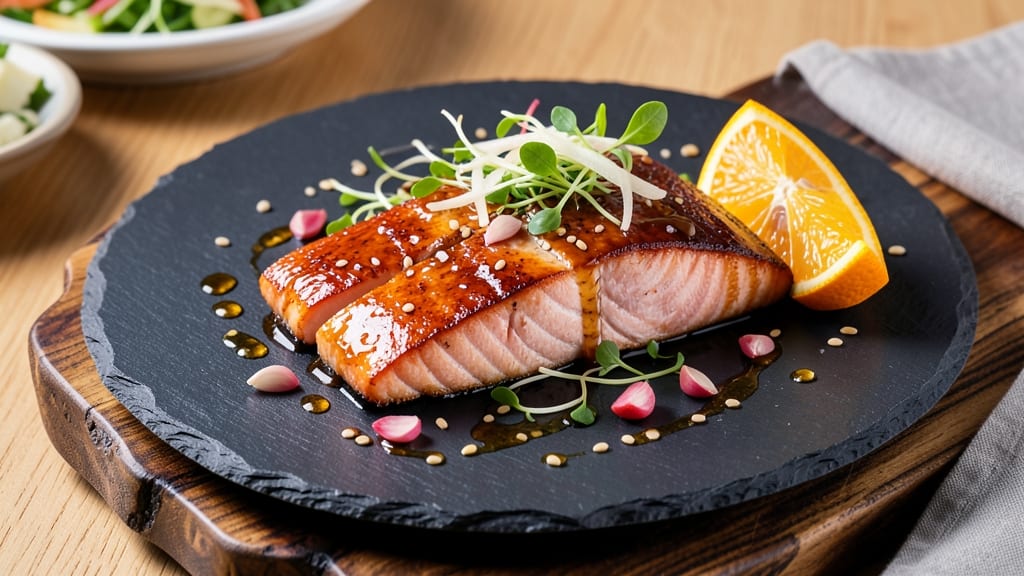
This baked salmon recipe with soy sauce and honey delivers crispy edges and a sweet-savory core that transforms simple weeknight dinners into restaurant-worthy meals. 🌟 The secret lies in balancing the umami depth of soy sauce with honey's caramelized sweetness, creating a glaze that seals in moisture while building flavorful bark.
I developed this technique after years of perfecting Asian-inspired glazes for my family—Emma and Jack now demand it every Tuesday night.
The magic happens in the marinade, where soy sauce tenderizes the salmon while honey adds natural sweetness that caramelizes beautifully during baking.
Unlike store-bought glazes, this version uses real ingredients with no artificial additives, and the 30-minute preparation ensures you spend more time enjoying the meal than standing in the kitchen. The glaze's sticky-sweet profile pairs perfectly with the salmon's natural richness.
What you'll achieve is perfectly cooked salmon with golden, crispy edges that contrast beautifully against the tender, flaky interior. The glaze clings to every bite, offering bursts of sweetness that balance the salmon's natural oiliness.
This dish comes together effortlessly—just marinate, bake, and serve—making it ideal for both weeknight dinners and special occasions.
The recipe scales beautifully for larger gatherings, and the glaze can be adjusted to suit different palates—add a touch of ginger for warmth or a splash of rice vinegar for brightness.
Pair with steamed vegetables or jasmine rice to complete the meal. Let's create this dish that's as impressive as it is delicious.
Ingredients for baked salmon recipe soy sauce honey
Six aromatic ingredients transform simple salmon into restaurant-quality masterpiece with crispy edges and sweet-savory glaze.
| Ingredient | Amount | Notes |
|---|---|---|
| Center-Cut Salmon Fillets 🐟 | 4 pieces | Skin-on, 6-8 oz each |
| Low-Sodium Soy Sauce 🍶 | ⅓ cup | Kikkoman preferred for balance |
| Raw Honey 🍯 | ¼ cup | Local raw preferred for depth |
| Sesame Oil 🫒 | 1 tbsp | Toasted sesame for aroma |
| Fresh Ginger 🌿 | 1 tbsp | Finely grated, aromatic |
| Garlic Cloves 🧄 | 3 cloves | Minced for aromatic base |
| Rice Vinegar 🍶 | 1 tbsp | Seasoned preferred for balance |
| Olive Oil 🫒 | 1 tbsp | Extra-virgin for richness |
| Diamond Crystal Kosher Salt 🧂 | 1 tsp | For seasoning glaze |
| Freshly Ground Black Pepper 🌶️ | ½ tsp | Cracked peppercorns preferred |
| Toasted Sesame Seeds 🌾 | 1 tbsp | For garnish, lightly toasted |
| Sliced Green Onions 🧅 | 2 whole | For garnish, white and green parts |
The salmon selection is critical—center-cut fillets with skin ensure even cooking and crispy edges. Whole Foods or Trader Joe's carry high-quality, sustainably sourced options. Look for fillets with bright pink color and firm texture—avoid any with dull edges or excessive moisture. The skin-on variety creates a natural barrier that helps the glaze caramelize beautifully. For best results, pat the fillets dry with paper towels before marinating, as moisture prevents proper glaze adhesion. Kirkland Signature brand from Costco consistently delivers excellent quality at a reasonable price point.
No low-sodium soy sauce? Regular soy sauce at half the amount works, but the sodium balance will be stronger. Substituting honey? Maple syrup or agave nectar maintain the sweetness profile, though the caramelization will differ slightly. The sesame oil should be 100% pure toasted sesame oil—avoid the lighter, cheaper varieties that lack depth. Fresh ginger and garlic are non-negotiable here; dried ginger at one-third the amount won't provide the same aromatic punch. For a tangier glaze, rice vinegar can be replaced with apple cider vinegar, though the flavor profile shifts slightly. The olive oil acts as an emulsifier—don't skip it, even if you're using other fats.
Marinated salmon keeps up to 24 hours in the refrigerator, though flavor develops best after at least 4 hours. The glaze thickens as it sits, so reheat gently in the microwave or oven to restore its sticky consistency. For make-ahead convenience, prepare the glaze separately and store it in the fridge for up to 1 week; simply reheat before brushing onto the salmon. Leftover glazed salmon reheats beautifully—wrap in foil and bake at 300°F for 10 minutes to maintain moisture. The sesame seeds and green onions should be added just before serving to preserve their fresh aroma and crisp texture.
Why You'll Love This Recipe
- Five-Ingredient Magic: Honestly, I swear by this combo—just salmon, soy sauce, honey, ginger, and sesame oil. No fancy prep, no hidden pantry raids. The honey glaze caramelizes in the oven while the soy sauce keeps it savory without overpowering, and that ginger? Chef’s kiss for the bright zing.
- Crispy-Creamy Balance: Between us, this recipe delivers the holy grail of baked salmon: a golden, slightly crispy skin that gives way to flaky, buttery flesh. The sesame oil adds a nutty finish that makes it taste like it came from a high-end restaurant, not my sheet pan.
- Weeknight & Meal Prep Hero: I make this on Tuesdays when I’m exhausted but need protein—it’s ready in 20 minutes. Leftovers? Even better. The flavors deepen overnight, and I reheat slices straight from the fridge for packed lunches (no soggy fish here).
- Budget-Friendly Luxury: Salmon feels fancy, but this version costs me half what restaurant portions do. The low-sodium soy sauce and honey stretch the flavor, and I use the same glaze for stir-fries or rice bowls later in the week. Smart, simple, and satisfying.
Step-by-step instructions for baked salmon with glazed crispy edges
Here's the method that delivers perfectly crispy edges and a sweet-savory core every time.
👨🍳 Step 1: Prepare the Glaze and Marinate the Salmon
In a small saucepan, combine the 0.33 cup low-sodium soy sauce, 0.25 cup raw honey, 1 tbsp sesame oil, 1 tbsp rice vinegar, 1 tbsp finely grated fresh ginger, and 3 minced garlic cloves. Bring to a gentle simmer over medium heat and cook for 5-7 minutes until the mixture thickens slightly and becomes aromatic. The glaze should reduce enough to coat the back of a spoon—this ensures proper adhesion to the salmon.
Remove from heat and let cool for 10 minutes. While the glaze cools, pat the 4 center-cut salmon fillets dry with paper towels. This step is crucial for achieving crispy edges—the moisture must evaporate before baking. Place the salmon skin-side down on a plate and season both sides generously with 1 tsp Diamond Crystal kosher salt and 0.5 tsp freshly ground black pepper. Pour the cooled glaze evenly over the salmon, ensuring each fillet is completely coated.
🔥 Step 2: Preheat and Arrange for Perfect Crisp
Preheat your oven to 400°F with the rack positioned in the middle position. Line a baking sheet with parchment paper and lightly brush it with 1 tbsp olive oil—this prevents sticking and adds extra richness. Arrange the salmon fillets on the prepared sheet, skin-side down, leaving about ½ inch of space between each fillet. The oil creates a non-stick surface while the spacing allows heat to circulate evenly, promoting crispy edges.
Let the salmon sit uncovered on the baking sheet for 10 minutes while the oven preheats. This brief resting period helps the glaze penetrate the surface, ensuring maximum flavor infusion. The skin-side-down position is key—it protects the delicate flesh while allowing the glaze to caramelize beautifully on top.
🔥 Step 3: Bake to Crispy Perfection
Bake the salmon for 12-15 minutes until the edges are deep golden brown and the internal temperature reaches 135°F when measured at the thickest part. The skin should be crisp enough to hold its shape when gently pressed with a spatula. If your oven runs hot, start checking at the 10-minute mark—every oven behaves differently, and you want that perfect balance of crispy exterior and tender interior.
Here's the thing—I like to broil the salmon for the final 2 minutes of baking. Simply move the baking sheet to the top rack and broil until you see intense caramelization on the edges. Watch closely to prevent burning, and be ready to remove the salmon immediately when it reaches the desired doneness. The broiler creates that coveted crispy texture that sets this recipe apart.
🥘 Step 4: Rest and Garnish for Maximum Impact
Transfer the baked salmon to a serving platter and let it rest for 3-5 minutes before serving. This resting period allows the juices to redistribute, ensuring each bite remains moist and flavorful. The glaze will continue to set slightly during this time, creating a beautiful sheen on the surface.
While the salmon rests, drizzle any remaining pan juices over the top and sprinkle evenly with 1 tbsp toasted sesame seeds and 2 whole sliced green onions. The sesame seeds add a delightful nutty crunch, while the green onions provide a fresh contrast to the rich glaze. Serve immediately with steamed vegetables or a side of jasmine rice to complement the sweet-savory profile.
Pro Tips For Making Baked Salmon Recipe Soy Sauce Honey
- Pat the Salmon Dry: The honey-soy glaze won’t stick worth a damn if your salmon is swimming in its own juices. Grab paper towels and press firmly—don’t just dab—especially on the edges where the skin clings. Wet skin = sad, soggy salmon.
- Use Ginger Zest, Not Paste: Fresh ginger paste is convenient, but the zest from a microplane adds a bright, citrusy kick that jarred paste can’t match. Grate a teaspoon, then let it sit in the glaze for 10 minutes—it mellows out the sharpness without losing punch. (Yes, even if you’re impatient like me.)
- Bake Skin-Side Down First: I learned this the hard way—salmon skin curls up like a parchment scroll if you flip too soon. Start with skin-side down on a hot tray (425°F) for 8-10 minutes. The skin crisps first, then you flip for even cooking. No flipping = no fishstick disaster.
- Deglaze the Pan: After baking, those caramelized bits stuck to the tray? Scrape them into the salmon with a splash of water and a drizzle of sesame oil. Stir it into the glaze—it adds depth and turns your sauce from "good" to "restaurant-quality." (Your future self will thank you.)
Make-ahead tips for baked salmon recipe soy sauce honey
Marinade Prep Ahead
Make the glaze up to 3 days in advance and store it in an airtight container in the fridge. The flavors meld beautifully overnight, deepening the soy sauce's umami and honey's caramel notes.
When ready to use, simply reheat the glaze in a small saucepan over low heat for 3-5 minutes, stirring constantly until it reaches a syrupy consistency. I always double-check the temperature with my finger—it should feel warm but not hot to touch. 🌟
Salmon Prep Timeline
Pat and season the salmon fillets up to 12 hours ahead and store them uncovered on a plate in the fridge. The skin-side-down position helps prevent curling, and the exposed surface allows the glaze to penetrate more effectively.
When you're ready to bake, simply brush the pre-made glaze over the chilled fillets and proceed with the recipe. The cold start ensures even cooking and maximum crispiness. Trust me, this is a game-changer for busy weeknights.
Glaze Reheating Tricks
If you've prepped the glaze separately, reheat it gently in the microwave using 30-second intervals on 50% power. Stir after each interval until it reaches a thick, spreadable consistency—this prevents scorching. For a smoother texture, strain the reheated glaze through a fine-mesh sieve to remove any cooked bits.
I keep a small jar of this glaze in my fridge at all times for quick weeknight meals. It's the secret to my famous salmon tacos too!
Baking Sheet Prep
Prepare your baking sheet the night before by lining it with parchment paper and brushing it lightly with olive oil. Store it in a plastic bag to keep it clean and ready for use. This eliminates last-minute prep and ensures you have a perfectly non-stick surface.
I also like to mark the baking sheet with a pencil to indicate where each fillet should go—this prevents overcrowding and ensures even cooking. 💡
Garnish Assembly
Toast your sesame seeds in a dry skillet over medium heat for 1-2 minutes until fragrant, then transfer them to a small bowl. Slice your green onions and store both in separate airtight containers in the fridge.
When ready to serve, simply sprinkle the toasted seeds and fresh green onions over the baked salmon. This keeps everything fresh and ready to go—no last-minute chopping required. The kids love helping with this part! 🌿
Leftovers Strategy
Store leftover glazed salmon in an airtight container for up to 3 days in the fridge. To reheat, wrap the salmon tightly in aluminum foil and bake at 300°F for 10-12 minutes until warmed through.
The glaze might thicken slightly, so add a splash of water or a bit of soy sauce to restore its sticky consistency. I often use leftovers for salmon salad sandwiches or quick stir-fries with fresh veggies. 💫
Nutrition facts
Frequently asked questions
Can I use maple syrup instead of honey in this recipe?
The recipe works beautifully with maple syrup as a 1:1 substitute for honey! Maple syrup adds a slightly different depth of flavor with its earthier notes, but the sweet-savory balance remains intact. The caramelization process will be slightly different, so expect a richer color in the glaze. For best results, use a high-quality pure maple syrup.
How do I prevent the salmon from drying out?
Pat the salmon fillets very dry before marinating—the skin should be completely moisture-free. The glaze acts as a moisture seal, but the initial dryness helps create crispy edges. Also, never overcook: remove the salmon when the internal temperature reaches 135°F (it will continue cooking slightly while resting). The broiling step should only be 2 minutes maximum.
What's the best way to reheat leftovers?
Wrap leftovers in foil and bake at 300°F for 10-12 minutes to preserve moisture. If the glaze thickens, add a splash of water or soy sauce to restore its sticky consistency. Avoid microwaving—it makes the skin rubbery. For quick meals, try adding reheated salmon to stir-fries or grain bowls.
Can I make this recipe without sesame oil?
Yes! Replace sesame oil with 1 tbsp neutral oil (like avocado or vegetable oil) or even 1 tsp toasted sesame seeds** mixed into the glaze. The flavor will be slightly different but still delicious. If using seeds, blend them into the glaze for a smoother texture. The key is maintaining the 1:1 ratio for proper glaze consistency.
What sides pair best with this glazed salmon?
For a complete meal, serve with jasmine rice, steamed bok choy, or roasted sweet potatoes. The sweetness of the glaze pairs beautifully with slightly bitter greens or hearty root vegetables. For a lighter option, try a simple cucumber salad with rice vinegar dressing to balance the richness.