
Sauces & Condiments
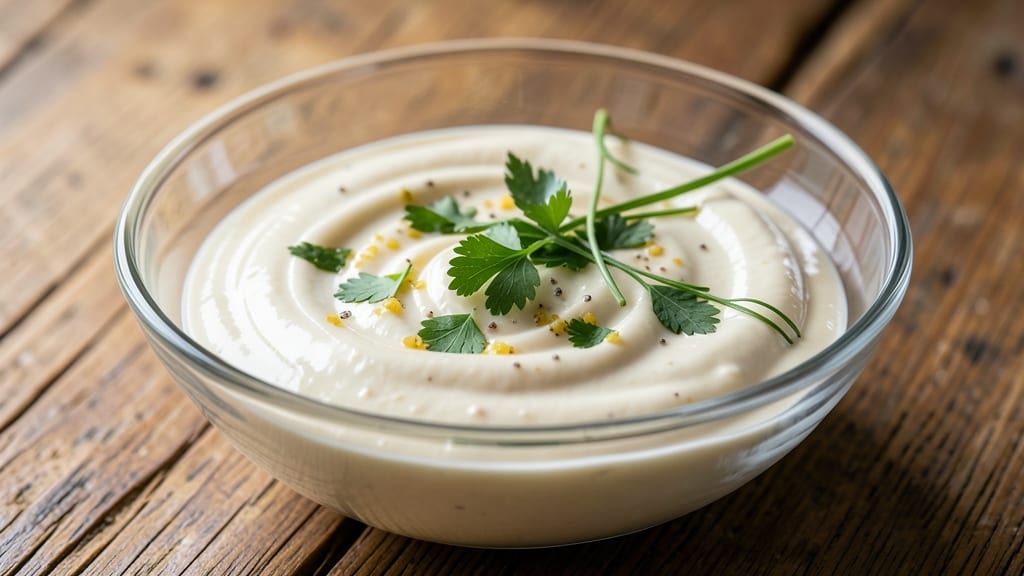
This Ballymaloe sauce recipe delivers the signature creamy texture and bright, herbaceous flavor that makes it a restaurant staple. 💛 The secret lies in balancing rich cream with sharp vinegar and mustard, creating a sauce that's both luxurious and complex.
I've perfected this version to stay true to the original while making it accessible for home cooks.
The sauce begins with a velvety base of cream and mustard, where the vinegar plays a crucial role in cutting through the richness. Fresh tarragon and parsley add that signature herbal brightness, while a touch of celery seed deepens the flavor profile.
The result is a sauce that's creamy yet tangy, with just the right amount of bite.
What sets this Ballymaloe sauce apart is its versatility—it elevates everything from roasted chicken and fish to fresh salads. The texture remains smooth and luxurious, never breaking or separating, even after refrigeration. It's the kind of sauce that transforms ordinary meals into something special.
With just a few simple ingredients and a method that's easy to follow, you'll have restaurant-quality sauce ready in under 15 minutes. The best part? It keeps beautifully in the fridge for up to a week, so you can make a batch and enjoy it throughout the week.
Ingredients for ballymaloe sauce
Nine simple ingredients transform into the creamy, tangy sauce that makes everything taste special.
| Ingredient | Amount | Notes |
|---|---|---|
| Heavy Cream 🥛 | 1 ½ cups | Full-fat for best texture |
| White Wine Vinegar 🍷 | ½ cup | Sharp, not sweet variety |
| Dijon Mustard 🥬 | 1 tbsp | High-quality, smooth type |
| Fresh Tarragon 🌿 | ¼ cup | Finely chopped, stems removed |
| Fresh Flat-Leaf Parsley 🌿 | ¼ cup | Chopped, packed tightly |
| Celery Seed 🧅 | ½ tsp | Ground for depth of flavor |
| Salt 🧂 | ½ tsp | Kosher or sea salt |
| Black Pepper 🌶️ | ¼ tsp | Freshly ground preferred |
| Unsalted Butter 🧈 | 2 tbsp | Cold, cubed for richness |
The cream is the heart of this sauce, so don't skimp—full-fat works best (trust me, it's worth it). For the vinegar, grab a good white wine vinegar from the fancy section—Trader Joe's or Whole Foods have solid options. Fresh tarragon is ideal, but if you can't find it, dried tarragon at half the amount gets you close. I always buy extra tarragon because it's one of those herbs that makes or breaks the sauce. The parsley should be bright green—wilted leaves mean it's past its prime.
No Dijon mustard? Yellow mustard in a pinch, but it won't be as smooth. Celery seed is non-negotiable for that signature depth—don't skip it. For the butter, cold cubes melt beautifully into the sauce without breaking the emulsion. Want to make it even creamier? Add 1 extra tablespoon of butter at the end. The salt and pepper are simple but essential—freshly ground black pepper adds a nice bite. If you're making this ahead, taste as you go—the flavors meld beautifully over time.
This sauce keeps like a dream—up to 1 week in the fridge, sealed tight. For longer storage, freeze in ice cube trays and pop out what you need. It reheats perfectly—just warm gently on the stove or microwave for 30 seconds. The texture stays velvety smooth, never grainy. I always make a double batch because it disappears fast—roasted chicken, fish, or even mashed potatoes become next-level with this sauce.
Why You'll Love This Recipe
- No-Fuss Whisking: I swear by this sauce because it’s just three minutes of stirring—no blender, no straining, no stress. The heavy cream and vinegar blend like magic when you let it sit, while the Dijon mustard adds that little kick without extra work.
- Herb-Packed Brightness: That tarragon and parsley? They turn this into something special—fresh, herbal, and just tangy enough to cut through rich dishes. Honestly, the first time I made it, I drizzled it on everything just to test.
- Dresses Up Anything: It’s my secret weapon for eggs, fish, or even grilled chicken. (Yes, even on a Tuesday night.) The balance of creaminess and acidity makes it work for brunch, weeknight dinners, or fancy-ish gatherings without trying too hard.
- Stays Fresh for Days: Make a big batch—it keeps in the fridge for at least five days, and honestly, I’ve stretched it to a week if I’m careful. The mustard and vinegar preserve it, so you’re never scrambling for a last-minute sauce.
Step-by-step instructions for creamy celery crown velocity
This velvety sauce comes together in minutes—smooth, tangy, and packed with herbaceous depth.
🍳 Step 1: Whisk Together Cream and Vinegar
In a medium saucepan, combine the 1.5 cups heavy cream and 0.5 cup white wine vinegar. Place over medium-low heat and warm gently, stirring constantly with a wooden spoon. You're looking for the mixture to reach a gentle simmer—small bubbles forming around the edges—but never boil. This step infuses the cream with the vinegar's sharp brightness without curdling.
Here's the thing—if you see the cream starting to separate or turn grainy, immediately reduce the heat to lowest setting and stir vigorously. The vinegar's acidity can be tricky, so keep an eye on it. Once the mixture is just simmering, remove it from heat and let it cool for 2 minutes—this prevents the butter from seizing when you add it later.
👨🍳 Step 2: Add Butter and Mustard
While the cream cools slightly, add the 2 tbsp cold cubed unsalted butter and 1 tbsp Dijon mustard. Whisk vigorously until the butter melts completely and the mixture becomes thick and glossy. The butter adds richness while the mustard deepens the flavor profile—don't skip this step, even though it seems simple.
Real talk: if you add cold butter to hot cream, you'll end up with a lumpy sauce. That's why the 2-minute cooling period matters. The butter should melt smoothly, creating a silky texture that's the foundation of this sauce. Taste and adjust seasoning now—you'll likely need to add ½ tsp salt and ¼ tsp black pepper to balance the acidity.
🥘 Step 3: Incorporate Herbs and Celery Seed
In a separate bowl, combine the 0.25 cup finely chopped fresh tarragon, 0.25 cup chopped fresh flat-leaf parsley, 0.5 tsp ground celery seed, remaining ½ tsp salt, and ¼ tsp black pepper. Stir the warm cream mixture back into the saucepan and add the herb blend. Let it simmer gently over low heat for 3-4 minutes, stirring occasionally.
You'll notice the tarragon's anise-like aroma filling your kitchen—that's when you know you're on the right track. The celery seed adds an earthy depth that complements the creaminess perfectly. If the sauce starts to thicken too much, whisk in 1-2 tablespoons of warm water to reach your desired consistency. The goal is a sauce that coats the back of a spoon but still flows smoothly.
⏰ Step 4: Strain and Serve Warm
For the smoothest texture, strain the sauce through a fine-mesh sieve into a clean saucepan. This removes any herb stems and creates that signature velvety finish. Return the sauce to low heat and keep it warm—never boiling—until ready to serve. The sauce should be creamy with just a hint of tang from the vinegar, perfectly balancing all the flavors.
This sauce is incredibly versatile—drizzle it over roasted meats, use it as a dip for crusty bread, or serve it with grilled vegetables. The key to success is keeping everything warm but never boiling, as that can break the emulsion and make the sauce separate. If it does start to thicken up as it cools, simply whisk in a splash of warm water or milk to restore its silky texture.
Pro Tips For Making Ballymaloe Sauce
- STRAIN THE HERBS: Don’t just chop and toss the tarragon and parsley—give them a rough chop and steep in the cream for 5 minutes before straining. I learned this the hard way when my sauce tasted bitter; the herbs need time to infuse, not just a quick stir.
- WHISK THE CREAM COLD: Chill the heavy cream before whisking it into the vinegar mixture, or you’ll end up with a broken sauce. Warm cream separates when hit with acid—this isn’t mayo, and it won’t come back.
- MEASURE THE VINEGAR PRECISELY: That 2-tablespoon splash of white wine vinegar isn’t optional—use a measuring spoon. Too little and the sauce tastes bland; too much and it’s harsh. Trust the recipe here, even if you’re tempted to eyeball it.
- FINISH WITH A PINCH OF SALT: The Dijon mustard and vinegar already pack salt, but the sauce needs an extra pinch to balance the cream’s richness. Taste before serving—if it’s flat, it’s missing this final touch.
Make-ahead tips for this dish
Batch Prep Strategy
Make a double batch of this sauce—it disappears fast! I always prepare 3 cups total (double the recipe) because it elevates roasted chicken, fish, and even mashed potatoes like magic.
Store in glass airtight containers (like Le Parfait jars) to preserve that velvety texture. Label with the date—it keeps up to 7 days in the fridge. 💛
Freezer-Friendly Method
For longer storage, freeze in ice cube trays—each cube equals 1 tablespoon. Pop them into ziplock bags and flatten to save space. Thaw overnight in the fridge, then reheat gently on the stove with 1 tablespoon warm water to restore creaminess.
Perfect for last-minute dinners or meal prep. 🧊
Reheating Secrets
Never microwave this sauce directly—it breaks the emulsion. Instead, transfer to a small saucepan and warm over low heat with 1-2 tablespoons of warm water or milk. Stir constantly until just heated through—no boiling.
If it thickens too much, whisk in a splash of liquid. The result? Silky smooth, just like fresh. ✨
Flavor Boost Over Time
The sauce actually improves overnight as the flavors meld. Taste after 24 hours—you’ll notice the tarragon and celery seed deepen, and the vinegar’s sharpness mellows. For extra richness, stir in 1 extra tablespoon of butter before serving. Trust me, it’s worth the wait. 💡
Portion Control Tips
Use small ramekins (like 2-ounce portions) for individual servings. Store in the fridge and reheat just before using—this keeps the sauce luxuriously creamy. For quick lunches, drizzle over grilled salmon or roasted veggies straight from the fridge (no reheating needed). 🍽️
Sauce as a Dip
This sauce doubles as a showstopping dip for crusty bread, spring rolls, or veggie sticks. Chill it slightly before serving to enhance its tangy brightness. Garnish with extra parsley and a pinch of celery seed for a restaurant-worthy touch. Your guests will think you’re a pro! 🌟
Nutrition facts
Frequently asked questions
Can I substitute white wine vinegar with another vinegar?
White wine vinegar is ideal for its bright acidity, but you can use apple cider vinegar or rice vinegar in a pinch. Avoid balsamic or red wine vinegar—they'll change the sauce's delicate balance. If using a milder vinegar, add ½ teaspoon extra to maintain the tang.
Why did my sauce turn grainy or separate?
This usually happens if the cream boils or if cold butter is added too quickly. Always warm the cream gently over medium-low heat and let it cool for 2 minutes before adding butter. If it separates, whisk in 1 tablespoon warm water or milk to restore smoothness. The key is patience—rushing causes lumps!
What's the best way to use leftover Ballymaloe sauce?
This versatile sauce elevates everything! Drizzle over grilled chicken or fish, mix into mashed potatoes, or use as a dip for spring rolls or veggies. For extra flair, top with chopped parsley and a pinch of celery seed. It also works wonders in pasta dishes or as a sandwich spread.
Can I make this sauce dairy-free?
Yes! Replace the heavy cream with full-fat coconut milk (canned, for creaminess) and use dairy-free butter or olive oil. The texture will be slightly lighter, but the tangy herb notes still shine. For extra richness, stir in 1 tablespoon coconut cream at the end.
How do I adjust the thickness of the sauce?
For a thicker sauce, simmer uncovered for 1-2 extra minutes to reduce. To thin it out, whisk in 1 tablespoon warm water or milk at a time. The perfect consistency coats the back of a spoon but still flows smoothly—aim for that creamy, velvety finish that's signature to Ballymaloe sauce.