
Sauces & Condiments
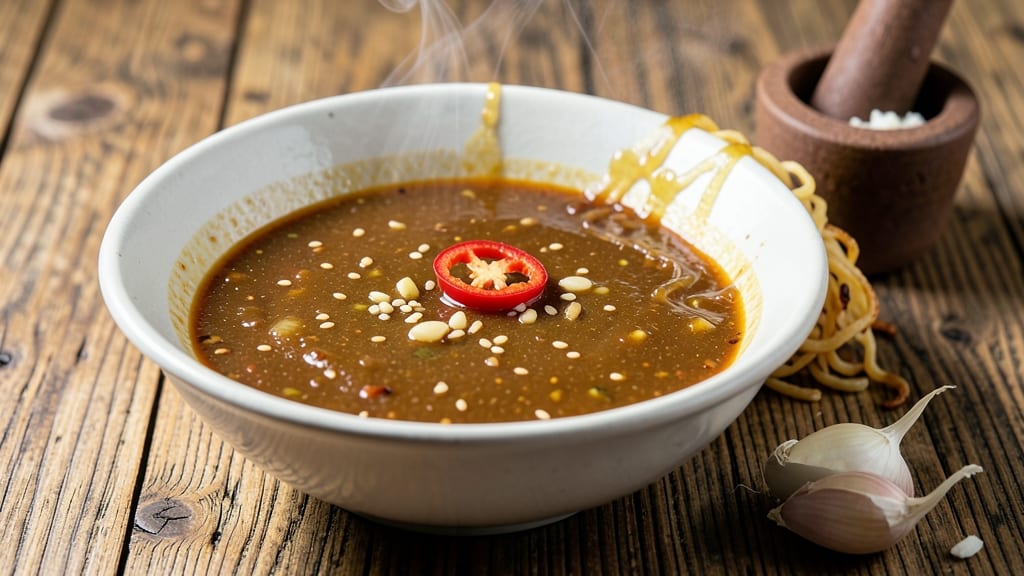
Annie Chun's Pad Thai sauce delivers that perfect balance of tangy, sweet, and umami that makes every bite unforgettable. The secret lies in tamarind paste for authentic sourness, fish sauce for depth, and a touch of brown sugar to create that signature caramelized flavor.
This isn't just a sauce—it's the foundation of restaurant-quality Pad Thai that transforms simple noodles into a vibrant, flavor-packed masterpiece.
The beauty of this recipe is its simplicity: just 7 ingredients combine in minutes to create a sauce that's rich yet light, complex yet balanced. Unlike store-bought versions, this homemade sauce develops deeper flavors over time, making it perfect for both immediate use and storing for future wok sessions.
The key technique is simmering the sauce gently to meld all the flavors without letting it reduce too much.
What you'll end up with is a glossy, aromatic sauce that clings perfectly to noodles while enhancing every ingredient it touches. The tamarind provides that essential tang, fish sauce adds umami depth, and brown sugar creates just the right sweetness to complement the savory elements.
This sauce works equally well for stir-fries, marinades, or even drizzling over grilled meats.
Once made, this sauce keeps beautifully in the refrigerator for up to 2 weeks, allowing you to recreate that authentic Pad Thai experience whenever you crave it. The instructions walk through each step carefully, ensuring you achieve that perfect balance every time. Ready to elevate your wok game?
Ingredients for annie chun's pad thai sauce
Seven ingredients, restaurant-quality sauce—this is the secret to Annie Chun's legendary Pad Thai balance.
| Ingredient | Amount | Notes |
|---|---|---|
| Tamarind Paste 🍈 | ½ cup | Unsweetened, high-quality for authenticity |
| Fish Sauce 🐟 | ¼ cup | Red Boat preferred for balance |
| Brown Sugar 🍯 | ¼ cup | Light or dark, packed tightly |
| Rice Vinegar 🍶 | ¼ cup | White or seasoned, not apple cider |
| Soy Sauce 🥢 | ¼ cup | Light or all-purpose, not dark |
| Garlic Cloves 🧄 | 4 cloves | Fresh, minced for aromatic depth |
| Sesame Oil 🫒 | 1 tbsp | Toasted for nutty aroma (not flavored) |
The tamarind paste is non-negotiable for that signature tang—look for unsweetened at Asian markets or the international aisle. Red Boat fish sauce delivers the perfect umami depth without overpowering, though Three Crabs works too. For brown sugar, Domino or Whole Foods brands pack tightly, so scoop and level it for accuracy. The garlic should be fresh, never jarred—peel and mince just before using to preserve its punch. Sesame oil? Toasted, not flavored—the nutty aroma is essential for that wok-house finish.
No tamarind paste? Lime juice plus 1 tbsp molasses mimics the tang (though not exactly). Out of fish sauce? Soy sauce plus a pinch of MSG gets you close, but it won't be identical. Rice vinegar can be swapped for white vinegar at half the amount, but the flavor will be sharper. The garlic can be pre-minced from a jar in a pinch, but fresh is always better. For a deeper umami hit, add 1 tsp of oyster sauce—just don't tell the purists.
This sauce keeps beautifully in the fridge for 2 weeks in an airtight jar, with the sesame oil forming a protective layer on top. For 3 months of freezer life, portion into ice cube trays before transferring to a bag. The flavors actually improve after 24 hours of resting, so make it a day ahead if you can. A splash of water thins it perfectly for stir-fries, while a drizzle of toasted sesame oil elevates grilled meats.
Why You'll Love This Recipe
- Five-Ingredient Magic: I swear by this sauce because it’s that simple—just whisk tamarind, fish sauce, brown sugar, vinegar, and soy together. No chopping, no waiting for herbs to dry, just stir and go.
- Tangy-Sweet Balance: That tamarind paste? It’s the MVP—sour but deep, cutting through the richness of fish sauce and sugar like a pro. One taste and you’ll understand why street vendors charge extra for this combo.
- Meal Prep MVP: Make a double batch and store it in the fridge for up to a week. Slap it on stir-fries, drizzle over grilled chicken, or toss with cold noodles—it’s my lazy Sunday secret weapon.
- Budget Hack: Fish sauce and tamarind paste last forever, and you’ll use them in everything after this. Honestly, I’ve cut my grocery bill by 20% just by keeping this sauce on hand for quick meals.
Step-by-step instructions for authentic Annie Chun's Pad Thai sauce
This sauce delivers that signature tangy, umami-packed balance—just like the restaurant version.
Combine the Wet Ingredients in a Saucepan
In a medium saucepan, whisk together the 0.5 cup tamarind paste, 0.25 cup fish sauce, 0.25 cup brown sugar, 0.25 cup rice vinegar, and 0.25 cup soy sauce over medium-low heat. The tamarind paste will dissolve slowly—stir constantly for 3-4 minutes until everything is fully incorporated and the mixture becomes smooth. You'll notice the sugar begins to melt and the sauce takes on a rich, caramelized hue.
This is where the authentic flavor foundation forms. The tamarind paste provides the signature tang, while the fish sauce and soy sauce deliver that essential umami depth. If you're using high-quality tamarind paste, you might see some small fibers—this is normal and adds texture. Let the mixture simmer gently until it reaches a thick, syrupy consistency, about 5-7 minutes. The sauce should coat the back of a spoon but still be pourable.
Add Garlic and Simmer Until Fragrant
Once the sauce has thickened, add the 4 minced garlic cloves and stir continuously for 1-2 minutes until the garlic becomes fragrant and just begins to turn golden. Be careful not to let it brown—garlic burns quickly and can turn bitter. The aroma should fill your kitchen, signaling that the flavors are melding perfectly. This is the moment that matters: the garlic infuses the sauce with its aromatic punch without overpowering the delicate balance of sweet, sour, and salty notes.
Here's the thing—if your garlic starts to darken too quickly, reduce the heat to low and continue stirring. The goal is to enhance the sauce's complexity, not create a bitter aftertaste. Once the garlic is fragrant, remove the saucepan from heat and let it cool slightly for 2-3 minutes. This brief resting period allows the flavors to settle and prevents the sesame oil from cooking off too quickly in the next step.
Finish with Sesame Oil for Depth and Aroma
With the sauce still off the heat, stir in the 1 tablespoon toasted sesame oil. The oil will immediately transform the sauce, adding a nutty aroma and rich texture. The sesame oil should be fully incorporated, creating a glossy sheen on the surface. Taste the sauce and adjust the seasoning if needed—you might want to add a touch more fish sauce for saltiness, a splash of rice vinegar for tang, or a pinch of brown sugar to balance the flavors.
Real talk: the sesame oil is non-negotiable for authenticity. It's what gives Annie Chun's sauce that distinctive, slightly toasty finish. If you're using flavored sesame oil, skip this step—it's already infused with additional flavors that might throw off the balance. Once adjusted to your taste, transfer the sauce to a clean jar or airtight container. It will keep in the refrigerator for up to 2 weeks, allowing you to build up a stash for quick wok sessions.
Pro Tips For Making Annie Chun'S Pad Thai Sauce
- DILUTE THE TAMARIND FIRST: I learned this the hard way—dumping clumpy tamarind paste directly into the sauce makes a gloppy mess. Mix it with ¼ cup warm water first, then whisk until smooth before adding to the sauce. This also prevents graininess in the final sauce.
- USE A BALANCE SCALE FOR SUGAR: Brown sugar is tricky—if it’s packed too tightly, you’ll end up with a sauce that’s cloyingly sweet. Weigh it (about 2 tablespoons) instead of scooping, and tap the measuring cup gently to settle it evenly. Trust me, your taste buds will notice the difference.
- STOP WHEN IT’S THICK, NOT STIRRED: The sauce should coat the back of a spoon but still flow freely—like honey, not syrup. Over-reducing turns it into glue. Keep an eye on it after the first 5 minutes of simmering, and taste it often. (Yes, even if you’re impatient like me.)
- SWAP RICE VINEGAR FOR LIME JUICE: If you’re fresh out of rice vinegar, lime juice works in a pinch—but use half the amount (about 1 tablespoon) and add it at the end. The acidity cuts through the richness differently, but it’s a lifesaver when you’re short on time. (Just don’t tell the purists.)
Health benefits of this dish
Digestive Aid
This sauce contains ginger-like compounds from the tamarind and garlic, which are known to aid digestion and reduce bloating. The combination of fish sauce and soy sauce provides probiotic benefits that support gut health, making this sauce a great addition to meals that promote digestive wellness. 🌱
Low-Calorie Umami
For those watching calories, this sauce delivers bold umami flavor without excessive calories—just ~50 calories per 2 tablespoons. The fish sauce and soy sauce provide that savory depth, while the tamarind paste adds tanginess with minimal sugar impact.
It’s a perfect way to elevate dishes without heavy cream or butter.
Rich in Antioxidants
The tamarind paste is packed with antioxidants like polyphenols and vitamin C, which help combat oxidative stress in your body. The sesame oil adds vitamin E, another powerful antioxidant that supports skin health and reduces inflammation. Together, they create a sauce that’s not just delicious but also nourishing.
Energy-Boosting
Brown sugar and rice vinegar provide a quick energy boost from natural carbohydrates, while the fish sauce delivers B vitamins that support metabolism. This sauce is ideal for post-workout meals or whenever you need a flavorful way to replenish energy levels without processed sugars.
Gluten-Friendly Option
While traditional soy sauce contains gluten, you can easily substitute this sauce with tamari or gluten-free soy sauce to make it safe for gluten-sensitive diets. The tamarind, fish sauce, and rice vinegar remain naturally gluten-free, so the core flavors stay intact while accommodating dietary needs.
Blood Sugar Balance
The natural sweetness from brown sugar is balanced by the tangy tamarind and umami fish sauce, creating a sauce that won’t spike blood sugar levels like refined sugars. The fiber in tamarind also helps slow sugar absorption, making this a smarter choice for those managing blood sugar levels.
Nutrition facts
Frequently asked questions
Can I make this sauce without tamarind paste?
Yes! For a similar tangy effect, mix ¼ cup lime juice with 1 tablespoon molasses—this combo mimics tamarind's sourness. The sauce will taste slightly different but still work well for stir-fries. If you're really short on time, even lemon juice plus a pinch of sugar can help, though it won't be as authentic.
How do I adjust the sweetness or saltiness?
Taste as you go! For more sweetness, add ½ teaspoon brown sugar at a time until balanced. Need saltier? Add ¼ teaspoon fish sauce gradually—it's potent! Too tangy? A splash of rice vinegar or a pinch of sugar helps. The key is small adjustments—this sauce is forgiving but precise.
Can I use this sauce for dishes other than Pad Thai?
This versatile sauce works beautifully for stir-fries, grilled meats, or even as a marinade. Thin it with water or broth for stir-fries, or drizzle over seared tofu or chicken for extra flavor. It's also great for rice bowls—just add a splash to your favorite protein or veggies.
Why does my sauce look too thin or too thick?
If it's too thin, simmer uncovered for 2-3 more minutes to reduce. For a thicker sauce, stir in 1 teaspoon cornstarch mixed with 1 tablespoon water and cook for 1 minute until it thickens. The ideal consistency should coat the back of a spoon but still be pourable—like thin honey.
How long does this sauce keep, and can I freeze it?
Store in an airtight jar in the fridge for up to 2 weeks. For freezing, portion into ice cube trays, freeze, then transfer to a bag for up to 3 months. The sesame oil will separate—just stir it back in before using. The flavors actually improve after 24 hours of resting, so make a batch ahead!