
Sauces & Condiments
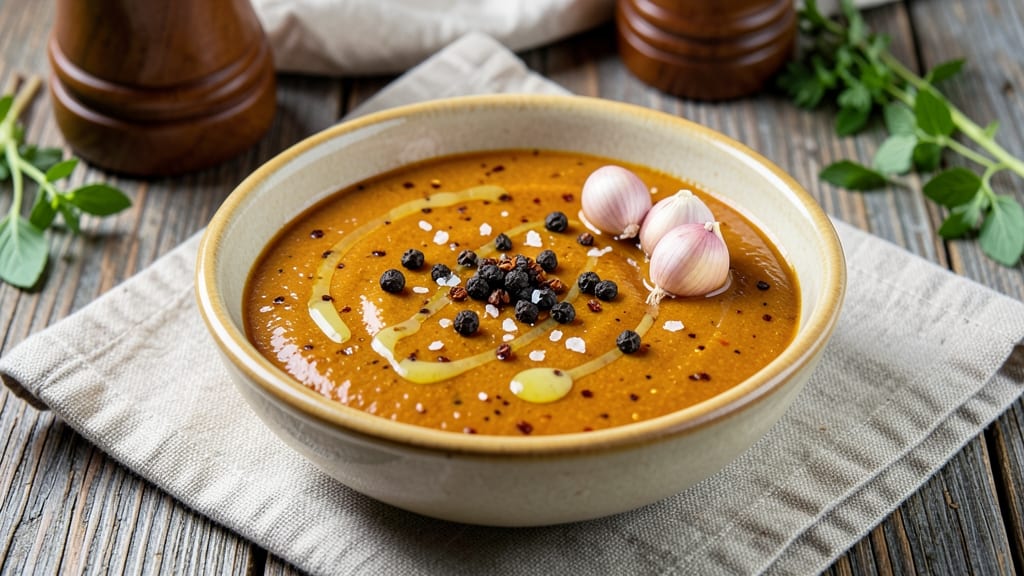
This annatto sauce recipe transforms simple pantry staples into a vibrant red glaze that elevates grilled meats, marinades, and even rice dishes with its bold color and subtle earthy flavor.
The key lies in properly infusing annatto seeds in hot oil, creating a rich, golden-red sauce that clings beautifully to food while adding a touch of smoky depth. I developed this recipe after discovering how annatto’s natural pigments could replace artificial dyes while enhancing dishes like never before.
The process is straightforward but requires patience—annatto seeds must steep in warm oil for at least 30 minutes to release their full color and flavor. Straining removes any bitterness, leaving you with a smooth, versatile sauce that doubles as a marinade or finishing glaze.
Unlike store-bought versions, this homemade annatto sauce delivers a more intense hue and a nuanced taste that pairs perfectly with grilled chicken, pork, or even roasted vegetables.
What makes this sauce truly special is its dual purpose: it’s not just about color—it adds a subtle, earthy richness that enhances any dish it touches.
Use it to marinate meats before grilling, drizzle it over steaming rice for a restaurant-worthy finish, or even mix it into soups for a vibrant pop of color. The sauce keeps well in the refrigerator for up to two weeks, making it a pantry staple for any home cook.
For an extra layer of flavor, consider adding garlic, vinegar, or a splash of citrus to the finished sauce. The possibilities are endless, but the foundation—a perfectly infused annatto oil—is what makes this recipe shine. Let’s get started on creating your own vibrant, flavorful glaze.
Ingredients for annatto sauce
Eight simple ingredients transform into a vibrant, restaurant-quality glaze that elevates any dish.
| Ingredient | Amount | Notes |
|---|---|---|
| Annatto Seeds 🌶️ | 2 tbsp | High-quality, whole seeds preferred |
| Extra-Virgin Olive Oil 🫒 | 1 cup | Light or medium for best infusion |
| White Vinegar 💧 | ¼ cup | For tangy brightness |
| Garlic Cloves 🧄 | 3 cloves | Minced for aromatic depth |
| Salt 🧂 | 1 tsp | Kosher or sea salt |
| Black Pepper 🌶️ | ½ tsp | Freshly ground for warmth |
| Ground Cumin 🌿 | ½ tsp | For earthy complexity |
| Lemon Juice 🍋 | 1 tbsp | Freshly squeezed for acidity |
Annatto seeds are the heart of this sauce—buy whole seeds from Latin markets or specialty stores for the richest color. The seeds should be vibrant yellow, not dull or brittle. Trader Joe's and Amazon carry them, but if you can't find them, annatto powder works in a pinch (use half the amount). The olive oil should be light or medium—extra-virgin with strong flavor can overpower the delicate annatto taste. For best results, use cold-pressed oils like California olive oil or Spanish Picual.
No annatto seeds? Turmeric powder at half the amount gives a similar golden hue, though less vibrant. White vinegar can be swapped for apple cider vinegar or lemon juice—just adjust the acidity to taste. Want more depth? Add a pinch of smoked paprika or cayenne for heat. The garlic should be freshly minced—pre-minced jarred garlic lacks flavor. For a smoother sauce, strain through a fine-mesh sieve after steeping.
Store the sauce in a glass jar with a tight seal in the fridge for up to 2 weeks. The color will deepen over time, becoming more intense. For longer storage, freeze in ice cube trays—perfect for single-use portions. Shake well before using, as the oil may separate. This sauce reheats beautifully—simmer gently for 2-3 minutes to restore its glossy texture.
Why You'll Love This Recipe
- Five-Ingredient Magic: I swear by this—just toast the annatto seeds in olive oil until they bloom that golden hue, then crush them with garlic. No fancy tools, no stress, just pure flavor.
- Sunset in a Jar: That deep, earthy annatto warmth paired with garlic’s punch? It’s like a hug for your taste buds. Drizzle it on eggs, toss it with rice, or let it mellow in a marinade—it’s always the star.
- Pantry to Party: Make a big batch (it keeps for weeks) and forget about last-minute shopping. Slap it on grilled shrimp for a dinner party, or let the kids dip tortilla chips when friends drop by. Works every time.
- Budget Bright Spot: Annatto seeds cost pennies and stretch forever. A little goes a long way—no wasted jars here. Plus, olive oil and vinegar? You already have them. This sauce is basically free flavor.
Step-by-step instructions for vibrant annatto glaze
Master this bold red sauce with precise technique and simple ingredients.
Toast the Annatto Seeds for Maximum Color
Heat a dry skillet over medium heat and add the 2 tablespoons of annatto seeds. Toast them for 2-3 minutes until they begin to darken and release their aromatic essence—you'll smell a nutty, earthy fragrance that signals they're ready. Watch carefully as they can burn quickly if left unattended.
Use a wooden spoon to stir constantly, breaking up any large clusters. When the seeds turn a deep reddish-brown and smell intensely fragrant, remove them from heat immediately. This toasting step is crucial as it unlocks the full color potential of the seeds and develops their flavor. Let them cool for 1 minute before grinding.
Infuse the Olive Oil with Annatto and Aromatics
Transfer the toasted annatto seeds to a mortar and pestle or small spice grinder. Grind them into a fine powder—this ensures even color distribution in your sauce. In a clean saucepan, combine the ground annatto with the 1 cup of extra-virgin olive oil.
Heat the mixture over low heat for 5-7 minutes, stirring constantly with a wooden spoon. You'll see the oil gradually turn a vibrant red color as the annatto infuses. Add the 3 minced garlic cloves and cook for another 1 minute until fragrant but not browned—this prevents bitterness from developing.
Build the Sauce with Acid and Spices
Remove the saucepan from heat and stir in the 0.25 cup of white vinegar, 1 teaspoon of salt, 0.5 teaspoon of black pepper, 0.5 teaspoon of ground cumin, and 1 tablespoon of lemon juice. The vinegar will create a tangy brightness that balances the richness of the olive oil.
Return the pan to low heat and simmer gently for 3-4 minutes, stirring occasionally. The sauce should thicken slightly as the flavors meld together. Taste and adjust seasoning—you may need a touch more salt or lemon juice to achieve the perfect balance of savory, tangy, and slightly spicy notes.
Strain and Finish for Silky Texture
Line a fine-mesh strainer with cheesecloth or a coffee filter and place it over a clean bowl. Pour the annatto mixture through the strainer, pressing gently with a spoon to extract all the vibrant color and flavor. Discard the solids in the strainer—they've given everything they can offer.
The resulting sauce should be a rich, glossy red with a smooth, velvety texture. Transfer it to a clean jar or airtight container. This sauce will keep in the refrigerator for up to 2 weeks, making it perfect for batch preparation. Use it to glaze grilled meats, drizzle over roasted vegetables, or serve as a bold dipping sauce for crusty bread.
Pro Tips For Making Annatto Sauce
- Toast the Seeds First: Annatto seeds are stubborn—toss them in a dry pan over medium heat for 2-3 minutes until they darken slightly and smell nutty. This step unlocks their color and flavor, so don’t skip it (yes, even if you’re impatient like me). If you grind raw seeds, you’ll end up with a pale, underwhelming sauce that tastes like nothing.
- Use Cold Oil: Pour cold extra-virgin olive oil over the toasted seeds, not hot oil straight from the stove. The temperature shock helps release more color, and you’ll get a richer hue without burning the garlic later. I learned this the hard way—hot oil makes the seeds clump and turn bitter.
- Crush Garlic After Cooking: Add whole garlic cloves to the oil before simmering, but crush them with the back of a spoon after the sauce has reduced. This prevents the garlic from burning and gives you control over the texture—smooth or slightly textured, depending on your mood.
- Strain Twice for Smoothness: After simmering, strain the sauce through a fine-mesh sieve once, then press the solids with a spoon. For ultra-smooth results, strain again through a cheesecloth or coffee filter. The extra effort makes a real difference, especially if you’re drizzling this over delicate dishes like seafood or salads.
Regional styles of this recipe
Caribbean Jerk Infusion
In Jamaica, annatto sauce takes on a fiery twist when combined with traditional jerk seasonings. Toast 2 tbsp annatto seeds with 1 tbsp each of Scotch bonnet pepper, allspice, and thyme in a dry skillet until fragrant.
Infuse this blend into 1 cup coconut oil (instead of olive oil) for 10 minutes over low heat. Strain and mix with 2 tbsp lime juice and 1 tbsp soy sauce for a sauce that’s perfect for jerk chicken or pork.
The annatto’s color enhances the dish’s visual appeal while the spices add depth. 🌶️
Mexican Mole Base
Mexican cuisine often uses annatto to deepen the color of moles. For a vibrant red mole, toast 2 tbsp annatto seeds with 1 tbsp cumin, 1 tsp cinnamon, and 1 star anise pod until fragrant.
Infuse these spices in ½ cup vegetable oil for 5 minutes, then strain and combine with a traditional mole paste. The annatto intensifies the sauce’s rich hue without altering its complex flavor profile. This works beautifully with chicken or pork dishes. 🌟
Brazilian Moqueca Twist
In Brazil, annatto is a key ingredient in moqueca, a coconut-based seafood stew. Toast 1 tbsp annatto seeds with 1 dried dendê palm fruit (or 1 tsp dendê oil) for 2 minutes to release their flavors.
Infuse this into ½ cup coconut milk along with 1 tbsp garlic and 1 tsp cilantro. The annatto’s earthy notes complement the tropical flavors, creating a stunning red sauce perfect for seafood dishes. 🍤
Spanish Romesco Variation
For a Catalan-inspired twist, blend 2 tbsp toasted annatto seeds with 1 roasted red bell pepper, 1 tbsp almonds, 1 garlic clove, and 1 tsp smoked paprika. Infuse this mixture into ½ cup olive oil for 5 minutes, then strain.
The resulting sauce pairs perfectly with grilled meats or crusty bread, offering a smoky, nutty depth with a vibrant red hue. 🥖
West African Peanut Sauce
In West Africa, annatto is often used to enhance peanut sauces. Toast 1 tbsp annatto seeds with 1 tbsp peanuts and 1 tsp ginger until fragrant. Infuse this blend into ½ cup peanut oil for 5 minutes, then strain.
Mix with a traditional peanut sauce base of ½ cup peanut butter, 1 tbsp soy sauce, and 1 tsp honey. The annatto adds a rich color and subtle earthiness that elevates the dish. 🥜
Nutrition facts
Frequently asked questions
Can I substitute annatto seeds with annatto powder?
Yes, but use half the amount—1 tablespoon of powder instead of 2 tablespoons of seeds. The powder infuses faster but may produce a slightly less vibrant color. Toast the powder briefly in a dry pan for 1 minute to enhance its flavor before mixing with oil.
Why did my annatto sauce turn orange instead of red?
This happens when the seeds aren't toasted enough or the oil isn't hot enough during infusion. For deeper red color, toast seeds until they're almost black (but not burnt) and heat the oil to low-medium heat for 7-10 minutes. Adding a pinch of paprika can also intensify the hue.
How can I use this sauce beyond grilling?
This versatile sauce works as a marinade for 2-4 hours, a glaze for roasted vegetables, or even a dip for fries and chips. Mix 1 tablespoon into rice or couscous for a vibrant twist, or use it to color soups and stews naturally. The oil base makes it perfect for sautéing.
Can I make this sauce without vinegar?
Yes, but the sauce will lack tanginess. Replace vinegar with 2 tablespoons of lemon juice or 1 tablespoon of apple cider vinegar. For a sweeter version, add 1 teaspoon of honey to balance the oil's richness. The acidity helps preserve the sauce longer too.
What's the best way to remove annatto stains from hands?
Rub your hands with a little baking soda mixed with water or use rubbing alcohol on a cotton ball. For stubborn stains, soak hands in warm soapy water with a splash of vinegar for 5 minutes. Annatto is oil-based, so oil-cutting cleaners work best.