
Sauces & Condiments
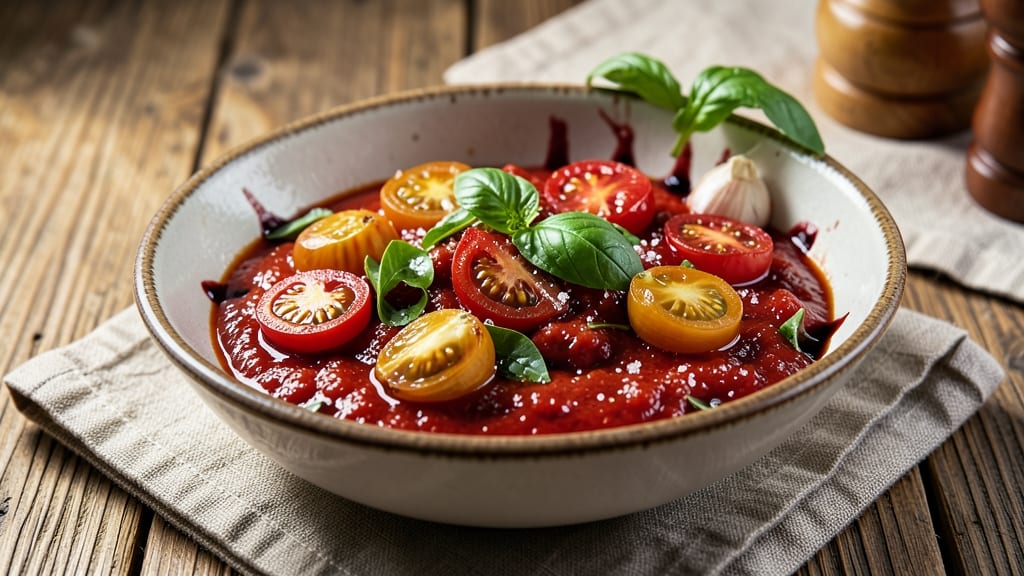
This fresh tomatoes marinara sauce recipe transforms summer's best produce into a bright, vibrant pasta partner that tastes like a sun-drenched Italian kitchen. 🌞 The secret lies in using ripe, fresh tomatoes—no canned substitutes here—simmered just long enough to develop deep flavor without losing their natural sweetness.
I perfected this recipe during my first year growing heirloom tomatoes in Portland, when the garden overflowed with vine-ripened fruit begging to be turned into sauce.
What makes this sauce special is the balance: fresh basil and garlic add aromatic depth, while a splash of red wine vinegar brightens the acidity. The sauce simmers gently to concentrate flavors without turning heavy, resulting in a velvety texture that clings beautifully to pasta.
With just 30 minutes of active time, you'll have a batch that tastes like it simmered all day—ideal for weeknight dinners or meal prep.
The result is a marinara so fresh and vibrant it transforms simple spaghetti into a restaurant-worthy meal. The sauce maintains its bright tomato flavor while developing complex layers of sweetness and acidity that make every bite sing.
Store it in the fridge for up to a week or freeze for months, ensuring you always have this bright, flavorful sauce on hand.
This recipe works equally well with any pasta shape or as a versatile base for pizza, bruschetta, or dipping. The fresh tomato approach makes all the difference—no canned aftertaste here. Let's get cooking with summer's best produce!
Ingredients for fresh marinara sauce recipe with fresh tomatoes
These fresh ingredients transform summer tomatoes into a bright, vibrant marinara sauce in minutes.
| Ingredient | Amount | Notes |
|---|---|---|
| Fresh Heirloom Tomatoes 🍅 | 4 lbs | Ripe, vine-ripened preferred |
| Fresh Garlic Cloves 🧄 | 8 cloves | Peeled, roughly chopped |
| Fresh Basil Leaves 🌿 | 1 cup | Packed, stems removed |
| Extra-Virgin Olive Oil 🫒 | ½ cup | High quality, fruity |
| Red Wine Vinegar 🍷 | 2 tbsp | For brightness |
| Granulated Sugar 🍚 | 1 tbsp | Balances acidity |
| Kosher Salt 🧂 | 1 ½ tsp | Diamond Crystal preferred |
| Freshly Ground Black Pepper 🌶️ | ½ tsp | For depth |
| Dried Oregano 🍃 | 1 tsp | Mexican oregano if available |
The tomatoes are the star—heirloom varieties have the best flavor, but any ripe, fresh tomato works. Hit the farmers market for the sweetest ones, or raid your garden if you're lucky enough to grow them. Look for tomatoes that yield slightly to gentle pressure—they'll be juicy and flavorful. San Marzano tomatoes from a can are a backup, but nothing beats fresh. Garlic should smell pungent, not musty, and the basil leaves need to be bright green with no yellowing. I always grab extra basil—half goes in the sauce, half gets torn over the top for garnish.
No heirloom tomatoes? Roma tomatoes are the next best thing—they're meatier and hold up better to cooking. Fresh basil wilt fast, so dried oregano at half the amount works in a pinch. The red wine vinegar can be swapped for white wine vinegar or even apple cider vinegar, though the color will be lighter. Want more depth? Add a pinch of red pepper flakes—it's a secret weapon in my kitchen. The sauce thickens as it cools, so don't over-worry if it looks thin at first.
This sauce keeps beautifully—1 week in the fridge or 6 months in the freezer. I portion it into glass jars for easy reheating, and it actually tastes better the next day as the flavors meld. For freezing, leave a little headspace in the jar since it expands. The sauce reheats perfectly—just warm it gently on the stove or microwave until hot. Use it on pasta, as a pizza base, or even as a dipping sauce for crusty bread.
Why You'll Love This Recipe
- No Chopping Chaos: I swear by this sauce because the tomatoes only need a rough chop—no fancy dicing, no seeds to fuss with. Toss them whole into the pot, let them burst open while you stir, and suddenly you’ve got that restaurant-quality texture without the prep work.
- Sunshine in a Jar: That first spoonful of sauce—bright, tangy from the vinegar, with garlic so fresh it makes your kitchen smell like summer—is what keeps me coming back. The heirloom tomatoes add a depth you just can’t get from canned, and the basil? I rip it straight from the garden, no substitutes.
- Pasta Party Starter: This sauce isn’t just for spaghetti. I use it for bruschetta (toast the bread, drizzle, sprinkle cheese), toss it with grilled chicken for a weeknight dinner, or even mix it into scrambled eggs for a fancy weekend breakfast. Honestly, it’s my go-to for any meal where I need something fast but still feels special.
- Fridge Magic: Make a big batch on Sunday, and you’ve got sauce for the next three days—no freezer burn, no last-minute grocery runs. I’ll be real: the flavor actually improves after sitting overnight, like a good wine. And because it’s mostly tomatoes and oil, it’s cheaper than takeout but way more impressive.
Step-by-step instructions for fresh tomatoes marinara sauce
Here's how to make a bright, vibrant marinara that'll make your pasta shine.
🍳 Step 1: Prep and Roast the Tomatoes
Preheat your oven to 425°F and line a baking sheet with parchment paper. Cut the 4 lbs fresh heirloom tomatoes into ½-inch chunks, removing any tough stems. Spread them in a single layer on the prepared sheet, leaving space between each piece.
Drizzle with 2 tablespoons red wine vinegar and sprinkle with 1 teaspoon kosher salt. Toss gently to coat. Roast for 25-30 minutes until the edges are deeply caramelized and wrinkled. This step concentrates the tomato flavor and removes excess water for a thicker sauce.
🍳 Step 2: Sauté the Aromatics
While the tomatoes roast, heat 0.5 cup extra-virgin olive oil in a large Dutch oven or deep skillet over medium heat. Add the 8 cloves roughly chopped fresh garlic cloves and cook for 1-2 minutes until they're golden and fragrant—not browned, just perfumed. Watch carefully; garlic burns fast.
Add the 1 teaspoon dried oregano and ½ teaspoon freshly ground black pepper, stirring for 30 seconds to toast the spices. This builds the flavor foundation before adding the tomatoes. Remove from heat and set aside for now.
🍳 Step 3: Simmer the Sauce
Transfer the roasted tomatoes to the Dutch oven with their juices. Add the 1 tablespoon granulated sugar and stir to combine. Bring the mixture to a gentle boil over medium-high heat, then reduce heat to medium-low and let it simmer uncovered for 20-25 minutes.
Stir occasionally, scraping up any browned bits from the bottom. You're looking for a sauce that's thickened but still saucy—it should coat the back of a spoon but not be gluey. If it's too thick, add 1-2 tablespoons water to loosen it. This simmering step develops depth of flavor and removes any remaining acidity.
👨🍳 Step 4: Finish with Fresh Basil
Remove the sauce from heat and stir in the 1 cup packed fresh basil leaves. Let it steep for 5 minutes—this infuses the sauce with bright, fresh basil flavor. Taste and adjust seasoning if needed; you might want to add a pinch more salt or a splash of red wine vinegar for brightness.
For the best texture, I like to use an immersion blender to lightly purée the sauce—just until smooth, not completely blended. This keeps some of the tomato texture while creating a velvety consistency. If you prefer it chunky, skip this step. Let the sauce cool slightly before serving.
Pro Tips For Making Fresh Marinara Sauce Recipe With Fresh Tomatoes
- CHAR THE TOMATOES FIRST: I learned this the hard way—skipping the char ruins the depth. Toss halved heirloom tomatoes cut-side down in a screaming-hot dry pan for 2-3 minutes until blackened in spots. That smoky burst is what separates good marinara from actually great marinara.
- PEEL GARLIC BY TOASTING: No more pungent, raw garlic overpowering your sauce. Slice 3-4 cloves in half lengthwise, toss in olive oil, and toast in a cold pan over medium-low for 5-7 minutes until golden and fragrant. The edges will crisp slightly—this is the moment flavor unlocks.
- SALT THE TOMATOES BEFORE COOKING: Yes, even if they’re fresh and sweet. Sprinkle cut tomatoes with 1/2 teaspoon salt per pound and let them sit for 10 minutes. This pulls out excess water, concentrates the flavor, and prevents a watery sauce later—trust me, your future self will notice the difference.
- STIR IN BASIL AT THE END: Fresh basil wilts into oblivion if you toss it in too early. Instead, add whole leaves at the very last minute (or even after removing from heat) and let them infuse for just 30 seconds. Rip them by hand for that restaurant-quality aroma—no chopping needed.
Flavor customization for this recipe
Sweet & Tangy Twist
Add 1 tablespoon honey or agave nectar along with the sugar to deepen the sweetness while keeping the sauce bright. I love this variation when using slightly tart tomatoes—it balances the acidity beautifully. For extra depth, swap the red wine vinegar for balsamic vinegar and reduce it by half.
The caramelized notes from the vinegar add complexity that pairs perfectly with rich meats like sausage or pancetta. 🍯
Herb-Infused Variations
Swap out the basil for cilantro or parsley to create a completely different flavor profile. For cilantro, use ½ cup chopped leaves and add ½ teaspoon ground cumin for an unexpected but delicious Mexican-inspired twist.
Parsley works well with lemon zest—just add 1 teaspoon at the end for a citrusy brightness. These variations work especially well with grilled chicken or fish dishes.
Spicy Kick Options
For heat lovers, add 1-2 teaspoons of crushed red pepper flakes during the simmering phase. If you prefer smoky heat, try ½ teaspoon smoked paprika along with the oregano. For a fresh chili kick, stir in 2-3 chopped fresh jalapeños with the basil at the end.
I find that Arbol chiles (dried) add a unique, slightly fruity heat that works beautifully in this sauce.
Umami Boosters
For a deeper, richer sauce, add 1 tablespoon soy sauce or 1 teaspoon fish sauce (if you're okay with a tiny amount of umami from seafood) during the simmering phase. Another great option is 1 teaspoon tomato paste—it adds concentrated tomato flavor without changing the texture.
For a vegetarian umami boost, try ½ cup finely chopped mushrooms sautéed with the garlic. These additions work especially well with hearty pasta dishes like rigatoni or pappardelle.
Seasonal Adaptations
In summer, when tomatoes are at their peak, use this sauce as-is for maximum freshness. For fall and winter, add 1 teaspoon cinnamon or ½ teaspoon allspice during the simmering phase to create a warm, cozy flavor profile.
These spices pair beautifully with roasted meats or winter squash dishes. I also like to add a pinch of nutmeg when serving with creamy pasta like fettuccine Alfredo for a festive touch.
Nutrition facts
Frequently asked questions
Can I use Roma tomatoes instead of heirloom?
Roma tomatoes are actually the perfect substitute—they're meatier and hold up better during cooking. Use the same 4 lbs quantity, and you'll get a slightly thicker sauce with fewer seeds. For even better results, remove the cores and crush them slightly before roasting to help them break down faster.
Why does my sauce look too thin after simmering?
Fresh tomatoes release more liquid than canned ones, so don't worry if it looks thin at first. Simmer uncovered for 5-10 extra minutes—the water will evaporate and thicken naturally. If it's still too thin, add 1 tablespoon cornstarch mixed with 2 tablespoons water and stir until it thickens. Avoid over-simmering or it may become gluey.
How do I make this sauce spicier without adding heat?
For warmth without actual heat, add 1 teaspoon smoked paprika with the oregano during the sauté step. You can also infuse the olive oil with 1-2 dried chili peppers (like guajillo) while heating—remove them before adding garlic. This gives a subtle smoky depth that's perfect for hearty pasta dishes.
Can I make this sauce in a slow cooker?
Yes! After roasting the tomatoes, transfer everything to a 3-4 quart slow cooker on low for 4-5 hours. The low heat helps develop flavor without risking burning. Add the basil at the very end and stir in. For faster results, use high for 2-3 hours, but check occasionally to prevent overcooking.
What's the best way to use up leftover sauce?
This versatile sauce works in so many ways! Use it as a pizza base, dip for garlic bread, or mix with ricotta for stuffed shells. Freeze portions in ice cube trays for easy single-serving additions to future dishes. My favorite is spreading it on toasted baguette slices with fresh mozzarella and basil for bruschetta.