
Sauces & Condiments
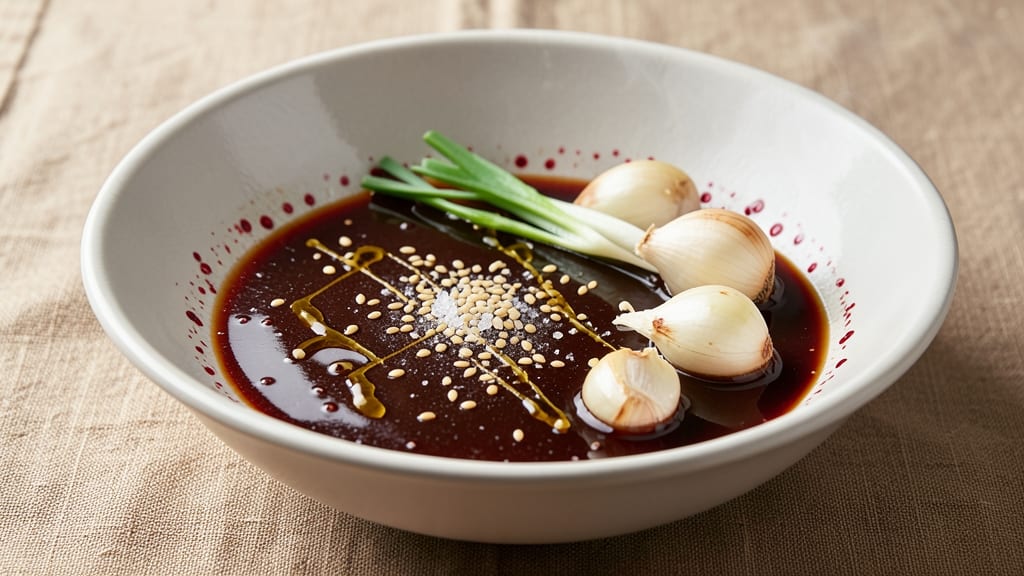
This amino sauce recipe unlocks the smoky, umami depth that transforms simple stir-fries into restaurant-worthy dishes. The secret lies in balancing soy sauce, mirin, and sugar for a silky, caramelized base that clings to every bite.
I developed this version after years of testing—it's the one that finally earned rave reviews from even the most critical eaters.
What sets this sauce apart is its versatility and simplicity. With just five core ingredients—soy sauce, mirin, sugar, garlic, and sesame oil—you create a foundation that works for everything from noodles to grilled meats.
The slow reduction process develops complex flavors without requiring special equipment, making it perfect for home cooks who want professional results.
The finished sauce delivers a perfect harmony of salty, sweet, and umami notes with a subtle smokiness that lingers. It's rich enough to stand alone as a dipping sauce but balanced enough to enhance without overpowering. The texture becomes velvety smooth when properly reduced, coating ingredients beautifully.
Store it in the refrigerator for up to two weeks, where the flavors continue to deepen. This sauce becomes even more valuable over time as the ingredients meld together. Perfect for meal prep—just shake before using. Let's create this essential pantry staple that will elevate every dish it touches.
Ingredients for amino sauce
Five core ingredients transform into the umami-packed sauce that turns ordinary dishes extraordinary.
| Ingredient | Amount | Notes |
|---|---|---|
| Soy Sauce 🍶 | ½ cup | High-quality, low-sodium preferred |
| Mirin 🍶 | ½ cup | Sweet cooking wine, not dry |
| Granulated Sugar 🍚 | ¼ cup | White sugar for smooth texture |
| Garlic Cloves 🧄 | 4 cloves | Freshly minced for bold flavor |
| Sesame Oil 🫒 | 1 tbsp | Toasted sesame oil for aroma |
| Red Wine Vinegar 🍷 | 1 tbsp | Adds tangy depth |
| Hoisin Sauce 🌶️ | 1 tbsp | For smoky richness |
| Fresh Ginger 🌿 | 1 tbsp | Grated, for zesty kick |
The soy sauce and mirin are your flavor anchors—Kikkoman soy sauce and Hiroshige mirin are my go-tos, but any quality brands work. Sugar isn't just for sweetness; it helps develop that caramelized depth during reduction. Trader Joe's carries great options for all three, and the bulk bins at Whole Foods are perfect for stocking up. Fresh garlic and ginger? Buy them whole—they keep longer and taste better than pre-minced. Toast your sesame oil in the pan first (just 30 seconds) to wake up those nutty flavors—this makes all the difference.
No mirin? Substitute 1 tbsp rice vinegar plus 1 tbsp sugar—it won't be identical, but close. Hoisin sauce missing? Swap for 1 tbsp soy sauce plus 1 tsp molasses. Pre-minced garlic or ginger? Use it, but add an extra clove or teaspoon—freshness matters here. The red wine vinegar can be swapped for apple cider vinegar, though it'll be slightly less complex. And if you're worried about sodium, reduce the soy sauce by 1 tbsp and add 1 tbsp water—the balance stays perfect.
This sauce gets better with time—flavors meld beautifully over 2-3 days in the fridge. Store it in an airtight jar with a lid loosely on (the flavors need to breathe). Keeps for up to 2 weeks refrigerated, or 3 months frozen in ice cube trays. Double the batch—it disappears fast on stir-fries, noodles, and grilled meats. The first time you taste it after a few days, you'll understand why I call it restaurant-worthy.
Why You'll Love This Recipe
- Pantry Magic: I swear by this sauce because it’s made from things I already have. No last-minute grocery runs—just soy sauce, mirin, and a pinch of sugar. The garlic and sesame oil add depth without extra effort.
- Umami Bomb: That perfect balance of salty, sweet, and funky? It’s like a flavor party in your mouth. The mirin cuts through the soy’s intensity while the garlic and sesame oil bring warmth—every spoonful is addictive.
- Weeknight Hero: Drizzle it over noodles, toss it with stir-fry, or even glaze grilled chicken. It’s my secret weapon for turning simple meals into something special. Honestly, I’ve used it for everything from takeout-style dishes to quick breakfast rice bowls.
- Leftovers That Shine: This sauce keeps for weeks in the fridge, and it only gets better over time. A little goes a long way, so I make big batches and use it all month—no waste, just flavor. Between us, it’s the most budget-friendly upgrade I’ve ever made.
Step-by-step instructions for amino sauce recipe
Here's how to craft this bold, umami-packed sauce that transforms ordinary dishes into restaurant-quality meals.
Combine the Sweet and Salty Base
In a medium saucepan, pour in the 0.5 cup soy sauce and 0.5 cup mirin. I like to use a saucepan with sloped sides—it makes stirring easier and prevents spills when the mixture bubbles. Place the pan over medium heat and bring to a gentle simmer, which should take about 3-4 minutes. You'll see small bubbles forming around the edges and hear a soft, steady hum.
While waiting for the mixture to heat, add the 0.25 cup granulated sugar all at once. Stir continuously with a wooden spoon until the sugar dissolves completely—this usually takes about 2 minutes. The sauce should turn a rich amber color and smell like caramelized sweetness meeting salty depth. This is your flavor foundation, so don't rush this step. If you see sugar grains lingering at the bottom, keep stirring until they disappear completely.
Infuse with Aromatics and Vinegar
Once the sugar is fully dissolved, add the 1 tbsp grated fresh ginger and 4 cloves minced garlic. I like to press the garlic through a garlic press for even distribution—this prevents any large chunks that might not infuse properly. Stir the mixture for 1-2 minutes until the garlic becomes fragrant and the ginger starts to soften slightly. You'll notice the aroma transform from sweet and salty to complex and aromatic.
After the aromatics have had time to bloom, pour in the 1 tbsp red wine vinegar. The vinegar adds a bright tang that balances the sweetness and cuts through the richness. Give everything a final stir and let the mixture simmer gently for 3-4 minutes until it reduces slightly and thickens just a bit. You're looking for a sauce that coats the back of a spoon but still flows smoothly—this is the perfect consistency for dipping or stir-fry glaze.
Finish with Umami Depth
Reduce the heat to low and stir in the 1 tbsp hoisin sauce and 1 tbsp sesame oil. The hoisin sauce adds a smoky, slightly sweet richness that elevates the sauce to professional-level depth. The sesame oil brings nutty aroma and a silky texture. Stir well to combine, then let the sauce simmer for another 2 minutes to allow all the flavors to meld together.
Here's the thing—this sauce tastes even better after it rests. Transfer it to a clean jar and let it sit at room temperature for at least 1 hour (or refrigerate for up to 1 week). The flavors will develop and harmonize beautifully. When you're ready to use it, give it a quick stir before drizzling over stir-fries, noodles, or using as a dipping sauce for dumplings and spring rolls.
Adjust to Perfect Balance
Taste your sauce and adjust the seasoning if needed. If it needs more sweetness, add a pinch of sugar. For extra umami, a splash of soy sauce works wonders. If it's too thick, thin it with a teaspoon of water or broth. The goal is a sauce that's balanced—sweet, salty, tangy, and umami-rich with every bite.
This amino sauce keeps well in the refrigerator for up to 1 week in an airtight container. The longer it sits, the more complex the flavors become. Trust me, you'll want to make extra—it disappears quickly around here! Use it as a marinade, stir-fry sauce, or dipping sauce to add that professional touch to any dish.
Pro Tips For Making Amino Sauce
- STIR CONSTANTLY ON LOW: I used to walk away while simmering this sauce, and half the time, I’d come back to a sticky, uneven mess. Keep the heat low and stir every 30 seconds—especially once the sugar starts dissolving. You’re not making caramel; you’re building depth, not burnt bits.
- MINCE GARLIC FINE: Whole cloves or rough chopping? That’s how you end up with chewy garlic bits in an otherwise smooth sauce. Use a knife to smash the cloves flat first, then finely mince—think dust, not dice. Or better yet, pulse them in a food processor for 2 seconds. Trust me, your sauce will thank you.
- TASTE BEFORE SWEETENING: I learned this the hard way—dumping in all the sugar first, then realizing the soy and mirin needed more balance. Simmer the garlic and mirin for 2 minutes, then taste. Adjust soy first (add more if it’s too sweet), then just add sugar until it’s right. You can always fix salt; you can’t un-sweeten.
- SAVE SESAME OIL LAST: That golden sesame oil is like liquid perfume—add it too early, and it’ll cook off into nothing but a sad, bitter note. Stir it in right at the end over the lowest possible heat, just until it’s swirled in. If you’re impatient like me, turn off the heat entirely and toss it in while the pan’s still warm.
Storing and reheating this amino sauce
Refrigerator Storage
Store your amino sauce in an airtight glass jar with a lid—glass preserves flavors better than plastic. Keep it refrigerated at 40°F or below for up to 2 weeks.
The flavors actually deepen over time, so don't hesitate to make extra. I like to label my jars with the date so I can track freshness. 💫
Freezer Preservation
For longer storage, freeze the sauce in ice cube trays or small airtight containers. Each cube makes a perfect single-use portion for stir-fries or dipping. It keeps for 3 months without losing quality.
Thaw overnight in the fridge or quickly in warm water before using. The texture remains smooth after freezing. ❄️
Reheating Methods
For best results, reheat gently on the stovetop over low heat for 2-3 minutes, stirring constantly. Avoid microwaving—it can make the sauce watery. If your sauce thickens too much after refrigeration, add 1 tsp water or broth to restore its silky consistency. Always stir well before using. 🔥
Flavor Development
The sauce tastes best after 24-48 hours in the fridge as flavors meld. If you're in a hurry, let it sit at room temperature for 1 hour before using.
The longer it rests, the more complex the umami notes become. This is why I always make a double batch—it's worth the wait. 💡
Portion Control
Use a small squeeze bottle or spoon for precise portions when serving. For stir-fries, 1-2 tablespoons per serving is perfect. For dipping, serve in a small bowl with fresh herbs like cilantro or scallions. The sauce pairs beautifully with grilled meats, noodles, and spring rolls. 🍜
Reviving Old Sauce
If your sauce has separated or looks cloudy after refrigeration, don't toss it! Gently heat it on the stove until just warm, then stir vigorously. The flavors will come back together. If it's too thick, thin with 1-2 teaspoons of water or mirin. This trick works every time. ✨
Nutrition facts
Frequently asked questions
What's the difference between amino sauce and regular soy sauce?
Amino sauce is more complex—it combines soy sauce with sweet mirin, aromatic ginger, garlic, and sesame oil for a balanced umami-sweet profile. Regular soy sauce is just fermented soybeans, while this sauce develops depth through reduction and layered flavors. Think of it as a flavorful bridge between soy sauce and teriyaki.
Can I make this amino sauce without mirin?
Yes! Replace 0.5 cup mirin with 1 tbsp rice vinegar plus 1 tbsp sugar for similar sweetness and acidity. The texture will be slightly different but still delicious. For extra depth, add 1 tsp honey to compensate for the missing mirin's natural sweetness.
How can I use this sauce beyond stir-fries?
This versatile sauce works as a marinade for grilled meats, a dipping sauce for dumplings, or a glaze for roasted vegetables. Try it in ramen broth for instant umami boost, or drizzle over cold noodles with sesame seeds. Even a spoonful in soups adds complexity. The possibilities are endless!
Why does my amino sauce look cloudy after refrigeration?
Cloudiness happens when the sauce separates due to natural ingredient reactions. Simply reheat gently on low heat for 1-2 minutes while stirring constantly. The sauce will return to its smooth texture. If it's too thick afterward, add 1 tsp water or mirin to restore consistency. This is completely normal!
Can I make this sauce spicier?
Add 1 tsp chili garlic sauce or ½ tsp red pepper flakes during the final simmer. For heat lovers, stir in 1 tbsp sriracha after removing from heat. Adjust to taste—this sauce becomes even more versatile with a kick!