
Sauces & Condiments
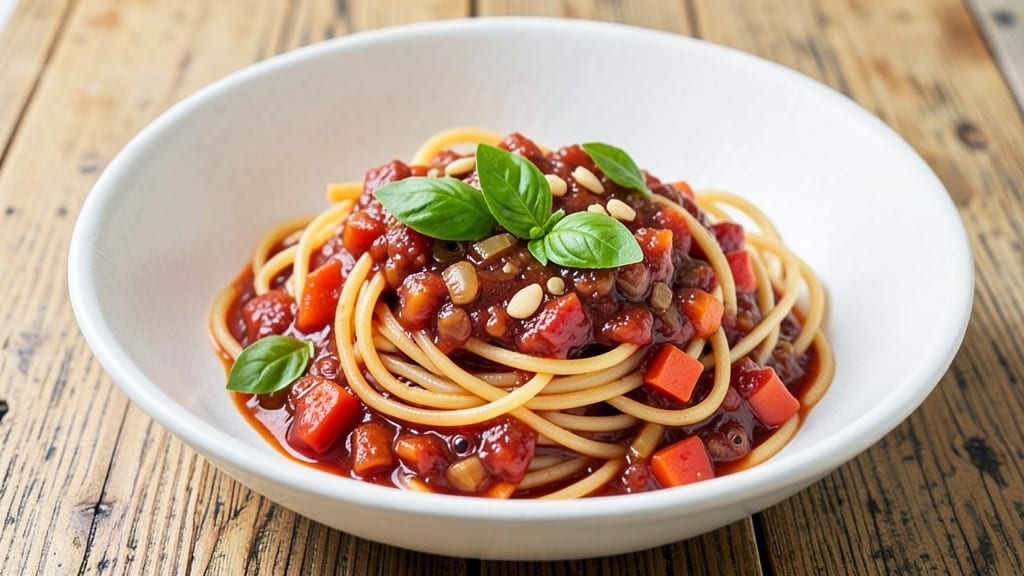
The American Heart Association spaghetti sauce recipe delivers bold tomato flavor while keeping saturated fat low and fiber high—perfect for heart-healthy meals without sacrificing taste.
This version swaps heavy cream for garlic, herbs, and lean proteins like lentils or ground turkey, creating a rich sauce that pairs beautifully with whole-wheat pasta. The secret lies in slow simmering, which deepens flavors while reducing excess sodium naturally.
What sets this sauce apart is its balance of nutrition and depth—packed with lycopene from tomatoes, plant-based protein, and vegetables like bell peppers and onions for added fiber. No shortcuts here: we build flavor through aromatics (garlic, onions, and fresh basil) rather than salt or butter.
The result? A sauce that’s vibrant, aromatic, and heart-smart, with just 15 minutes of active prep and 45 minutes of simmering time.
By the time you twirl that first forkful, you’ll taste layers of tomato sweetness, herbal brightness, and umami richness—all while keeping saturated fat at less than 1 gram per serving. The sauce thickens beautifully on its own, clinging to whole-wheat noodles for a satisfying, fiber-rich bite.
Serve with a sprinkle of fresh basil or a drizzle of reduced-fat parmesan for extra flavor without the guilt.
This recipe proves heart-healthy eating doesn’t mean bland food—it’s about smart swaps that keep meals delicious and nutritious. Whether you’re meal prepping for the week or cooking for a family dinner, this sauce delivers restaurant-quality flavor with a nutrition label you can feel good about.
Let’s make it together—your heart (and taste buds) will thank you.
Ingredients for american heart association spaghetti sauce
Heart-healthy doesn't mean flavorless—here's what you need for rich tomato sauce with smart swaps.
| Ingredient | Amount | Notes |
|---|---|---|
| Extra-Virgin Olive Oil 🫒 | 1 tbsp | High-quality, fruity variety |
| Yellow Onion 🧅 | 1 whole | Medium size, finely diced |
| Garlic Cloves 🧄 | 4 cloves | Fresh, minced for depth |
| Red Bell Pepper 🍅 | 1 whole | Medium size, diced small |
| Carrots 🥕 | 2 whole | Medium size, finely chopped |
| Canned Crushed Tomatoes 🍅 | 28 oz | San Marzano preferred |
| Tomato Paste 🍅 | 2 tbsp | High-quality, no sugar added |
| Dried Oregano 🌿 | 1 tsp | Italian variety preferred |
| Dried Basil 🌿 | 1 tsp | Or 2 tbsp fresh basil |
| Ground Black Pepper 🌶️ | ½ tsp | Freshly ground preferred |
| Dried Thyme 🌿 | ½ tsp | Or 1 tsp fresh thyme |
| Low-Sodium Chicken Broth 💧 | 1 cup | Homemade or quality store-bought |
| Lentils 🌾 | 1 cup | Dry, brown or green variety |
| Ground Turkey 🍗 | ½ lb | 93% lean or leaner |
| Fresh Basil Leaves 🌿 | ¼ cup | For garnish, chopped |
| Reduced-Fat Parmesan Cheese 🧀 | ¼ cup | Freshly grated, optional |
The tomatoes are the foundation, and San Marzano makes all the difference—sweeter, less acidic, and packed with lycopene. Trader Joe's or Whole Foods carry them, or check the Italian aisle at your regular grocery store. For the lentils, brown or green work equally well, but rinsed before cooking removes any grit. The ground turkey should be 93% lean or leaner—check the packaging for the percentage. If you can't find low-sodium broth, dilute regular broth with water to cut the sodium in half. Fresh herbs like basil and thyme elevate the sauce, but dried works in a pinch (use one-third the amount).
No San Marzano tomatoes? Any high-quality crushed tomatoes work—just pick one without added salt or sugar. Swapping turkey for lean ground beef (90% lean or leaner) keeps it heart-healthy but richer. Dried herbs too strong? Toast them lightly in a dry pan for 30 seconds to mellow the flavor. The tomato paste can be a squeeze tube from Trader Joe's—no waste, and it keeps for months. For extra umami without sodium, add 1 tsp of nutritional yeast when simmering. No lentils? Substitute with an extra 0.25 cup of diced mushrooms for earthy depth.
This sauce thickens as it cools, so stir in a splash of water or broth if it's too thick after simmering. Store in airtight containers for 5 days in the fridge or 3 months frozen. Portion into ice cube trays for single servings—perfect for quick meals. The flavor actually improves after 24 hours as the ingredients meld. For meal prep, make a double batch and freeze half—just thaw overnight in the fridge before reheating.
Why You'll Love This Recipe
- No Chopping Chaos: I swear by this sauce because it only asks for one onion and two cloves of garlic—no dice, no tears. The bell pepper and carrots get roughly chopped while you stir, so it’s the kind of recipe that lets you zone out to your favorite show.
- Garlic-Glazed Magic: That slow-simmered garlic in olive oil? It’s where the flavor lives. The onions caramelize just enough to sweeten the sauce, and the bell pepper adds a bright, unexpected depth—like a hug for your taste buds after a long day.
- Double-Duty Sauce: Make a big batch on Sunday, and you’ve got Monday’s marinara, Tuesday’s pasta, and Wednesday’s lasagna covered. It’s my go-to for meal prep because it freezes like a dream—just reheat and serve, no defrosting drama.
- Budget-Friendly Hero: A single jar of tomato sauce, a few veggies, and herbs cost me pennies. This recipe stretches easily, so I can feed my family heart-healthy portions without breaking the bank—plus, the carrots and bell peppers add color and nutrients for almost nothing.
Step-by-step instructions for heart-healthy spaghetti sauce
This method delivers rich, flavorful sauce while keeping calories and sodium in check.
Sauté the Vegetable Base
Heat the 1 tablespoon extra-virgin olive oil in a large Dutch oven over medium heat. Add the finely diced yellow onion, diced red bell pepper, and finely chopped carrots. Cook for 5-6 minutes, stirring occasionally, until the vegetables soften and begin to release their natural juices.
Here's the thing—don't rush this step. You want the vegetables to break down slightly so they meld into the sauce rather than remaining distinct pieces. I like to see the onions turn translucent and the peppers lose their raw edge before moving forward. Add the minced garlic cloves and cook for another 30 seconds until fragrant but not browned—burnt garlic makes the whole sauce bitter.
Build the Sauce Foundation
Reduce the heat to medium-low and stir in the 2 tablespoons tomato paste. Let it cook for 1-2 minutes, stirring constantly, until it darkens slightly and develops a rich, caramelized flavor. This step is crucial—it deepens the sauce's complexity without adding extra fat or calories.
Next, pour in the 28 ounces canned crushed tomatoes, scraping up any browned bits from the bottom of the pot. Add the 1 cup low-sodium chicken broth, 1 teaspoon dried oregano, 1 teaspoon dried basil, ½ teaspoon ground black pepper, and ½ teaspoon dried thyme. Stir well to combine, then bring the mixture to a gentle simmer. Let it cook uncovered for 10 minutes to allow the flavors to meld and the acidity to mellow.
Cook the Lean Protein and Lentils
While the sauce simmers, crumble the ½ pound ground turkey into the pot and cook for 5-6 minutes, breaking it apart with a wooden spoon, until it loses its raw color. The turkey should be fully cooked but still retain some moisture—overcooking makes it dry and tough.
Add the 1 cup dry lentils and stir to coat them in the sauce. Pour in enough water to cover the lentils by about 1 inch (approximately 2 cups). Return the mixture to a simmer, then reduce the heat to low. Cover and let it cook for 20-25 minutes, stirring occasionally, until the lentils are tender and the sauce has thickened slightly. The lentils should be soft enough to crush between your fingers but still hold their shape.
Finish and Adjust the Sauce
Once the lentils are tender, uncover the pot and increase the heat to medium. Let the sauce reduce for 5-7 minutes, stirring occasionally, until it reaches your desired thickness. The sauce should coat the back of a spoon but still be loose enough to cling to spaghetti.
Taste and adjust the seasoning if needed—this is where you can really fine-tune the flavor. If it needs brightness, add a pinch more salt (remember, we're using low-sodium broth). For extra depth, stir in a splash of the chicken broth or a few drops of balsamic vinegar. The goal is a balanced sauce that's rich but not overpowering.
Garnish and Serve
Remove the pot from heat and stir in the ¼ cup chopped fresh basil leaves and ¼ cup reduced-fat grated Parmesan cheese. Let the sauce sit for 5 minutes to allow the flavors to meld one last time. Garnish each serving with additional fresh basil and Parmesan before serving over whole wheat spaghetti or your favorite pasta.
This sauce keeps its heart-healthy benefits while delivering restaurant-quality flavor. The lentils add fiber and plant-based protein, the lean turkey keeps it light, and the fresh herbs and reduced-fat cheese add brightness without excess calories. Serve immediately or store in an airtight container in the refrigerator for up to 5 days or freeze for up to 3 months.
Pro Tips For Making American Heart Association Spaghetti Sauce
- Sweat, Don’t Burn: The AHA recipe calls for softening onions, garlic, and peppers—don’t rush this. Cook them over medium-low heat with a splash of water or broth if they stick, stirring occasionally. I learned this the hard way: charred garlic ruins the sauce’s smoothness, and you’ll taste it every bite.
- Slice Carrots Thin: Thin, even slices (about 1/8-inch) cook faster and blend smoother than chunks. Skip the food processor—it turns carrots mushy. Use a sharp knife and work in batches if needed; patience here means no gritty texture later.
- Salt the Water: Add 1 teaspoon of salt to the pot when sautéing onions and peppers. It draws out moisture, helping them soften quicker and develop deeper flavor. Trust me, the sauce will thank you—it’s the difference between bland and bright.
- Blend in Stages: Pulse the cooked veggies in batches, leaving some texture. A few small chunks add body, preventing a gluey sauce. Start with 3-4 pulses, then finish with a quick blend—this keeps the sauce balanced, not pureed. (Yes, even if you’re impatient like me.)
Common mistakes when making this dish
Overcooking the Vegetables
Don’t let those onions and peppers turn mushy—this is where many sauces go wrong. Once they soften and release their juices (about 5-6 minutes over medium heat), they should still hold some shape. Overcooking them makes the sauce taste flat and watery.
I’ve seen home cooks walk away for too long, and the result? A sauce that lacks depth. Keep an eye on them and stir occasionally to prevent burning. 🌶️
Skipping the Tomato Paste Step
That 2-tablespoon tomato paste caramelization is non-negotiable for depth. Some recipes skip it, but I’ve found it adds a rich, concentrated tomato flavor that elevates the entire sauce. Cook it for just 1-2 minutes on medium-low heat until it darkens slightly—this builds the sauce’s complexity without adding fat.
If you rush this step, your sauce will taste thin and one-dimensional.
Using High-Sodium Ingredients
The American Heart Association’s guidelines emphasize low sodium, but many store-bought ingredients sneak in hidden salt. Always check labels for low-sodium chicken broth and no-salt-added tomato products. I’ve made this mistake before—using regular broth and ending up with a sauce that’s too salty.
If you’re in a pinch, dilute regular broth with water (50/50 ratio) to cut the sodium in half. Your taste buds (and heart) will thank you.
Ignoring the Simmer Time
Rushing the 10-minute simmer after adding tomatoes and herbs is a common pitfall. This step lets the flavors meld and the acidity mellow, which is crucial for balance. I’ve seen people impatiently crank up the heat, only to end up with a sauce that’s sharp and unfinished.
Let it simmer gently—it’s worth the wait for a well-rounded flavor. The lentils and turkey will have plenty of time to cook later.
Overcooking the Lentils
Lentils should be tender but still hold their shape—crush one between your fingers to test. Overcooking them turns them to mush, which thickens the sauce too much and makes it gummy. I’ve learned this the hard way: once lentils break down completely, there’s no fixing it.
Keep an eye on them during the 20-25 minute cooking time and adjust heat as needed to avoid overcooking. A little texture goes a long way in a hearty sauce. 💛
Forgetting to Taste and Adjust
This is where many home cooks drop the ball. After simmering, always taste the sauce and adjust seasoning before serving. A pinch of salt (if needed), a splash of broth, or a drop of balsamic vinegar can elevate the flavor.
I’ve had sauces that were almost perfect—until I skipped this step and served something bland. Trust your palate and fine-tune it to your liking. The goal is balance, not perfection.
Nutrition facts
Frequently asked questions
Can I make this sauce without lentils?
Swap the 1 cup lentils for 0.25 cup extra mushrooms (diced) or 0.5 cup cooked quinoa for plant-based protein. For meat lovers, add 0.25 lb extra ground turkey instead. The key is maintaining the sauce's thickness and protein content—just adjust cooking times accordingly.
How do I make this sauce spicier?
Add ½ teaspoon red pepper flakes when sautéing the vegetables, or stir in 1 teaspoon hot sauce (like Cholula) during the final 5-minute reduction. For smoky heat, sprinkle ½ teaspoon smoked paprika with the dried herbs. Always taste first—spice builds as the sauce cools!
Is this sauce safe for people with kidney concerns?
This recipe is lower in potassium and phosphorus than many traditional sauces, thanks to the low-sodium broth and vegetable choices. However, check with a dietitian if you have specific kidney restrictions—some may recommend reducing tomatoes or lentils. The sauce itself is generally kidney-friendly when prepared as written.
Can I use this sauce for other pasta shapes?
Perfect for penne, farfalle, or whole-wheat spaghetti—just adjust cooking times slightly. For gluten-free pasta, use a 1:1 swap (like brown rice or chickpea pasta) and add 1 extra tablespoon olive oil to prevent sticking. The sauce's thickness works beautifully with any pasta shape!
Why does my sauce taste thin after simmering?
This usually happens from one of three things: not enough simmering time, too much liquid added, or overcooked lentils breaking down. Let the sauce reduce uncovered for 5-7 extra minutes on medium heat, or stir in 1 tablespoon tomato paste to thicken. If it's still too thin, simmer longer—it'll thicken as it cools!