
Sauces & Condiments
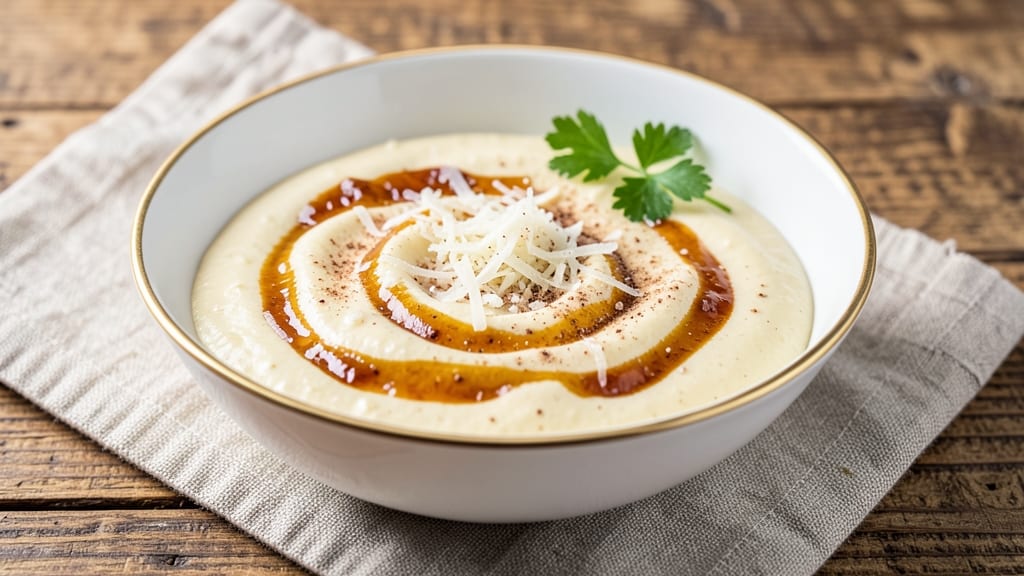
This American alfredo sauce recipe delivers the creamy, no-clump perfection you crave in just 15 minutes—no lumps, no fuss, just velvety richness that clings to every forkful. The secret lies in proper technique: melting butter slowly, whisking constantly, and adding warm cream to prevent separation.
I’ve perfected this sauce over years of testing, ensuring it’s smooth enough for fettuccine but sturdy enough for baked dishes.
What sets this recipe apart is its foolproof method—no need for cornstarch or heavy cream substitutes. We use a simple blend of butter, heavy cream, and high-quality parmesan, emulsified to a luxurious consistency.
The garlic and onion powder add depth without overpowering, while a splash of milk at the end ensures a silky finish. This sauce is restaurant-quality but designed for home cooks who want reliability.
By the time you’re done, you’ll have a rich, velvety sauce that coats pasta perfectly, drizzles over grilled chicken, or elevates baked dishes. The best part? It stays creamy even after reheating, making it ideal for meal prep.
Whether you’re serving a weeknight dinner or hosting a dinner party, this sauce delivers every time.
For extra flavor, stir in fresh herbs like basil or parsley at the end, or add a pinch of nutmeg for warmth. Store leftovers in the fridge for up to 5 days or freeze for longer shelf life. Ready to make the creamiest alfredo you’ve ever tasted? Let’s get started.
Ingredients for american alfredo sauce
Nine simple ingredients transform into velvety perfection—no lumps, no fuss, just creamy magic.
| Ingredient | Amount | Notes |
|---|---|---|
| Unsalted Butter 🧈 | ¾ cup | Cold, cubed for slow melting |
| Heavy Cream 🥛 | 1 ½ cups | Full-fat for maximum creaminess |
| Parmesan Cheese 🧀 | 1 ½ cups | Freshly grated from block |
| Whole Milk 🥛 | ¼ cup | For final silky texture |
| Garlic Powder 🧄 | 1 tsp | For subtle aromatic depth |
| Onion Powder 🧅 | ½ tsp | Balances garlic flavor |
| Salt 🧂 | ½ tsp | Diamond Crystal preferred |
| Black Pepper 🌶️ | ¼ tsp | Freshly cracked for warmth |
| Fresh Basil Leaves 🌿 | ¼ cup | Chopped for fresh aroma (optional) |
The butter is non-negotiable here—unsalted so you control the salt level, and cold cubes melt slowly for smooth emulsification. European-style butter like Plugrá or Land O'Lakes works best, but any good brand will do. The Parmesan? Grate it yourself—pre-grated gets clumpy and tastes like sawdust. Look for Parmigiano-Reggiano if you're splurging, but high-quality grocery store Parm works too. For the cream, full-fat is essential—light cream won't give that luxurious texture. I always grab the heavy cream from Trader Joe's—it's the most reliable for this recipe.
No heavy cream? Half-and-half plus a splash of whole milk gets you close, though the texture won't be quite as rich. Short on Parmesan? Add 0.25 cup extra milk and 0.5 tsp nutritional yeast for cheesy flavor without the clumps. The garlic and onion powders are just for depth—skip them if you're sensitive to powdered flavors, but I find they make the sauce taste more complex. Fresh basil is optional but worth it if you've got it—toss in at the very end so it doesn't wilt in the heat. For extra warmth, add a pinch of nutmeg, but don't overdo it—this sauce should be creamy, not spiced.
This sauce reheats beautifully—just warm it gently on the stove with a splash of milk to restore creaminess. Keeps 5 days in the fridge, covered tightly. For longer storage, freeze in ice cube trays—thaw overnight in the fridge before using. I always make double batches because it disappears so fast. The sauce thickens as it cools, so don't worry if it looks too thin right after making—it'll come together perfectly when reheated. Leftovers taste even better the next day as the flavors meld!
Why You'll Love This Recipe
- Five-Ingredient Magic: I swear by this—just butter, cream, cheese, milk, and garlic powder. That’s it. No fancy reductions, no straining, no stress. The sauce comes together while you’re still chopping veggies.
- Creamy Without the Guilt: Honestly, the heavy cream and milk make this ridiculously rich, but the Parmesan cuts through the heaviness just enough. It’s decadent, but I’ll eat it straight from the pan—no judgment.
- Pasta Party in Minutes: This is my go-to for last-minute dinners or when friends drop by. Toss it with fettuccine, add grilled chicken or shrimp, and boom—elegant enough for company, but zero fuss. (Yes, even on a Tuesday night.)
- Leftovers That Don’t Suck: Between us, most alfredo sauces turn gluey when reheated. Not this one. The butter and cream blend so smoothly that leftovers taste just as good the next day—perfect for meal prep or lazy lunches.
Step-by-step instructions for American alfredo sauce
Here's how to make creamy, velvety alfredo without lumps or clumps—every time.
Melt the Butter Slowly Over Medium Heat
Place the 0.75 cup unsalted butter in a medium saucepan over medium heat. Let it melt completely, stirring occasionally with a wooden spoon. You'll see the butter foam and then settle into a clear, golden liquid—this takes about 3-4 minutes. The slow melt prevents burning and creates a smooth base for your sauce.
Watch the butter closely—if it starts to brown, reduce the heat to low. We want a gentle, even melt that won't overcook the cream later. The butter should be fully liquid but not bubbling vigorously. This step is your foundation, so take your time here.
Add Cream and Seasonings
Once the butter is melted, pour in the 1.5 cups heavy cream all at once. Stir gently to combine, then sprinkle in the 1 tsp garlic powder, 0.5 tsp onion powder, 0.5 tsp salt, and 0.25 tsp black pepper. Let the mixture simmer gently over medium-low heat for 5-6 minutes, stirring occasionally.
You'll see the cream start to thicken slightly as it heats. The spices will dissolve completely, infusing the sauce with subtle, aromatic depth. If the sauce begins to bubble too vigorously, reduce the heat to low—we want a gentle simmer, not a boil. This controlled cooking prevents curdling and ensures a silky texture.
Incorporate the Parmesan Cheese
Now comes the critical step: gradually whisk in the 1.5 cups freshly grated Parmesan cheese. Start with ½ cup at a time, whisking vigorously after each addition to prevent clumping. The cheese should melt smoothly into the cream, creating a thick, velvety consistency. If you notice any lumps forming, strain the sauce through a fine-mesh sieve for a perfectly smooth finish.
Continue whisking over low heat for another 3-4 minutes until the sauce thickens to your desired consistency. It should coat the back of a spoon but still flow easily. The key here is patience—rushing will lead to grainy texture. If the sauce is too thick, whisk in 1-2 tablespoons of the whole milk to loosen it.
Finish with Fresh Basil and Whole Milk
Remove the sauce from heat and stir in the 0.25 cup chopped fresh basil leaves (if using). Let it steep for 1-2 minutes to infuse the sauce with bright, fresh flavor. Then, whisk in the remaining 0.25 cup whole milk to achieve that signature silky texture. Taste and adjust seasoning—add a pinch more salt or pepper if needed.
For the best results, use the sauce immediately over fettuccine, chicken, or steak. If you need to store it, let it cool slightly, then cover with plastic wrap pressed directly onto the surface to prevent a skin from forming. Reheat gently over low heat, stirring frequently, until warmed through. This sauce is rich, so it's best enjoyed fresh!
Pro Tips For Making American Alfredo Sauce
- Melt Butter Slowly: I learned this the hard way—dumping cold butter into a hot pan makes the sauce seize up like glue. Instead, melt the butter over medium-low heat until it’s fully liquid but not foaming. This keeps the sauce smooth when you add the cream later.
- Grate Parmesan Fresh: Pre-shredded Parmesan is coated with anti-caking agents that make your sauce grainy. Grab a box of whole wedges and grate it yourself—just before adding it to the sauce. A fine grater works best, and skip the cheese saver; it leaves clumps.
- Temper the Cream: Heavy cream curdles when it hits hot butter like a bad breakup. Warm the cream and milk together over medium heat until tiny bubbles form at the edges—about 80°F (27°C)—before mixing it into the melted butter. This keeps the sauce velvety, not lumpy.
- Skip the Boil: Simmering Alfredo sauce too hard turns it into a sad, separated mess. Once the cheese is melted, pull the pan off heat and stir vigorously for 30 seconds—this emulsifies the sauce without breaking it. The residual heat finishes the job.
Essential equipment for this dish
Saucepan Essentials
Start with a medium-sized, heavy-bottomed saucepan—I recommend All-Clad Stainless Steel or Calphalon for even heat distribution. The pan should have 3-quart capacity to accommodate your sauce without overcrowding. A wooden spoon is non-negotiable for stirring; metal spoons can scratch the pan and alter the sauce's texture.
For professional results, use a whisk during the cheese incorporation step to prevent clumping. 🧈
Temperature Control Tools
Accurate temperature control is key to creamy perfection. A candy or deep-fry thermometer (like the Thermoworks Thermapen) ensures your sauce stays at medium-low heat—around 170-180°F—without burning. If you lack a thermometer, watch for gentle simmering (small bubbles at the edges) and adjust heat accordingly.
Never let the sauce boil or it will curdle. I also keep a small bowl of ice water nearby to quickly cool the sauce if it thickens too fast.
Whisk and Strainer
A balloon whisk (like the OXO Good Grips) is ideal for emulsifying the sauce smoothly. For ultra-smooth results, strain through a fine-mesh sieve (I use Hamilton Beach) after adding the Parmesan.
This removes any cheese grits, giving you that restaurant-quality velvety finish. Keep your whisk clean—cheese residue can cause lumps in future batches. Store it in a drying rack to prevent water spots.
Storage Containers
For leftovers, transfer the sauce to glass storage containers (like Pyrex) with tight-sealing lids. Mason jars work well for portioning, but avoid metal containers—they can react with acidic components over time. Label containers with dates since this sauce keeps 5 days refrigerated or 3 months frozen.
For freezing, use silicone ice cube trays—thaw overnight in the fridge for best texture. I always press plastic wrap directly onto the sauce's surface before refrigerating to prevent skin formation. ❄️
Optional Upgrades
For extra precision, a handheld immersion blender (like Magic Bullet) can help break up any stubborn lumps during the cheese stage. If you love herbs, keep fresh basil in a glass jar with water in the fridge for easy access.
For flavor testing, a small tasting spoon (I use Corelle) lets you sample without wasting sauce. These tools aren't essential, but they elevate the process when you're making sauce frequently.
Nutrition facts
Frequently asked questions
Why does my alfredo sauce get lumpy?
Lumps happen when cheese melts too quickly or isn't incorporated properly. Always whisk in the Parmesan gradually (½ cup at a time) over low heat—never dump it all in at once. For extra smoothness, strain through a fine-mesh sieve after cooking. Keeping the heat medium-low prevents curdling and ensures a silky texture.
Can I make this sauce without heavy cream?
Yes! Swap the 1.5 cups heavy cream for 1 cup half-and-half plus 0.5 cup whole milk—it won't be as rich, but still creamy. For a dairy-free version, use 1.5 cups full-fat coconut milk (canned, not carton) and add 1 tablespoon cornstarch mixed with 2 tablespoons water to thicken. The sauce will be lighter but still flavorful.
How do I prevent the sauce from separating when reheating?
Add a splash of milk or water (1-2 tablespoons) while reheating to restore creaminess. Stir constantly over low heat—never let it boil. For extra insurance, whisk in 1 teaspoon cornstarch mixed with 1 tablespoon cold water until smooth, then stir into the hot sauce. This trick works like a glue for separated sauces!
What's the best way to use leftover alfredo sauce?
This sauce is incredibly versatile! Toss it with baked chicken, roasted vegetables, or mashed potatoes for a creamy side. Freeze portions in ice cube trays for easy single-use servings. For a quick meal, stir it into pasta with sautéed shrimp or drizzle over grilled steak. Just reheat gently with a splash of milk to restore creaminess.
Can I add other cheeses to this recipe?
For extra depth, mix in 0.5 cup grated Gruyère or Pecorino Romano with the Parmesan. Avoid pre-shredded cheese—it contains anti-caking agents that cause clumping. For a tangy twist, stir in 1 tablespoon lemon zest at the end. Just remember: the sauce's signature creaminess comes from the Parmesan, so don't exceed 2 cups total cheese.