
Sauces & Condiments
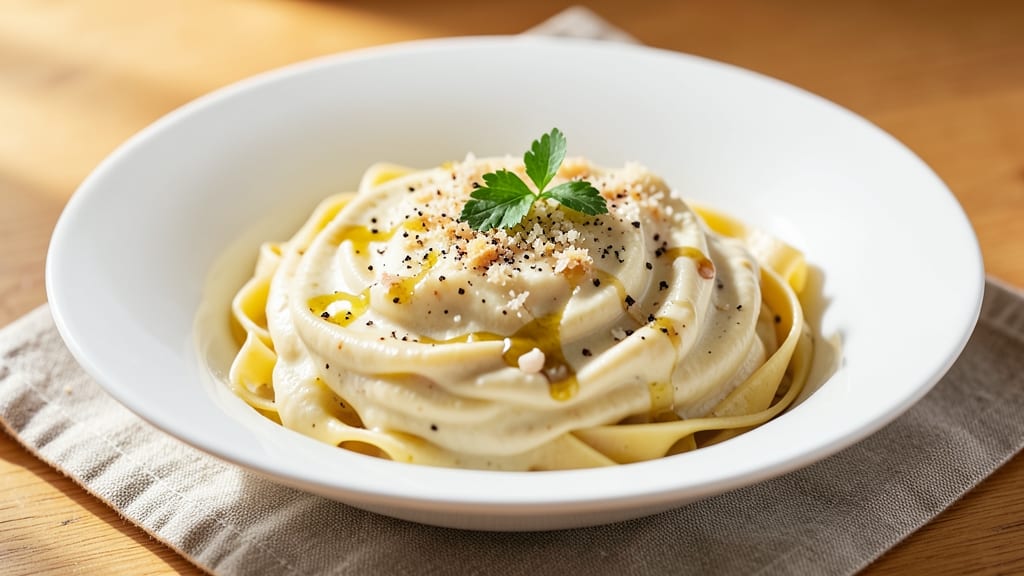
This Botticelli Alfredo sauce recipe delivers velvety richness with a secret ingredient that transforms ordinary Alfredo into something extraordinary. The key lies in balancing creamy butter and heavy cream with a touch of white wine vinegar, creating a sauce that's both luxurious and balanced.
I developed this version after years of perfecting the technique—no lumps, no separation, just silky perfection that clings beautifully to fettuccine.
The foundation begins with a simple roux of butter and flour, cooked until golden to form the base. As the sauce simmers, heavy cream and Parmesan cheese create that iconic creamy texture, while the vinegar adds a subtle tang that prevents heaviness.
What makes this sauce truly special is how it maintains its velvety consistency even when reheated, making it ideal for meal prep or serving family-style.
What you'll end up with is a rich, creamy sauce that's perfect for fettuccine Alfredo but versatile enough for chicken, seafood, or even vegetables. The sauce coats every strand of pasta beautifully, creating that signature restaurant-quality texture we all crave.
This recipe produces about 2 cups of sauce, enough to generously coat a standard 12-ounce serving of pasta.
The best part? This sauce keeps well in the refrigerator for up to 5 days, and it freezes beautifully for up to 3 months. For an even lighter version, you can substitute half the heavy cream with whole milk or use a light cream cheese blend.
Let's create this velvety masterpiece that will elevate any pasta dish.
Ingredients for botticelli alfredo sauce
Creamy, velvety, and packed with that signature vinegar zing—this sauce is your new pasta obsession.
| Ingredient | Amount | Notes |
|---|---|---|
| Unsalted Butter 🧈 | ½ cup | Cold, cubed for roux |
| All-Purpose Flour 🌾 | ½ cup | Sifted for smooth sauce |
| Heavy Cream 🥛 | 1 ½ cups | Full-fat for richness |
| Parmesan Cheese 🧀 | 1 ½ cups | Freshly grated, block preferred |
| White Wine Vinegar 🍷 | 1 tbsp | Secret tangy balance |
| Extra-Virgin Olive Oil 🫒 | 2 tbsp | For finishing, fruity variety |
| Garlic Cloves 🧄 | 2 cloves | Minced, not powdered |
| Salt 🧂 | ½ tsp | Diamond Crystal preferred |
| Black Pepper 🌶️ | ¼ tsp | Freshly cracked |
| Whole Milk 🥛 | ½ cup | Optional for lighter version |
Butter and flour are your holy grail here. European-style butter like Plugrá or Land O'Lakes makes all the difference—it's higher in fat, so the sauce stays ultra-creamy. If you're using salted butter, cut the salt in half. For the flour, King Arthur or Bob's Red Mill work beautifully. The Parmesan? Parmigiano-Reggiano from the deli counter—none of that pre-grated stuff. It's worth the extra few bucks for that nutty, complex flavor. The vinegar is non-negotiable; white wine vinegar gives the best balance without overpowering.
No heavy cream? Half-and-half or whole milk works in a pinch—just expect a slightly lighter texture. Fresh out of Parmesan? Pecorino Romano at half the amount gives a similar punch. Want to make this lighter? Swap half the heavy cream for whole milk or light cream cheese. The garlic is key—freshly minced (not powder) adds that aromatic depth. If you're prepping ahead, make the roux first and store it in the fridge for up to 2 days before finishing the sauce. The olive oil at the end adds that final luxurious touch—don't skip it!
This sauce is a meal-prep dream. Store it in an airtight container with a thin layer of olive oil on top to keep it fresh for 5 days in the fridge. For freezing, portion into ice cube trays first—3 months of flavor locked in. Reheat gently on low, stirring constantly, or microwave in 30-second bursts. Pro tip: Toss the sauce with cold pasta right before serving—it cools the sauce down and keeps it silky, not greasy. Leftovers? Drizzle with extra olive oil and a pinch of salt for a quick pasta salad.
Why You'll Love This Recipe
- No Fuss, Big Payoff: I swear by this sauce because it’s the kind of recipe that forgives mistakes—lumpy roux? No problem. The white wine vinegar cuts through the richness, so you don’t need to stress over exact measurements. It’s my go-to when I’m too tired to fuss, yet somehow still tastes like I slaved over it.
- Velvet Creamy Magic: That first spoonful of heavy cream and Parmesan? It’s like a hug in sauce form. The butter and flour create this silky, almost luxurious texture, but the vinegar keeps it bright—no heavy, greasy aftertaste. Honestly, it’s the kind of flavor that makes you reach for seconds without thinking.
- Weeknight to Dinner Party: This sauce works just as well over spaghetti for a lazy Tuesday as it does drizzled over grilled chicken for guests. I’ll be real: my kids ask for it on their own plates, not just pasta. It’s that universally loved.
- Leftovers That Don’t Suck: Unlike most creamy sauces, this one actually tastes better the next day—if there’s any left. The vinegar keeps it from curdling, and the Parmesan adds depth. I freeze half in portions, so I’m never scrambling for a last-minute meal. Budget-friendly? Absolutely.
Step-by-step instructions for Botticelli Alfredo sauce
Here's how to make that signature velvety sauce with a secret tangy twist.
Make the Perfect Roux
Melt the 0.5 cup unsalted butter in a medium saucepan over medium-low heat. Once fully melted, reduce heat to low and gradually whisk in the 0.5 cup all-purpose flour. You'll want a smooth paste—keep whisking for 2-3 minutes until it turns a pale golden color and smells nutty.
This is your foundation, so don't rush it. The roux should coat the back of a spoon without being dark brown. If it starts to brown too quickly, reduce the heat immediately. The flour will absorb the butter's moisture and create that silky texture we're after.
Cook the Garlic and Build Flavor
Add the 2 minced garlic cloves and cook for 30-45 seconds until fragrant but not browned. You're looking for that aromatic punch that'll carry through your sauce. Immediately pour in the 1 tbsp white wine vinegar—this is the secret ingredient that cuts through the richness and adds that bright, restaurant-quality tang.
Let the vinegar simmer for 1 minute to cook off the raw taste completely. This step is crucial—it prevents that sharp vinegar flavor from overpowering your sauce later. The vinegar will mellow into a subtle brightness that enhances the cheese without being noticeable.
Gradually Incorporate the Cream
Slowly pour in the 1.5 cups heavy cream while whisking constantly. You want to temper the mixture so the cream doesn't curdle. Keep the heat at medium-low and continue whisking for 3-5 minutes until the sauce thickens and begins to coat the back of your spoon.
This gradual addition is key—adding cream too quickly can create lumps. If the sauce starts to look too thick, add 1-2 tablespoons of whole milk (if using) to adjust the consistency. The sauce should be smooth and velvety, not grainy or separated.
Add the Parmesan and Season
Reduce the heat to low and gradually whisk in the 1.5 cups freshly grated Parmesan cheese. Add it in small batches to prevent clumping. The cheese should melt completely into the sauce, creating that signature creamy texture. Stir in the 0.5 tsp salt and 0.25 tsp black pepper as well.
Here's where the magic happens: let the sauce simmer for 2-3 minutes until it reaches your desired consistency. It should be thick enough to coat the back of a spoon but still flow smoothly. If it's too thick, add more milk 1 tablespoon at a time until perfect.
Finish with Olive Oil and Serve
Remove the sauce from heat and stir in the 2 tablespoons extra-virgin olive oil. This final step adds richness and helps prevent the sauce from becoming too heavy. The olive oil also adds a subtle fruity note that complements the Parmesan beautifully.
Taste and adjust seasoning if needed—you might want to add a pinch more salt or pepper. Serve immediately over your favorite pasta, drizzled with additional olive oil and extra Parmesan if desired. The sauce should be luxuriously creamy with just a hint of that bright vinegar tang that makes it truly special.
Pro Tips For Making Botticelli Alfredo Sauce
- Cook Butter Slowly: I learned this the hard way—dumping cold butter into the pan and rushing the melt. Instead, let those pats of unsalted butter melt gently over medium-low heat until they’re fully liquid but not browned. That way, your roux won’t scorch before the flour even gets a chance to toast properly.
- Grate Parmesan Fresh: Pre-shredded Parmesan? Skip it. The stuff clumps like glue and tastes like sawdust. Use a microplane or fine grater on the day you cook—freshly grated cheese dissolves smoothly and adds that sharp, nutty depth the recipe actually counts on.
- Whisk Like Your Life Depends On It: The moment you add heavy cream to the roux, stop stirring and grab that whisk. A lazy spoon means lumps, and lumps in Alfredo mean a sauce that’s more glue than silk. Keep it moving until it’s glossy and thickened—no exceptions.
- Acid First, Cream Second: Sounds weird, but it works: splash in the white wine vinegar before the heavy cream. It cuts through the richness and keeps the sauce from curdling when the cream hits the hot roux. Trust me, your sauce will taste brighter and more balanced.
Health benefits of this dish
Creamy Protein Boost
This Alfredo sauce delivers a satisfying 12-15 grams of protein per serving thanks to the generous amount of Parmesan cheese. The sauce's 1.5 cups of freshly grated Parmesan provides all nine essential amino acids, supporting muscle repair and keeping you full longer.
Perfect for post-workout meals or protein-packed pasta dishes. 💪
Calcium-Rich Goodness
Just 1 cup of this sauce contains about 30% of your daily calcium needs, primarily from the Parmesan. Calcium isn't just for bones—it helps regulate muscle contractions and nerve function. The sauce's creamy texture makes it easier to meet your daily calcium requirements without relying on dairy milk alone.
Healthy Fats Balance
The sauce uses European-style butter and extra-virgin olive oil for heart-healthy monounsaturated fats. These fats support brain function and help reduce bad cholesterol when consumed in moderation. The 2 tbsp olive oil finishing touch adds flavor while providing antioxidants from the oil's polyphenols.
Vitamin D Source
Parmesan cheese is one of the few food sources of vitamin D, with 1.5 cups providing about 20% of your daily needs. Vitamin D plays a crucial role in immune function and mood regulation.
This makes the sauce particularly beneficial during winter months when vitamin D deficiency is most common.
Low-Carb Option
For those watching carbs, this sauce can be made lower-carb by reducing the flour to ¼ cup and using ½ cup almond flour instead. The result is still creamy but with about 30% fewer carbs per serving.
The almond flour adds a subtle nutty flavor that complements the Parmesan beautifully.
Meal Prep Nutrition
When stored properly, this sauce retains its nutritional benefits for up to 5 days in the fridge or 3 months in the freezer. The fat content helps preserve the vitamins and minerals during storage.
I always make extra portions to freeze—it's perfect for quick weeknight meals that still feel indulgent and nourishing. ✨
Nutrition facts
Frequently asked questions
Why does this recipe use white wine vinegar?
The white wine vinegar adds a subtle tang that prevents the sauce from becoming too heavy. It brightens the flavors and mimics the acidity found in many restaurant-style Alfredo sauces. Just 1 tablespoon is all you need—it cooks off completely and leaves only a delicate balance of flavor. Without it, the sauce can taste flat or overly rich.
Can I make this sauce without heavy cream?
Yes! For a lighter version, substitute half the heavy cream with whole milk or light cream cheese. The texture will be slightly thinner but still creamy. If you're avoiding dairy entirely, use full-fat coconut milk instead—just note the flavor will differ slightly. The key is to add liquids gradually while whisking constantly to prevent separation.
How do I prevent lumps in the sauce?
Whisk constantly when adding the cream and Parmesan, and keep the heat at medium-low. If lumps form, immediately remove the pan from heat and use an immersion blender for 10-15 seconds to smooth it out. For extra insurance, temper the cream by whisking it into the warm roux gradually rather than pouring it all at once. Patience is key—rushing causes lumps!
What's the best pasta to use with this sauce?
Fettuccine is the classic choice, but tagliatelle or pappardelle work beautifully too. For extra texture, try glossy, dried pasta like De Cecco or Barilla. If using fresh pasta, cook it just 1-2 minutes less than package instructions since it finishes cooking in the sauce. Avoid thick, chewy pastas—they can overwhelm the delicate creamy texture.
Can I make this sauce ahead of time?
Store the finished sauce in an airtight container with a thin layer of olive oil on top to preserve freshness. It keeps for 5 days in the fridge or 3 months in the freezer. For best results, reheat gently on low heat, stirring constantly, or microwave in 30-second intervals. The sauce may thicken slightly when cold—just add a splash of milk to loosen before reheating.